Are you struggling to get a bountiful harvest from your vegetable patch, wondering how to give your plants that extra boost? You’re not alone. Many gardeners overlook a crucial element that can transform their yields: attracting pollinators to your vegetable garden. This comprehensive guide will show you exactly how to invite these essential helpers, not just to improve your harvest, but to cultivate a thriving, resilient garden ecosystem.
Why Attracting Pollinators to Your Vegetable Garden Boosts Yields
The connection between pollinators and your garden’s productivity is profound and undeniable. When you welcome these industrious creatures, you’re not just adding beauty; you’re directly investing in increased crop yields. Think of it this way: many of our favorite vegetables, from tomatoes to squash, rely on the transfer of pollen to develop fruit.
A recent study from Rutgers University (published September 2024) highlighted that insufficient pollinator visitation limits crop yields worldwide, affecting a staggering 28-61% of global crop systems. The good news? This research estimated that increasing pollinator activity could close 63% of current yield gaps. What most people miss is that this isn’t just a large-scale agricultural issue; it directly impacts your backyard harvest too.
In practice, this means more cucumbers, bigger pumpkins, and a more abundant harvest of nearly everything you plant. The USDA reminds us, “Pollinators need us and we need pollinators… Declining pollinator populations across the country pose a threat to our environment, economy and human health.” By creating a haven for them, you’re becoming a part of a larger, vital solution, ensuring your family enjoys fresh, homegrown produce.
What Attracts Pollinators to a Vegetable Garden?
Understanding what truly draws pollinators to a vegetable garden is the first step in creating a vibrant, productive space. It’s not just about a single flower; it’s about providing a diverse, consistent buffet and a safe home. Pollinators, including bees (honeybees, bumblebees, and thousands of species of native bees), butterflies, hummingbirds, and even some flies and beetles, are primarily attracted by three things: food, water, and shelter.
For food, they seek out nectar for energy and pollen for protein, especially when it comes to the crucial larval stages of bees. Different pollinators have different preferences, which is why diversity in your planting is key. What’s often overlooked is the importance of a continuous bloom cycle, ensuring there’s always something flowering from early spring to late fall.
What about colors? Pollinators are drawn to specific hues. Bees, for instance, are highly attracted to purple, blue, white, and yellow flowers, but cannot see red. Butterflies, on the other hand, love bright colors like red, orange, yellow, and purple. Providing a range of colors and shapes will ensure a wide variety of these beneficial insects find your garden irresistible.
Top Pollinator-Friendly Plants for Your Edible Garden
To truly boost your garden’s output, integrating pollinator-friendly plants among your vegetables is paramount. These aren’t just pretty additions; they are working members of your garden ecosystem, drawing in the very creatures your vegetables need. The short answer to “what flowers should I plant in my vegetable garden to attract pollinators?” is diversity and native options.
Annual Flowers for Continuous Appeal
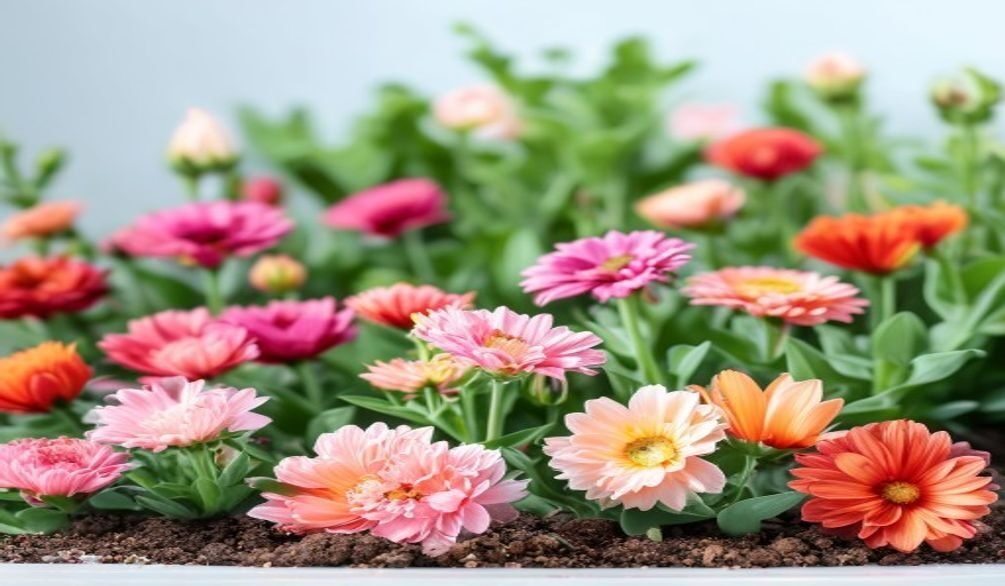
Annuals are fantastic for providing season-long nectar and pollen. They grow quickly and offer a burst of color.
- Borage: Its star-shaped blue flowers are a magnet for bees and its leaves are edible too.
- Cosmos: Simple, daisy-like flowers in various colors that attract butterflies and bees.
- Zinnias: A favorite for butterflies, offering landing pads and rich nectar.
- Sunflowers: Provide abundant pollen and nectar, especially heirloom varieties with open centers.
- Sweet Alyssum: Creates a fragrant, low-growing carpet of tiny white flowers, excellent for small native bees.
Perennial Powerhouses for Long-Term Attraction
Perennials return year after year, establishing deep root systems and providing reliable food sources.
- Bee Balm (Monarda): A truly apt name, this plant’s tubular flowers are adored by bees and hummingbirds.
- Purple Coneflower (Echinacea): Its sturdy, cone-shaped blooms are a favorite for bees and butterflies.
- Lavender: Fragrant and beautiful, lavender attracts a wide range of bees.
- Black-Eyed Susan (Rudbeckia): Bright yellow petals with dark centers, attracting many types of beneficial insects.
Herbs That Double as Pollinator Magnets
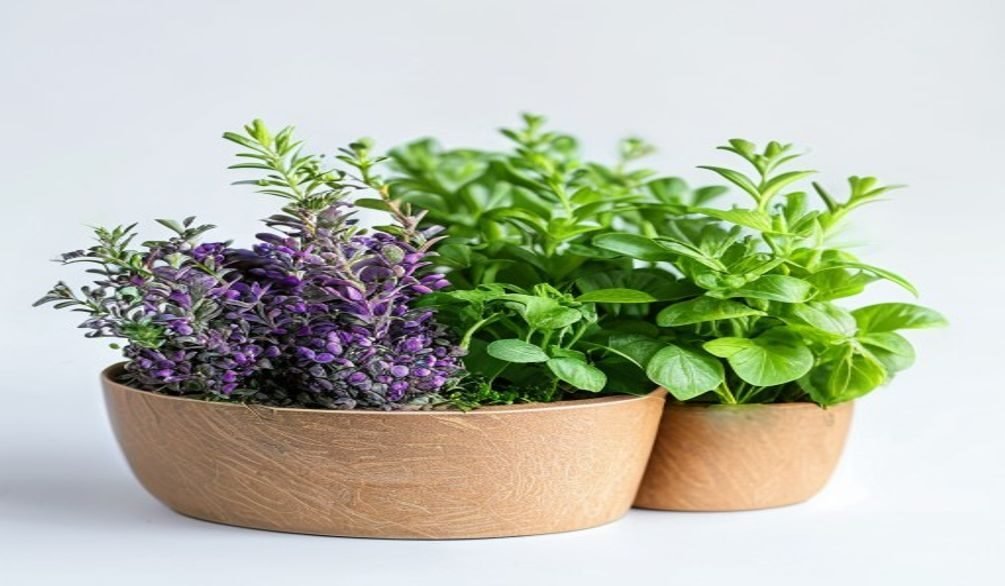
Many common herbs, when allowed to flower, are excellent for attracting pollinators and can even deter pests. This is a great way to grow pollinator friendly vegetables and herbs together.
- Rosemary: Small blue flowers attract bees in early spring.
- Oregano & Marjoram: When they bloom, their tiny flowers are swarming with small bees.
- Basil: Let some basil flower for a late-season bee feast.
- Dill & Fennel: Their flat umbel flowers attract beneficial wasps and hoverflies, which also prey on pests.
Consider planting these best herbs for your terrace garden to maximize pollinator visits and culinary benefits.
Embrace Native Plants for Maximum Impact
For the most effective pollinator attraction, especially for native bees and butterflies, prioritize native plants for vegetable garden pollinators in your region. These plants have co-evolved with local pollinators, providing precisely the food and habitat they need. The University of Minnesota Bee Lab emphasizes that “A garden that is predominantly planted with flowering plants, trees, or shrubs that provide homes, pollen and nectar to a variety of pollinators” is key. A simple rule of thumb: choose 3 native plant species that bloom in each of 3 growing seasons (spring, summer, fall), and plant 3 of each species to create sufficient patches of food.
Creating Ideal Habitats: Beyond Just Planting Flowers
While planting pollinator-friendly plants is crucial, a truly thriving pollinator garden ecosystem goes far beyond just flowers. You need to provide safe havens for nesting, resting, and drinking. What most people miss is that a garden isn’t just a restaurant; it’s a home.
Water Sources
All living creatures need water. A shallow dish with stones or marbles provides safe landing spots for bees and butterflies to drink without drowning. A bird bath or a small pond can also serve this purpose. Keep the water fresh to prevent mosquito breeding.
Nesting Sites & Shelter
Different pollinators have different nesting preferences.
- Bare Ground Patches: Approximately 70% of native bees are ground-nesting. Leaving small, undisturbed patches of bare, well-drained soil in a sunny spot is incredibly valuable. Avoid mulching every inch of your garden.
- Hollow Stems & Brush Piles: Some cavity-nesting bees, like mason bees, utilize hollow plant stems (e.g., raspberry canes, elderberry, sunflowers) or small brush piles. Leaving some plant debris over winter can provide crucial overwintering sites.
- Bee Houses/Nesting Blocks: You can purchase or create simple bee houses from untreated lumber with drilled holes of varying diameters (3/32″ to 3/8″ deep) to attract wood-nesting bees. Ensure they are cleanable or replaceable to prevent disease.
- Leaf Litter: An undisturbed layer of leaf litter provides crucial shelter for overwintering butterflies and other beneficial insects.
Consider a small “wild” corner of your garden, slightly less manicured, to provide these essential elements.
Maximizing Yields: Specific Vegetable & Pollinator Pairings
This is where the magic truly happens for your vegetable harvest. Knowing which vegetables benefit most from pollinators and how to specifically attract those pollinators can lead to remarkable yield increases. This goes beyond general attraction to targeted strategies for your edible garden.
The Pollinator-Dependent List
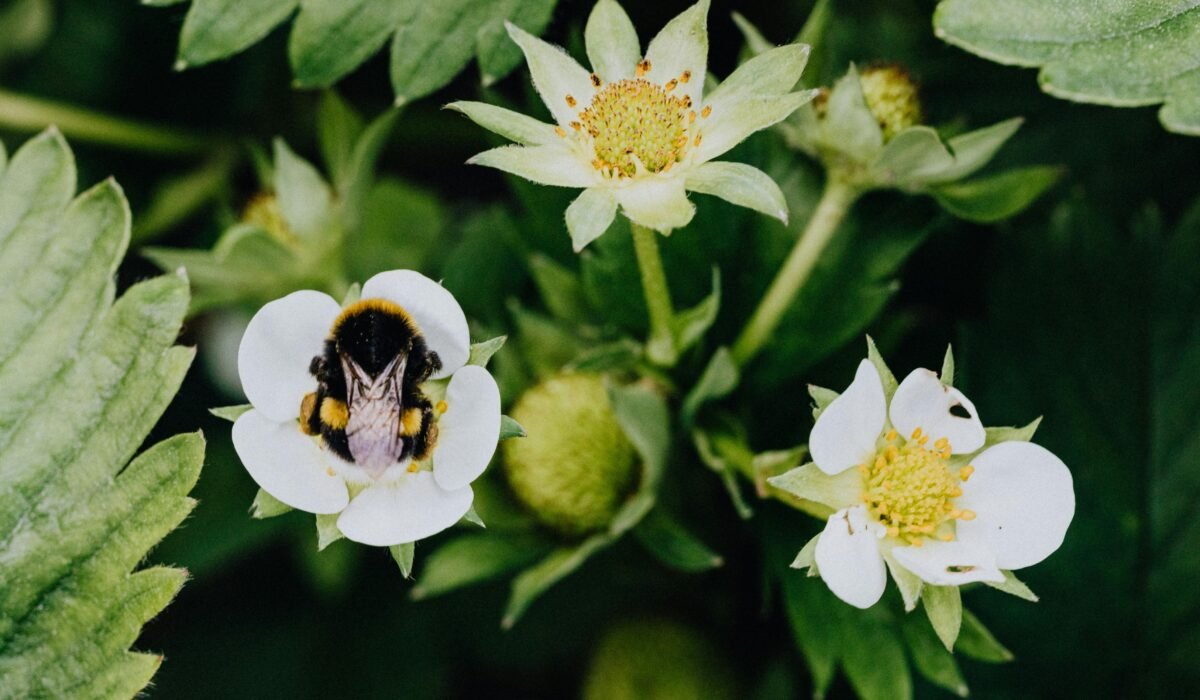
Many popular vegetables are highly dependent on pollinators. For example, members of the squash family (zucchini, pumpkins, cucumbers, melons) have separate male and female flowers and require insect pollination to set fruit. Berries like strawberries and blueberries also see significant yield boosts from bee activity. Tomatoes and peppers are largely self-pollinating but still benefit from “buzz pollination” by bumblebees, which helps release pollen more effectively, leading to larger, more uniform fruits.
Targeted Pairings for Enhanced Production
Let’s look at specific secondary keywords like “increase squash yield pollinators” and “pollinator friendly vegetables.”
- Squash, Pumpkins, Cucumbers & Melons: These rely heavily on bees, especially bumblebees and native squash bees. Plant borage, sunflowers, or cosmos nearby to attract these busy workers. You’ll notice a dramatic difference in fruit set.
- Tomatoes & Peppers: While self-pollinating, bumblebees can significantly improve fruit size and quantity. Plant purple coneflower or lavender nearby to draw them in.
- Beans & Peas: Many varieties benefit from bee pollination, leading to fuller pods. Sweet alyssum or clover planted as a ground cover can help.
- Fruit Trees & Berries: Apples, cherries, blueberries, and strawberries are heavily reliant on pollinators. Early blooming native plants like pussy willow or serviceberry are critical for spring bees.
In my experience, observing which pollinators frequent your specific plants gives you a good indication of what works best in your microclimate.
Holistic Strategies: IPM & Soil Health for a Thriving Pollinator Ecosystem
A truly robust pollinator garden ecosystem isn’t just about adding flowers; it’s about fostering overall garden health through integrated pest management (IPM) and nurturing your soil. This approach creates an environment where both your vegetables and their essential helpers can flourish.
Integrated Pest Management (IPM) & Pesticide Avoidance
The most critical step in supporting pollinators is pesticide avoidance. Even “organic” pesticides can harm beneficial insects. The Xerces Society states, “Although pollinator conservation is a big task, it all begins with each of us adopting four simple steps: growing pollinator-friendly flowers, providing nest sites and shelter, avoiding pesticides, and spreading the word.”
Instead of chemical sprays, embrace IPM strategies:
- Monitor Regularly: Catch pest problems early before they escalate.
- Encourage Natural Predators: Many beneficial insects, like ladybugs and lacewings, feed on common garden pests. Plants like dill, fennel, and yarrow attract these helpful predators. This is a form of companion planting that benefits multiple aspects of your garden.
- Hand-Picking: For larger pests like tomato hornworms, simply remove them by hand.
- Barriers: Use row covers to protect young plants from insect damage.
For more on managing pests naturally, you might find our guide on identifying and treating leaf miners helpful, as many of these principles apply broadly.
The Role of Soil Health
Healthy soil is the foundation of a healthy garden, and this extends to supporting pollinators too. Rich, living soil leads to stronger plants, which are more resilient to pests and diseases, reducing the need for interventions that might harm pollinators.
* Compost & Organic Matter: Regularly amending your soil with compost improves its structure, water retention, and nutrient availability. This fosters a robust microbial community that supports plant health. You can learn more about this in our Terrace Garden Composting Guide.
* Minimize Tillage: Excessive digging can disturb soil structure and harm ground-nesting bees. Practicing no-till or minimal-till gardening helps preserve these critical habitats.
* Cover Cropping: Planting cover crops can improve soil health, suppress weeds, and provide additional forage for pollinators during off-seasons.
Addressing Modern Challenges: Regional & Climate Considerations
Our world is changing, and so are the challenges faced by pollinators and gardeners alike. Tailoring your approach to regional conditions and climate change impacts is crucial for long-term success in attracting pollinators to your vegetable garden. What works in a temperate rainforest won’t necessarily thrive in an arid desert.
Drought-Tolerant Pollinator Plants
With increasing instances of drought in many regions, selecting drought-tolerant plants for your pollinator garden is becoming essential. These plants require less water, making them sustainable choices:
* Lavender: Once established, it’s very drought-resistant.
* Sedum (Stonecrop): Succulent leaves help it conserve water.
* Yarrow: A native perennial that thrives in dry conditions.
* California Poppies: Beautiful and resilient in dry, sunny spots.
This strategy also supports a butterfly garden, as many butterflies utilize these plants.
Supporting Native Pollinators in a Changing Climate
Native bees and other local pollinators are often best adapted to regional climates, but even they face new pressures.
* Provide Consistent Water: During heatwaves or droughts, water sources become even more critical.
* Extend Bloom Seasons: Climate shifts can alter bloom times. Planting a wider variety of plants that bloom from early spring to late fall ensures a continuous food supply, even if some plants bloom earlier or later than expected.
* Consider Local Expertise: Consult your local university extension or native plant society for species recommendations specific to your hardiness zone and current climate trends. Clemson University’s Home & Garden Information Center advises, “Start with 8 to 10 plant species to attract a greater diversity of pollinators.”
The Bigger Picture: Home Gardeners as Conservationists
Katie Turo, a postdoctoral fellow at Rutgers, offers a compelling perspective: “Our findings are a cause for concern and optimism… We did detect widespread yield deficits. However, we also estimate that, through continued investment in pollinator management and research, it is likely that we can improve the efficiency of our existing crop fields to meet the nutritional needs of our global population.” Your home garden, therefore, becomes a critical part of this global solution, fostering biodiversity and supporting food security.
Frequently Asked Questions
What attracts pollinators to a vegetable garden?
Pollinators are primarily attracted to a vegetable garden by a consistent supply of nectar and pollen from diverse flowering plants, accessible water sources, and safe nesting or resting sites. They are drawn to bright colors like blue, purple, yellow, and white, as well as specific flower shapes that match their feeding mechanisms.
What is the best way to attract pollinators?
The best way to attract pollinators is to create a diverse garden ecosystem that provides continuous blooms from early spring to late fall, offers nesting habitats like bare ground or hollow stems, and avoids the use of pesticides. Prioritizing native plants and providing shallow water sources are also highly effective strategies.
What vegetables attract pollinators?
While many vegetables rely on pollinators, the plants themselves don’t always “attract” them directly in the same way flowers do. However, vegetables like squash, cucumbers, pumpkins, and melons have flowers that require pollination. Allowing herbs such as dill, fennel, basil, and oregano to flower will actively attract various bees and beneficial insects to your vegetable beds.
What flowers should I plant in my vegetable garden to attract pollinators?
For your vegetable garden, plant a mix of annuals and perennials that offer diverse shapes, colors, and bloom times. Excellent choices include borage, cosmos, zinnias, sunflowers, sweet alyssum, bee balm, purple coneflower, and lavender. Integrating flowering herbs like rosemary and dill also provides dual benefits for culinary use and pollinator attraction.
By purposefully attracting pollinators to your vegetable garden, you are not just hoping for a better harvest; you are actively designing for it. You’ll cultivate a vibrant, productive space that benefits both your family and the wider ecosystem. Start today by adding a few pollinator-friendly plants and observing the incredible transformation in your garden’s health and yields.