Key Takeaways
- Fungi are the most common cause of plant diseases, accounting for approximately 85% of all plant ailments.
- Trees and shrubs constituted 27% of all plant samples submitted to the NC State University Plant Disease and Insect Clinic in 2025.
- The “disease triangle” requires a susceptible host, a pathogen, and a favorable environment for plant disease to develop, according to Sarah Dodd, CCMGA Certified Master Gardener.
- About 30% of plant samples submitted for diagnosis in 2025 originated from home landscapes, as reported by the NC State University Plant Disease and Insect Clinic.
- Early identification and proactive prevention, such as improving air circulation and soil health, are crucial for managing common plant diseases for beginners.
Are your beloved plants showing mysterious spots, wilting leaves, or a strange powdery coating? Understanding **common plant diseases for beginners** is the first step to keeping your garden thriving, and I’m here to guide you through identifying these issues and applying simple, effective solutions. In my 10+ years working in horticulture, I’ve learned that recognizing the signs early can save your plants, and this article will equip you with the knowledge to do just that, ensuring your gardening journey remains rewarding.
Quick Answer: Common plant diseases for beginners are often caused by fungi, bacteria, or viruses, showing as spots, wilting, or powdery growth. Managing them involves early identification, understanding the disease triangle, and implementing preventative measures like proper watering and air circulation.
What Are Common Plant Diseases for Beginners?
Common plant diseases for beginners are typically abnormal conditions or disorders that negatively impact a plant’s appearance, growth, or function, often triggered by pathogens. These pathogens interfere with crucial plant processes like nutrient transport and reproduction, according to the Master Gardener Program (2025). Understanding these basic definitions is essential for any beginner gardener looking to maintain plant health.
Fungi are the most prevalent culprits behind plant diseases, responsible for approximately 85% of all plant diseases. This statistic highlights why many of the common plant diseases for beginners you’ll encounter are fungal in nature, such as powdery mildew or rust. Recognizing these primary causes helps you choose appropriate treatments and preventative strategies.
Identifying **common plant diseases for beginners** involves observing changes in leaves, stems, roots, and fruits. These changes can range from discolored spots to stunted growth, each signaling a potential issue that needs attention. Early detection is often the key to successful intervention, making diligent observation a gardener’s best friend.
Types of Plant Pathogens
There are four main categories of pathogens that cause common plant diseases for beginners. Knowing these categories helps narrow down the potential issues you might face.
* Fungi: These are the most common pathogens, thriving in moist conditions and causing diseases like powdery mildew, rust, and black spot. They often spread through spores carried by wind or water.
* Bacteria: Bacterial diseases can manifest as soft rots, leaf spots with water-soaked margins, or galls. They typically enter plants through wounds or natural openings.
* Viruses: Viral infections often cause mottled, distorted, or stunted growth and are usually spread by insects or contaminated tools. There are generally no chemical cures for viral diseases.
* Nematodes: These microscopic roundworms live in the soil and can attack plant roots, causing galls, lesions, or stunted growth. They are less visible but can be highly destructive.
Understanding the “Disease Triangle”: Causes of Plant Ailments
The “Disease Triangle” explains that for any plant disease to develop and spread, three specific conditions must simultaneously exist: a susceptible host plant, a virulent pathogen, and a favorable environment. This critical concept was articulated by Sarah Dodd, a CCMGA Certified Master Gardener, emphasizing that removing any one leg of this triangle can prevent disease. As a beginner, grasping this principle is foundational to effective plant disease prevention.
Most infectious plant diseases don’t simply appear by chance; they require this perfect storm of conditions. For instance, a plant might carry a pathogen, but if the environmental conditions—like humidity or temperature—aren’t right, the disease may never fully manifest. This makes understanding the disease triangle crucial for managing common plant diseases for beginners.
Consider a common scenario: a rose bush (susceptible host) might be exposed to black spot fungus (pathogen). If the weather is consistently warm and humid (favorable environment), the disease is very likely to develop. Conversely, if the environment is dry, the fungus may not be able to establish itself, even if the host and pathogen are present.
Elements of the Disease Triangle
Breaking down the disease triangle helps you target your prevention efforts. Each element offers an opportunity to intervene and protect your plants from common garden problems.
* Susceptible Host: This refers to a plant that lacks resistance to a particular pathogen. Some plants are naturally more vulnerable to certain diseases, while others have been bred for resistance. Choosing disease-resistant varieties is a powerful preventative measure for any gardener.
* Virulent Pathogen: This is the disease-causing organism itself, whether it’s a fungus, bacterium, virus, or nematode. Pathogens vary in their ability to infect and cause damage, with some being more aggressive than others.
* Favorable Environment: Environmental factors like temperature, humidity, soil moisture, and light levels play a significant role. For example, high humidity encourages many fungal plant diseases, while waterlogged soil can lead to root rot.
How to Identify Plant Diseases: A Beginner’s Visual Guide
To effectively identify **common plant diseases for beginners**, you need to observe your plants regularly for any changes in their leaves, stems, flowers, or fruits. Rachel Lopez, MS, Digital Marketing Manager at Plant Cell Technology, rightly states that “Identifying the specific disease or pest affecting your plant is essential to treat it effectively” (2023). This proactive observation is your best defense against plant ailments.
Many common garden problems present with distinct visual cues that can help you differentiate between various issues. For example, powdery mildew has a very different appearance than bacterial leaf spot, and learning these differences makes plant disease identification much easier. Paying attention to the location and pattern of symptoms is a key part of becoming proficient in identifying common plant diseases for beginners.
In my experience, new gardeners often mistake abiotic issues, like nutrient deficiencies or watering problems, for diseases. A plant exhibiting yellowing leaves might not have a disease but could simply be overwatered or lacking nitrogen. It’s crucial to consider all possibilities when you’re trying to identify common plant diseases for beginners.
Common Symptoms and What They Mean
Understanding common plant disease symptoms is like learning a new language for your plants. Here’s a quick guide to what some typical signs might indicate:
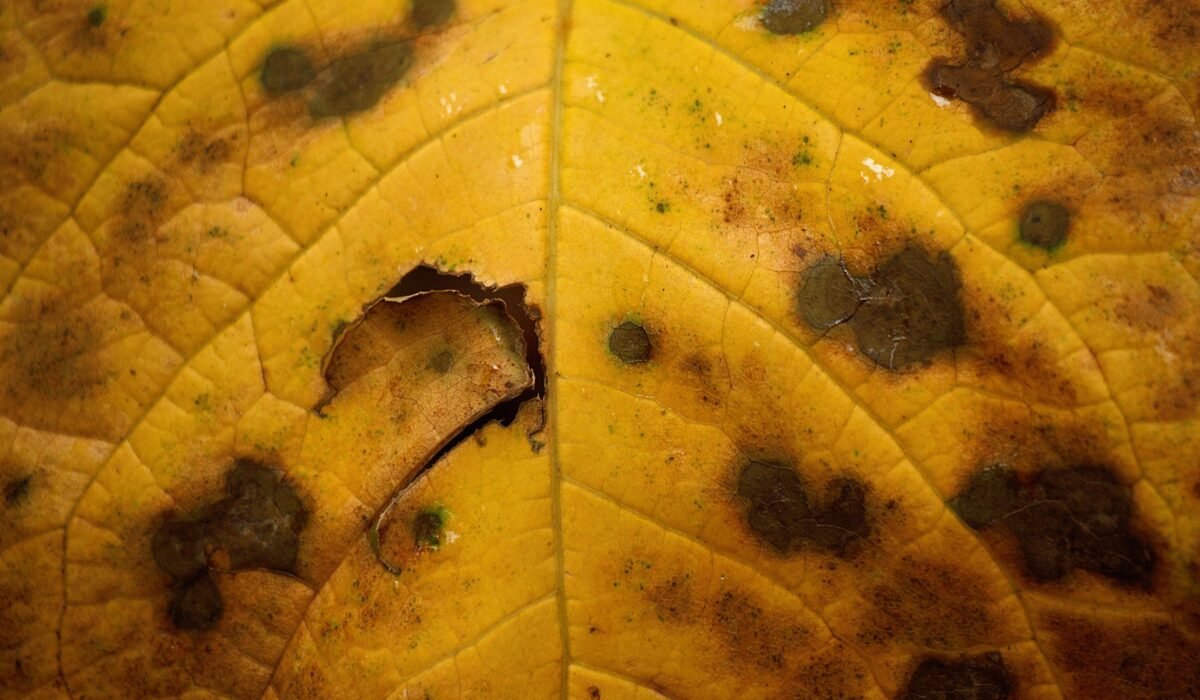
* Leaf Spots: Circular lesions on leaves, often discolored.
* Black Spots: Common on roses, often indicating black spot fungus.
* Brown/Tan Spots with Rings: Could be early blight, particularly on tomatoes and potatoes.
* Water-soaked Spots: Often a sign of bacterial infection.
* Powdery/Downy Growth: Fungal infections.
* White, Powdery Coating: Classic sign of powdery mildew on leaves and stems.
* Fuzzy, Grayish Growth (underside of leaves): Suggests downy mildew.
* Wilting: Drooping leaves or stems.
* Sudden Wilting: Can indicate root rot, vascular wilt diseases, or severe underwatering.
* Wilting despite moist soil: Often a sign of root damage or a systemic disease.
* Discoloration: Changes in leaf or stem color.
* Yellowing (Chlorosis): Can be nutrient deficiency, overwatering, or certain viral diseases.
* Browning/Crisping: Often due to drought, severe sun scorch, or late blight.
* Stunted Growth or Deformities: Plants not growing to their potential or appearing malformed.
* Overall Stunting: Can be a sign of viral infections, severe nutrient deficiency, or root issues.
* Distorted Leaves/Flowers: Often caused by viral diseases or insect feeding.
7 Common Plant Diseases: Symptoms and Simple Fixes
When dealing with **common plant diseases for beginners**, identifying specific symptoms is crucial for applying the right treatment. Many issues can be resolved with simple, organic solutions if caught early, preventing minor problems from becoming major garden disasters. From my experience, a quick response to the first signs of trouble makes all the difference.
Here’s a breakdown of seven common plant diseases, their recognizable symptoms, and straightforward fixes that even a beginner can implement. These are the plant disease symptoms and treatment approaches you’ll encounter most frequently.
“By the time symptoms are visible, the disease isn’t just established – it’s reproducing,” advises gardening expert Joe Lamp’l (2020). This underscores the urgency of addressing plant ailments as soon as you spot them. The faster you act, the greater your chance of saving the affected plant and preventing spread to others.
| Disease | Common Symptoms | Simple Fixes & Prevention |
|---|---|---|
| 1. Powdery Mildew | White, powdery spots on leaves and stems; stunted growth. Often seen on roses, cucumbers, lilacs. | Improve air circulation. Spray with a 50:50 milk-to-water solution or a baking soda solution. Organic options like Monterey Lawn & Garden Products’ Neem Oil can also be effective. |
| 2. Root Rot | Wilting despite moist soil, yellowing leaves, stunted growth, soft mushy roots. Caused by overwatering or poor drainage. | Improve soil drainage with organic perlite or bark. Reduce watering frequency. Repot with fresh, well-draining soil. Ensure pots have drainage holes. |
| 3. Black Spot | Circular black spots with yellow halos on leaves, often leading to premature leaf drop. Prevalent on roses. | Remove and destroy affected leaves. Improve air circulation. Water at the base to keep foliage dry. Apply organic fungicides like Bonide Copper Fungicide for prevention. |
| 4. Early Blight | Dark brown spots with concentric rings (like a target) on lower leaves, stems, and fruit. Affects tomatoes, potatoes, eggplants. | Remove infected leaves. Practice crop rotation. Water consistently at the soil line. Use disease-resistant varieties. Apply a copper-based fungicide if severe. |
| 5. Rust | Orange, yellow, or brown powdery pustules (like rust) on the undersides of leaves. Affects many ornamentals and edibles. | Remove infected leaves. Ensure good air circulation and avoid overhead watering. Some organic fungicides can help control severe outbreaks. |
| 6. Leaf Spot (Bacterial) | Small, dark, water-soaked spots that enlarge and may merge. Often surrounded by a yellow halo. | Remove infected foliage. Avoid overhead watering. Ensure good air circulation. Sanitize tools. There are limited chemical treatments for bacterial diseases. |
| 7. Damping-Off | Seedlings suddenly collapse and die at the soil line; often appears as a pinched stem. Affects young seedlings. | Use sterile potting mix and clean containers. Ensure good ventilation and avoid overwatering. Sow seeds thinly to prevent overcrowding. |
Beyond Disease: Recognizing Abiotic Issues Often Mistaken for Illness
Many symptoms that beginners attribute to **common plant diseases for beginners** are actually caused by abiotic factors, which are non-living environmental stressors. These issues, such as nutrient deficiencies, improper watering, or extreme temperatures, can mimic disease symptoms, making accurate diagnosis crucial. Understanding this distinction is vital for effective plant care.
It’s easy to jump to the conclusion that your plant has a fungal or bacterial infection when you see yellowing leaves or stunted growth. However, in my years of gardening, I’ve seen countless times that the problem lies with something as simple as inconsistent watering or a lack of essential nutrients. Distinguishing between biotic (disease-causing organisms) and abiotic (environmental) problems is a key skill for plant disease identification for beginners.
For instance, blossom-end rot on tomatoes, characterized by dark, sunken spots on the bottom of the fruit, is not a disease but a calcium deficiency. This deficiency is often caused by inconsistent watering, which prevents the plant from transporting calcium effectively to the developing fruit. This clearly illustrates how an abiotic issue can appear to be a serious illness.
Common Abiotic Problems and Their Symptoms
Being able to identify these common abiotic issues will save you time and potentially unnecessary treatments for common plant diseases for beginners. Here are some of the most frequent non-disease problems:
* Nutrient Deficiencies:
* Yellowing Leaves (Chlorosis): Often indicates a lack of nitrogen, iron, or magnesium. Nitrogen deficiency usually starts with older leaves turning pale yellow.
* Purple or Reddish Leaves: Can signal phosphorus deficiency, particularly in cooler temperatures.
* Stunted Growth: A general sign of insufficient nutrients.
* Watering Issues:
* Wilting (Overwatering): Leaves may yellow and feel soft, often accompanied by mushy stems or root rot.
* Wilting (Underwatering): Leaves droop, feel dry, and may become crispy.
* Blossom-End Rot: As mentioned, a calcium deficiency often triggered by inconsistent watering, particularly in tomatoes and peppers. You can find more targeted solutions for this issue in our article on Blossom End Rot Treatment: 7 Effective Ways for Tomatoes & Peppers.
* Environmental Stress:
* Sun Scorch: Brown or bleached spots on leaves, especially on plants moved suddenly into full sun or heat-stressed.
* Temperature Extremes: Frost damage causes blackening and mushiness. Heat stress can lead to wilting and leaf drop.
* Chemical Burn: Irregular brown spots or scorched leaf margins from over-fertilization, herbicide drift, or improper pesticide application.
Prevention is Key: Proactive Steps for Healthy Plants
When it comes to **common plant diseases for beginners**, prevention is unequivocally the most effective strategy. As the LSU AgCenter stated, “Prevention is the key to the management of diseases in the landscape” (2007). By implementing proactive measures, you can significantly reduce the likelihood of your plants ever contracting a disease, saving you time and effort in the long run.
Rather than waiting for plant disease symptoms to appear, focusing on creating an environment where diseases struggle to thrive is a smarter approach. This means understanding your plants’ needs and providing optimal conditions from the start. These plant health tips are fundamental for preventing common plant diseases for beginners.
From my own garden, I’ve learned that a healthy plant is a resilient plant. Plants that are well-fed, properly watered, and given adequate space are much better equipped to fend off pathogens than stressed ones. Think of it as building your plants’ immune systems against common plant diseases for beginners.
Essential Preventative Measures
Here are practical steps you can take to prevent common plant diseases for beginners and maintain a vibrant garden:
1. Choose Disease-Resistant Varieties: Whenever possible, select plant varieties specifically bred for resistance to common local diseases. Many seed and nursery catalogs, like Gurney’s Seed, highlight these traits.
2. Practice Crop Rotation: For vegetable gardens, avoid planting the same crop in the same spot year after year. This helps break disease cycles in the soil. You can learn more about this in our guide on Easy Crop Rotation for Vegetable Gardens: 5 Adaptable Plans.
3. Ensure Proper Spacing and Air Circulation: Give plants enough room to grow to their mature size. Good air circulation helps foliage dry quickly after rain or watering, reducing the conditions favorable for fungal plant diseases.
4. Water Properly: Water at the base of plants in the morning, allowing foliage to dry before nightfall. Avoid overhead watering, especially in humid conditions. Consistent watering is crucial, but avoid overwatering, which leads to root rot treatment challenges.
5. Maintain Soil Health: Healthy soil fosters healthy roots. Incorporate organic matter to improve drainage and provide essential nutrients. About 30% of plant samples submitted for diagnosis in 2025 originated from home landscapes, according to the NC State University Plant Disease and Insect Clinic, highlighting the importance of basic home garden practices.
6. Sanitize Tools: Clean and disinfect pruning shears and other tools, especially after working with diseased plants. A 10% bleach solution or rubbing alcohol works well.
7. Promptly Remove Infected Plant Material: As soon as you spot signs of disease, remove and destroy affected leaves, stems, or entire plants. Do not compost diseased material, as pathogens can survive and spread.
Integrated Pest Management (IPM) for Beginners: A Holistic Approach
Integrated Pest Management (IPM) for beginners is a holistic, sustainable approach to managing plant pests and diseases that emphasizes long-term prevention and uses a combination of methods. This strategy minimizes risks to human health, beneficial organisms, and the environment, making it an ideal framework for tackling **common plant diseases for beginners**. It moves beyond simply reacting to a problem and instead focuses on overall garden health.
The core principle of IPM is to use the least toxic and most effective methods first, escalating to stronger interventions only when necessary. This means cultural practices, like proper plant selection and watering, are prioritized over chemical sprays. This systematic approach is extremely effective for organic disease control and managing common plant diseases for beginners.
In my experience, many new gardeners reach for a chemical spray as their first line of defense. However, IPM teaches us to observe, identify, and then choose the most appropriate, often non-chemical, solution. This mindset shift is transformative for promoting healthy plants and reducing reliance on harsh chemicals.
Key Principles of IPM for Disease Control
Implementing IPM involves several steps, each designed to empower you with smart, sustainable choices for managing common plant diseases for beginners.
1. Identification: Accurately identify the specific disease or pest. Incorrect identification leads to ineffective treatments. Resources from the Master Gardener Program and NC State University Extension can be invaluable here.
2. Monitoring: Regularly inspect your plants for signs of trouble. Early detection, as Joe Lamp’l noted, is critical before diseases become established and reproduce. Trees and shrubs were the most frequently submitted plant type for diagnosis in 2025, accounting for 27% of all samples received by the NC State University Plant Disease and Insect Clinic, underscoring the need for consistent monitoring.
3. Prevention (Cultural Controls): This is the foundation of IPM, focusing on creating unfavorable conditions for diseases.
* Resistant Varieties: Choosing plants naturally resistant to common ailments.
* Proper Site Selection: Ensuring plants are in the right light, soil, and moisture conditions.
* Good Sanitation: Removing plant debris and cleaning tools.
* Optimal Watering and Fertilization: Avoiding stress that makes plants vulnerable.
4. Intervention (Least Toxic Options First): If prevention isn’t enough, consider these steps:
* Mechanical/Physical Controls: Hand-picking infected leaves, pruning diseased branches.
* Biological Controls: Introducing beneficial organisms that prey on pests or compete with pathogens (less common for direct disease control, but supports overall ecosystem health).
* Organic Chemical Controls: Using products like Bonide Neem Oil, Earth’s Ally Disease Control, or Monterey Lawn & Garden Products’ Copper Fungicide. These are often derived from natural sources and have lower environmental impact.
* Conventional Chemical Controls: Using synthetic fungicides or bactericides as a last resort, following label instructions carefully.
Frequently Asked Questions
What are the 4 main types of plant diseases?
The four main types of plant diseases are caused by fungi, bacteria, viruses, and nematodes, each presenting unique symptoms and requiring different management strategies. Fungi are the most common cause, responsible for approximately 85% of all plant diseases. Understanding these categories helps in accurate plant disease identification and treatment.
What is the most common disease in plants?
The most common diseases in plants are often fungal infections like powdery mildew, rust, and black spot, which thrive in humid conditions and affect a wide range of plants. In 2025, tobacco was the most frequently submitted plant to the NC State University Plant Disease and Insect Clinic, with 159 samples, often indicating widespread issues. Proper air circulation and organic disease control can help manage these prevalent issues.
How do I identify plant disease?
You can identify plant disease by regularly inspecting your plants for abnormal symptoms such as leaf spots, wilting, discolored growth, or stunted development. Observing the specific patterns and locations of these symptoms is crucial for accurate plant disease identification for beginners. Consulting visual guides and extension resources can aid in confirming your suspicions.
What are the main causes of plant disease?
The main causes of plant disease are pathogenic organisms (fungi, bacteria, viruses, nematodes) combined with environmental factors that create a “disease triangle” (susceptible host, pathogen, favorable environment). Oklahoma experienced a higher-than-normal incidence of fire blight in fruit and ornamental plants during 2025, illustrating how environmental conditions can exacerbate disease outbreaks. Addressing any part of this triangle can help prevent common plant diseases for beginners.
How do you treat common plant diseases naturally?
You treat common plant diseases naturally by improving cultural practices like proper watering, ensuring good air circulation, and using organic sprays such as neem oil or milk solutions. Removing infected plant parts immediately is also a vital step in organic plant disease control for home gardens. These methods are often effective for common fungal plant diseases symptoms and treatment.