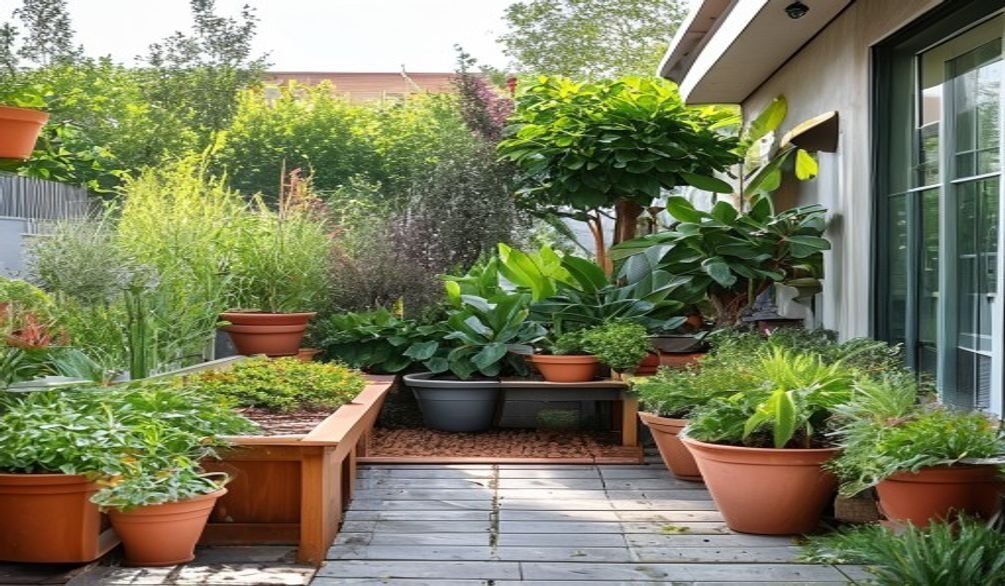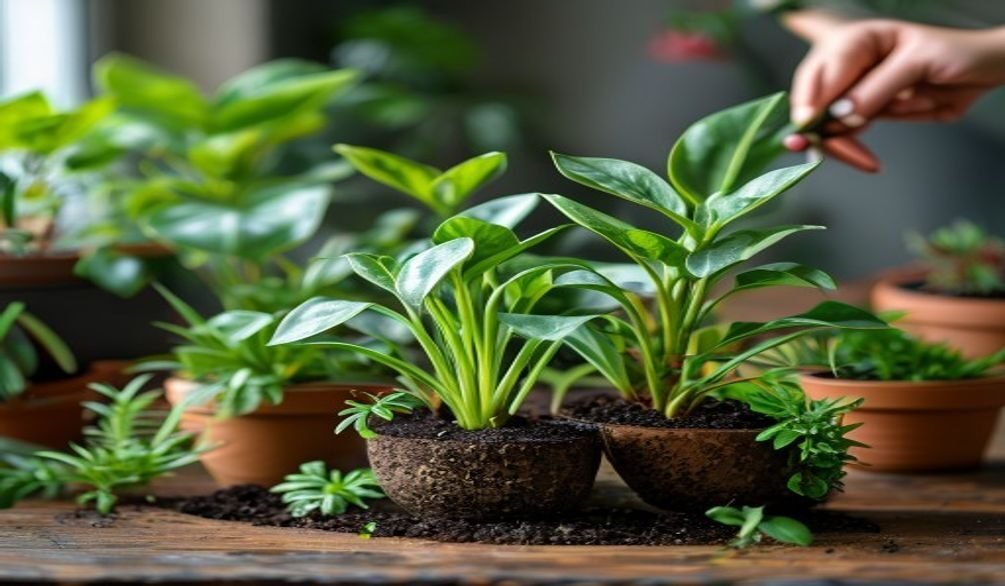
Wondering how to compost on balcony and transform your kitchen scraps into nutrient-rich soil, even in a small urban space? You’re not alone, and the good news is it’s entirely achievable, empowering you to cultivate a thriving balcony garden while reducing waste.
What is Balcony Composting and Why Start Today?
Balcony composting involves breaking down organic materials like food scraps and yard waste into nutrient-dense compost right on your apartment or condo balcony. It’s essentially small space composting methods adapted for urban living, allowing you to participate in nature’s recycling process without needing a sprawling backyard.
The benefits of starting today are immense for both your plants and the planet. Composting improves the structure and health of your soil, helping it retain moisture and nutrients, according to the U.S. Environmental Protection Agency (EPA). This means healthier plants for your container gardening and a reduced need for chemical fertilizers.
Beyond your personal garden, urban composting guide principles contribute to a larger environmental impact. Food scraps and yard waste comprise 20 to 30 percent of what ends up in landfills, where they produce methane, a potent greenhouse gas. By composting, you divert this waste, reducing landfill burden and greenhouse gas emissions, as highlighted by the U.S. Department of Agriculture (USDA). It’s a powerful step towards sustainable urban living.
What Composting Methods Work Best for Small Balconies?
Choosing the right method for your balcony depends on your space, the types of scraps you generate, and your comfort level with different systems. Here are the most effective apartment composting solutions:
Vermicomposting (Worm Composting)
Vermicomposting apartment setups utilize red wiggler worms to break down organic waste. These hardworking decomposers consume food scraps and excrete nutrient-rich castings, which are essentially pre-digested plant food. It’s an incredibly efficient and relatively odorless composting method.
- Pros: Produces high-quality compost quickly, handles most fruit and vegetable scraps, very little odor if managed correctly. The Subpod compost bin is a popular example, often integrated into raised garden beds, offering a neat solution for urban gardeners.
- Cons: Requires managing live worms (temperature, moisture), cannot process meat, dairy, or oily foods.
Bokashi Composting
Bokashi composting is a unique anaerobic (oxygen-free) fermentation process that uses a special inoculated bran to pickle food waste. It’s an excellent choice for those seeking truly odorless composting for balconies and can handle a wider variety of kitchen waste plant food, including cooked foods, meat, and dairy.
- Pros: Compact, virtually odorless, processes almost all food waste, quick fermentation (1-2 weeks). The fermented material, called “Bokashi pre-compost,” then needs to be buried or added to a traditional compost pile to break down further into soil.
- Cons: The fermented material isn’t “finished” compost and requires a secondary breakdown stage, either in a soil trench or mixed into a traditional compost bin.
Traditional Aerobic Composting (Mini-Tumblers & DIY Bins)
This method relies on microorganisms and oxygen to break down organic matter. While traditional large compost piles aren’t feasible for balconies, scaled-down versions like small tumblers or DIY compost bin balcony setups can work. These best composters for small spaces require a good balance of “greens” (nitrogen-rich food scraps) and “browns” (carbon-rich materials like dry leaves, shredded cardboard).
- Pros: Familiar process, can handle more yard waste if you have it (e.g., spent annuals from your balcony garden), relatively inexpensive for DIY options. Ryan’s balcony garden in NC successfully uses a “5-gallon bucket lukewarm composter” to support large plants.
- Cons: Can be prone to odors and pests if not managed with proper aeration and moisture, takes longer than vermicomposting or Bokashi, may require more active turning.
Choosing the Right Compost Bin for Your Apartment Balcony
Selecting the ideal balcony compost bins is crucial for success and neighborly harmony. Consider your available space, the amount of kitchen waste you generate, and your budget.
For minimal space and maximum odor control, a Bokashi bin is often the top recommendation. Its airtight design makes it perfect for discreet use. If you’re comfortable with worms and want rich, direct compost, a compact vermicomposter like a stacking worm bin or a small Subpod Modbed Grow System is excellent. For a more hands-on approach and slightly larger waste volume, a small, rotating compost tumbler can work, provided you have the space for its footprint and rotation.
Many apartment dwellers also find success with a simple DIY bucket composting system. This can be made from two stacked 5-gallon buckets with holes drilled for aeration and drainage. Remember, the best compost bin for a small apartment is one you’ll consistently use and maintain.
How to Prevent Odors and Pests in Balcony Compost
The biggest concerns for balcony composting are often odors and pests. The good news is that odorless composting is entirely achievable with proper management. As Michael Levenston of City Farmer notes, “When composting is done properly, it should be a nice smell, the same smell you get in the forest.”
Controlling Odors
Unpleasant smells usually indicate an imbalance in your compost. Here’s how to keep things fresh:
- Balance Greens and Browns: “Greens” are nitrogen-rich (food scraps, grass clippings), “browns” are carbon-rich (dry leaves, shredded paper/cardboard). Too many greens without enough browns can lead to a smelly, anaerobic mess. Aim for a roughly 2:1 or 3:1 brown-to-green ratio by volume.
- Ensure Aeration: Compost needs oxygen. For tumblers, rotate regularly. For bins, gently turn the material with a hand trowel or stick every few days. Lack of air causes putrefaction.
- Manage Moisture: Compost should feel like a wrung-out sponge – moist, but not soaking wet. Too much moisture leads to odors and can attract pests. If it’s too wet, add more dry browns. If too dry, add a little water or moist greens.
- Bury Food Scraps: Always cover new kitchen waste plant food with a layer of brown material or finished compost. This helps contain odors and deters flies.
Preventing Pests
Preventing pests in compost largely comes down to what you add and how you cover it.
- Exclude Problematic Items: Avoid adding meat, bones, dairy products, and oily foods to traditional or vermicompost bins, as these highly attract rodents and flies. Bokashi composting can handle these, as the fermentation process deters pests.
- Keep it Covered: A secure lid is your first line of defense against flies, ants, and other critters. Ensure your balcony compost bins have a tight-fitting cover.
- Monitor Moisture: Excess moisture and standing water can create breeding grounds for gnats and fruit flies.
- Regular Turning: For aerobic systems, turning regularly disrupts pest habitats and speeds decomposition.
Maintaining Your Balcony Compost: Tips for Success
Consistent maintenance is key to a thriving balcony composting system. It’s not a set-it-and-forget-it process, but the effort pays off with rich, dark compost.
First, regularly feed your compost with a balanced mix of “greens” and “browns.” Greens include fruit and vegetable scraps, coffee grounds, and tea bags. Browns include shredded newspaper, cardboard, dry leaves, and wood shavings. This balance is crucial for healthy decomposition.
Next, monitor moisture levels. Your compost should always feel damp, like a well-wrung sponge. If it’s too dry, decomposition slows significantly; add a little water. If it’s too wet, add more browns to absorb excess moisture. What most people miss is that moisture is as important as aeration.
Finally, ensure proper aeration. For tumblers, rotate them daily or every few days. For static bins, use a compost aerator or a stick to poke holes and turn the material regularly. This introduces oxygen, which beneficial microbes need to thrive, preventing anaerobic conditions that cause odors. This is how you maintain a balcony compost that works effectively.
Using Your Balcony Compost to Feed Your Plants
The ultimate reward for your composting efforts is the rich, dark soil amendment you produce. This “black gold” is packed with nutrients and beneficial microbes, ready to supercharge your container gardening.
Direct Application and Mixing
Once your compost is finished (it should be dark, crumbly, and smell earthy, like a forest floor), you can use it in several ways. For new plantings, mix finished compost into your potting mix at a ratio of about 1 part compost to 3-4 parts potting soil. This significantly improves soil health urban garden beds, enhancing water retention and nutrient availability. For established plants, you can top-dress your pots by spreading a thin layer (1/2 to 1 inch) of compost over the soil surface. This provides a slow-release nutrient boost with each watering.
Making Compost Tea for Balcony Plants
Compost tea for plants is a liquid fertilizer made by steeping finished compost in water. It’s an excellent way to deliver nutrients and beneficial microorganisms directly to your plants’ roots and foliage, especially for seedlings or plants needing a quick boost.
- Simple Recipe: Place a shovel-full of finished compost into a burlap sack or old pillowcase.
- Steep: Submerge the bag in a bucket of dechlorinated water (let tap water sit out for 24 hours to dissipate chlorine) for 12-24 hours.
- Dilute & Apply: Remove the bag and dilute the “tea” with more water until it looks like weak tea. Use it to water your plants or as a foliar spray.
This method allows you to stretch your compost further and deliver nutrients in an easily absorbed form, making it perfect for delicate balcony plants.
Tailoring Compost Use for Different Plants
The beauty of compost is its versatility. For young seedlings, a light dusting or a diluted compost tea can provide gentle nourishment. For heavy feeders like tomatoes or peppers in your balcony garden, incorporate more compost into their initial potting mix and apply regular top-dressings throughout the growing season. Even your herbs will thrive with the added organic matter. Remember, compost improves soil structure, making it a foundation for strong plant growth, not just a fertilizer.
Troubleshooting Common Balcony Composting Problems
Even expert composters encounter issues, but most problems have straightforward solutions. Here’s a quick guide to common challenges you might face when you learn how to compost on balcony.
- Problem: Foul Odor (Rotten Eggs/Ammonia)
- Cause: Too much “green” material, too wet, or not enough air (anaerobic conditions).
- Fix: Add more “browns” (shredded cardboard, dry leaves), turn the pile to aerate, and reduce moisture.
- Problem: Attracting Pests (Flies, Ants, Rodents)
- Cause: Exposed food scraps, adding meat/dairy/oils, compost too wet, or bin not sealed properly.
- Fix: Always bury new food scraps under brown material, avoid problematic items (except in Bokashi), ensure bin has a tight lid, and manage moisture.
- Problem: Compost is Dry and Not Decomposing
- Cause: Not enough moisture.
- Fix: Add water until it feels like a wrung-out sponge. Mix thoroughly.
- Problem: Compost is Sluggish, Slow to Break Down
- Cause: Lack of nitrogen (too many browns), insufficient moisture, poor aeration, or material size too large.
- Fix: Add more “greens” or a nitrogen source (e.g., coffee grounds), check moisture, turn more frequently, and chop scraps into smaller pieces.
- Problem: White Mold or Fungi Appears
- Cause: This is usually a sign of healthy decomposition, especially in Bokashi systems where it indicates successful fermentation. In aerobic compost, it means fungi are at work.
- Fix: Generally, no fix needed; it’s a good sign! If it’s a thick, furry white mold in an aerobic pile, it might indicate too much moisture or not enough aeration.
Frequently Asked Questions
What is the best compost bin for a small apartment?
The best compost bin for a small apartment often depends on your specific needs and the types of food waste you generate. Bokashi bins are excellent for their compactness and ability to ferment a wide range of kitchen scraps without odor, while vermicomposting apartment systems are ideal for producing nutrient-rich worm castings from fruit and vegetable waste.
Do balcony compost bins smell?
Balcony compost bins should not smell bad if managed correctly. Unpleasant odors typically indicate an imbalance, such as too much wet “green” material, insufficient aeration, or an overly wet environment. Proper layering of “greens” and “browns,” regular turning, and maintaining correct moisture levels will ensure odorless composting.
What’s the easiest composting method to start with?
For beginners in an apartment setting, Bokashi composting is often considered the easiest method to start with due to its simplicity and minimal odor. It involves simply adding food scraps and Bokashi bran to an airtight bucket, making it very forgiving and suitable for urban composting guide principles.
How do you turn kitchen scraps into plant food?
You turn kitchen scraps into plant food through a natural decomposition process facilitated by microorganisms, and sometimes worms, in a compost bin. This process breaks down organic materials into humus, a stable, nutrient-rich substance that enriches soil, improves plant growth, and reduces the need for external fertilizers.
Embracing balcony composting is a rewarding journey that connects you more deeply with your food and your garden. By turning everyday scraps into valuable soil, you’re not just growing plants; you’re cultivating a more sustainable, vibrant urban oasis. Start your balcony composting adventure today and watch your plants thrive!