
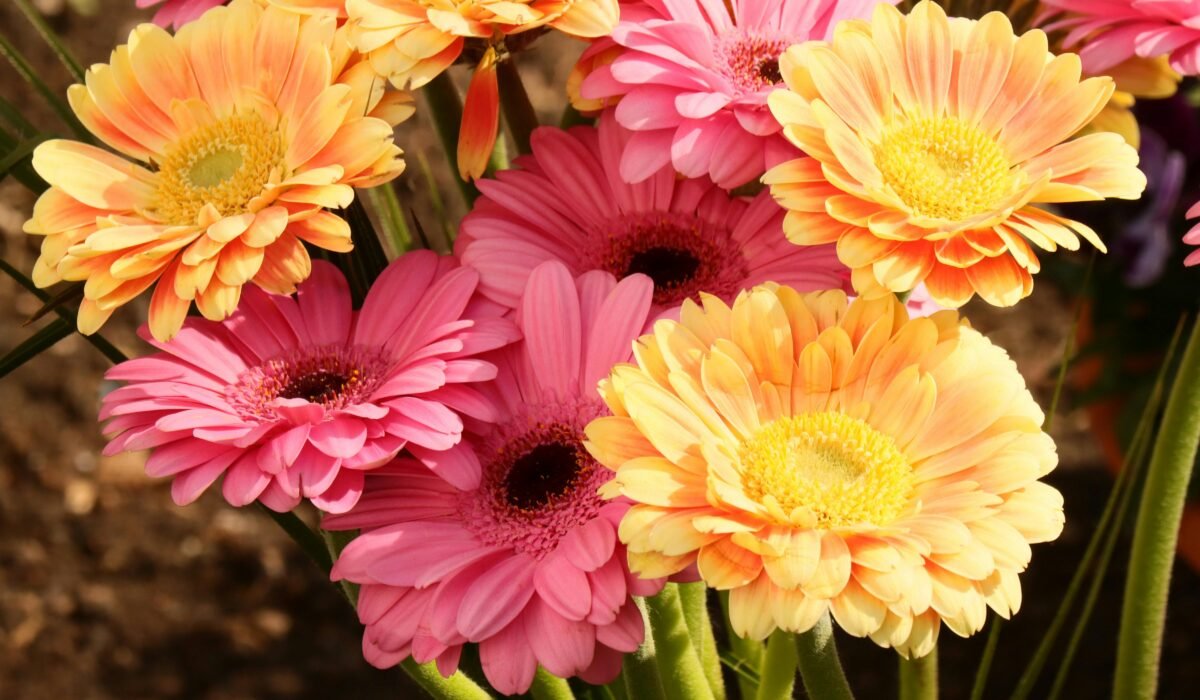
Imagine stepping into your garden each morning, clippers in hand, to gather a fresh, vibrant bouquet for your kitchen table. This isn’t just a dream; it’s the beautiful reality of cultivating your own cut flower garden.
Growing your own flowers for cutting offers immense satisfaction, transforming your home with personalized arrangements while connecting you deeply with nature. Beyond the sheer joy, it’s a cost-effective way to enjoy continuous blooms without the recurring expense of store-bought flowers.
This comprehensive guide will walk you through every step of creating a stunning cut flower garden, from initial design to harvesting your gorgeous blooms. Get ready to fill your vases with beauty, grown right in your backyard.
Designing Your Dream Cut Flower Garden Layout
The first step to a thriving cut flower garden is thoughtful planning. Unlike a traditional ornamental bed, a cutting garden prioritizes harvestability and productivity, so its layout might look a little different.
Choosing the Perfect Location
Sunlight is paramount for most flowering plants. Select a spot that receives at least 6-8 hours of full, direct sunlight daily. This ensures vigorous growth and abundant blooms.
Good drainage is equally crucial to prevent root rot. If your soil tends to be heavy clay, consider raised beds or amending it significantly. Easy access to a water source is also essential for consistent hydration, especially during dry spells.
For more detailed guidance on selecting the ideal spot, you might find our article Choosing Your First Garden Location: A Guide helpful.
Considering Size and Shape
Start small, especially if you’re a beginner. A 4×8 foot raised bed or a dedicated 10×10 foot plot can produce an astonishing number of flowers. This manageable size allows you to learn and expand in future seasons.
Consider pathways for easy access to all your plants without compacting the soil. Straight rows are often most efficient for planting and harvesting in a dedicated cutting garden, though informal beds can also work beautifully if access is maintained.
Integrating Your Garden Visually
While the primary goal is cutting, your flower garden can still be a beautiful part of your landscape. Think about how it integrates with existing garden beds, pathways, and structures.
You might dedicate a specific area of your yard, or weave pockets of cut flowers into your existing perennial borders. The key is to ensure functionality for harvesting without sacrificing aesthetic appeal.
Choosing the Best Cut Flowers for Beginners
One of the most exciting parts of creating your home cut flowers garden is selecting which varieties to grow. For beginners, it’s wise to start with reliable, easy-to-grow flowers that offer a continuous harvest.
Top Annuals for Abundant Blooms
Annuals complete their life cycle in one season, providing a burst of color and often a “cut-and-come-again” nature, meaning the more you cut, the more they produce. These are perfect for continuous bloom annuals:
- Zinnias: A beginner’s best friend! Varieties like ‘Benary’s Giant’ or the ‘Queen Lime’ series offer a huge range of colors and sizes. They are incredibly prolific.
- Cosmos: Delicate and airy, Cosmos are easy to grow from seed. ‘Sonata Mix’ or ‘Double Click’ varieties are popular choices for their beautiful blooms and long stems.
- Snapdragons: With their unique upright spikes, snapdragons add vertical interest to bouquets. They thrive in cooler weather and come in many vibrant colors.
- Celosia: Known for their feathery plumes or brain-like crests, Celosia adds incredible texture. They are heat-loving and long-lasting in the vase.
- Bachelor’s Buttons (Cornflowers): Charming, old-fashioned flowers in blues, purples, pinks, and whites. They are very easy to grow and reseed readily.
- Marigolds: Beyond their garden pest-repelling reputation, certain tall varieties like ‘Giant African Marigolds’ make excellent cuts. Learn more in our guide on Grow Marigolds: Easy Steps for Cheerful, Vibrant Blooms.
Reliable Perennials for Long-Term Beauty
Perennials return year after year, establishing roots and often growing larger and more productive over time. While they may not bloom continuously like some annuals, they offer reliable harvests and a foundational structure to your flower garden design.
- Peonies: Iconic, fragrant, and incredibly long-lived, a peony plant can produce blooms for 50+ years.
- Shasta Daisies: Classic white daisies with cheerful yellow centers, perfect for a fresh, clean look.
- Lavender: Fragrant spikes that are wonderful for both fresh and dried arrangements.
- Hydrangeas: Large, showy blooms that dry beautifully.
- Roses: Many varieties are excellent for cutting, offering classic beauty and fragrance. Our Beginner Rose Care: Grow Beautiful Roses Easily guide can help you get started.
Don’t Forget Native Plants and Fillers
Incorporating native plants not only provides unique textures and forms for your bouquets but also supports local ecosystems by attracting pollinators like bees and butterflies. For ideas, check out Attract Pollinators: Native Flower Garden Designs.
Consider also growing foliage plants like Eucalyptus, Dusty Miller, or ornamental grasses. These act as essential “greenery” and “fillers” that make your DIY bouquets truly shine.
Soil Prep & Planting for Abundant Blooms
The foundation of any successful garden lies beneath the surface: healthy soil. Investing time in proper soil preparation will pay dividends in the form of robust plants and an abundance of beautiful blooms.
Understanding Your Soil
Before planting, it’s highly recommended to perform a soil test. This will tell you your soil’s pH level and nutrient composition, guiding your amendments. Most cut flowers prefer a slightly acidic to neutral pH, typically between 5.5 and 7.0.
Many local university extension offices, like Clemson Cooperative Extension, offer affordable soil testing services and personalized recommendations based on your results.
The Power of Organic Matter
Regardless of your soil type, enriching it with organic matter is the single most important step. Organic matter improves soil structure, enhances drainage in heavy soils, boosts water retention in sandy soils, and provides a slow release of nutrients.
Key Amendments:
- Compost: Often called “black gold,” compost is king for improving soil health. Work several inches into the top 6-12 inches of your garden bed.
- Leaf Mulch: Decomposed leaves also add valuable organic matter and nutrients.
- Aged Manure: Provides a rich source of nutrients. Ensure it is well-composted to avoid burning plants.
- Worm Castings: A highly concentrated form of organic fertilizer, packed with beneficial microbes.
Additionally, consider incorporating a balanced organic granular fertilizer, such as Espoma’s Flower-Tone, at planting time to give your young plants a boost.
Planting for Success
Once your soil is prepped, it’s time to plant. Whether you’re starting from seed or transplanting seedlings, ensure proper spacing according to the plant’s mature size. Good air circulation helps prevent fungal diseases.
Water thoroughly after planting to settle the soil around the roots. For optimal plant health and to prevent leaf diseases, consider implementing a drip irrigation system. This delivers water directly to the roots, minimizing evaporation and keeping foliage dry.
Mastering Succession Planting for Continuous Harvest
The secret to a truly prolific cut flower garden that provides fresh blooms from spring through fall is succession planting. This technique involves staggering your plantings throughout the growing season.
What is Succession Planting?
Instead of planting all your seeds at once in the spring, succession planting means sowing new batches of seeds or seedlings every 2-4 weeks. This ensures that as one crop finishes its peak bloom, another is just beginning to flower.
This strategy is particularly effective for annuals that have a relatively short bloom window or those that are “cut-and-come-again” but eventually tire out.
Planning Your Succession Schedule
Start by understanding your local frost dates. Plant your first successions after the last spring frost, and continue planting until about 8-10 weeks before your first anticipated fall frost.
Common flowers ideal for succession planting include Zinnias, Cosmos, Marigolds, Sweet Peas, and Bachelor’s Buttons. For example, you might plant a tray of zinnia seeds every three weeks from late spring through mid-summer.
Extending the Season
To push the boundaries of your growing season, consider using row covers in early spring and late fall. These provide protection from unexpected frosts, allowing you to get an earlier start and a later finish to your harvest.
Some growers also start seeds indoors under grow lights several weeks before the last frost, giving them a head start on the season. This is a crucial element of effective garden planning for flowers.
Harvesting & Extending the Vase Life of Your Flowers
You’ve put in the work, and now your cut flower varieties are blooming! Knowing how and when to harvest, and then how to care for your flowers, is key to enjoying them for as long as possible indoors.
The Art of Harvesting
Timing is everything when it comes to cutting flowers for the vase. The best time to harvest is in the early morning, just after the dew has dried, or in the late evening, after the heat of the day has subsided.
At these times, flowers are fully hydrated and less stressed, leading to a longer vase life flowers. Avoid harvesting in the middle of a hot, sunny day.
Always use clean, sharp garden snips or floral clippers. Make a clean cut at an angle, which increases the surface area for water absorption. Remove any foliage that would fall below the water line in your vase, as submerged leaves can rot and contaminate the water, shortening vase life.
Immediate Hydration and Conditioning
As soon as you cut your flowers, plunge their stems into a bucket of clean water. Bringing a bucket into the garden with you is a game-changer. This prevents air from entering the stems, which can block water uptake.
Once inside, allow your flowers to “condition” in a cool, dark place for a few hours. This allows them to fully hydrate before arranging. Some flowers, like hydrangeas, benefit from a quick dip in hot water or a specific conditioning solution.
For more in-depth conditioning techniques and flower-specific tips, reputable sources like Floret Flowers offer excellent guides.
Maximizing Vase Life
To keep your bouquets looking fresh for as long as possible, follow these tips:
- Use Floral Preservative: Commercial floral food provides essential nutrients and inhibitors that reduce bacterial growth.
- Change Water Daily: Fresh, clean water is crucial. Recut the stems every 1-2 days to expose new vascular tissue.
- Keep Cool: Display your arrangements away from direct sunlight, heat sources, and ripening fruit (which releases ethylene gas that can accelerate wilting).
- Remove Spent Blooms: Deadhead any wilted flowers from your arrangement to prevent them from releasing ethylene gas.
Essential Tools for Every Cut Flower Gardener
Having the right tools makes all the difference in the efficiency and enjoyment of your grow your own flowers journey. Investing in quality tools will save you time and effort, and last for many seasons.
Cutting and Harvesting Tools
- Sharp Garden Snips or Floral Clippers: This is arguably your most important tool. A clean, sharp cut is vital for the health of your plants and the vase life of your flowers. Brands like ARS (e.g., HP-103DX Light Pruner) or Felco (e.g., Felco 6 Pruning Shears) are highly recommended for their precision and durability.
- Harvest Buckets: Keep several clean buckets on hand for immediate hydration of your freshly cut blooms.
- Hori Hori Knife: A versatile Japanese gardening tool perfect for weeding, digging, and planting.
Planting and Maintenance Tools
- Gardening Gloves: Protect your hands from thorns, dirt, and blisters. Look for comfortable, durable gloves that offer good dexterity.
- Hand Trowel and Cultivator: Essential for planting seedlings, weeding, and working soil amendments.
- Watering Can or Hose with a Gentle Sprayer: Consistent watering is critical, especially for young plants. A drip irrigation system is an excellent upgrade for efficiency.
- Seed Starting Supplies: If you plan to grow from seed, you’ll need seed trays, a good quality seed-starting mix, and plant labels.
General Garden Care
“The right tools are extensions of a gardener’s passion, making every task a pleasure rather than a chore.”
Beyond these essentials, consider a sturdy garden cart or wheelbarrow for moving soil and compost, and a kneeling pad for comfort. Remember to clean and sharpen your tools regularly to ensure they perform their best and last longer.
For sourcing high-quality seeds and additional gardening supplies, check out reputable suppliers like Johnny’s Selected Seeds, which offers a wide range of cut flower varieties and detailed growing information.
Creating a stunning cut flower garden is a deeply rewarding endeavor. From the initial design and careful selection of easy cut flowers to the satisfying rhythm of succession planting and daily harvests, every step brings you closer to a home filled with natural beauty.
You’ll not only enjoy an endless supply of fresh, personalized bouquets but also experience the profound well-being that comes from nurturing life and connecting with the natural world. So, roll up your sleeves, dig in, and start planting your dream garden today.
What beautiful blooms will you choose for your first homegrown bouquet? Share your plans in the comments below!







