
Key Takeaways
- The global hydroponics market was valued at USD 17.13 billion in 2025, according to DataM Intelligence (2026).
- Hydroponic systems can reduce water usage by up to 90% compared to traditional farming, as reported by the University of Arizona Cooperative Extension (undated).
- The Kratky method is often cited as the cheapest way to start hydroponics, potentially costing less than $100 for a basic setup (Demeter Guides, undated).
- Deep Water Culture (DWC) systems are highly effective and can be built using repurposed materials like 5-gallon buckets.
- The lettuce and leafy vegetables segment held 45.5% of the hydroponics market in 2025, driven by rapid growth cycles (Market Data Forecast, 2026).
Are you looking to cultivate fresh produce at home without breaking the bank? Building your own **DIY hydroponic systems budget** is an incredibly rewarding and cost-effective way to get started with soilless gardening. This comprehensive guide, drawing from my 10+ years of gardening expertise, will walk you through 7 simple, budget-friendly hydroponic systems, showing you exactly how to grow more for less.
Quick Answer: Budget growers can easily build cost-effective hydroponic systems like DWC or Kratky using repurposed materials such as 5-gallon buckets. These DIY setups enable cultivation of fresh produce with minimal investment, offering significant water savings and a low barrier to entry.
Why Choose DIY Hydroponic Systems for Budget Growing?
Choosing **DIY hydroponic systems budget** options empowers you to grow fresh food efficiently while significantly cutting down initial investment costs. The primary reason for their appeal is the ability to leverage readily available and often repurposed materials, transforming everyday items into productive gardens. This approach not only saves money but also offers a hands-on learning experience that deepens your understanding of plant cultivation.
Hydroponics itself is a soilless cultivation method that enables higher crop yields and faster growth cycles, according to DataM Intelligence (2026). By opting for a DIY approach, you gain the benefit of these efficiencies without the steep price tag of commercial systems. It’s about making gardening accessible to everyone, regardless of their financial resources.
DIY hydroponic systems budget builds allow for incredible customization, fitting into any space from a small apartment balcony to a spare corner in a basement. You’re not confined by standard kit sizes or designs, making it perfect for unique gardening needs. This flexibility is a huge advantage for urban gardeners.
Beyond cost savings, these systems offer environmental benefits, including substantial water conservation. Hydroponic systems can reduce water usage by up to 90% compared to traditional soil-based systems, as highlighted by the University of Arizona Cooperative Extension (undated). This makes a **DIY hydroponic systems budget** not just economical, but also environmentally conscious.
What’s the Cheapest Way to Start Hydroponics at Home?
The cheapest way to start hydroponics at home is by building a simple Kratky or Deep Water Culture (DWC) system using repurposed materials like 5-gallon buckets or plastic storage bins. These methods require minimal components and no electricity for the Kratky method, making them ideal for a tight **DIY hydroponic systems budget**. Tyler Brown, a gardening expert, emphasizes that “The best beginner system is not the fanciest one. It’s the one that’s simple, forgiving, cheap to run, and easy to repeat” (Substack, 2026).
From my experience, the initial setup cost for a basic Kratky system can be as low as $20-$50, depending on what you already have. This typically includes a container, net pots, a growing medium like rockwool or coco coir, and a starter hydroponic nutrient solution. It proves that a truly effective **DIY hydroponic systems budget** doesn’t require a large investment.
Many beginners find success by starting with a single plant in a repurposed container. This allows them to learn the basics of nutrient mixing and pH management without the complexity of a larger setup. This low-cost entry point significantly lowers the barrier to entry for aspiring hydroponic growers.
For those looking for a slightly more active system, a basic Deep Water Culture (DWC) setup with an air pump and air stone adds minimal cost but significantly boosts oxygenation to the roots. This small addition can dramatically improve plant growth for a minor increase in your **DIY hydroponic systems budget**.
7 Simple DIY Hydroponic Systems for Budget Growers
Building your own **DIY hydroponic systems budget** builds is not only economical but also incredibly satisfying. Here are seven straightforward systems you can construct with readily available materials, perfect for any beginner. Each option provides a unique approach to soilless gardening, proving that you don’t need expensive equipment to get started.
| System Type | Key Materials | Estimated DIY Cost | Best For |
|---|---|---|---|
| Kratky Method | 5-gallon bucket, net pot, lid, nutrients, growing medium | $20 – $50 | Leafy greens, herbs, single plants |
| Deep Water Culture (DWC) | Storage bin, air pump, air stone, net pots, nutrients, growing medium | $40 – $70 | Leafy greens, herbs, some fruiting plants |
| Wick System | 2 containers, wicking material (felt, rope), growing medium, nutrients | $15 – $40 | Small herbs, decorative plants, educational projects |
| Drip System (Top-Feed) | Reservoir, pump, tubing, drippers, grow tray, growing medium | $70 – $120 | Larger plants, vegetables, commercial scale |
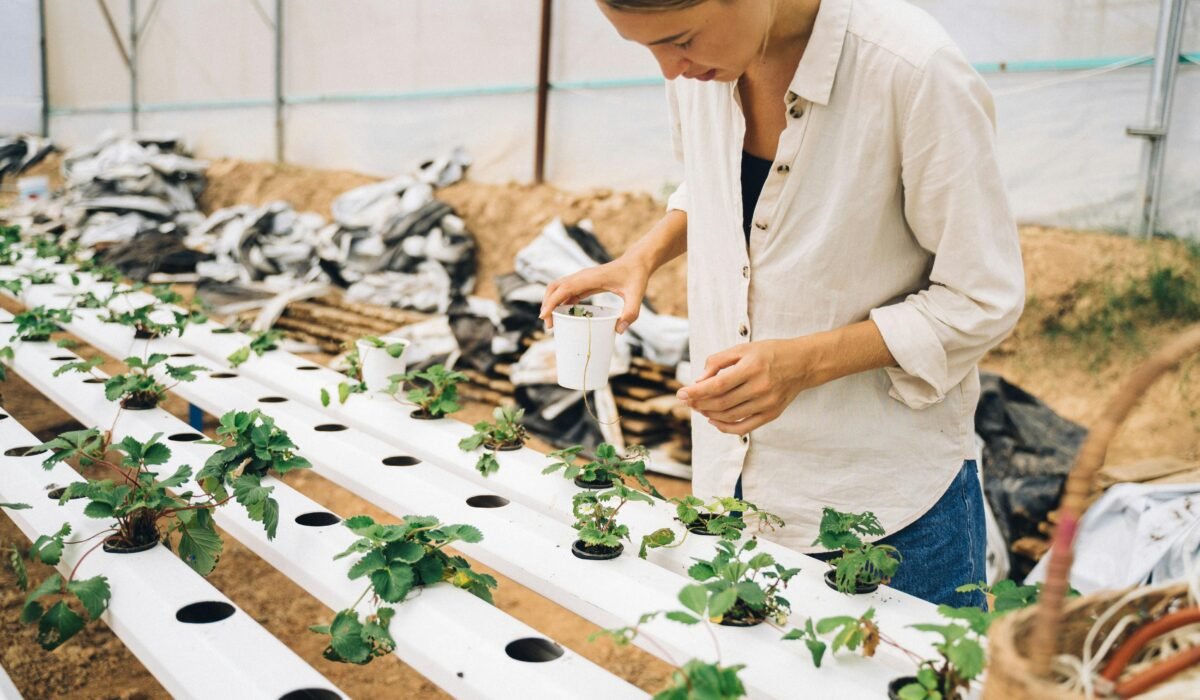
| Nutrient Film Technique (NFT) | PVC pipes/gutters, reservoir, pump, grow tray, net pots, nutrients | $80 – $150 | Leafy greens, strawberries, fast-growing crops |
| Ebb and Flow (Flood and Drain) | Reservoir, grow tray, pump, timer, growing medium, nutrients | $90 – $150 | Wide variety of plants, efficient nutrient delivery |
| Dutch Bucket System | Buckets, reservoir, pump, drip lines, growing medium (perlite), nutrients | $100 – $200 | Tomatoes, cucumbers, peppers, vine crops |
Step 1: Kratky Method: The Simplest DIY Hydroponic Systems Budget Build
The Kratky Method is a passive system perfect for beginners, requiring no pumps or electricity. This makes it an incredibly appealing **DIY hydroponic systems budget** option. You simply set it up and let the plants grow, with minimal intervention needed.
* Materials: A dark 5-gallon bucket or opaque container with a lid, 3-inch net pots, rockwool or coco coir, hydroponic nutrients.
* Assembly: Drill holes in the lid for net pots. Fill the container with nutrient solution, ensuring the net pots with seedlings touch the solution. As the plant grows, the water level drops, creating an air gap for roots.
* Why it works: The plant consumes the nutrient solution, and as the level recedes, it naturally exposes the roots to air, providing oxygen without a pump.
Step 2: Deep Water Culture (DWC) DIY Hydroponic Systems Budget
Deep Water Culture (DWC) is a popular and relatively easy active system where plant roots are submerged in an oxygenated nutrient solution. This is a highly effective **DIY hydroponic systems budget** choice. The continuous oxygen supply promotes rapid growth.
* Materials: Opaque plastic storage bin (reservoir), lid, air pump, air stone, airline tubing, 3-inch net pots, rockwool, hydroponic nutrients.
* Assembly: Drill holes in the lid for net pots. Attach the air stone to the air pump with tubing and place it at the bottom of the reservoir. Fill with nutrient solution. Place seedlings in net pots, ensuring roots are submerged.
* Why it works: The air pump continuously bubbles oxygen into the solution, preventing root rot and boosting nutrient uptake.
Step 3: Wick System: Low-Cost Hydroponic Garden Plans
A wick system is another passive method, drawing nutrient solution up to the growing medium via a wick. It’s an excellent choice for a very small **DIY hydroponic systems budget** and for smaller plants. This simplicity makes it a favorite for educational projects.
* Materials: Two containers (one for reservoir, one for growing tray), wicking material (felt strips, nylon rope), growing medium (perlite, coco coir), hydroponic nutrients.
* Assembly: Place the reservoir below the grow tray. Run wicks from the nutrient solution in the reservoir up into the growing medium in the tray. Plant seedlings.
* Why it works: Capillary action draws the nutrient solution up the wick, passively feeding the plants without electricity.
Step 4: Drip System (Top-Feed) Homemade Hydroponic Systems Materials
A drip system, also known as a top-feed system, delivers nutrient solution directly to the base of each plant through small drippers. This offers precise control over feeding, making it a versatile **DIY hydroponic systems budget** option, especially for larger setups.
* Materials: Reservoir, submersible pump, main tubing, smaller drip lines, drippers, grow tray/individual containers, growing medium (rockwool, coco coir), timer, hydroponic nutrients.
* Assembly: Place the reservoir below the grow tray. Connect the pump to the main tubing, then branch off with drip lines to each plant. Set the timer to cycle the pump for regular feedings.
* Why it works: Plants receive consistent, controlled nutrient delivery, and excess solution drains back to the reservoir for recirculation, minimizing waste.
Step 5: Nutrient Film Technique (NFT) Easiest DIY Hydroponic System to Build
NFT systems involve a thin film of nutrient solution flowing over the roots of plants in a sloped channel. While slightly more involved, it’s a very efficient **DIY hydroponic systems budget** for leafy greens and herbs. The constant flow ensures excellent oxygenation.
* Materials: Reservoir, submersible pump, PVC pipes or gutters (channels), end caps, net pots, hydroponic nutrients.
* Assembly: Create sloped channels (e.g., from PVC pipes) with holes for net pots. Position the reservoir at the lower end. Pump nutrient solution from the reservoir to the high end of the channels, allowing it to flow down and return to the reservoir.
* Why it works: The thin film of solution provides nutrients while ensuring roots have ample access to oxygen in the air gap above the film.
Step 6: Ebb and Flow (Flood and Drain) DIY Hydroponic Systems Budget
Ebb and Flow systems periodically flood a grow tray with nutrient solution, then drain it back to the reservoir. This cycle provides nutrients and oxygen, making it a robust **DIY hydroponic systems budget** for a wide range of plants. It’s a dynamic system that mimics natural watering.
* Materials: Reservoir, grow tray, submersible pump, timer, overflow fitting, hydroponic nutrients, growing medium (hydroton, rockwool).
* Assembly: Place the grow tray above the reservoir. Install an overflow fitting in the grow tray to control flood depth. Connect the pump to the grow tray. Set the timer to flood the tray several times a day, allowing it to drain completely between cycles.
* Why it works: The flooding delivers nutrients and water, while the draining pulls fresh air into the root zone, providing essential oxygen.
Step 7: Dutch Bucket System: Vertical Hydroponics Budget
The Dutch Bucket system (also known as Bato Bucket) is excellent for larger, fruiting plants like tomatoes and cucumbers. It’s a scalable **DIY hydroponic systems budget** that can be adapted for vertical growth. Each bucket acts as an individual growing unit.
* Materials: Individual 5-gallon buckets with lids, reservoir, submersible pump, main feeder line, smaller drip lines, drain line, growing medium (perlite, coco coir), hydroponic nutrients.
* Assembly: Connect multiple buckets in a line, each with a drip emitter and an elbow drain fitting at the bottom. The drain lines connect to a common return line that leads back to the reservoir. The pump cycles nutrient solution through the drip emitters, feeding each plant.
* Why it works: Plants receive a continuous drip feed, and excess solution drains away, preventing waterlogging while allowing for easy scalability. VIVOSUN offers components suitable for building durable and modular systems like this.
How Much Does a Small Hydroponic System Cost to Build?
A small **DIY hydroponic systems budget** can range from as little as $20 for a basic Kratky setup to around $150 for a more complex Ebb and Flow or NFT system. The cost primarily depends on the complexity of the system, the extent of repurposed materials used, and whether you need to purchase grow lights. Demeter Guides highlights that the Kratky method, requiring a 5-gallon bucket, net pots, growing medium, nutrients, and a pH kit, can cost potentially less than $100 (undated).
In my experience, many first-time growers underestimate the cost of quality nutrients and a pH testing kit, which are essential for success. While a basic **DIY hydroponic systems budget** focuses on hardware, don’t skimp on these crucial consumables. Investing in good quality nutrients ensures your plants receive everything they need.
When planning your **DIY hydroponic systems budget**, consider the long-term operational costs as well, such as electricity for pumps and lights, and ongoing nutrient purchases. These recurring expenses, though small individually, add up over time. However, the savings on fresh produce often outweigh these costs.
Many components can be found cheaply or even free. For instance, plastic food containers can become mini reservoirs, and old T-shirts can be cut into wicks. This creative approach to sourcing materials is key to keeping your **DIY hydroponic systems budget** truly minimal.
Choosing the Best Plants for Your Budget DIY Setup
Choosing the right plants for your **DIY hydroponic systems budget** setup is crucial for maximizing success and yield, especially when starting out. Fast-growing, non-fruiting plants are generally the easiest and most forgiving for beginners, requiring less complex nutrient profiles and simpler system designs. The lettuce and leafy vegetables segment comprised 45.5% of the hydroponics market in 2025, driven by rapid growth cycles and consistent market demand (Market Data Forecast, 2026).
Here are some top recommendations for your **DIY hydroponic systems budget**:
* Leafy Greens: Lettuce (Romaine, Butterhead, Loose Leaf), spinach, kale, Swiss chard. These thrive in most simple systems like Kratky, DWC, and NFT, offering quick harvests.
* Herbs: Basil, mint, cilantro, parsley, chives. Herbs are excellent for small-scale systems and provide a continuous supply for your kitchen. They are perfect for a compact **DIY hydroponic systems budget**.
* Fruiting Plants (for more advanced budget builds):
* Strawberries: Ideal for NFT or vertical systems.
* Cherry Tomatoes: Can do well in DWC or Dutch Bucket systems, though they require more light and a carefully balanced nutrient solution.
* Cucumbers: Another good candidate for Dutch Bucket systems.
What most people miss is that starting with plants suitable for your chosen system type significantly reduces potential headaches. Trying to grow large fruiting plants in a tiny wick system, for example, will likely lead to disappointment and wasted resources. Match your ambition to your **DIY hydroponic systems budget** and capacity.
Consider the space and light availability when selecting plants. If you’re using a small **DIY hydroponic systems budget** setup indoors without powerful grow lights, focus on low-light tolerant leafy greens. For a comprehensive guide, check out our article on Best Hydroponic Plants.
Common Troubleshooting Tips for DIY Hydroponics
When working with **DIY hydroponic systems budget** builds, you’re bound to encounter a few challenges, but most issues have simple, budget-friendly solutions. The key is early detection and understanding the root cause. My 10+ years in gardening have taught me that patience and observation are your best tools.
One of the most frequent problems is nutrient imbalance or pH fluctuations. Always have a reliable pH testing kit and pH Up/Down solutions on hand. Aim for a pH range of 5.5-6.5 for most plants. Regular monitoring, ideally daily for new systems, can prevent major issues. For more on this, see our guide on Identify Plant Nutrient Deficiencies.
Addressing Common Problems in Your DIY Hydroponic Systems Budget
* Algae Growth: This is common in systems where light reaches the nutrient solution. Algae compete with your plants for nutrients and oxygen.
* Solution: Ensure your reservoir and tubing are opaque. Paint clear containers dark or cover them with reflective material. Reduce light exposure to the nutrient solution.
* Root Rot: Often caused by insufficient oxygen in Deep Water Culture (DWC) systems or stagnant water.
* Solution: Increase air pump strength or add another air stone. Ensure water temperatures are cool (65-72°F or 18-22°C). For Kratky, ensure roots have an air gap.
* Pests: Even indoors, pests can find their way.
* Solution: Regularly inspect plants. Introduce beneficial insects if feasible for your **DIY hydroponic systems budget**, or use organic pest control methods. Check out our advice on Organic Pest Control Indoor Plants.
* Nutrient Burn/Deficiency: Yellowing leaves, stunted growth, or crispy leaf tips.
* Solution: Monitor EC/TDS levels if you have a meter. Otherwise, follow nutrient manufacturer’s recommendations. Flush the system with plain water, then refill with a fresh, weaker nutrient solution if burn is suspected. Adjust solution strength gradually.
* Pump Failure or Leaks: Especially in **DIY hydroponic systems budget** builds, connections can be imperfect.
* Solution: Regularly check all connections and tubing for leaks. Keep a spare, inexpensive pump on hand if possible. Use silicone sealant for minor leaks.
In practice, a little bit of preventative maintenance goes a long way. Regularly cleaning your system, refreshing nutrient solutions, and simply observing your plants daily can help you catch problems before they become severe. This proactive approach saves time and money for your **DIY hydroponic systems budget**.
Can You Grow Hydroponically with Just Water?
No, you cannot grow hydroponically with just plain water; plants require essential nutrients dissolved in the water to thrive. While water is the medium, it acts as a carrier for the minerals plants absorb, which are typically absent in sufficient quantities in tap or distilled water. “Hydroponic production is a method of growing plants without soil,” but it fundamentally relies on a nutrient-rich solution, as noted by the USDA (undated).
The short answer is that pure water lacks the vital macronutrients (like nitrogen, phosphorus, and potassium) and micronutrients (like iron, magnesium, and calcium) that plants need for photosynthesis, growth, and fruit production. Without these, plants will quickly become deficient and eventually die, regardless of your **DIY hydroponic systems budget**.
You need a specially formulated hydroponic nutrient solution, which comes in concentrated liquid or powder form. These solutions are designed to provide a balanced diet for your plants. While homemade solutions exist, commercial hydroponic nutrients are typically more reliable and easier to use for beginners.
Some might confuse growing with just water with starting seeds in water, which is a temporary measure. Once seedlings develop a few true leaves, they absolutely need nutrients. This is a critical distinction for anyone planning a successful **DIY hydroponic systems budget**.
Long-Term Benefits: Saving Money & Sustaining Your Garden
Investing your time into **DIY hydroponic systems budget** builds offers substantial long-term benefits, not just in saving money on groceries but also in fostering a sustainable and resilient gardening practice. Once the initial setup is complete, the operational costs are significantly lower than continually buying produce from stores, especially for specialty or organic items. The global hydroponics market is projected to grow to $19.47 billion in 2026, increasing at a CAGR of 13.2%, according to The Business Research Company (2026), indicating a strong trend towards this efficient growing method.
From my perspective, the most compelling long-term benefit is the sheer volume of fresh, healthy food you can produce in a small footprint. This self-sufficiency reduces your reliance on external food systems, providing peace of mind and access to pesticide-free produce. A well-maintained **DIY hydroponic systems budget** can deliver continuous harvests.
Beyond the direct financial savings, hydroponics is inherently more sustainable. It uses up to 90% less water than traditional soil gardening, a critical advantage in regions facing water scarcity. This efficiency makes your **DIY hydroponic systems budget** an environmentally responsible choice.
Repurposing materials for your **DIY hydroponic systems budget** also contributes to sustainability by diverting waste from landfills. Old buckets, containers, and even PVC pipes find a new life as productive parts of your garden, embodying a truly circular economy approach.
The educational aspect is also invaluable. As you maintain your **DIY hydroponic systems budget**, you gain a deeper understanding of plant physiology, nutrient management, and environmental control. This knowledge empowers you to adapt and innovate, making your gardening journey even more rewarding.
Frequently Asked Questions
What is the cheapest way to make a hydroponic system?
The cheapest way to make a hydroponic system is typically the Kratky method, which requires minimal materials and no electricity. A basic Kratky setup can cost less than $100, needing only a dark container, net pots, a growing medium, and nutrient solution (Demeter Guides, undated). This passive system is ideal for beginners and a tight **DIY hydroponic systems budget**.
What are the 7 main types of hydroponics?
The 7 main types of hydroponics commonly discussed are Wick System, Deep Water Culture (DWC), Nutrient Film Technique (NFT), Ebb and Flow (Flood and Drain), Drip System, Aeroponics, and Dutch Bucket System. Each offers unique advantages in terms of complexity, cost, and suitability for different plants, making them viable for a **DIY hydroponic systems budget**. These methods utilize varied approaches to deliver nutrient-rich water directly to plant roots.
Can you do hydroponics with just water?
No, you cannot do hydroponics with just water; plants require a precisely balanced nutrient solution dissolved in the water. Plain water lacks the essential macro and micronutrients necessary for plant growth and survival (USDA, undated). A proper hydroponic nutrient solution is fundamental for any **DIY hydroponic systems budget** to succeed.
How much does it cost to set up a small hydroponic system?
The cost to set up a small hydroponic system can range from $20 for a very basic Kratky system to $150 for a more automated Ebb and Flow or NFT setup. This cost depends on the system type, whether materials are repurposed, and the need for grow lights. A well-planned **DIY hydroponic systems budget** leverages existing resources to minimize expenses.
What is the easiest DIY hydroponic system to build?
The easiest **DIY hydroponic systems budget** to build are generally the Kratky Method and the Wick System, as both are passive and require no pumps or electricity. The Kratky method, in particular, involves simply suspending plants with their roots in a nutrient solution, making it incredibly straightforward for beginners. These systems offer a low barrier to entry for aspiring hydroponic gardeners.
Embarking on your journey with **DIY hydroponic systems budget** builds is a fantastic way to enjoy fresh, healthy produce while saving money and embracing sustainable practices. By choosing the right system for your needs and following these practical steps, you’ll soon be harvesting your own crops with confidence. Start small, learn as you grow, and watch your budget-friendly garden flourish.







