
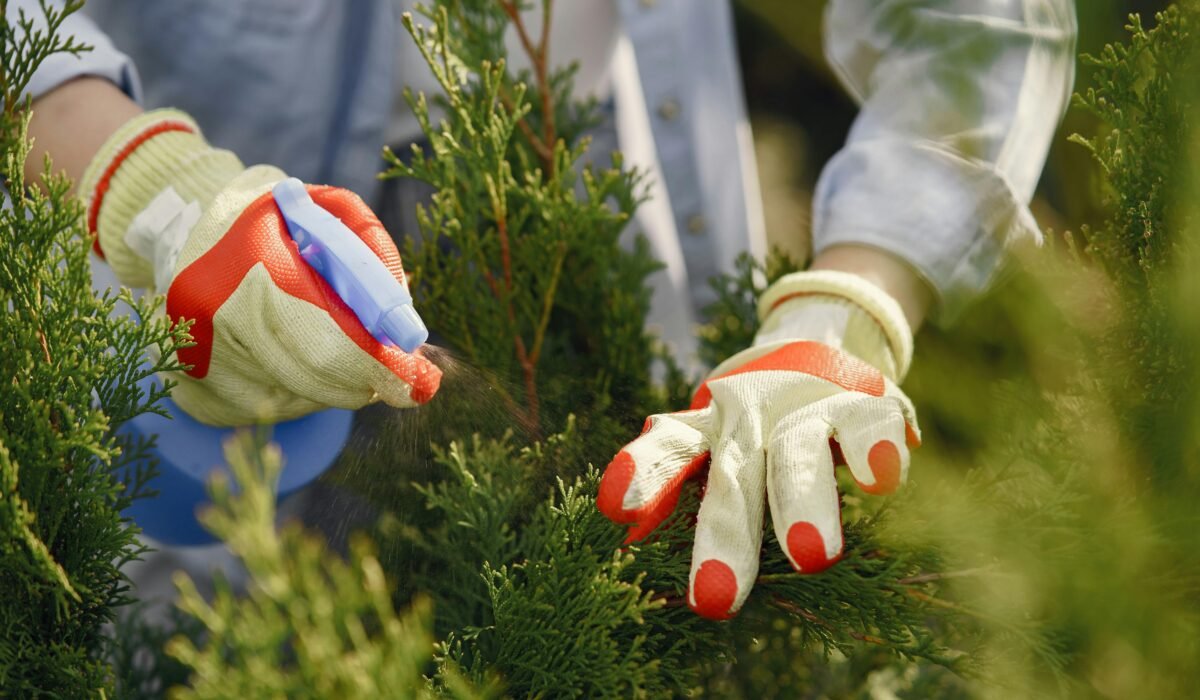
Are you tired of seeing your precious garden plants munched on by pests, but dread reaching for harsh chemical sprays? Do you dream of a vibrant, healthy garden that thrives without synthetic intervention? Then you’re in the right place to learn about DIY Organic Pest Control.
Embracing natural pest remedies is not just a trend; it’s a powerful way to cultivate a garden that’s safe for your family, pets, and the environment. This guide will walk you through effective, eco-friendly pest solutions, empowering you to protect your plants the natural way.
Understanding Organic Pest Control: Principles & Prevention
At its heart, organic pest control is about working *with* nature, not against it. It’s a holistic approach that prioritizes prevention and creating a balanced ecosystem in your garden. Think of it as building a healthy immune system for your plants, rather than just treating symptoms.
The core idea is to make your garden a less appealing place for pests and a welcoming haven for their natural enemies. This means focusing on long-term plant disease prevention and overall garden health. I’ve found that a little foresight goes a long way in keeping bugs at bay.
The Foundation: Healthy Soil, Healthy Plants
The single most important step in preventing pests organically is building healthy soil. Rich, living soil provides plants with all the nutrients they need, making them stronger and more resilient to pest attacks. Plants grown in poor soil are often stressed, sending out signals that attract pests.
Regenerative practices, like no-till gardening and cover cropping, are gaining traction because they preserve soil structure and enhance microbial life. Composting, especially vermiculture (composting with worms), is a fantastic way to improve soil fertility and boost your plants’ natural defenses. You can even supercharge your soil with nutrients by using compost tea.
Smart Planting Strategies
Choosing the right plants for your climate and conditions is crucial. Native plants, for instance, are better adapted to local environments and often more resistant to regional pests. They also attract beneficial garden insects, which are essential for natural pest control.
Crop rotation is another powerful preventative tool. By not planting the same crop in the same spot year after year, you break the life cycles of pests specific to that plant. This simple act can significantly reduce pest populations before they even start.
Top DIY Organic Pest Control Recipes for Your Garden
When prevention isn’t quite enough, homemade insect spray recipes can come to the rescue. These natural pest remedies use common household ingredients to deter or eliminate pests without resorting to harsh chemicals. Always test any spray on a small part of the plant first to ensure it doesn’t cause damage.
Here are some of my go-to recipes for effective DIY organic pest control:
- Neem Oil Spray: This is a superstar in organic gardening. Neem oil for plants works as a deterrent, disrupting insect feeding and reproduction. It’s effective against aphids, spider mites, whiteflies, and fungus gnats.
- Mix 1-2 tablespoons of cold-pressed neem oil with one gallon of water.
- Add 1/2 teaspoon of mild liquid dish soap (like Castile soap) as an emulsifier to help the oil mix with water.
- Spray thoroughly, covering all leaf surfaces, especially undersides, every 5-7 days until pests are controlled.
- Insecticidal Soap Spray: Perfect for soft-bodied pests like aphids, mealybugs, thrips, and whiteflies. The soap breaks down their outer coating, causing dehydration.
- Combine 1-2 teaspoons of mild liquid soap (again, Castile soap is ideal) per gallon of water.
- Mix well and spray directly onto pests. Reapply as needed, typically every few days.
- Garlic-Chili Garden Spray: This pungent spray acts as a strong repellent for a wide range of chewing insects.
- Blend 2-3 whole garlic bulbs and 10-12 hot peppers (or 2-3 tablespoons of hot pepper flakes) with a cup of water until smooth.
- Steep the mixture overnight in a gallon of water.
- Strain the liquid through cheesecloth or a fine mesh sieve.
- Add 1 tablespoon of mild dish soap to the strained liquid.
- Spray on plants to deter caterpillars, cabbage worms, ants, aphids, beetles, and cutworms.
- Tomato Leaf Spray: Surprisingly, tomato leaves contain natural compounds (solanine and tomatine) that deter soft-bodied pests and chewing insects.
- Chop about two cups of fresh tomato leaves.
- Soak them in one quart of water overnight.
- Strain the liquid and use it as a spray.
Remember, consistency is key with these natural pest remedies. They often require more frequent application than synthetic options because they break down faster.
Beyond Sprays: Physical Barriers & Beneficial Insects
While sprays are helpful, the smartest eco-friendly pest solutions often involve methods that don’t even require mixing a recipe. Physical barriers and inviting beneficial garden insects are incredibly effective strategies. I’ve seen firsthand how much healthier my plants are when I integrate these approaches.
Creating Physical Defenses
Physical barriers literally block pests from reaching your plants. They are a fantastic way to practice plant disease prevention without any sprays at all.
- Floating Row Covers: These lightweight, translucent fabrics are draped over plants, preventing insects like cucumber beetles, squash bugs, and cabbageworms from landing and laying eggs. They are highly effective, with over 80% of gardeners reporting success against common pests.
- Hand-Picking: For larger pests like tomato hornworms or slugs, sometimes the simplest solution is to put on gloves and pick them off by hand. Drop them into a bucket of soapy water.
- Sticky Traps: Yellow sticky traps are great for monitoring and catching flying insects like whiteflies, fungus gnats, and even cucumber beetles. Place them near affected plants.
- Beer Traps: For slugs and snails, shallow dishes filled with beer (or a mixture of yeast and sugar water) can attract and drown them.
Welcoming Beneficial Insects
This is where the magic of a balanced ecosystem truly shines. Beneficial insects are your garden’s natural allies, preying on or parasitizing common garden pests. Attracting them is a cornerstone of effective organic gardening tips.
* Plant Pollinator-Friendly Flowers: Flowers like dill, fennel, cilantro (if you let it bolt!), calendula, and cosmos attract ladybugs, lacewings, and parasitic wasps – all voracious pest eaters.
* Provide Water Sources: A shallow dish of water with some pebbles for landing spots can attract beneficials.
* Avoid Broad-Spectrum Sprays: Even organic sprays can harm beneficial insects. Use targeted treatments only when necessary, and apply them in the evening when beneficials are less active.
Are Organic Methods Truly Effective? Debunking Common Myths
A common concern I hear is whether organic pest control methods can truly stand up to severe infestations. There’s a persistent myth that “natural” means “weak” or “slow.” Let’s tackle that head-on.
Effectiveness and Speed
It’s true that organic methods might not always offer the “overnight knockdown” of synthetic chemicals. However, studies show that balanced insect populations in organic plots can lead to significantly lower pest densities and healthier plants compared to conventional plots. For instance, Bacillus thuringiensis (Bt) is rated 95% effective for controlling imported cabbageworms. Spinosad, another organic option, achieves a 79% effectiveness rating.
The key to success with DIY organic pest control is consistency and early intervention. Integrated Pest Management (IPM), which is a core organic strategy, is highly effective because it combines multiple approaches – prevention, monitoring, and targeted treatments.
“Natural” Doesn’t Always Mean “Harmless”
This is perhaps the most dangerous misconception. While we strive for eco-friendly pest solutions, it’s vital to remember that “natural” does not automatically equate to “safe” for humans, pets, or beneficial insects. For example, essential oil concentrates can cause skin irritation, and botanical insecticides like pyrethrin can trigger allergic reactions. Even neem oil, while generally safe, should be handled with care and applied according to instructions.
Always read labels, follow dilution rates precisely, and wear protective gear when applying any pest control product, whether homemade or commercial. My personal rule is, if I wouldn’t want it on my skin, I’ll wear gloves.
Organic Gardening Can Use Pesticides (Sometimes)
Another myth is that organic gardening means *no* pesticides whatsoever. The USDA Organic Standards actually allow for the use of certain naturally derived pesticides (biopesticides) when preventative and mechanical methods aren’t enough. These are typically substances that break down quickly and have minimal environmental impact.
The goal is to use them as a last resort, after exhausting all other options. This aligns with the holistic approach: prevent first, manage second, treat as a final measure.
Building Long-Term Pest Resilience: Soil Health & Ecosystem Balance
True success in organic gardening isn’t just about fighting off pests; it’s about creating a garden that naturally resists them. This means focusing on the big picture: soil health and fostering a balanced ecosystem. This approach offers the most sustainable and rewarding organic gardening tips.
Deep Dive into Soil Health
Beyond just adding compost, think about how to actively build a robust soil microbiome. A diverse community of microorganisms in the soil helps plants absorb nutrients more efficiently and can even trigger their natural defense mechanisms against pests.
* No-Till Gardening: Minimizing soil disturbance helps preserve the intricate fungal and bacterial networks that support plant health.
* Cover Cropping: Planting cover crops during off-seasons adds organic matter, prevents erosion, and can suppress weeds and soil-borne pests.
* Mulching: A good layer of organic mulch retains moisture, moderates soil temperature, and slowly breaks down to feed the soil.
Healthy soil leads to healthy plants, and healthy plants are far less susceptible to pest attacks. It’s a foundational principle that I continually return to in my own garden.
Fostering a Balanced Ecosystem
Your garden is a miniature ecosystem. The more diverse and balanced it is, the less likely any single pest species will get out of control. This is where growing edible flowers and other diverse plant types comes into play.
* Biodiversity: Plant a wide variety of plants, including different types of vegetables, herbs, and flowers. This attracts a broader range of beneficial insects and makes it harder for specialized pests to thrive. Consider companion planting, where certain plants deter pests from their neighbors. For example, marigolds are known to repel nematodes.
* Water Conservation: Practices like drip irrigation and rainwater harvesting not only save water but also prevent overwatering, which can lead to fungal issues and attract certain pests. Climate-smart growing involves selecting drought-tolerant plants that can handle unpredictable weather patterns.
* Garden Pest Identification: Learn to identify both the pests and the beneficial insects in your garden. Knowing who’s who allows you to make informed decisions about when and how to intervene, protecting your allies while targeting your foes.
Navigating Commercial Organic Products: What You Need to Know
Sometimes, despite your best DIY efforts and preventative measures, you might face a pest challenge that calls for a commercial solution. The good news is that there’s a growing market for approved organic pest control products. However, not all “natural” products are created equal, and it’s essential to understand what you’re buying.
Understanding Labels and Certifications
When looking for commercial organic pesticides, always check for certifications. In the U.S., look for products approved by the Organic Materials Review Institute (OMRI Listed®) or those that state they are compliant with the USDA National Organic Program (NOP) standards. These certifications ensure that the ingredients and manufacturing processes meet strict organic guidelines.
Don’t be fooled by labels that just say “natural” or “eco-friendly” without specific certifications. These terms are often marketing ploys and don’t guarantee organic compliance or safety.
Common Commercial Organic Pesticides
Several well-researched and effective organic pesticides are available commercially. These are often concentrates of the active ingredients found in DIY recipes or naturally occurring biological agents.
* Neem Oil: Commercial formulations are often standardized for consistent effectiveness.
* Spinosad: A natural fermentation product that affects the nervous system of insects. It’s effective against thrips, caterpillars, spider mites, mosquitoes, and fruit flies.
* Bacillus thuringiensis (Bt): A naturally occurring soil bacterium that specifically targets certain insect larvae, like caterpillars (Bt-k) or mosquito larvae (Bt-i), by breaking down their gut lining. It’s highly selective, making it safe for beneficial insects.
* Pyrethrin: Derived from chrysanthemums, pyrethrin attacks the insect’s nervous system. It offers a quick knockdown but has low residual effect. *Caution: Pyrethrin can be harmful to beneficial insects and aquatic life, so use with extreme care.*
Cost-Benefit: DIY vs. Commercial
A common content gap in many articles is a comparison between homemade solutions and commercial organic products. DIY organic pest control recipes are generally more cost-effective upfront, as they use inexpensive household ingredients. However, they can be less consistent in potency and may require more frequent application due to shorter residual effects. They also lack the rigorous safety testing of commercial products.
Commercial organic pesticides, while more expensive, offer standardized concentrations, often better efficacy, and clearer application instructions. They are also formulated for stability and sometimes include advanced technologies like nano-encapsulation to enhance durability. The choice often comes down to your budget, time, and the severity of the pest problem. For a serious infestation, a commercial product might be more reliable.
Frequently Asked Questions
Are organic pest control methods truly effective, especially for severe infestations?
Yes, organic pest control methods are highly effective, even for severe infestations, when implemented as part of an Integrated Pest Management (IPM) strategy. This means combining prevention, physical barriers, beneficial insects, and targeted organic sprays. While they might not offer an instant “knockdown” like synthetic chemicals, consistent application and a holistic approach can successfully manage and even eliminate major pest problems over time. Many natural treatments, like specific Bt strains for caterpillars, are proven to be as effective as conventional options for their target pests.
What are the safest and most effective DIY organic pest control recipes using common household ingredients?
The safest and most effective DIY recipes include Neem oil spray, insecticidal soap spray (using mild liquid soap), and garlic-chili garden spray. These use ingredients readily available in most homes and target a wide range of common pests like aphids, spider mites, whiteflies, and caterpillars. Always remember to test any homemade spray on a small part of your plant first to ensure it doesn’t cause damage, and wear protective gear during application.
How often do I need to reapply organic pest control sprays, and how long do they last compared to synthetic options?
Organic pest control sprays generally have a shorter residual effect compared to synthetic options, typically breaking down within 3-7 days due to sunlight and microbial activity. This means more frequent reapplication is often necessary, usually every 5-7 days, especially during active pest periods or after rain. Synthetic pesticides can persist for weeks or even months. The shorter residual effect of organic products is a benefit for the environment but requires more diligence from the gardener.
Are “natural” or “organic” pesticides always safe for humans, pets, and beneficial insects?
No, “natural” or “organic” does not automatically mean entirely safe or harmless. Many natural substances can be toxic if used improperly, in high concentrations, or if they come into contact with non-target organisms. For example, while neem oil is generally safe, concentrated essential oils can cause irritation, and botanical insecticides like pyrethrin can harm beneficial insects and trigger allergies. Always follow instructions carefully, wear appropriate protective gear, and apply treatments responsibly to minimize risks to humans, pets, and beneficial wildlife.
Embracing DIY Organic Pest Control is a journey towards a healthier, more vibrant garden. By understanding the principles of prevention, utilizing natural pest remedies, and fostering a balanced ecosystem, you’re not just fighting pests—you’re cultivating resilience. Start experimenting with these eco-friendly pest solutions today, and watch your garden thrive naturally. Happy gardening!







