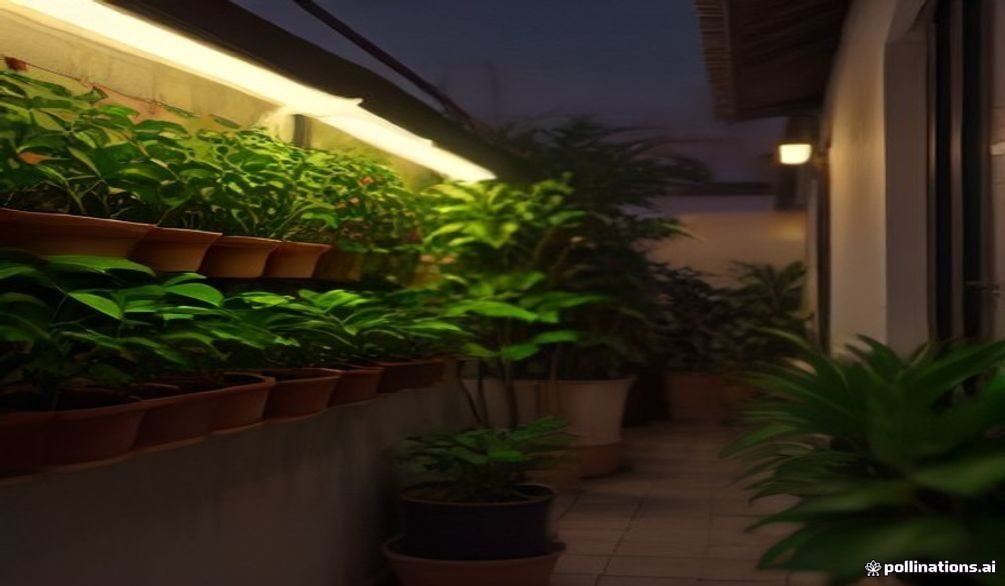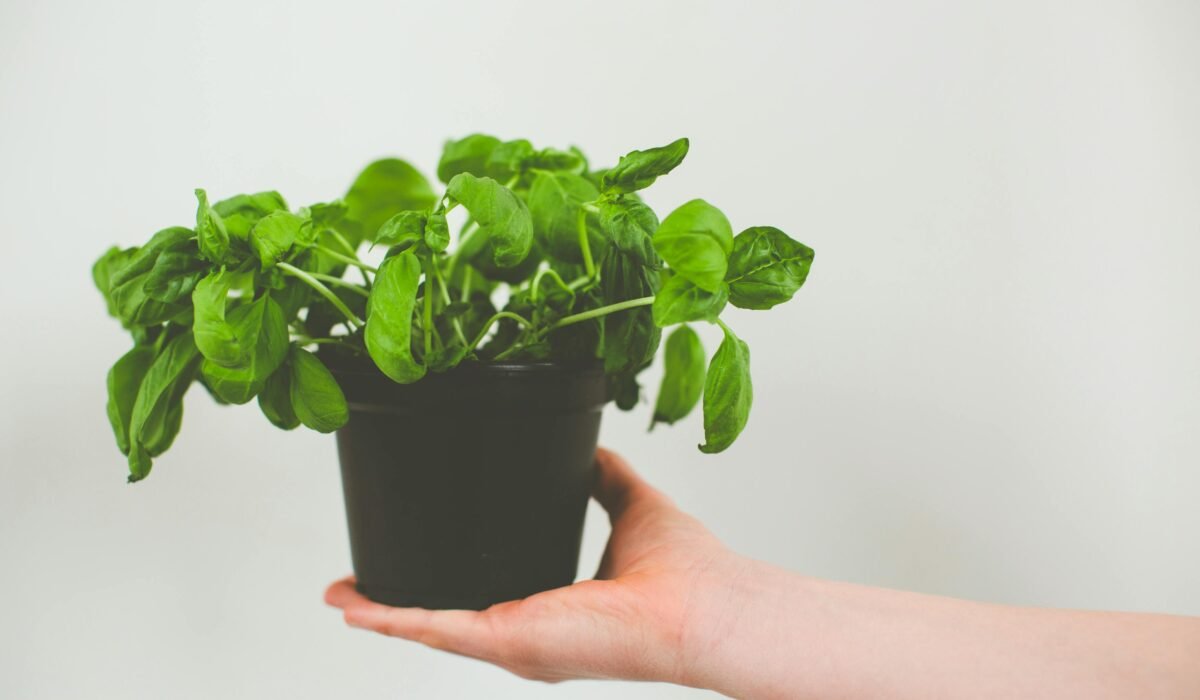
Tired of store-bought herbs that wilt too quickly, or dreaming of fresh flavors just steps from your kitchen? You’re in luck! Growing culinary herbs in pots is a wonderfully rewarding and accessible way to bring vibrant taste and aroma into your home, no matter how small your space. Whether you have a sunny windowsill, a cozy balcony, or a sprawling patio, container gardening makes fresh herbs a reality for everyone.
Choosing the Best Herbs for Your Pots & Beginners
Starting your container herb garden is exciting, and choosing the right plants sets you up for success. For beginners, the key is to pick herbs that are forgiving and thrive in pots. Many popular culinary herbs adapt beautifully to container life, offering a constant supply of fresh flavor.
My first attempt at an indoor herb garden involved a tiny pot of basil that quickly withered. I learned that choosing the right variety and understanding its basic needs makes all the difference! Here are some of the best herbs for pots, especially if you’re just starting out:
- Basil: A warm-weather annual, basil (like Genovese or Spicy Bush) loves sunshine and consistent moisture. It’s fantastic for Italian dishes and pestos.
- Chives: These oniony delights are hardy perennials and grow well in containers, providing a delicate flavor for salads and garnishes.
- Mint: While easy to grow, mint is incredibly aggressive. Always plant different mint varieties (like Mojito or Peppermint) in their own separate pots to prevent them from taking over other plants.
- Oregano: A robust Mediterranean herb, oregano (Greek or Italian) thrives in well-drained soil and plenty of sun.
- Parsley: Both flat-leaf and curly parsley do well in pots, preferring consistent moisture and a bit of afternoon shade in hot climates.
- Rosemary: This woody Mediterranean herb (try Huntington Carpet for a trailing effect) loves full sun and drier conditions.
- Thyme: Similar to rosemary, thyme (Lemon Thyme is a favorite) is drought-tolerant and enjoys sunny spots.
- Sage: Another Mediterranean favorite, sage is easy to grow and adds an earthy flavor to many dishes.
Other great options for your balcony herb garden or sunny windowsill include dill, cilantro, lemon balm, and even lemongrass, provided they get enough light and the right conditions. Don’t be afraid to experiment!
Essential Container Setup: Pots, Soil, and Drainage
The foundation of successful container herb gardening lies in choosing the right pots and potting mix. Proper drainage is paramount – without it, your herbs are susceptible to root rot, a common killer of potted plants. I remember what surprised me most when I started was just how quickly plants can drown without proper drainage!
Choosing the Right Pots
When selecting containers, always ensure they have drainage holes at the bottom. If a pot doesn’t have them, you’ll need to drill some yourself. Terracotta pots look lovely and allow roots to breathe, but they dry out faster. Plastic or glazed ceramic pots retain moisture longer, which can be a blessing in hot climates or a curse if you tend to overwater. For beginners, containers at least 12 inches wide and 12 inches deep are advised to prevent rapid drying and provide ample root space.
While smaller pots (e.g., 10-inch diameter) can work for single, compact herbs, larger containers (e.g., 18-inch diameter) are generally recommended for grouping multiple herbs. They offer more soil volume, which means more consistent moisture and less frequent watering.
The Perfect Potting Mix for Herbs
Forget about using garden soil in your pots. Garden soil is too dense, compacts easily, and can harbor pests or diseases. For potting up seedlings or mature herbs, a high-quality, well-draining potting mix is essential. Look for mixes that are light and airy, designed specifically for containers.
Ideal potting mixes often include components like peat, perlite, vermiculite, coco coir, compost, and biochar. These ingredients improve aeration, drainage, and moisture retention, creating a perfect environment for herb roots. For example, a good peat-free mix might consist of 1 part compost, 1 part OMRI listed coconut coir, and 1 part rice hulls or perlite. You can also find specialized herb soil mixes that are formulated to provide optimal nutrients and drainage.
One common misconception is filling the bottom of large containers with filler material like gravel or broken pots to “improve drainage.” This is actually a myth! It can create a perched water table, causing water to pool and potentially leading to root rot. Always fill your containers entirely with potting mix for the best results.
Sunlight & Watering: Keeping Your Potted Herbs Healthy
Sunlight and proper watering are the lifeblood of healthy potted herbs. Get these two elements right, and you’re well on your way to a thriving container garden. It’s amazing how a little sun can transform a droopy plant into a vibrant one!
The Sunshine Your Herbs Crave
Most culinary herbs are sun-worshippers, thriving on at least 6 hours of direct sunlight daily. Think about where they grow naturally – often in sunny, open fields. Mediterranean herbs like rosemary, thyme, and oregano are particularly fond of full sun.
However, some herbs, such as mint and parsley, can tolerate as little as 4 hours of direct sun, or even appreciate some afternoon shade in scorching climates. If you’re growing an indoor herb garden, a south-facing window is usually ideal. If natural light is limited, consider supplementing with a grow light to ensure your herbs get the energy they need.
How to Water Potted Herbs (and Avoid Overwatering)
Here’s the thing about watering: it’s often where new gardeners go wrong. Overwatering is a more common issue than underwatering, especially in containers without adequate drainage. The golden rule for most potted herbs is to water when the top 1-2 inches of soil feel dry to the touch.
When you water, do so thoroughly until you see water draining from the bottom of the pot. This ensures that moisture reaches all the roots. Don’t let your pots sit in standing water, as this can still lead to root rot. While most herbs prefer well-drained soil, some, like mint, enjoy more consistent moisture, while Mediterranean herbs prefer to dry out a bit between waterings. Always check the soil before you water.
For more detailed guidance on watering container plants, the Illinois Extension provides excellent resources that emphasize the importance of monitoring soil moisture.
Smart Grouping: Planting Compatible Herbs Together
While it might seem tempting to put all your herbs in one big pot, smart grouping can make a huge difference in their health and your harvesting success. The trick is to pair herbs that have similar needs for sunlight, water, and soil. I once tried to put mint with everything, and let’s just say it was a learning experience for the other herbs!
The Golden Rule: Isolate the Aggressors
As mentioned earlier, mint is a notorious spreader. Its vigorous root system will quickly colonize any shared space, outcompeting and often strangling other plants. Always give mint its own container. This is a crucial “container herb gardening tip” that will save you a lot of frustration.
Group by Similar Needs
For other herbs, think about their natural habitats. This helps you understand their preferences:
- Mediterranean Medley: Rosemary, thyme, oregano, and sage all hail from dry, sunny climates. They love full sun and well-drained soil that dries out between waterings. These make a perfect grouping for a large pot on a sunny patio.
- Moisture Lovers: Parsley, cilantro, and chives generally prefer more consistent moisture and can tolerate a bit less direct sun. They can often be happy together in a slightly larger container, though cilantro can bolt (go to seed) quickly in hot weather.
- Basil Buddies: Basil, while loving sun, also appreciates consistent moisture. It can be planted with other herbs that enjoy similar conditions, but remember it’s an annual and will need to be replanted each season.
Grouping compatible herbs not only makes care easier but can also create beautiful arrangements, enhancing your urban terrace garden with both aesthetics and utility. Just be mindful of mature plant sizes to avoid overcrowding.
Advanced Pruning for Bountiful Herb Harvests
Pruning isn’t just about keeping your herbs tidy; it’s a vital technique for maximizing yields and encouraging bushier, healthier growth. Going beyond simple pinching can significantly extend your harvesting season and improve the flavor of your herbs. It’s truly satisfying to see how a little strategic snip can lead to an explosion of new growth!
The Basics: Pinching for Bushiness
For most leafy herbs like basil, mint, and oregano, regular pinching is essential. When you see a stem with several sets of leaves, pinch or snip just above a leaf node (where leaves emerge from the stem). This signals the plant to produce two new stems from that point, leading to a bushier plant rather than a tall, leggy one. This also helps delay bolting, which is when the plant flowers and puts its energy into seed production, often making leaves bitter.
Tailored Pruning for Different Herb Types
- Leafy Herbs (Basil, Mint, Oregano, Marjoram):
- Goal: Encourage continuous leaf production and prevent flowering.
- Technique: Harvest frequently by pinching off the top sets of leaves. For basil, once the plant has 6-8 sets of true leaves, start harvesting by cutting stems down to a strong side shoot or leaf node, ensuring you leave at least one set of leaves for regrowth. Never remove more than one-third of the plant at a time.
- Bolting Prevention: As soon as you see flower buds forming, pinch them off immediately. This redirects the plant’s energy back into producing delicious leaves.
- Woody Herbs (Rosemary, Thyme, Sage):
- Goal: Maintain shape, encourage new growth, and prevent stems from becoming too woody or bare.
- Technique: Prune these herbs by snipping off the soft, green growth at the tips. Avoid cutting into the old, woody stems, as these often don’t regrow. You can lightly prune throughout the growing season to harvest, and give them a more significant trim in early spring to shape them and encourage fresh growth.
- Clumping Herbs (Chives, Parsley):
- Goal: Encourage new leaf production.
- Technique: For chives, cut the outer leaves down to about an inch from the soil. For parsley, harvest outer stems from the base of the plant, allowing the inner leaves to continue growing.
Regular harvesting acts as a form of pruning, signaling to your plant that it needs to produce more. Don’t be shy – the more you harvest (within reason), the more your herbs will grow!
Sustainable & Smart: Modern Container Solutions
The world of container gardening is constantly evolving, with exciting innovations focused on sustainability, convenience, and maximizing small spaces. Modern solutions can make growing culinary herbs in pots even easier and more eco-friendly. I’m a big fan of anything that simplifies gardening for busy people!
Embracing Self-Watering Planters
One of the most significant advancements for busy gardeners is the rise of self-watering planters for herbs. These clever systems use a sub-irrigation method with a water reservoir and a wicking mechanism, providing consistent moisture to your plants for up to two weeks without refilling. This means less frequent watering and happier, less stressed plants.
Products like the Lechuza Balconera or Gardenix Decor Self-Watering Pots are highly rated for their efficiency and design. Even simpler options like the Cole and Mason self-watering herb keeper can make a difference for a single herb on your kitchen counter. These are game-changers for maintaining consistent moisture, especially for herbs like basil that don’t like to dry out completely. The Royal Horticultural Society (RHS) also offers great general advice on container gardening, which can be applied to these modern systems.
Vertical Gardening and Space Optimization
For those with very limited space, vertical gardening systems are a fantastic solution. Wall planters, stacked planters, and even DIY vertical garden setups allow you to grow more herbs in a smaller footprint. This is perfect for a small balcony herb garden or even an indoor setup. You can even explore DIY vertical garden systems to build your own space-saving planters.
Sustainable Choices
Modern container gardening also emphasizes sustainability. Look for pots made from recycled materials, such as recycled rubber planters. Consider using peat-free potting mixes, which are becoming increasingly available and help protect peat bogs, vital ecosystems. Water conservation through efficient watering practices, like using self-watering systems or drip irrigation, is also a key aspect of sustainable container gardening.
Winterizing Potted Herbs
As the seasons change, don’t forget about winterizing potted herbs. Many tender herbs like basil and cilantro are annuals and won’t survive a frost. However, perennial herbs like rosemary, thyme, oregano, and chives can often be brought indoors to overwinter. Gradually acclimate them to indoor conditions by moving them to a sheltered spot for a week or two before bringing them inside completely. Provide them with a sunny window (south-facing is best) or a grow light, and reduce watering, allowing the soil to dry out more between waterings during their dormant period.
Frequently Asked Questions
What are the best herbs to grow in pots for beginners?
For beginners, excellent choices include basil, chives, mint (in its own pot!), oregano, parsley, rosemary, and thyme. These herbs are generally forgiving, relatively easy to care for, and offer a wide range of culinary uses. They adapt well to container life with proper sunlight and watering.
How much sun do potted herbs need, and can they grow indoors?
Most culinary herbs thrive with at least 6 hours of direct sunlight daily. Some, like mint and parsley, can tolerate 4 hours. Yes, many herbs can grow indoors, but they need bright light. A south-facing window is ideal, or you might need to supplement with a grow light, especially during shorter winter days, to ensure robust growth.
What kind of soil and fertilizer should I use for container herbs?
Always use a high-quality, well-draining potting mix specifically designed for containers, not garden soil. Look for mixes containing components like peat, perlite, vermiculite, coco coir, or compost for optimal aeration and drainage. Herbs generally prefer lighter feeding; use a balanced organic liquid fertilizer (like fish emulsion or kelp extract), diluted to half strength, every 2-4 weeks during the active growing season. Avoid over-fertilizing, which can reduce flavor.
How often should I water my potted herbs, and how do I avoid overwatering?
Water your potted herbs when the top 1-2 inches of soil feel dry to the touch. The frequency will depend on the pot size, herb type, temperature, and humidity. Always ensure your pots have drainage holes so excess water can escape. Water thoroughly until water runs out the bottom, then allow the topsoil to dry before watering again. Using self-watering planters can also help maintain consistent moisture without overwatering.
There you have it – a comprehensive guide to successfully growing culinary herbs in pots! From choosing the right plants and setting up your containers to advanced pruning and embracing modern solutions, you now have the knowledge to cultivate a thriving herb garden. Imagine stepping out onto your balcony or simply reaching into your kitchen window to snip fresh herbs for your next meal. The flavors, aromas, and satisfaction are truly unmatched.
So, what are you waiting for? Take these tips, get your hands a little dirty, and start your own journey of growing culinary herbs in pots today. What herbs will you grow first?