
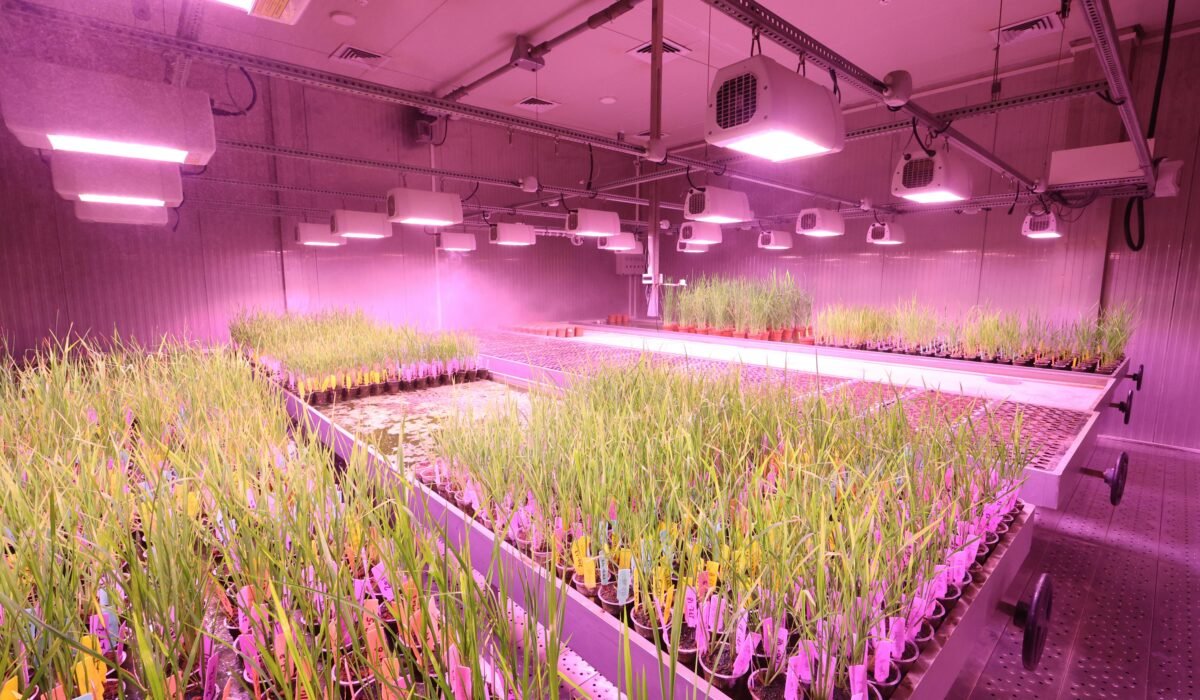
Are you struggling to get your hydroponic plants to thrive, or perhaps just starting and feeling overwhelmed by the lighting choices? Choosing the right hydroponic grow lights can feel like a complex puzzle, but it’s arguably the most critical decision you’ll make for your indoor garden’s success. Without optimal lighting, even the best nutrient solutions and environmental controls won’t lead to robust growth and impressive yields.
The good news is that understanding the key factors and modern advancements makes selecting the perfect grow light much simpler than you might think. We’ll break down the essential metrics, compare light types, and explore smart features to help you cultivate a flourishing hydroponic system.
Understanding Key Grow Light Metrics (PPF, PPFD, DLI)
When you start looking at hydroponic grow lights, you’ll quickly encounter terms like PPF, PPFD, and DLI. These aren’t just fancy acronyms; they’re crucial measurements that tell you how effectively a light can fuel plant growth. Understanding them is your first step to making an informed decision.
What Do These Metrics Mean for Your Plants?
- Photosynthetic Photon Flux (PPF): This measures the total amount of photosynthetically active radiation (PAR) that a light fixture produces each second. Think of it as the total “light output” of the fixture. It’s measured in micromoles per second (µmol/s).
- Photosynthetic Photon Flux Density (PPFD): While PPF tells you how much light a fixture emits, PPFD tells you how much of that light actually hits your plants over a specific area. This is a much more practical metric for growers, as it shows the light intensity at the plant canopy. It’s measured in micromoles per square meter per second (µmol/m²/s).
- Daily Light Integral (DLI): This metric takes PPFD a step further by calculating the total amount of PAR light delivered to your plants over a 24-hour period. DLI helps you understand if your plants are getting enough light throughout the day, considering both intensity and duration. It’s measured in moles per square meter per day (mol/m²/day).
My personal take? PPFD is king for direct comparison, but DLI is what really determines growth over time. You can have high PPFD, but if your lights are only on for 8 hours, your DLI might be too low.
PPFD Requirements for Common Hydroponic Crops
Hydroponic plants often need 20-30% more light intensity than soil-grown plants due to their accelerated growth rates. Here’s a general guide for the PPFD your plants need at the canopy:
| Crop Type | Recommended PPFD (µmol/m²/s) |
|---|---|
| Leafy greens (lettuce, spinach, herbs) | 300-500 |
| Vegetative growth (tomatoes, peppers, cucumbers) | 500-700 |
| Flowering/fruiting stage | 700-1000 |
| High-light demanding crops (cannabis, strawberries) | 1000-1500 |
The optimal light duration for most hydroponic plants is typically 14-18 hours per day, with 16 hours on and 8 hours off being a solid starting point for many varieties.
LED vs. Traditional Lights: Why LEDs Dominate Hydroponics
For years, traditional High-Pressure Sodium (HPS) and Metal Halide (MH) lights were the go-to for indoor growers. However, in the realm of LED grow lights hydroponics, LEDs have become the undisputed champion, especially as we move into 2025 and beyond.
The Clear Advantages of LEDs
The global grow light market is projected to reach over $25 billion by 2033, with LEDs leading the charge. Why the shift?
- Energy Efficiency: LEDs consume significantly less electricity—often 40-70% less—than HPS or MH lights. This translates directly into lower electricity bills, which is a massive win for your wallet and the environment. I’ve seen growers cut their energy consumption by over half just by making the switch.
- Lower Heat Output: Traditional lights generate a lot of heat, requiring robust cooling systems for your grow space. LEDs produce far less radiant heat, reducing the need for expensive HVAC systems and making climate control easier. This is particularly beneficial for enclosed hydroponic systems where temperature management is critical.
- Longer Lifespan: Quality LED fixtures boast lifespans exceeding 50,000 hours, meaning you won’t be replacing bulbs frequently. HPS bulbs, in contrast, degrade faster and need replacing much more often, adding to maintenance costs and hassle.
- Spectrum Flexibility: Unlike traditional lights which have a fixed spectrum, LEDs offer unparalleled control over the light spectrum. This allows you to tailor the light to different growth stages, a feature we’ll dive into next.
- Compact Design: Modern LED fixtures, especially bar-style configurations like the FloraFlex 400W, are designed to distribute light evenly and fit into various grow spaces, including vertical farming setups where space is at a premium.
While the initial cost of premium LED fixtures might be higher, the long-term savings on electricity and replacement bulbs make them a superior investment for any serious hydroponic grower.
Choosing the Right Spectrum and Intensity for Each Growth Stage
Just like humans need a balanced diet, plants need a specific grow light spectrum to thrive. It’s not just about brightness; it’s about the colors of light your plants receive. Different wavelengths of light trigger different physiological responses in plants.
The Power of Full Spectrum and Tunability
The phrase “full spectrum” for LEDs essentially means the light mimics natural sunlight, containing a balance of red, blue, green, and other wavelengths. However, for optimized growth, you can fine-tune this spectrum:
- Vegetative Growth (Blue-Heavy Spectrum): During the seedling and vegetative stages, plants benefit greatly from a light spectrum rich in blue wavelengths (around 4000-6500K). Blue light promotes compact, bushy growth, strong stems, and healthy leaf development. If you’re starting seeds, a blue-heavy spectrum can prevent leggy seedlings. For more on starting seedlings, check out our Simple Guide to Potting Up Seedlings for Beginners.
- Flowering and Fruiting (Red-Heavy Spectrum): As plants transition to flowering or fruiting, they crave red wavelengths (around 2700-3500K). Red light is crucial for stimulating flowering, fruit development, and increasing yields. Advanced systems like the Gorilla GXi Series allow you to adjust spectrum channels to emphasize red light when your plants are ready to produce.
- Green Light: Often overlooked, green light penetrates deeper into the plant canopy, reaching lower leaves that might otherwise be shaded. This contributes to overall plant health and efficiency.
- UV and IR Integration: Modern LEDs are increasingly incorporating beneficial UV and IR wavelengths. UV light can enhance secondary metabolite production (improving flavors and aromas) and even boost pest resistance. Far-red (IR) light can influence flowering and stem elongation.
My own experiments have shown that even a subtle shift in spectrum can significantly impact plant morphology. It’s truly fascinating how specific wavelengths act as signals for your plants!
The beauty of modern LEDs for hydroponic lighting requirements is this tunability. You can provide exactly what your plants need, exactly when they need it, maximizing their potential at every stage.
Smart Lighting Systems & Advanced Features for 2025+
The future of hydroponic grow lights is intelligent. We’re moving beyond simple on/off switches to sophisticated systems that optimize growth, save energy, and integrate seamlessly with your entire grow environment. These advanced features are quickly becoming standard for serious growers.
Innovations Driving Growth and Efficiency
The market for smart grow light systems is booming, driven by the desire for precision and automation. Here’s what to look for:
- Real-Time Adjustment & Automation: Smart lighting systems allow you to program precise light schedules, intensity levels, and even spectrum shifts throughout the day or across different growth stages. Systems like the AC Infinity IONFRAME EVO8 integrate with a UIS controller, giving you complete control from your smartphone or a central hub. This means your plants get exactly the light they need, when they need it, without you having to manually adjust anything.
- High Photosynthetic Photon Efficacy (PPE): This metric (µmol/J) measures how efficiently a light fixture converts electrical energy into usable plant light. Premium LED fixtures today are achieving PPE ratings of 2.7-3.0+ µmol/J. What surprised me is how much difference this makes; high PPE lights not only use less electricity but also generate less waste heat, further reducing cooling costs.
- Improved Thermal Management: While LEDs produce less heat than HPS, they still generate some. Advanced heatsink technologies are making fixtures more compact, reliable, and efficient at dissipating heat, ensuring the longevity and consistent performance of the diodes.
- Integration with Environmental Controls: The best smart grow light systems don’t operate in a vacuum. They can connect with other environmental sensors and controllers (for temperature, humidity, CO2) to create a fully optimized ecosystem. This level of integration is particularly valuable for vertical farming lighting, where space and climate control are paramount.
Imagine having your lights dim automatically as the ambient temperature rises, or shifting spectrum based on plant development detected by sensors. That’s the power of smart grow light systems, making your hydroponic journey more efficient and successful.
Calculating Wattage and Placement for Optimal Growth
Once you understand the metrics and the benefits of LEDs, the practical questions arise: “How much power do I need?” and “Where do I put the light?” Getting these right is fundamental to achieving optimal growth and maximizing the potential of your hydroponic grow lights.
Determining Your Grow Light Wattage per Square Foot
A good rule of thumb for LED fixtures in hydroponics is to aim for 30-50 watts per square foot. The exact wattage will depend on the crops you’re growing and the efficiency (PPE) of your chosen LED fixture.
Here’s how to calculate it:
- Measure Your Grow Area: Let’s say you have a 4×4 foot hydroponic grow tent. That’s 16 square feet.
- Determine Your Crop’s Needs: If you’re growing leafy greens, you might aim for the lower end (30-40 watts/sq ft). For flowering vegetables or high-light demanding crops, target the higher end (40-50+ watts/sq ft).
- Calculate Total Wattage: For a 4×4 area (16 sq ft) growing high-light plants, you’d need approximately 16 sq ft * 40 watts/sq ft = 640 watts. A quality LED fixture like the Xi420 can provide excellent PPFD for a 4×4 area with around 420 watts, showing how efficient modern LEDs are.
Remember, this is a starting point. Always check the manufacturer’s recommended coverage area and PPFD maps for your specific fixture. For a 4×4 grow, 480-800 watts of quality LED lighting is generally recommended to hit optimal PPFD for hydroponics.
Optimal Grow Light Placement
The distance between your grow light and your plant canopy is critical. Too close, and you risk light burn; too far, and your plants won’t get enough intensity. This is where monitoring your plants becomes essential.
- Seedlings: Generally, 24-36 inches (60-90 cm) from the canopy. Seedlings are delicate and don’t require intense light.
- Vegetative Growth: Move lights closer, typically 18-24 inches (45-60 cm) from the canopy. Plants are growing vigorously and can handle more light.
- Flowering/Fruiting Stage: For maximum intensity, position lights 12-18 inches (30-45 cm) from the canopy. High-light demanding plants will thrive here.
Always watch your plants for signs of stress. If leaves start to yellow, curl up, or show bleached spots, your light might be too close or too intense. Conversely, if plants are stretching or looking pale, they likely need more light.
Long-Term Value: Beyond Initial Grow Light Costs
It’s easy to look at the price tag of premium hydroponic grow lights and feel a bit of sticker shock. However, thinking only about the upfront cost is a common misconception. The true value of your investment lies in its long-term performance, efficiency, and impact on your yields.
The Total Cost of Ownership
When evaluating grow lights, consider these factors:
- Energy Savings: As discussed, LEDs dramatically reduce electricity consumption. A Canadian greenhouse, for example, cut energy use by 55% after switching from HPS to full-spectrum LEDs. Over several years, these savings can easily outweigh the initial price difference.
- Longevity and Durability: Quality LED fixtures are built to last, with many maintaining over 90% of their initial output for 50,000+ hours. This means fewer replacements and less maintenance, saving you money and downtime.
- Yield and Quality Enhancement: The precise control over spectrum and intensity that LEDs offer can lead to significantly higher yields and improved crop quality. Plants can grow up to 30% faster under optimal light conditions. A French cannabis test even showed a 200W LED outperforming a 400W HPS in yield while saving over 50% in energy. This makes them the best grow lights for indoor plants, especially those grown hydroponically.
- Reduced Ancillary Costs: Lower heat output means less strain on your cooling systems, reducing both energy consumption and the wear and tear on your fans and AC units.
- Technological Advancement: While LEDs have a long lifespan, the technology evolves quickly. Budgeting for potential upgrades after 5-7 years, even if your current light is still functional, can keep your system at the cutting edge and ensure maximum efficiency.
My advice? Don’t just look at the price tag. Calculate the potential energy savings over a few years, factor in replacement costs, and consider the potential boost in yield and plant health. You’ll likely find that investing in high-quality hydroponic grow lights pays for itself many times over.
Frequently Asked Questions
What wattage LED light do I need for my hydroponic system?
For a 4×4 ft area, 480-800 watts of quality LED lighting is generally recommended. To calculate for your specific setup, aim for 30-50 watts per square foot, adjusting based on the light intensity requirements of your crops and the efficiency (PPE) of the LED fixture.
How close should grow lights be to hydroponic plants?
The distance varies by growth stage and light intensity. For seedlings, maintain 24-36 inches (60-90 cm). For vegetative plants, 18-24 inches (45-60 cm) is ideal. During the flowering/fruiting stage, move lights to 12-18 inches (30-45 cm) for best results. Always monitor your plants for signs of light stress.
What color spectrum is best for hydroponic growing?
Full-spectrum LED lights are generally best for complete growth cycles, mimicking natural sunlight. However, you can optimize by using a blue-heavy spectrum (4000-6500K) for compact vegetative growth and a red-heavy spectrum (2700-3500K) to promote flowering and fruiting. Many advanced LEDs offer adjustable spectrum channels for this purpose.
Do hydroponic plants need more light than soil plants?
Yes, hydroponic plants typically require 20-30% more light intensity than their soil-grown counterparts. This is because their accelerated growth rates and direct access to nutrients mean they can process more light energy for photosynthesis, leading to faster and more vigorous development.
Choosing the right hydroponic grow lights is a foundational step toward a successful indoor garden. By understanding key metrics like PPF, PPFD, and DLI, embracing the efficiency and flexibility of LEDs, and leveraging smart lighting technologies, you can provide your plants with the precise energy they need to thrive.
Don’t let the initial investment deter you; the long-term savings on energy and the boost in yield and plant health make high-quality grow lights an invaluable asset. Take the time to research, compare options, and choose a system that aligns with your plants’ needs and your growing ambitions. Your plants will thank you with lush foliage and abundant harvests!







