Key Takeaways
- Improper watering is the leading cause of yellow, wilting foliage in plants, according to Pennington Seed.
- Nitrogen deficiency commonly results in older leaves turning yellow while new growth remains green, as nitrogen is vital for chlorophyll production, as stated by Spider Farmer (2024).
- Interveinal chlorosis, where leaf veins remain green while tissue yellows, often points to iron or magnesium deficiency, according to Yarafert.
- About 66% of the land area of Massachusetts was abnormally dry as of August 21, 2025, highlighting how environmental stress impacts plant health.
- A simple soil test, costing $15–30 from a cooperative extension, is a crucial investment for diagnosing persistent yellowing issues, suggests reencle (2026).
Are your garden plants showing signs of distress, with their vibrant green fading to a sickly yellow? It’s a common and concerning issue for any gardener, and knowing how to **fix yellow leaves garden plants** effectively is key to their survival and your gardening success. In my 10 years of experience in horticulture, I’ve learned that yellowing leaves, or chlorosis, are a clear signal from your plants that something is amiss, and pinpointing the exact cause is the first step toward recovery. This guide will walk you through 7 effective ways to diagnose and **fix yellow leaves garden plants**, ensuring your green companions thrive once more.
Quick Answer: Yellowing leaves on garden plants, known as chlorosis, signal issues like improper watering, nutrient deficiencies (nitrogen, iron, magnesium), pH imbalances, pests, or environmental stress. Identifying the specific pattern helps diagnose the problem for targeted solutions.
What Do Yellow Leaves on Garden Plants Mean?
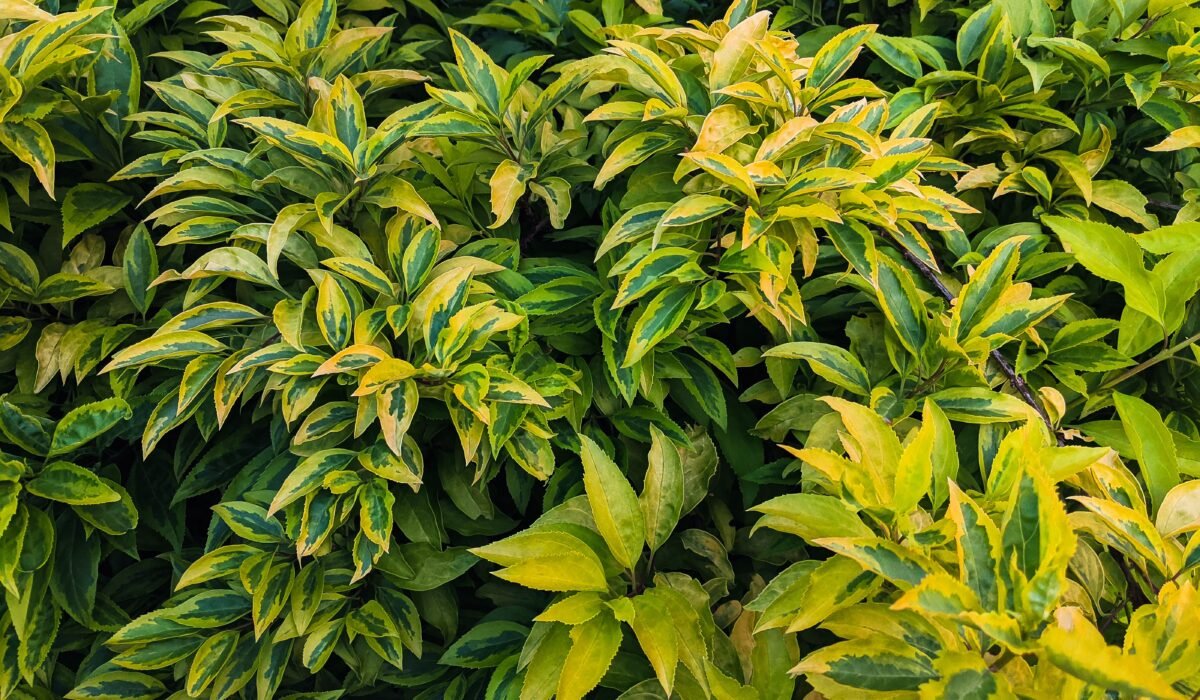
Yellow leaves on garden plants, scientifically termed chlorosis, signify that your plant is not producing enough chlorophyll, the green pigment essential for photosynthesis. “When plant leaves turn yellow, that’s a sign your plant is unhappy about something,” states Morris Hankinson, Director of Hopes Grove Nurseries. This lack of chlorophyll production can stem from a variety of underlying problems, all of which prevent the plant from absorbing or utilizing essential nutrients or light effectively.
Abnormal yellowing of leaf tissue, or chlorosis, indicates that leaves lack the essential green pigment chlorophyll, according to James Schuster, University of Illinois Extension horticulture educator. This deficiency can be a symptom of poor drainage, damaged roots, compacted roots, high soil pH, or nutrient deficiencies within the plant itself. Understanding these signals is the first step to **fix yellow leaves garden plants**.
How to Diagnose Yellowing Leaves: A Quick Chart
Diagnosing the specific cause of yellowing leaves requires careful observation of the yellowing pattern, location, and accompanying symptoms. The specific pattern and location of yellowing provide critical diagnostic information, according to Montana State University Extension. Uniform yellowing often indicates mobile nutrient deficiencies like nitrogen, while interveinal chlorosis points to immobile nutrient problems such as iron deficiency or soil chemistry imbalances. This diagnostic approach is crucial to correctly **fix yellow leaves garden plants**.
Here’s a quick chart to help you narrow down the possibilities:
| Yellowing Pattern | Affected Leaves | Likely Cause | Specific Fix to Fix Yellow Leaves Garden Plants |
|---|---|---|---|
| Uniform yellowing | Older, lower leaves | Nitrogen deficiency | Apply nitrogen-rich fertilizer like Cronk Nutrients’ PuurNitro. |
| Yellowing between veins (veins green) | Younger leaves | Iron deficiency | Lower soil pH, apply iron chelate (SULFOMIX). |
| Yellowing between veins (veins green) | Older, lower leaves | Magnesium deficiency | Apply Epsom salt (Pennington Epsom Salt) or magnesium sulfate. |
| Overall pale yellow, stunted growth | Newer leaves first | Sulfur deficiency | Use a sulfur-containing fertilizer (SULFOMIX). |
| Drooping, wilting, then yellowing | All leaves | Overwatering/Underwatering | Adjust watering schedule, check soil moisture. |
| Spots, holes, sticky residue, curled leaves | Localized or widespread | Pests/Diseases | Identify pest/disease, apply appropriate organic treatment. |
| Yellowing on one side, burnt tips | Leaves facing sun/wind | Environmental stress (heat, cold, windburn) | Provide shade, wind protection, consistent temperatures. |
Is It Overwatering or Underwatering?
Improper watering is the most common cause of yellowing, wilting foliage in plants, according to Pennington Seed, making it the first factor to investigate when you need to **fix yellow leaves garden plants**. Both overwatering and underwatering can lead to similar symptoms, but understanding the subtle differences and checking your soil moisture is key to diagnosis. “Excessive amount of water prevents the plant from getting enough oxygen, which in turn leads to yellowing leaves,” explains John Clifford, garden expert at Gardenstone.
Here’s how to tell the difference and take action:
Step 1: Check Soil Moisture Levels
To accurately assess watering issues, always check the soil moisture before watering. Stick your finger about 2-3 inches deep into the soil; if it feels wet, hold off on watering, but if it’s dry, your plant likely needs a drink. This simple test is far more reliable than just following a schedule, especially for container plants which are more prone to yellowing due to nutrient leaching and easier overwatering, as noted by reencle (2026).
Signs of Overwatering:
- Uniform yellowing across the entire leaf, often starting with older leaves.
- Leaves feel soft and limp, not crisp.
- Soil often stays constantly wet, and you might notice a musty smell or even fungus gnats.
- Stunted growth and eventual leaf drop are common, as roots suffocate and cannot absorb nutrients.
Signs of Underwatering:
- Leaves turn yellow, often starting at the tips or edges, and may become crispy.
- Leaves may droop or wilt before yellowing.
- Soil is visibly dry and pulls away from the edges of the pot.
- The plant may appear generally dull and lifeless, struggling to maintain turgidity.
Step 2: Adjust Watering Schedule
To **fix yellow leaves garden plants** caused by watering issues, adjust your routine. For overwatered plants, allow the top few inches of soil to dry out completely before watering again, and ensure your pots have adequate drainage holes. For underwatered plants, water deeply until water drains from the bottom of the pot, then monitor the soil to prevent it from drying out completely between waterings.
What Nutrient Deficiency Causes Yellow Leaves?
Nutrient deficiencies are a primary culprit behind yellowing leaves, as plants require a balanced diet of macro and micronutrients for healthy growth and chlorophyll production. What nutrient deficiency causes yellow leaves most often? Nitrogen deficiency is the most common, often leading to a general yellowing of older or lower leaves, as nitrogen is a mobile nutrient that the plant redistributes to new growth. To effectively **fix yellow leaves garden plants**, identifying the specific nutrient lacking is crucial.
Here are some of the most common nutrient deficiencies causing chlorosis:
- Nitrogen (N) Deficiency: The most common nutrient deficiency, leading to a general uniform yellowing of older, lower leaves while newer growth remains green. Nitrogen is vital for chlorophyll production and overall plant vigor. Go Garden’s Organic DAP Fertilizer is recommended for nitrogen deficiency when lower leaves are turning yellow with green veins. Cronk Nutrients’ PuurNitro, a plant-based nitrogen source from upcycled soy meal, is also highly effective for pale, limp, or yellowing lower leaves.
- Iron (Fe) Deficiency: Often presents as interveinal chlorosis, where the areas between the leaf veins turn yellow, but the veins themselves remain distinctly green. This typically appears first on younger leaves. According to Utah State University Extension, iron chlorosis frequently affects plants growing in alkaline soils with pH above 7.0, where iron converts to insoluble ferric oxide forms unavailable for root uptake. Applying SULFOMIX, which contains 6% Iron, is an excellent way to **fix yellow leaves garden plants** suffering from interveinal chlorosis.
- Magnesium (Mg) Deficiency: Similar to iron, magnesium deficiency also causes interveinal chlorosis, but it usually starts on older leaves. The veins remain green while the tissue between them yellows, sometimes with a reddish or purple tint. Pennington Epsom Salt is a well-known remedy for magnesium deficiency, providing readily available magnesium and sulfur to quickly revitalize foliage. Cronk Nutrients’ PuurCalMag also delivers organic calcium and magnesium for interveinal yellowing.
- Sulfur (S) Deficiency: This deficiency usually starts with the newest leaves, turning them yellow throughout, including the veins. Sulfur is less mobile than nitrogen, so symptoms appear on new growth first. SULFOMIX provides 11% Sulfur, making it effective for widespread yellowing starting with newer leaves.
Step 3: Apply Targeted Nutrients
Once you’ve identified the specific deficiency, applying targeted nutrients is the most direct way to **fix yellow leaves garden plants**. For nitrogen deficiency, use a balanced fertilizer with a higher nitrogen ratio, such as Pennington Rejuvenate Plant Food All-Purpose 4-4-4, which provides an ideal blend of essential primary nutrients. For iron or magnesium deficiencies, consider products like SULFOMIX or Pennington Epsom Salt, applied as a foliar spray or soil drench to ensure rapid uptake. A soil test, costing $15–30 from a cooperative extension, is the best investment for persistent yellowing problems, suggests reencle (2026), providing precise pH and nutrient recommendations.
Are Pests or Diseases Causing Your Plant's Yellow Leaves?
Pests and diseases can also be significant contributors to yellowing leaves, as they damage plant tissues, disrupt nutrient uptake, or spread pathogens. Inspecting your plants closely for signs of these biological stressors is a critical step to **fix yellow leaves garden plants**. Often, the yellowing will be accompanied by other visible symptoms, helping you differentiate from nutrient or watering issues.
Consider these common culprits:
- Sap-Sucking Pests: Aphids, spider mites, whiteflies, and scale insects feed on plant sap, draining nutrients and causing leaves to yellow, often in a speckled or mottled pattern. You might see the pests themselves, sticky honeydew, or fine webbing (from spider mites).
- Fungal Diseases: Fungal infections like powdery mildew, rust, or various leaf spots can cause yellowing, browning, and eventual leaf drop. These often appear as distinct spots or patches of discolored tissue.
- Bacterial/Viral Infections: Less common but more severe, these can cause widespread yellowing, stunted growth, and distorted leaves. Viral infections, for instance, often result in mosaic patterns of yellow and green.
Step 4: Inspect for Pests and Diseases
To accurately identify pest or disease problems, carefully examine both the top and underside of leaves, stems, and new growth. Look for tiny insects, eggs, webbing, unusual spots, lesions, or any distorted growth that might indicate an infestation or infection. Early detection is key to preventing widespread damage and helping you **fix yellow leaves garden plants**.
Solutions for Pests and Diseases:
- Organic Pest Control: For sap-sucking insects, a strong spray of water can dislodge them, or use insecticidal soaps or neem oil. Diatomaceous earth can also deter crawling pests.
- Disease Management: Remove and destroy affected leaves immediately. Ensure good air circulation around plants and avoid overhead watering to reduce fungal issues. For severe cases, organic fungicides may be necessary.
If you suspect specific pests, consider visiting reputable resources like the University of Illinois Extension, which offers detailed guides on identifying and managing garden pests and diseases. Their horticulture educators provide invaluable insights for gardeners.
Environmental Stressors: Beyond Water and Nutrients
Even with perfect watering and nutrient application, environmental stressors can cause yellow leaves, proving that plant health is a complex interplay of many factors. Extreme temperatures, insufficient or excessive light, and sudden changes in environment can all trigger chlorosis. For example, about 66% of the land area of Massachusetts was classified as at least abnormally dry (D0) as of August 21, 2025, with 5% experiencing moderate drought (D1), highlighting how environmental stress significantly impacts plant health. Addressing these external factors is crucial to **fix yellow leaves garden plants**.
Common environmental stressors include:
- Temperature Extremes: Both very hot and very cold temperatures can stress plants, leading to yellowing or browning of leaves. Cold shock can cause sudden yellowing, while heat stress can manifest as scorched, yellowed edges.
- Light Issues: Not enough light (etiolation) causes pale, yellowing leaves and leggy growth, as the plant struggles to produce chlorophyll. Too much direct, intense sunlight can also scorch leaves, turning them yellow or white, particularly in plants that prefer partial shade.
- Transplant Shock: Moving a plant to a new location can cause temporary yellowing as it adjusts to new light, temperature, and soil conditions. This is a common stressor for newly planted garden additions.
- Soil pH Imbalance: While not a nutrient deficiency directly, incorrect soil pH can lock up essential nutrients, making them unavailable to the plant even if present in the soil. For instance, iron becomes less available in alkaline soils.
Step 5: Evaluate Environmental Factors
To mitigate environmental stress and **fix yellow leaves garden plants**, assess your plant’s location. Ensure it receives appropriate light for its species, provide shade during intense heatwaves, or protect it from cold snaps. If soil pH is suspected, a soil test can confirm imbalances, allowing you to amend the soil with sulfur to lower pH or lime to raise it, creating optimal conditions for nutrient uptake. Using quality soil like Pennington Rejuvenate Natural & Organic Garden Soil Mix can also improve soil structure and compaction for in-ground plantings, reducing stress.
Can Yellow Leaves Turn Green Again?
The short answer is: sometimes, but not always. Whether yellow leaves can regain their green color largely depends on the cause of the yellowing and how quickly it’s addressed. Leaves that have turned fully yellow due to severe or prolonged stress, or those that are naturally aging, often cannot recover their chlorophyll. However, if the yellowing is mild or caught early due to a correctable issue like a nutrient deficiency or improper watering, new growth can emerge green, and sometimes the existing yellowed leaves can partially recover.
For instance, if yellowing is due to a magnesium deficiency and you apply Pennington Epsom Salt, you may see older leaves slowly regain some greenness, especially if the damage isn’t extensive. The plant’s energy will primarily go into producing new, healthy foliage. The key is to act promptly once you notice the yellowing to maximize the chances of recovery and to prevent the problem from spreading to other parts of the plant.
Preventing Yellow Leaves: Long-Term Plant Health
Preventing yellow leaves is far easier and more effective than trying to **fix yellow leaves garden plants** once they appear. A proactive approach to plant care ensures robust health and resilience against common stressors. Implementing a consistent care routine tailored to your plants’ specific needs is the best defense against chlorosis.
Consider these preventative measures for long-term plant health:
Step 6: Implement Preventative Care
Proactive measures are essential for long-term plant health and to prevent yellow leaves from becoming a recurring problem. Regular soil testing every 2-3 years provides valuable insights into nutrient levels and pH, allowing for timely adjustments before deficiencies become visible. This foundational knowledge helps you choose the right fertilizers and soil amendments to maintain optimal growing conditions.
Key Preventative Strategies:
- Proper Watering Practices: Always check soil moisture before watering. Water deeply and less frequently to encourage strong root development. For container plants, ensure excellent drainage to prevent root rot.
- Balanced Fertilization: Use a balanced fertilizer like Pennington Rejuvenate Plant Food All-Purpose 4-4-4 regularly, following package instructions. This provides a steady supply of essential nutrients, preventing deficiencies before they start. For specific needs, products like Cronk Nutrients’ PuurCalMag can supplement calcium and magnesium.
- Soil Health: Improve soil structure and fertility by incorporating organic matter like compost or well-rotted manure. Healthy soil fosters beneficial microbial activity and improves nutrient availability. Consider using Pennington Rejuvenate Natural & Organic Garden Soil Mix for new plantings or amending existing beds.
- Pest and Disease Monitoring: Regularly inspect your plants for early signs of pests or diseases. Early detection allows for prompt, targeted treatment, preventing widespread infestations that can cause severe yellowing.
- Environmental Awareness: Choose plants suitable for your climate and specific garden microclimates. Provide shade for sun-sensitive plants during peak summer heat and offer protection from frost for tender varieties.
By adopting these preventative strategies, you create an environment where your garden plants can thrive, minimizing the chances you’ll need to **fix yellow leaves garden plants** in the first place.
Frequently Asked Questions
What nutrient deficiency causes yellow leaves?
The most common nutrient deficiency causing yellow leaves is nitrogen, which typically leads to uniform yellowing of older, lower leaves. Iron and magnesium deficiencies cause interveinal chlorosis, where leaf tissue yellows but veins remain green, especially on younger leaves for iron, according to Yarafert. Addressing these specific deficiencies with targeted supplements can help **fix yellow leaves garden plants**.
What does yellowing leaves mean?
Yellowing leaves, or chlorosis, mean your plant isn’t producing enough chlorophyll, the green pigment vital for photosynthesis. This signal indicates an underlying problem such as improper watering, nutrient deficiencies, pH imbalances, pest infestations, or environmental stress, as stated by James Schuster, University of Illinois Extension horticulture educator. Identifying the precise pattern and location of the yellowing helps pinpoint the exact cause to **fix yellow leaves garden plants**.
Can yellow leaves turn green again?
Some yellow leaves can turn green again if the cause is identified and corrected early, especially for nutrient deficiencies or minor watering issues. However, severely yellowed or older leaves that have completed their life cycle are unlikely to fully recover their green color. The plant’s energy will primarily focus on producing new, healthy green growth, which is the ultimate goal when you **fix yellow leaves garden plants**.
What to do if plant leaves are turning yellow?
If plant leaves are turning yellow, first identify the pattern and location of yellowing (e.g., old vs. new leaves, uniform vs. interveinal) to diagnose the issue. Then, check soil moisture, inspect for pests, and consider environmental factors like light and temperature. Once the cause is determined, apply targeted solutions such as adjusting watering, adding specific nutrients like Pennington Epsom Salt, or managing pests, which are all effective ways to **fix yellow leaves garden plants**.
How to fix nitrogen deficiency in plants?
To fix nitrogen deficiency in plants, which typically presents as uniform yellowing of older, lower leaves, apply a nitrogen-rich fertilizer. Products like Cronk Nutrients’ PuurNitro, made from upcycled soy meal, or other balanced fertilizers with a higher first number (e.g., Pennington Rejuvenate Plant Food All-Purpose 4-4-4) can quickly replenish nitrogen levels. Consistent application helps to **fix yellow leaves garden plants** and promote vibrant green growth.
Learning to diagnose and **fix yellow leaves garden plants** is a fundamental skill for any gardener, transforming a moment of concern into an opportunity for deeper understanding. By carefully observing your plants, addressing their specific needs for water, nutrients, and environment, and implementing preventative care, you can ensure your garden remains vibrant and healthy. Don’t let yellow leaves discourage you; instead, use these 7 effective ways to respond with confidence and bring your plants back to their lush, green glory.