Understanding garden soil types for beginners is the crucial first step towards a thriving garden, yet many new gardeners feel overwhelmed by the science underfoot. Don’t worry, this simple guide will demystify the different soil types, show you how to identify what you have, and equip you with practical, budget-friendly ways to improve it for lush growth.
What are the Main Garden Soil Types?
When you dig into your garden, you’ll find that not all dirt is created equal. The main garden soil types are defined by the proportion of sand, silt, and clay particles they contain, each bringing distinct characteristics to your plants’ environment.
Understanding these basic differences is fundamental because they dictate everything from how well your plants grow to how often you need to water and fertilize. Many sources often mention four main types, but in reality, there are six primary types you’ll encounter in gardening.
Sandy Soil
Sandy soil is characterized by its large, gritty particles. This structure means it has excellent soil drainage, which sounds good, but it also struggles to hold onto water and essential plant nutrients. Nutrients leach away quickly, and plants can dry out fast.
Clay Soil
In stark contrast, clay soil is made up of very fine, tightly packed particles. It feels heavy and sticky when wet, and it can be extremely hard when dry. Clay soil excels at retaining both water and nutrients, but its poor drainage can lead to waterlogging and suffocate plant roots.
Silty Soil
Silty soil falls somewhere between sand and clay. Its particles are medium-sized, giving it a smooth, almost soapy feel. This soil type is generally fertile, holds moisture well, and offers decent drainage, making it a good all-rounder.
Loam Soil
Often considered the gardener’s ideal, loam soil is a balanced mixture of sand, silt, and clay, along with a healthy dose of organic matter. It offers the best of all worlds: good drainage, excellent moisture retention, and a rich supply of plant nutrients. As gardening expert Graham Smith MCIhort notes, “Usually, loam soil is considered to be the best type of soil to have in your garden, as it is a balance of all the different soil types.”
Peat Soil
Peat soil is rich in organic matter, formed from decomposed plant material in waterlogged conditions. It’s dark, spongy, and highly acidic, excelling at retaining moisture. While great for acid-loving plants, its acidity often needs adjustment for general gardening, and its use is increasingly debated due to environmental concerns.
Chalk Soil
Chalky soil is typically stony and free-draining, overlying limestone or chalk bedrock. It’s alkaline, meaning it has a high garden soil pH, which can lead to nutrient deficiencies for many plants. It drains quickly and can be low in fertility, requiring regular amendment.
How to Identify Your Garden Soil Type
Before you can improve your soil, you need to know what you’re working with. Identifying your garden soil type is simpler than you might think, and you don’t need fancy equipment to get started. These easy ways to identify garden soil will give you a clear picture.
The “Fist Test” or Squeeze Test
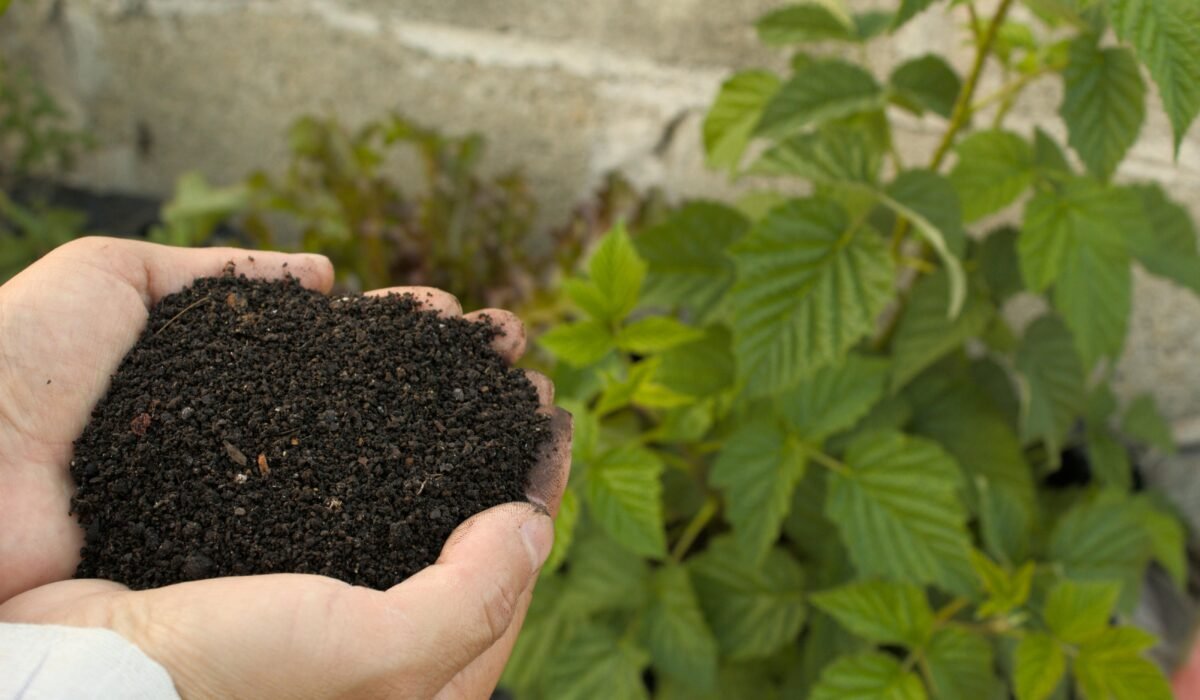
- Grab a Handful: Dig down about 4-6 inches and grab a handful of slightly damp soil. It shouldn’t be soaking wet or bone dry.
- Squeeze It: Squeeze the soil tightly in your fist.
- Observe the Result:
- If it falls apart immediately: You likely have sandy soil. It won’t form a ball at all.
- If it forms a weak ball that crumbles easily when poked: This points to silty soil. It feels smooth and holds together briefly.
- If it forms a tight, sticky ball that holds its shape and can be rolled into a ribbon: You’re dealing with clay soil. The longer the ribbon you can make (without it breaking), the higher the clay content.
- If it forms a loose ball that holds together but crumbles easily with a gentle poke, feeling granular and rich: You’ve likely got that desirable loam soil.
The Jar Test
This is a slightly more scientific, yet still easy, method to understand the composition of your soil. Collect a soil sample, remove any large debris, then fill a clear jar about one-third full with soil. Fill the rest of the jar with water, add a teaspoon of dish soap (to help separate particles), and shake vigorously for several minutes. Let it settle for 24 hours.
The layers will reveal your soil type: sand settles first (bottom), then silt, and finally clay (top). You’ll also see a layer of floating organic matter. The relative thickness of these layers tells you the dominant soil type.
Consider Your Climate and Local Geology
Sometimes, your location offers clues. Coastal areas often have sandy soils, while riverbeds might indicate silty deposits. If you live in an area known for heavy, sticky soils, chances are you have a lot of clay. A quick online search for “soil map [your region]” can also provide insights.
What is the Best Soil for a Beginner Garden?
The short answer is that loam soil is generally considered the best soil for a beginner garden. It’s the most forgiving and versatile of the garden soil types, making it ideal for a wide range of plants.
Loam offers a perfect balance: it drains well enough to prevent waterlogging, yet retains sufficient moisture and nutrients for strong plant growth. This balance minimizes common beginner frustrations like drought-stressed plants or root rot, giving you a higher chance of success.
As Sarah Raven, a recognized gardening expert, wisely states, “Loam is the most desirable soil type for gardens, offering good drainage while also retaining moisture and nutrients particularly well.” While specialized plants might prefer specific conditions, loam provides a fantastic starting point for almost any vegetable, flower, or shrub you wish to grow.
Understanding Soil Structure: Beyond Sand, Silt, and Clay
While knowing your soil’s texture (the proportion of sand, silt, and clay) is vital, understanding soil structure is equally, if not more, important for healthy plant growth. What most people miss is that soil structure describes how these individual particles clump together to form aggregates.
These aggregates create pores within the soil, which are crucial for air circulation (root respiration), water infiltration, and the movement of beneficial microorganisms. A good soil structure allows roots to easily penetrate, access oxygen, and absorb plant nutrients.
Types of Soil Structure
Soil structure can be granular (like cookie crumbs, common in topsoil), blocky (irregular blocks, common in subsoil), platy (flat, overlapping plates, often a sign of compaction), or prismatic (vertical columns). Granular and blocky structures are generally the most desirable for gardening.
The Role of Organic Matter
Here’s the thing: organic matter is the secret sauce for improving soil structure, regardless of your soil type. As organic materials like compost and well-rotted manure decompose, they act as a glue, binding sand, silt, and clay particles into stable aggregates.
This process enhances aeration in clay soils, improves water retention in sandy soils, and boosts overall fertility. The Food and Agriculture Organization (FAO) of the United Nations emphasizes this, stating, “Healthy soils are the basis to healthy food production” and highlighting soil preservation as essential for our future.
Improving Garden Soil Types on a Budget
You don’t need to break the bank to transform your garden soil. Improving garden soil types on a budget focuses on readily available and affordable methods, often centered around adding organic matter. This is your beginner’s guide to soil health.
For Clay Soil Improvement:
The goal for heavy clay is to improve drainage and aeration.
- Add Organic Compost: This is your best friend. A generous layer of homemade or store-bought organic compost (like those from brands such as Kellogg Garden Organics or Espoma) worked into the top 6-12 inches will help bind small clay particles into larger aggregates, creating vital air pockets.
- Well-Rotted Manure: Similar to compost, well-rotted manure (ensure it’s aged to avoid burning plants) significantly improves clay soil structure and adds nutrients.
- Gypsum (in specific cases): While not organic, gypsum can help aggregate clay particles in sodic (high sodium) soils. However, it’s not a universal solution and should be used cautiously after a soil test confirms its need.
For Sandy Soil Solutions:
The challenge with sandy soil is its inability to hold water and nutrients.
- Incorporate Organic Compost: Again, compost is king. It acts like a sponge, dramatically increasing the soil’s capacity to retain moisture and beneficial plant nutrients.
- Peat Moss or Coconut Coir: These amendments are excellent for water retention. While peat moss use is becoming less common due to environmental concerns, coconut coir is a sustainable alternative that holds many times its weight in water.
- Cover Cropping: Planting cover crops like clover or vetch in the off-season and then turning them into the soil adds significant organic matter and improves structure over time.
For Silty and Loamy Soils:
These soils are generally good, but can always benefit from a boost.
- Regular Compost Additions: Maintain fertility and structure by annually top-dressing with 1-2 inches of organic compost.
- Avoid Compaction: Silty soils can compact easily, so avoid walking on beds when wet and use defined pathways.
General Budget-Friendly Tips:
Consider these organic soil amendments for beginners:
- Compost Your Own: Start a compost pile! It’s the most cost-effective way to produce endless amounts of soil-improving organic matter from kitchen scraps and yard waste.
- Leaf Mold: Collect fallen leaves in the autumn, bag them up, and let them decompose over a year or two. The resulting leaf mold is a fantastic, free soil conditioner.
- Coffee Grounds & Eggshells: While not massive amendments, adding coffee grounds (slightly acidic, good for nitrogen) and crushed eggshells (calcium) to your compost or directly to the soil in small quantities can contribute micronutrients.
For a more precise approach, consider a soil testing kit. Kits like the RapiTest Digital Soil pH Meter or the Luster Leaf Environmental Concepts Soil Test Kit can provide valuable information about your garden soil pH and nutrient levels, guiding your amendment choices.
Plants That Thrive in Each Garden Soil Type
Matching plants to your existing soil is a smart strategy, especially for beginners. Instead of fighting your soil, choose plants that naturally love it. This section will help you understand types of soil and what to grow in them.
Thriving in Sandy Soil:
Plants that do well in sandy soil often prefer good drainage and can tolerate drier conditions.
- Vegetables: Carrots, radishes, potatoes, asparagus, corn, zucchini.
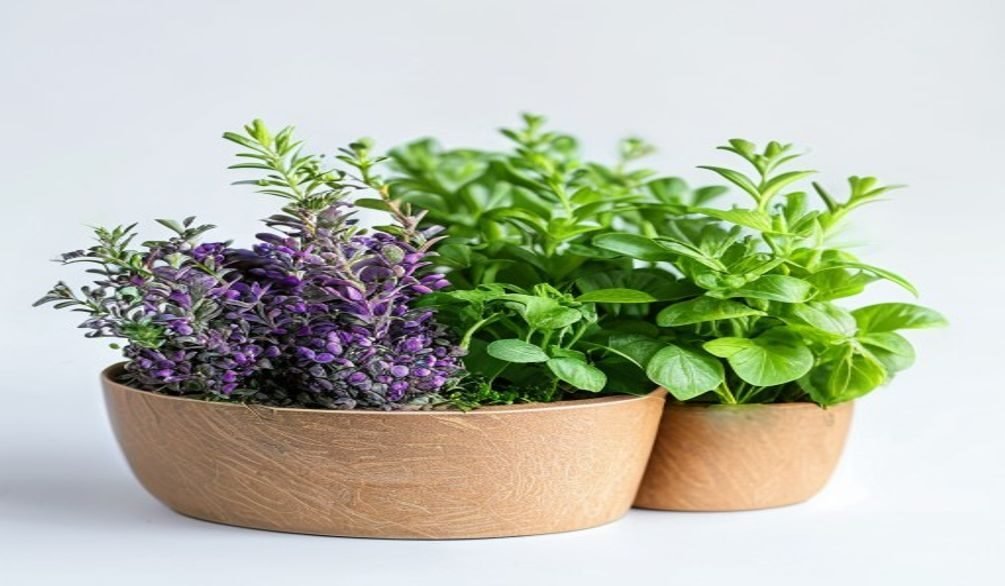
- Herbs: Rosemary, thyme, oregano, lavender.
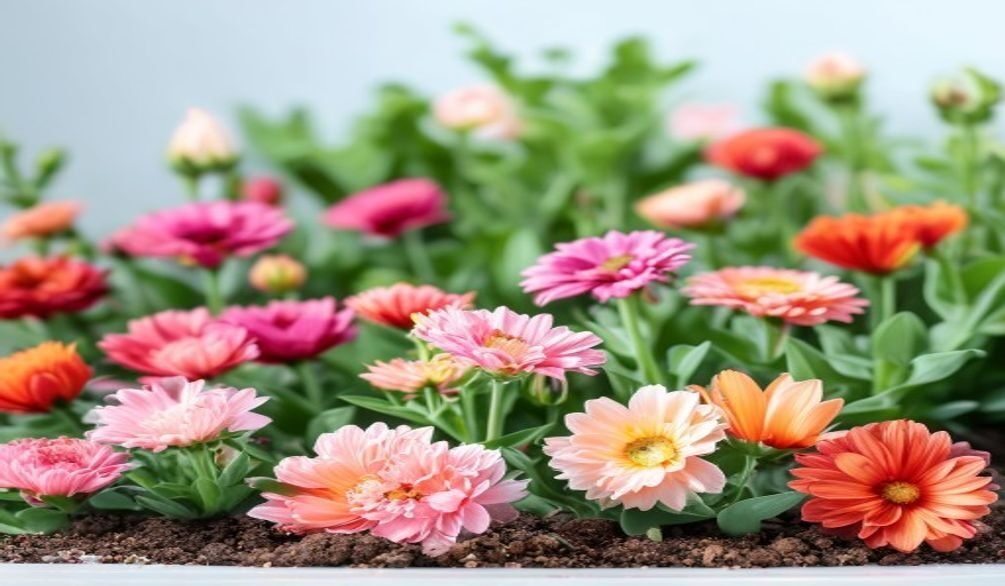
- Flowers: Cosmos, zinnias, poppies, sedum, lavender, gaillardia.
- Shrubs: Juniper, many types of ornamental grasses.
Thriving in Clay Soil:
These plants can handle heavier, moisture-retentive soils and often appreciate the nutrient-holding capacity of clay.
- Vegetables: Cabbage, broccoli, Brussels sprouts, beans, peas, kale, onions, leeks.
- Flowers: Astilbe, helenium, hosta, rudbeckia, daylilies, some roses.
- Shrubs/Trees: Hawthorn, dogwood, viburnum, most fruit trees.
Thriving in Silty Soil:
Silty soil is fertile and balanced, accommodating a wide variety of plants.
- Vegetables: Most leafy greens, lettuce, spinach, Swiss chard, corn, tomatoes, peppers.
- Flowers: Hydrangeas, irises, phlox, peonies.
- General: Many common garden plants will perform well in silty soil.
Thriving in Loam Soil:
Loam is the ultimate all-rounder, supporting almost any plant.
- Vegetables: Absolutely everything! Tomatoes, cucumbers, beans, carrots, peppers, lettuce – you name it.
- Flowers: Roses, lilies, delphiniums, snapdragons, petunias.
- Fruits: Strawberries, raspberries, blueberries (if pH is right), most fruit trees.
Thriving in Peat Soil:
These plants prefer acidic, moist conditions.
- Acid-Loving Plants: Blueberries, rhododendrons, azaleas, camellias, heather.
- Vegetables: Potatoes, lettuce (if pH adjusted).
Thriving in Chalk Soil:
Plants tolerant of alkaline, free-draining conditions.
- Flowers: Lavender, dianthus, clematis, hardy geraniums.
- Shrubs: Buddleia, escallonia, euonymus.
- Herbs: Thyme, rosemary.
Maintaining Healthy Soil: Essential Tips for Beginners
Once you’ve identified and started improving your soil, the journey doesn’t end there. Consistent care ensures your soil remains a vibrant ecosystem, supporting robust plant growth year after year. Here are some essential tips for beginners to maintain healthy soil.
1. Keep Adding Organic Matter
This is the single most important ongoing task. Whether it’s a yearly top-dressing of compost, incorporating well-rotted manure, or using leaf mold, continually replenishing organic matter feeds your soil’s microbial life and improves its physical properties. It’s an investment that pays dividends in plant health and reduced need for synthetic fertilizers.
2. Practice No-Till or Minimum-Till Gardening
Excessive digging and tilling disrupt the delicate soil structure and the intricate network of fungi and bacteria that benefit your plants. Opt for a “no-till” approach where possible, adding amendments to the surface and letting soil organisms do the work of incorporating them. This preserves soil health and reduces weed seeds brought to the surface.
3. Mulch, Mulch, Mulch!
Applying a layer of organic mulch (like wood chips, straw, or shredded leaves) around your plants offers multiple benefits. It suppresses weeds, conserves soil moisture by reducing evaporation, moderates soil temperature, and slowly breaks down to add more organic matter to the soil. This also reduces compaction from heavy rains.
4. Water Wisely
Deep, infrequent watering is generally better than shallow, frequent watering. This encourages roots to grow deeper, making plants more resilient to dry spells. Proper watering also prevents nutrient runoff and maintains optimal soil moisture without leading to waterlogging, which can suffocate roots and promote disease. Remember, good soil drainage is key.
5. Get a Soil Test Annually or Biennially
Even after initial improvements, your soil’s needs can change. Regularly using a soil testing kit (like the Sunday Garden Soil Test Kit for comprehensive analysis) will give you precise information on nutrient levels and garden soil pH. This prevents over-fertilization and ensures you’re providing exactly what your plants need, saving you money and protecting the environment.
6. Rotate Your Crops
If you’re growing vegetables, rotating where you plant different families of crops each year helps prevent the buildup of specific pests and diseases, and it balances nutrient depletion. For instance, heavy feeders like corn shouldn’t follow other heavy feeders in the same spot immediately.
Leonardo Da Vinci once observed, “We know more about the movement of celestial bodies than about the soil underfoot.” While this may still hold some truth, with these beginner-friendly tips, you’re well on your way to understanding and nurturing the incredible world beneath your garden.
Frequently Asked Questions
What are the 4 main types of soil for gardening?
The four traditional main types of soil for gardening are sandy, clay, silty, and loam. These classifications are based on the primary particle size that makes up the soil, influencing its texture, drainage, and nutrient-holding capacity. However, peat and chalk soils are also significant types often encountered in gardening.
What is the best soil for a beginner garden?
For a beginner garden, loam soil is unequivocally the best choice because it offers an ideal balance of drainage, moisture retention, and nutrient availability. Its forgiving nature makes it easier to grow a wide variety of plants successfully, reducing common gardening frustrations and boosting confidence.
How do I know what type of soil I have?
You can identify your soil type through simple methods like the “fist test” or the “jar test.” The fist test involves squeezing damp soil to see if it crumbles (sandy), forms a weak ball (silty), or a sticky ribbon (clay), while the jar test visually separates soil particles into layers. For precise data, using a home soil testing kit is recommended.
What are the 6 types of garden soil?
The six common types of garden soil are sandy, clay, silty, loam, peat, and chalk. Each type has distinct characteristics related to its particle size, organic matter content, and chemical properties, all of which significantly impact plant growth and require different management strategies for optimal health.
Mastering your garden’s soil is a journey, not a destination, and it’s the most impactful thing you can do for your plants. By understanding these fundamental garden soil types for beginners and applying simple, consistent care, you’re building a foundation for years of successful and joyful gardening. So grab your shovel, get to know your soil, and watch your garden flourish!