
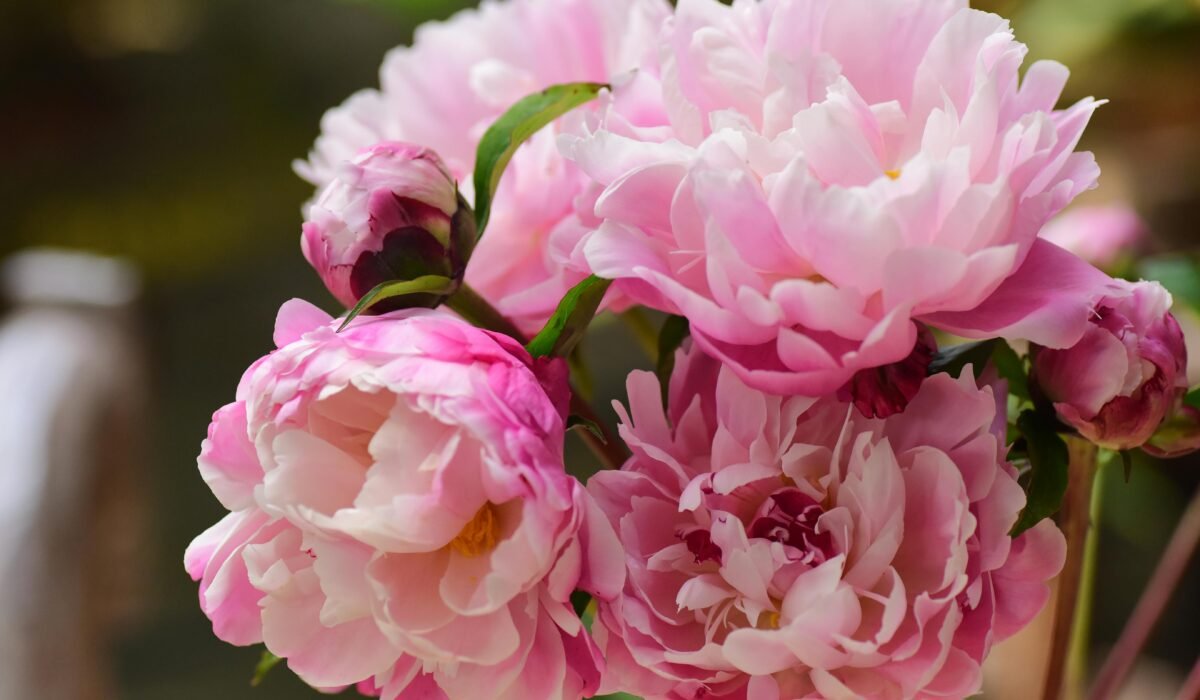
Are you dreaming of a garden overflowing with lush, vibrant peony blooms, but aren’t quite sure how to make it a reality? Learning how to grow peonies successfully is simpler than you might think, and this comprehensive guide will equip you with all the knowledge needed to cultivate these magnificent, long-lived flowers. We’ll cover everything from selecting the right variety to advanced care techniques, ensuring your efforts result in an abundance of spectacular blossoms year after year.
Understanding Peonies: Types and Best Varieties
Peonies are celebrated for their breathtaking beauty and impressive longevity, with some plants known to thrive for a century or more with proper care. Before you start planting, understanding the main types will help you choose the best peony varieties for your garden and climate.
Herbaceous Peonies
These are the most common type, dying back to the ground each winter and re-emerging in spring. They are incredibly hardy, typically growing well in USDA Zones 3-8, and are known for their large, fragrant blooms.
- ‘Elsa Sass’: A classic double white, offering pristine elegance.
- ‘Kansas’: Features striking double red blooms, an American Peony Society Gold Medal winner.
- ‘Coral Charm’: A semi-double coral-pink variety that fades to apricot, highly popular for its unique color.
- ‘Krinkled White’: A beautiful single white peony with crinkled petals, offering a delicate appearance.
Itoh or Intersectional Peonies
A hybrid cross between herbaceous and tree peonies, Itoh peonies offer the best of both worlds. They boast large blooms in a wide color range, strong stems that resist flopping, and disease resistance. They also die back in winter but develop woody stems above ground.
- ‘First Arrival’: A stunning semi-double lavender pink, known for its early blooms.
- ‘Bartzella’: Features impressive semi-double yellow flowers with red flares, a vigorous grower.
For those interested in Itoh peony care, it largely mirrors herbaceous care, but their stronger stems often negate the need for staking.
Tree Peonies
Unlike their herbaceous cousins, tree peonies develop woody stems that remain above ground all year, forming a small shrub. They typically bloom earlier than herbaceous varieties and offer enormous, often exotic-looking flowers. Tree peony care guide focuses on minimal pruning and winter protection for their woody structure.
- ‘Rock’s Variety’: A single white with prominent dark flares, celebrated for its robust nature.
How to Plant Peonies Successfully: A Step-by-Step Guide
The secret to abundant blooms starts with proper planting. Knowing when to plant peonies and how to do it correctly is crucial for their long-term health and flowering performance. The ideal time for planting is in the fall, typically from September to October, allowing roots to establish before winter.
-
Choose the Right Location: Peonies generally require at least 6 to 8 hours of direct sunlight per day for optimal blooming, as emphasized by University Extension Services. Choose a spot with well-drained soil, as they despise wet feet. Good air circulation is also important to prevent fungal diseases.
-
Prepare the Soil: Dig a generous hole, about 18 inches wide and deep. Amend heavy clay or sandy soils with organic matter like compost to improve drainage and fertility. Peonies prefer a slightly acidic to neutral pH (6.5-7.0).
-
Correct Peony Planting Depth: This is arguably the most critical step for herbaceous peonies. Plant the bare root so that the ‘eyes’ (pinkish growth buds) are only 1 to 2 inches below the soil surface. If planted too deeply, peonies may produce lush foliage but no flowers. Tree peonies should be planted with the graft union (the swollen part where the scion meets the rootstock) 4-6 inches below the soil line.
-
Positioning and Backfilling: Place the peony root in the hole, spreading the roots gently. Backfill with soil, gently firming it around the roots to remove air pockets. Water thoroughly after planting.
-
Spacing: Give your peonies plenty of room to grow, typically 3-4 feet apart, to ensure good air circulation and prevent competition for nutrients.
If you’re considering growing peonies in pots, choose a large container (at least 15-gallon) to accommodate their extensive root system, ensuring excellent drainage and protecting them from extreme temperatures.
Essential Peony Care for Abundant Blooms
Once planted, peonies are relatively low-maintenance, but consistent care ensures they reach their full blooming potential. Proper watering, support, and post-bloom attention are key.
Watering
While established peonies are drought-tolerant, consistent moisture is vital during their first year and during dry spells, especially from spring through early summer when buds are forming. Aim for about 1 inch of water per week, either from rain or irrigation. Do peonies need a lot of water? Not constantly, but deep, infrequent watering is better than shallow, frequent watering.
Staking
Many double-flowered herbaceous peony varieties, especially with their large, heavy blooms, benefit from support to prevent them from flopping over, particularly after rain. Metal peony rings or wire tomato cages placed early in the season, before plants grow too tall, provide excellent support without being too noticeable.
Peony Care After Bloom
After the magnificent show, peony care after bloom involves deadheading spent flowers to prevent seed formation, which diverts energy from the plant. Cut the flower stem back to a strong leaf. Leave the foliage intact throughout the summer and fall; the leaves are essential for photosynthesis, which stores energy for the following year’s blooms. Resist the urge to cut back foliage until it naturally dies down and yellows in the fall, just before the first hard frost.
Why Won’t Your Peonies Bloom? Troubleshooting Common Issues
One of the most common frustrations for gardeners is a peony that refuses to bloom. Why won’t my peonies bloom? It’s a burning question, and often, the answer lies in one of a few key factors. The short answer usually involves location, age, or care.
- Improper Planting Depth: As mentioned, planting herbaceous peonies too deeply is the number one culprit. The ‘eyes’ must be only 1-2 inches below the soil surface.
- Insufficient Sunlight: Peonies need at least 6-8 hours of direct sun daily. Shady conditions will result in few or no blooms.
- Immaturity: Young peonies often take a few years to establish and produce abundant flowers. Be patient; it might take 2-3 years for a newly planted peony to truly shine.
- Over-Fertilization: Too much nitrogen encourages leafy growth at the expense of flowers. Use a balanced, low-nitrogen fertilizer if needed.
- Crowding or Competition: Peonies need good air circulation and space. Overcrowding or competition from nearby trees and shrubs can hinder blooming.
- Late Frost Damage: A late spring frost can damage developing flower buds, preventing them from opening.
- Botrytis Blight: This fungal disease can cause buds to blacken and fail to open. Good air circulation and proper sanitation help prevent it.
The secret to growing peonies successfully often comes down to addressing these common issues proactively.
Fertilizing Peonies: When and What to Use
Peonies are not heavy feeders; in fact, over-fertilization can reduce blooming. If your soil is reasonably fertile, established peonies often require little to no additional fertilizer. However, if your soil is poor or you want to give them a boost, choose wisely.
When to fertilize peonies: The best time to fertilize is in early spring, just as new growth emerges, or in the fall after the foliage has died back. Avoid fertilizing heavily after buds have formed.
What is the best fertilizer for peonies?
When needed, opt for a balanced, slow-release fertilizer with a low nitrogen content, such as a 5-10-5 or 5-10-10 formulation. Bonemeal is a traditional choice, providing phosphorus for root and bloom development. Many gardeners also swear by a top dressing of well-rotted compost around the base of the plant, which slowly releases nutrients and improves soil structure. Alaska Morbloom Fertilizer (0-10-10) is specifically mentioned by some experts to stimulate budding and flowering, offering a phosphorus and potassium boost without excess nitrogen. Understanding basic garden fertilizers can help you make informed choices for your peonies.
Protecting Peonies: Disease, Pest, and Winter Care
Peonies are generally robust plants, but they can occasionally encounter issues. Proactive measures go a long way in keeping your plants healthy.
Peony Diseases and Pests
While ants are often seen on peony buds, they are typically harmless, attracted to the sugary nectar, and do not damage the plant. The most common disease affecting peonies is Botrytis Blight (gray mold), which causes buds to rot, stems to blacken, and leaves to develop brown spots. It thrives in cool, wet conditions.
- Prevention: Ensure good air circulation by proper spacing, avoid overhead watering, and remove all infected plant material promptly. Fall cleanup is crucial: cut back herbaceous peony foliage to the ground and dispose of it to prevent spores from overwintering.
- Organic Solutions: For persistent issues, consider an organic fungicide. Organic pest control methods can also be applied for other occasional pests like thrips or scale, though these are less common.
Winter Peony Protection
Do peonies come back every year? Absolutely! Peonies are perennial and incredibly hardy. For herbaceous peonies in most zones, minimal winter peony protection is needed beyond cutting back the foliage in late fall. A light layer of mulch (2-3 inches of straw or shredded leaves) can be beneficial for newly planted peonies or in extremely cold regions (USDA Zone 3) to prevent frost heave. For tree peonies, a burlap wrap or a cylinder of hardware cloth filled with straw can protect the woody stems from harsh winds and extreme cold, especially in their first few winters.
Extending Peony Blooms & Maximizing Cut Flower Life
To enjoy peonies for as long as possible, both in your garden and indoors, consider these advanced techniques for extending peony bloom and maximizing their vase life.
Staggered Planting
Choose a mix of early, mid, and late-blooming varieties (like ‘First Arrival’ for early, ‘Coral Charm’ for mid, and ‘Elsa Sass’ for late). This ensures a continuous display of flowers in your garden over several weeks, rather than a single, short burst.
Harvesting Peonies for Cut Flowers
The key to maximizing cut flower life is harvesting at the right stage. Cut blooms when they are in the “marshmallow stage” – meaning the buds are colored and soft to the touch, like a marshmallow, but not fully open. Harvest early in the morning after the dew has dried.
-
Clean Cut: Use a sharp knife or pruners to cut stems at an angle, leaving at least three leaves on the plant to ensure its health for next year.
-
Conditioning: Immediately plunge the cut stems into a bucket of cool water. Remove any foliage that would fall below the waterline in the vase to prevent bacterial growth.
-
Storage: For longer storage, wrap conditioned stems in damp newspaper and place them horizontally in a refrigerator (away from ripening fruits, which release ethylene gas). They can last for several weeks this way, ready to be brought out and enjoyed. When ready to display, re-cut the stems and place them in fresh water with flower food.
Regional Peony Challenges: Growing in Warm & Cold Climates
While peonies are generally adaptable, specific climatic conditions can pose challenges. Knowing how to grow peonies successfully in your particular region requires tailored strategies.
Growing Peonies in Warm Climates (e.g., USDA Zone 8 and higher)
Peonies, especially herbaceous varieties, require a period of cold dormancy (chilling hours) to set flower buds. In warmer climates, this can be a hurdle.
- Variety Selection: Opt for early-blooming herbaceous varieties that require fewer chilling hours, or consider Itoh peonies which are often more heat-tolerant.
- Microclimate Creation: Plant peonies on the north or east side of a building or under the dappled shade of deciduous trees. This provides afternoon shade, protecting them from intense heat and helping to prolong their dormancy.
- Adjusted Planting Depth: In very warm climates, planting herbaceous peonies with the eyes slightly shallower than the standard 1-2 inches (e.g., just barely below the soil surface) can sometimes help them receive enough chilling.
- Mulching: Apply a thick layer of organic mulch to keep the soil cooler and retain moisture.
Growing Peonies in Cold Climates (e.g., USDA Zone 3 and lower)
While peonies are cold-hardy, extreme winter conditions can still be a concern for young plants or tree peonies.
- Ensure Adequate Snow Cover: Snow acts as an excellent insulator. If natural snow cover is unreliable, apply a thick layer of straw or evergreen boughs after the ground freezes.
- Wind Protection: For tree peonies, strong winter winds can cause desiccation and damage to woody stems. Consider planting them in a sheltered location or providing a temporary windbreak.
- Mulching for New Plants: A generous layer of mulch for newly planted herbaceous peonies helps prevent frost heave, where freezing and thawing cycles push the roots out of the ground.
Frequently Asked Questions
Why won’t my peonies bloom?
The most common reasons for peonies not blooming include planting them too deeply, insufficient sunlight (less than 6-8 hours daily), immaturity (they need a few years to establish), or excessive nitrogen fertilizer. Ensure your peony’s ‘eyes’ are only 1-2 inches below the soil surface and it receives ample sun.
What is the best fertilizer for peonies?
Peonies are not heavy feeders, but if your soil needs enrichment, the best fertilizer is a low-nitrogen, balanced slow-release formula like 5-10-5 or 5-10-10, or a phosphorus-rich option like bonemeal. Applying well-rotted compost in spring or fall also provides gentle, sustained nutrition.
How much sun do peonies need to bloom?
For optimal blooming, peonies require at least 6 to 8 hours of direct sunlight per day. While they can tolerate some partial shade, especially in hotter climates, too little sun will result in sparse flowering or no blooms at all, prioritizing foliage growth instead.
How deep do you plant bare root peonies?
For herbaceous bare root peonies, it is crucial to plant them with the ‘eyes’ (growth buds) only 1 to 2 inches below the soil surface. Planting them deeper is a primary reason why peonies fail to bloom, as the energy is directed towards developing roots rather than flowers.
Mastering the art of growing peonies successfully is a rewarding journey that adds unparalleled beauty to any garden. By understanding their specific needs from planting depth to regional adaptations, you can ensure your peonies flourish for decades to come, providing an annual spectacle of abundant, beautiful blooms. Don’t hesitate to experiment with different varieties and techniques to discover what works best in your unique garden space.







