Want to unlock the absolute best flavors from your garden? Knowing when and how to harvest vegetables for flavor is the secret to transforming your homegrown produce from good to truly exceptional. This guide will walk you through the optimal timing and techniques to ensure every bite bursts with peak taste and nutrition, solving the common dilemma of bland or underdeveloped vegetables.
When is the Best Time of Day to Harvest Vegetables for Peak Flavor?
The optimal picking time for most garden vegetables is early morning, right after the dew has dried. This isn’t just a gardener’s old wives’ tale; there’s solid science behind it that directly impacts your fresh produce quality.
During the cooler night hours, plants convert starches into sugars, which then accumulate in the fruits and leaves. As the sun rises and temperatures climb, plants begin to respire more rapidly, consuming some of these precious sugars.
Harvesting in the morning ensures your vegetables retain their highest sugar content and turgor pressure, meaning they’ll be at their sweetest and juiciest. As Piedmont Master Gardeners advise, “Vegetable quality is at its highest at the time of harvest and begins to decrease rapidly thereafter.”
What most people miss is that morning harvests also mean your vegetables are cooler internally, which helps them last longer after picking. Cassey Anderson, Horticulture Agent at Colorado State University Extension, emphasizes this: “While you can harvest any time of the day, morning and evening are ideal as temperatures are cooler, and your produce will retain a better flavor profile.” If you must harvest when it’s warmer, she suggests keeping a container with cool water nearby to plunge your freshly harvested crops into.
Another crucial tip from Ken Johnson, University of Illinois Extension Horticulture Educator, is to avoid harvesting while plants are wet. This simple precaution helps prevent the spread of diseases, protecting your entire garden harvest.
How Do You Know When Vegetables Are Ripe for Picking?
Determining vegetable ripeness isn’t always about calendar days; it’s about observing key visual and tactile cues. Learning these indicators is fundamental to achieving the best flavor and texture from your garden harvest.
For many fruiting vegetables, size, color, and firmness are your primary guides. For example, bell peppers develop their full color and firmness, while tomatoes should be uniformly colored and slightly soft to the touch.
Root vegetables often signal ripeness by showing a bit of their “shoulder” above the soil line, or by reaching a specific diameter. Leafy greens, on the other hand, are ready when their leaves reach a usable size but are still tender.
The short answer is, it varies significantly by crop, but a general rule is to pick before they become overgrown or woody. Over-mature vegetables often lose their sweetness and develop an undesirable texture, highlighting the importance of timely harvesting techniques.
Mastering Specific Harvests: When and How to Pick Common Vegetables
To truly maximize vegetable flavor, you need a crop-specific approach. Here’s a detailed vegetable picking guide for some of the most popular garden staples, along with recommended harvesting tools.
Fruiting Vegetables: Squash, Tomatoes, Peppers, Peas & Beans
- Summer Squash (Zucchini): Harvest when small and tender, typically 2 inches in diameter and 6-8 inches long. For best flavor and texture, pick daily or every other day, as they quickly become seedy and lose quality if left on the vine.
- Tomatoes: For ultimate flavor, allow them to ripen fully on the vine until uniformly colored and slightly soft. You can also pick them at the “breaker stage” (half green, half pink) to ripen indoors without significant flavor loss, especially if pests or frost are a concern.
- Peas and Green Beans: Best when pods are fully grown but the seeds inside are still immature and tender. They lose sweetness quickly after picking as sugars convert to starch, so consume promptly.
- Peppers (Bell & Chili): Harvest when they reach their full size and desired color. Green bell peppers are typically picked before they change color, while red, yellow, or orange varieties are left on the plant longer to fully mature and sweeten.
- Eggplant: Pick when skin is glossy and firm, and fruit is about 6-8 inches long. Overripe eggplant can become bitter and seedy.
Root & Tuber Vegetables: Carrots, Radishes, Parsnips, Potatoes
- Carrots: Harvest when about an inch in diameter. Spring-planted carrots can become bitter and fibrous in summer heat if left too long. Fall-planted carrots actually become sweeter after the first frost.
- Radishes: Spring radishes are best when small (about 1 inch in diameter) and mild. If left too long, they become hot, sharp, and pithy.
- Parsnips: These develop their sweetest flavor after a few frosts. You can even leave them in the ground until early spring for an extended harvest. For more on growing root vegetables, check out our guide on How to Grow Root Vegetables Balcony.
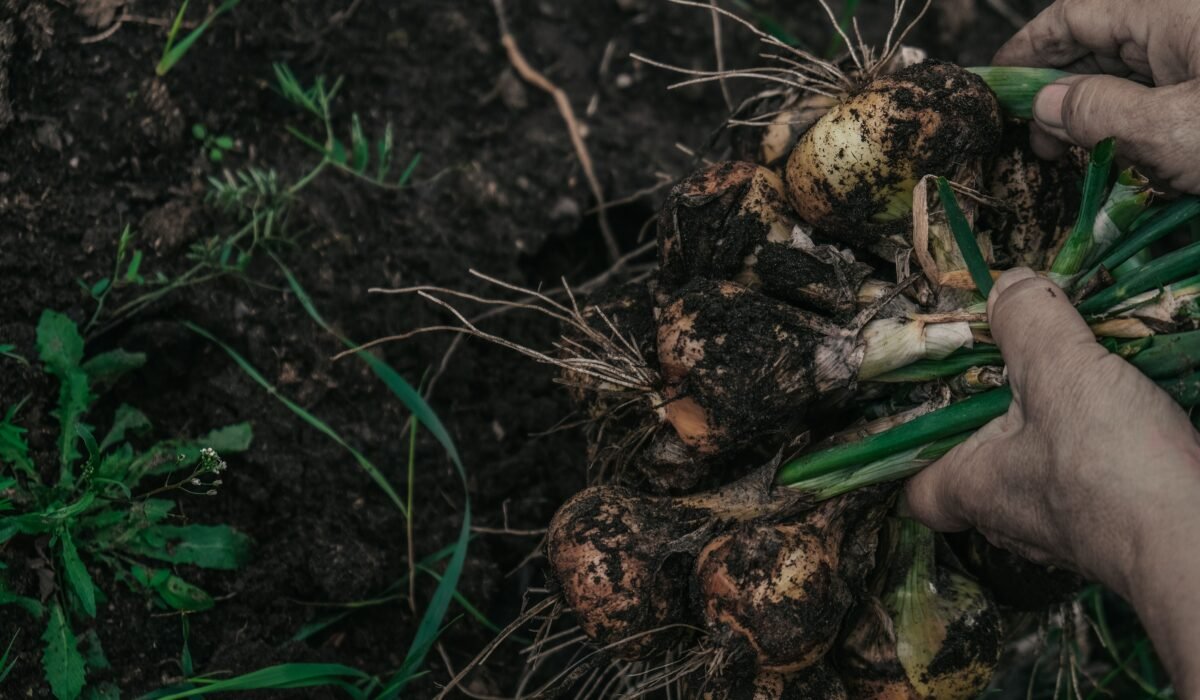
- Potatoes: New potatoes can be gently dug when plants begin to flower. For storage, wait until the plant tops die back completely, usually 2-3 weeks later, allowing skins to “set.”
Leafy Greens & Herbs: Lettuce, Kale, Spinach, Basil
- Leafy Greens (Lettuce, Kale, Spinach): Harvest individual outer leaves when they are 6-8 inches long for mature leaves, or when 2-3 inches long for “baby” leaves perfect for salads. Early morning harvest is crucial for crispness and sweetness.
- Basil: Snip stems just above a leaf node, encouraging bushier growth. Harvest leaves regularly to prevent flowering and maintain optimal flavor. You can find more tips on herbs in our Fastest Growing Annual Herbs for Quick, Continuous Harvests article.
Recommended Harvesting Tools
Having the right tools makes harvesting easier and prevents damage to your plants, promoting continued growth. Here are some essentials:
- Pruning Shears/Garden Scissors: Essential for crops with tougher stems like eggplant, cucumbers, peppers, and squash. Brands like Felco pruners and Fiskars PowerGear 2 Pruners are renowned for their durability and ease of use.
- Hori Hori Garden Knife: A versatile tool for digging root vegetables, cutting, and weeding. The Truly Garden Hori Hori Garden Knife is noted for its full-tang rustproof blade and comfortable handle.
- Garden Fork: Ideal for gently lifting root crops like potatoes, carrots, beets, and rutabagas, especially in hard or dry soil, minimizing damage to the produce.
- Garden Hod/TubTrug: A practical container for collecting your bounty without bruising it, allowing for airflow.
The Science Behind Flavor: How Harvest Time Impacts Taste & Nutrients
Understanding the underlying science helps you appreciate why precise harvest timing is so critical for peak flavor. It’s not just about tradition; it’s about biochemistry.
Vegetable flavor compounds are directly influenced by factors like sunlight exposure, temperature, and the plant’s metabolic state. For instance, the conversion of starch to sugar, which makes morning-picked vegetables sweeter, is a key biochemical process.
Research published in September 2025 highlights that the ripeness stage at harvest is the second most crucial factor, after genotype, impacting flavor quality in greenhouse vegetables. This underscores that even with perfect growing conditions, picking at the wrong time diminishes taste.
Consider essential oils, which contribute significantly to the aroma and taste of many herbs and vegetables. A May 2025 study on summer savory found that maximum essential oil content, including key flavor components like carvacrol, was obtained at the full bloom stage or 40-50% blooming period. This shows how specific plant development stages are tied to flavor intensity.
Beyond taste, harvest timing also impacts nutrient content. Studies have observed increases in non-reducing sugars and Vitamin C in tomatoes grown under enhanced CO2 conditions, potentially enhancing health benefits. Lycopene and β-carotene concentrations increased by up to 30% and 70% respectively in tomato fruit in a study by Zhang et al. (2014), and carotenoid (+20%) and lycopene (+31%) levels for tomatoes grown at 550 ppm CO2 (Rangaswamy et al., 2021). This means your choices for when and how to harvest vegetables for flavor also directly influence their nutritional value.
For more in-depth information on plant physiology and nutrient uptake, resources like the University of Minnesota Extension offer excellent guides.
Advanced Harvesting: Maximizing Yields with “Cut-and-Come-Again” Strategies
For many leafy greens and herbs, the “cut-and-come-again” method is a game-changer, allowing you to enjoy continuous harvests and maximize vegetable flavor throughout the season. This strategy hinges on encouraging the plant to produce more, rather than a single, one-off yield.
Corbin Scholz, Seed Savers Exchange Farm Director, explains the core principle: “Harvesting fruit or removing flowers before the plant puts all its energy into creating seeds, causes the plant to ‘panic’ and produce more—as a survival method.” This same biological drive applies to leafy greens when you strategically remove outer leaves.
The key to successful cut-and-come-again harvesting is knowing where to cut. For lettuce, spinach, and kale, snip individual outer leaves near the base of the plant, leaving the central growing point intact. For basil and other herbs, pinch back stems just above a leaf node (where two leaves emerge), which encourages two new stems to grow.
Optimal frequency for this method is typically every few days or once a week, depending on the crop’s growth rate. This consistent removal of leaves signals to the plant that it needs to produce more, leading to a sustained supply of tender, flavorful produce. In fact, optimized harvest timing methods can produce up to 78% more than traditional single-harvest techniques, especially for crops like lettuce.
This approach not only extends your garden harvest but also often results in more tender leaves, as you’re consistently picking younger growth. It’s an effective way to maximize organic garden yields and enjoy fresh greens for longer.
Beyond the Basics: Soil Health, Water, and Troubleshooting Off-Flavors
While proper harvest timing is crucial, the quality of your vegetables is also deeply rooted in the health of their environment. Soil impact on taste and consistent watering are foundational to preventing off-flavors and ensuring delicious produce.
Poor soil health, lacking essential nutrients or with imbalanced pH, can lead to stunted growth and bland or bitter vegetables. For instance, inconsistent watering can cause problems like cracked tomatoes or bitter radishes. When plants experience stress, they can produce defense compounds that alter flavor, often making it unpleasant.
Troubleshooting Common Off-Flavors
- Bitterness: Often caused by heat stress, inconsistent watering, or bolting (when a plant goes to seed prematurely). Lettuce, radishes, and cucumbers are particularly prone to this. Try harvesting earlier in the day or providing more consistent moisture.
- Woody Texture: Typically a sign of over-maturity, especially in asparagus, beans, or broccoli. Harvest these crops when they are young and tender.
- Blandness: Can result from nutrient deficiencies in the soil, insufficient sunlight, or harvesting too early before flavor compounds have fully developed. Ensure your soil is rich in organic matter and your plants receive adequate light.
- Pest Stress: Plants under attack by pests can put energy into defense mechanisms rather than flavor development. Managing pests effectively, as discussed in our Pest Resistant Organic Garden Design guide, is key.
If you encounter off-flavors, don’t despair. Understanding the cause allows you to adjust your gardening practices for future harvests. For guidance on improving soil, the Oregon State University Extension provides excellent resources on soil testing and amendments.
Does Harvesting Vegetables Encourage More Growth and Production?
Yes, absolutely! For many types of vegetables, especially those harvested repeatedly, regular harvesting actively encourages more growth and production. This is a fundamental principle of maximizing your garden’s yield and extending the harvest season.
When you pick ripe vegetables, you’re essentially signaling to the plant that its reproductive cycle isn’t complete. The plant’s primary goal is to produce seeds to ensure the next generation. By removing fruits or leaves before seeds fully mature, the plant “thinks” it needs to produce more flowers and fruits to achieve its reproductive goal.
This mechanism is particularly evident in “cut-and-come-again” crops like leafy greens, herbs, and many types of beans and peppers. Consistent picking prevents the plant from putting all its energy into seed production, redirecting that energy into vegetative growth and new fruit set instead. It’s a powerful feedback loop that you, the gardener, control to ensure a continuous and abundant garden harvest.
Frequently Asked Questions
What is the best time of day to harvest vegetables for best flavor?
The best time of day to harvest vegetables for peak flavor is in the early morning, right after the dew has dried. At this time, vegetables have the highest sugar content and turgor pressure, making them sweetest, juiciest, and crispest, as they haven’t yet begun to lose moisture and sugars to respiration in the heat of the day.
What vegetables are best picked small?
Many vegetables offer superior flavor and texture when picked small or “baby” size. Examples include summer squash (like zucchini), radishes, carrots, and leafy greens such as lettuce and spinach. Picking these crops when young ensures tenderness, prevents bitterness, and often encourages the plant to produce more.
How do you know when a vegetable is ripe?
Knowing when a vegetable is ripe involves observing specific visual and tactile cues unique to each crop. Look for full, vibrant color, appropriate size for the variety, and a firm but not hard texture. For some, like peas and beans, the stage of the seeds inside the pod indicates ripeness, while others like tomatoes will yield slightly to gentle pressure.
Does harvesting vegetables encourage more growth?
Yes, for many vegetables, especially those that produce continuously, regular harvesting absolutely encourages more growth and production. By removing ripe fruits or leaves, you prevent the plant from putting all its energy into seed development, prompting it to produce more flowers, fruits, and foliage in an effort to complete its reproductive cycle.
Mastering when and how to harvest vegetables for flavor is an art that significantly elevates your gardening experience and the quality of your meals. By understanding the science, observing your plants closely, and using the right techniques, you can ensure every garden harvest is a celebration of peak flavor. Apply these optimal picking time strategies in your garden this season, and taste the difference for yourself.