Are you struggling to get your indoor hydroponic plants to produce fruit or vegetables? You’re likely encountering one of the most common challenges for indoor growers: effective hydroponic pollination techniques. Without the natural assistance of wind or buzzing insects, your vibrant flowers can remain barren, leading to disappointing yields. This comprehensive guide will walk you through everything you need to know, ensuring your indoor garden thrives and delivers abundant harvests.
Why Do Hydroponic Plants Need Pollination Indoors?
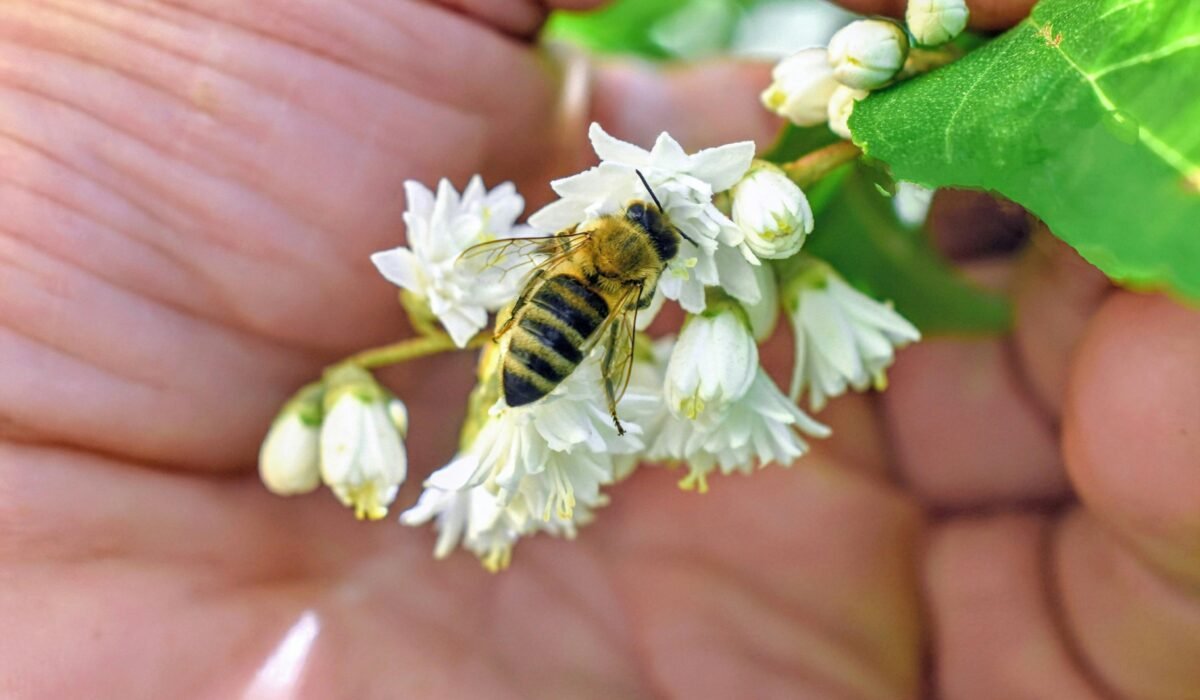
The short answer is: because nature isn’t there to do it for you. In outdoor environments, bees, butterflies, other insects, and even a gentle breeze perform the vital task of transferring pollen from one part of a flower to another, or from one flower to another. This natural process is called pollination, and it’s essential for a plant to produce fruit or seeds.
Indoors, your hydroponic garden creates a controlled environment, which is great for growth but isolates plants from these natural agents. As Lynette Morgan, an expert from the Fairbanks Soil and Water Conservation District, points out, “Pollination and the resulting fruit set are vital processes for many common hydroponic crops, and an indoor garden can pose challenges to both.” Without human intervention or specialized tools, your plants will flower beautifully but often fail to produce any actual food, severely limiting your indoor fruit production.
Understanding this fundamental difference is the first step toward achieving a bountiful hydroponic yield. You become the bee, the wind, and the primary catalyst for successful fruit development.
Understanding Hydroponic Pollination Techniques
Effective hydroponic pollination techniques hinge on recognizing flower anatomy and plant types. Pollination involves moving pollen from the anther (male part) to the stigma (female part) of a flower. This simple act unlocks the plant’s ability to develop fruit.
Self-Pollinating vs. Cross-Pollinating Plants
Not all plants pollinate in the same way, and knowing the difference is key to your approach. Self-pollinating plants, like tomatoes, peppers, and eggplants, have both male and female reproductive organs within the same flower, or separate male and female flowers on the same plant. They can theoretically pollinate themselves, but still greatly benefit from assistance indoors to ensure good pollen transfer and a strong fruit set. As Lynette Morgan notes, “many crops benefit from a well-timed helping hand as large amounts of pollen transfer, which helps ensure improved fruit size, shape, and uniformity.”
Cross-pollinating plants, such as cucumbers, melons, and squash, typically require pollen from a different flower, often on a different plant, to produce fruit. These plants usually have separate male and female flowers. Identifying which type you’re growing will dictate the specific methods you’ll use for successful indoor fruit production.
Manual Pollination Methods for Hydroponic Gardens
For most home hydroponic growers, manual pollination is the most accessible and effective starting point. These techniques are straightforward and can significantly boost your hydroponic yield, with hand pollinators reportedly increasing yield by 30-40% over natural methods.
The Hand Pollination Method
Hand pollination is the most direct way to transfer pollen. You’ll need a soft brush (like a small artist’s brush or a dedicated pollination brush from brands like Aquager Technologies) or a cotton swab.
- Identify Ready Flowers: Look for fully open flowers, typically in the morning when pollen is most viable.
- Collect Pollen: Gently swirl or dab the brush inside a male flower (or the anthers of a self-pollinating flower) to collect visible pollen.
- Transfer Pollen: Carefully transfer this pollen to the stigma (the sticky center) of a female flower or another flower on a self-pollinating plant. Repeat this process for all open flowers, ensuring ample pollen distribution.
This method is particularly effective for larger flowers or when you want precise control, making it the best way to hand pollinate delicate blooms.
Electric Toothbrush Pollination Technique
The electric toothbrush pollination technique is a favorite for plants that benefit from “buzz pollination,” like tomatoes, peppers, and eggplants. These plants release pollen more readily when vibrated. Oregon State University’s Hydroponics Team highlighted the benefits of buzz pollination for these crops.
To use this method, simply turn on a standard electric toothbrush (a non-spinning head is often best) and gently touch the vibrating bristles to the stem or base of each flower for a few seconds. You’ll often see a visible cloud of pollen released. This mimics the vibrations of a bumblebee, ensuring excellent pollen transfer and a robust fruit set.
Gentle Shaking or Tapping
For many self-pollinating plants, a simple, gentle shake or tap can be enough. This method encourages pollen to fall from the anthers onto the stigma within the same flower. The Click & Grow Help Desk advises this technique, suggesting you “gently shak[e] plants” to move pollen. Perform this daily during flowering, ideally when the air is dry and pollen is loose. This is a quick and easy way to assist with hydroponic tomato pollination tips.
Advanced Tools & DIY Automation for Hydroponic Pollination
As your indoor hydroponic garden grows, or if you’re looking for more efficient methods beyond daily manual tasks, advanced tools and DIY automation can become invaluable for maintaining a high hydroponic plant yield.
Specialized Pollination Brushes and Vibrators
Beyond basic artist brushes, several specialized tools exist. Pollination brushes from brands like Aquager Technologies are designed with ultra-soft nylon bristles specifically for gentle pollen transfer. For larger setups, commercial-grade electric vibrators or “tomato buzzers” are available, offering more power and coverage than a standard electric toothbrush, especially when you need to know how to pollinate hydroponic tomatoes efficiently.
These tools can dramatically increase efficiency. For instance, specialized pollination brushes are claimed to increase fruit yield by up to 300% for crops like tomatoes, peppers, and strawberries in indoor hydroponic systems, according to various suppliers.
DIY Airflow and Fan Systems
Mimicking wind is a simple form of automation. Strategically placed oscillating fans can create gentle air movement around your plants, helping to dislodge pollen and distribute it among flowers. This is particularly useful for self-pollinating plants. Ensure the airflow is gentle enough not to stress the plants or dry out flowers excessively, but strong enough to visibly rustle the leaves and flowers. This method contributes to good pollen viability by keeping the air circulating.
Consideration for Bumblebee Hives (Larger Systems)
For advanced home growers with larger indoor hydroponic setups, or those aiming for commercial-scale production, introducing bumblebee hives can be a highly effective, natural solution. Bumblebees are excellent at “buzz pollination,” which is especially beneficial for crops like tomatoes and peppers. Oregon State University’s Hydroponics Team discussed the success of managing environmental conditions and using bumblebees for optimal success in their October 2023 webinar. This, however, requires careful management of the hive and environmental conditions to ensure the bees thrive.
Plant-Specific Hydroponic Pollination Guides
While general techniques apply, tailoring your approach to specific plants ensures optimal hydroponic yield and fruit quality. Kryzen, a hydroponic farming company, emphasizes that efficient pollination contributes to improved fruit quality and increased yields.
How to Pollinate Hydroponic Tomatoes
Tomatoes are classic self-pollinators that benefit immensely from vibration. The electric toothbrush pollination technique is ideal here. Gently touch the stem behind each flower cluster or the base of individual flowers with a vibrating electric toothbrush for a few seconds. Do this daily, or every other day, when flowers are open, preferably in the morning. This ensures maximum pollen release and successful fruit set for your indoor hydroponic fruit production.
Pollinating Cucumbers in Indoor Hydroponics
Cucumbers are often cross-pollinating, meaning they have separate male and female flowers. Identifying them is crucial: female flowers have a tiny fruit (the ovary) behind them, while male flowers do not. To pollinate:
- Identify: Locate male and female flowers.
- Collect: Pick a freshly opened male flower, carefully remove its petals, exposing the anther.
- Transfer: Gently dab or rub the anther directly onto the stigma of a female flower.
Alternatively, use a small paintbrush to transfer pollen from male to female flowers. Repeat for all newly opened female flowers.
How to Pollinate Hydroponic Strawberries
Strawberries are generally self-fertile but benefit greatly from assistance to produce larger, better-formed fruit. Use a small, soft brush (like an Aquager Technologies pollination brush) to gently swirl inside each flower, transferring pollen from the anthers to the central stigma. Do this daily while flowers are open. Consistent hand pollination will significantly improve the size and shape of your berries, boosting your overall hydroponic plant yield.
Optimizing Environment for Hydroponic Pollen Viability
Beyond the physical act of pollination, the surrounding environment plays a critical role in the success of your efforts. Environmental control directly impacts pollen viability and a plant’s ability to set fruit.
Temperature and Humidity
Optimal conditions are crucial. For most fruiting plants, a temperature range of 65-75°F (18-24°C) is ideal during flowering. Humidity levels are even more vital for pollen. If humidity is too high (above 70%), pollen can become sticky and clumpy, making transfer difficult. If it’s too low (below 40%), pollen can dry out and lose viability quickly. Aim for a moderate humidity range of 40-60% for best results.
To achieve this, consider using a humidifier or dehumidifier, along with accurate hygrometers, to maintain precise control. Proper fan placement also aids in air circulation, preventing stagnant, overly humid pockets around flowers.
Airflow and Ventilation
Good air circulation is not just for mimicking wind; it also helps regulate temperature and humidity, preventing fungal issues and promoting healthy plant growth. Ensure your grow space has adequate ventilation and gentle air movement. This helps to dry pollen just enough to make it easily transferable, without desiccating it entirely. A well-ventilated environment supports robust flowering and overall plant health, which are prerequisites for successful fruit set.
Lighting Considerations
Sufficient light intensity and spectrum are essential for healthy flower development and pollen production. Plants need adequate energy to produce viable pollen and later, to support fruit development. Ensure your grow lights are appropriate for the flowering stage of your specific plants, providing the necessary intensity and duration (typically 12-16 hours per day for fruiting plants) to support vigorous growth and ample pollen.
Troubleshooting Hydroponic Pollination Issues
Even with the best techniques, you might encounter challenges. The Click & Grow Help Desk correctly states that “Lack of pollination usually results in few or no fruits.” However, issues can extend beyond just no fruit at all.
Flowers but No Fruit
This is the classic symptom of insufficient pollination. If your plants are flowering but no fruit is developing, or the flowers are simply dropping off, it’s almost certainly a pollination problem.
- Solution: Re-evaluate your manual pollination efforts. Are you pollinating daily? Are you being thorough with each flower? Is your chosen method appropriate for the plant type (e.g., vibrating tomatoes)? Ensure you are transferring enough pollen.
- Insight: Sometimes, flowers might be sterile due to nutrient deficiencies or environmental stress, so check your nutrient solution and environmental parameters too.
Malformed or Deformed Fruit
If you’re getting fruit, but it’s small, misshapen, or only partially developed, this often indicates incomplete pollination. Not enough pollen made it to all the ovules within the flower, leading to uneven development.
- Solution: Increase the vigor and frequency of your pollination efforts. Ensure you’re reaching all parts of the stigma and transferring a generous amount of pollen. Consider switching to a more effective method, such as an electric toothbrush for buzz-pollinated plants.
- Observation: Malformed fruit can also be a sign of calcium deficiency, so monitor your nutrient solution’s balance.
Fruit Drop or Aborted Fruit
Sometimes, tiny fruits start to form but then shrivel and fall off. This can be due to poor pollination, but it’s also frequently linked to environmental stress or nutrient imbalances.
- Solution: Check your temperature and humidity levels, as extreme fluctuations can cause stress. Ensure your nutrient solution is balanced and replenished regularly. Overwatering or underwatering (in terms of nutrient solution levels) can also stress plants.
- Expert Tip: Extreme temperatures (too hot or too cold) can significantly reduce pollen viability and lead to fruit abortion.
Inconsistent Fruit Set
You might have some flowers producing fruit, while others on the same plant or different plants are not. This suggests varying effectiveness in your pollination routine.
- Solution: Be more systematic. Pollinate every open flower, every day, or every other day, depending on the plant. Ensure you’re giving equal attention to all plants and flowers, especially those in less accessible areas of your garden.
- What most people miss: Often, growers focus on the most visible flowers and neglect those hidden by foliage.
Maximizing Yield: Best Practices for Successful Fruit Set
Achieving a truly abundant hydroponic yield goes beyond just knowing the techniques; it involves integrating best practices into your routine. The global hydroponics market, valued at USD 17.3 billion in 2024, is projected to reach USD 66.6 billion by 2033, underscoring the potential for high-yield indoor growing.
Consistency is Key
Pollination is not a one-time event. For continuous fruit production, you need to pollinate newly opened flowers regularly. For most fruiting plants, daily pollination or every other day is recommended during the flowering period. This ensures that every potential fruit has the best chance to develop.
Timing Matters
Pollen is generally most viable and abundant in the morning, after the dew has dried but before the hottest part of the day. Aim to perform your pollination tasks during this window, typically between 9 AM and 1 PM. This aligns with natural pollinator activity and optimizes pollen viability for the best fruit set.
Cleanliness of Tools
Regularly clean your brushes or electric toothbrush heads. This prevents the spread of potential diseases and ensures that pollen transfer is efficient. A build-up of old, non-viable pollen can hinder fresh pollen from sticking to the stigma, reducing your chances of successful indoor fruit production.
Pruning for Better Access
Strategic pruning can improve airflow and make flowers more accessible for pollination. Remove any excess foliage that might be shading flowers or making them difficult to reach. This also helps the plant direct more energy into fruit development rather than leaf growth, ultimately boosting your hydroponic plant yield.
For more insights on keeping your hydroponic system in top shape, consider reviewing a Hydroponic System Maintenance Checklist.
Patience and Observation
Fruit development takes time. After successful pollination, it can take several days to a week or more for the tiny fruit to become noticeable. Regularly observe your plants for signs of successful fruit set, and adjust your techniques as needed. Your keen eye is your most valuable tool in the quest for a thriving indoor garden.
Frequently Asked Questions
How do you pollinate hydroponic plants indoors?
You pollinate hydroponic plants indoors primarily through manual methods, as natural pollinators like bees and wind are absent. Common techniques include hand pollination using a small brush to transfer pollen, or using an electric toothbrush to gently vibrate flowers, especially for self-pollinating plants like tomatoes and peppers.
Do indoor hydroponic plants need to be pollinated?
Yes, most indoor hydroponic plants that produce fruits or vegetables, such as tomatoes, peppers, strawberries, and cucumbers, need to be pollinated to develop fruit. Without pollination, flowers will typically bloom but fail to produce any viable fruit, leading to a significantly reduced or non-existent harvest.
What is the best way to pollinate indoor plants?
The “best” way to pollinate indoor plants depends on the specific crop. For self-pollinating plants like tomatoes, the electric toothbrush pollination technique is highly effective. For cross-pollinating plants or those with delicate flowers, hand pollination with a soft brush or cotton swab is often preferred, ensuring precise pollen transfer between male and female flowers.
Do you need to pollinate hydroponic tomatoes?
Yes, you absolutely need to pollinate hydroponic tomatoes, even though they are self-pollinating. While they have both male and female parts in each flower, they require physical agitation (like wind or a bee’s buzz) to release pollen effectively onto the stigma. The electric toothbrush method is particularly effective for encouraging this “buzz pollination” and ensuring a good fruit set.
Mastering hydroponic pollination techniques is a game-changer for your indoor garden, transforming it from a decorative display into a productive powerhouse. By understanding your plants’ needs, employing the right manual or semi-automated methods, and optimizing your environment for peak pollen viability, you’ll unlock the full potential of your hydroponic system. Start applying these expert strategies today, and watch your indoor fruit and vegetable production soar, yielding the bountiful harvests you’ve always dreamed of.