Are you struggling to get the most out of your indoor garden, wondering how to cram more thriving plants into your limited setup? Effective hydroponic grow space optimization is the secret weapon for maximizing every inch and boosting your harvest significantly. This comprehensive guide will equip you with the precision strategies needed to turn your compact hydroponic system into a yield-generating powerhouse.
Why is Hydroponic Plant Spacing So Crucial for Yield?
Proper hydroponic plant spacing isn’t just about aesthetics; it’s a fundamental pillar of successful hydroponic gardening that directly impacts your yield. When plants have adequate room, they gain unrestricted access to vital resources like light, air, and nutrients, which are essential for robust growth.
What most people miss is that overcrowded plants compete fiercely for these resources, leading to stunted development and significantly reduced harvests. Studies have shown that optimal spacing and strategic pruning can boost flower yield by a substantial 18% to 37%, demonstrating the quantifiable impact on your overall success.
This attention to detail ensures that each plant receives its fair share, allowing it to reach its full genetic potential and maximize your yield per square foot hydroponics.
Hydroponic vs. Soil Spacing: What’s the Key Difference?
If you’re transitioning from traditional soil gardening, you might wonder why hydroponic plant spacing often differs. The key lies in the nutrient delivery system and the plant’s root structure. In hydroponics, plants receive nutrients directly from the water solution, eliminating the need for extensive root systems to forage for food and moisture.
Here’s the thing: this direct nutrient access means hydroponic plants can grow up to 3 times faster and produce yields double the size in less than half the time compared to soil-grown plants. Their root zones are more compact, allowing you to often grow more plants in a smaller area without compromising individual plant health.
However, this efficiency doesn’t negate the need for smart spacing; it simply shifts the focus from root competition in soil to canopy management and airflow in various hydroponic system types.
How Close is Too Close? Understanding Overcrowding in Hydroponics
The question of “how close is too close in hydroponics?” is critical for preventing common pitfalls that plague many growers. When plants are packed together too tightly, they initiate a fierce competition for light, causing lower leaves to yellow and drop due to inadequate exposure.
Poor airflow is another significant consequence of overcrowding, creating a stagnant, humid microclimate that is a breeding ground for pests and diseases like powdery mildew or botrytis. This isn’t just about aesthetics; it directly impacts plant health and can lead to widespread crop loss. Nutrient deprivation also becomes an issue as multiple root systems vie for the same dissolved minerals, resulting in stunted growth and diminished fruit or leaf production.
In practice, optimal grow tent spacing is about finding the sweet spot where each plant thrives without negatively impacting its neighbors, ensuring robust development and preventing common problems.
Hydroponic Plant Spacing Chart: Recommendations for Common Crops
A reliable hydroponic plant spacing chart is an invaluable tool for planning your garden layout and ensuring optimal growth from the start. While specific needs can vary, these general guidelines for common crops offer an excellent starting point for your hydroponic grow space optimization efforts.
| Crop Type | Recommended Spacing | Notes on Growth |
|---|---|---|
| Leafy Greens (Lettuce, Spinach, Kale) | 4-8 inches (10-20 cm) | Ideal for high-density NFT systems; consider 8 inches on center for commercial NFT lettuce spacing. |
| Herbs (Basil, Mint, Cilantro) | 6-10 inches (15-25 cm) | Can often be grown closer, but wider spacing promotes bushier growth and better airflow. |
| Strawberries | 8-12 inches (20-30 cm) | Allows runners to spread and fruit to develop without crowding. |
| Peppers (Bell, Chili) | 12-18 inches (30-45 cm) | Requires significant canopy space and support as they mature. Max Barnes suggests 12 inches with pruning. |
| Tomatoes | 12-18 inches (30-45 cm) | Needs ample room for vigorous growth and trellising; some recommendations are 10-14 inches when trained. |
| Cucumbers | 18-24 inches (45-60 cm) | Vining plants require substantial horizontal or vertical space and support. |
This hydroponic spacing chart provides a foundational understanding, but remember that factors like your specific system, light intensity, and chosen variety can influence the best spacing for your setup. Always observe your plants and adjust as needed.
Dynamic Spacing & Pruning: Maximizing Space as Plants Mature
The short answer is, plant spacing isn’t a one-and-done decision; it’s a dynamic process that evolves with your plants. As seedlings grow into mature plants, their needs change, and so too should your approach to pruning for hydroponic space.
One effective strategy is to start seedlings closer together in a nursery system and then thin or transplant them to their final, wider spacing as they mature. This allows you to maximize initial germination space. Beyond initial placement, strategic pruning hydroponic plants is paramount for managing canopy size and promoting better light penetration and airflow.
Advanced techniques such as Low Stress Training (LST), topping, and FIMming can be employed to manipulate plant shape, creating a more compact and productive canopy within a limited footprint. Trellising and staking also play a crucial role, guiding vertical growth and preventing sprawling, which frees up valuable horizontal space.
Optimizing Grow Space in Different Hydroponic Systems (NFT, DWC, Vertical, Tower)
The best approach to hydroponic grow space optimization varies significantly depending on the type of system you employ. Each system has unique characteristics that influence ideal plant density and layout.
Nutrient Film Technique (NFT) System Spacing
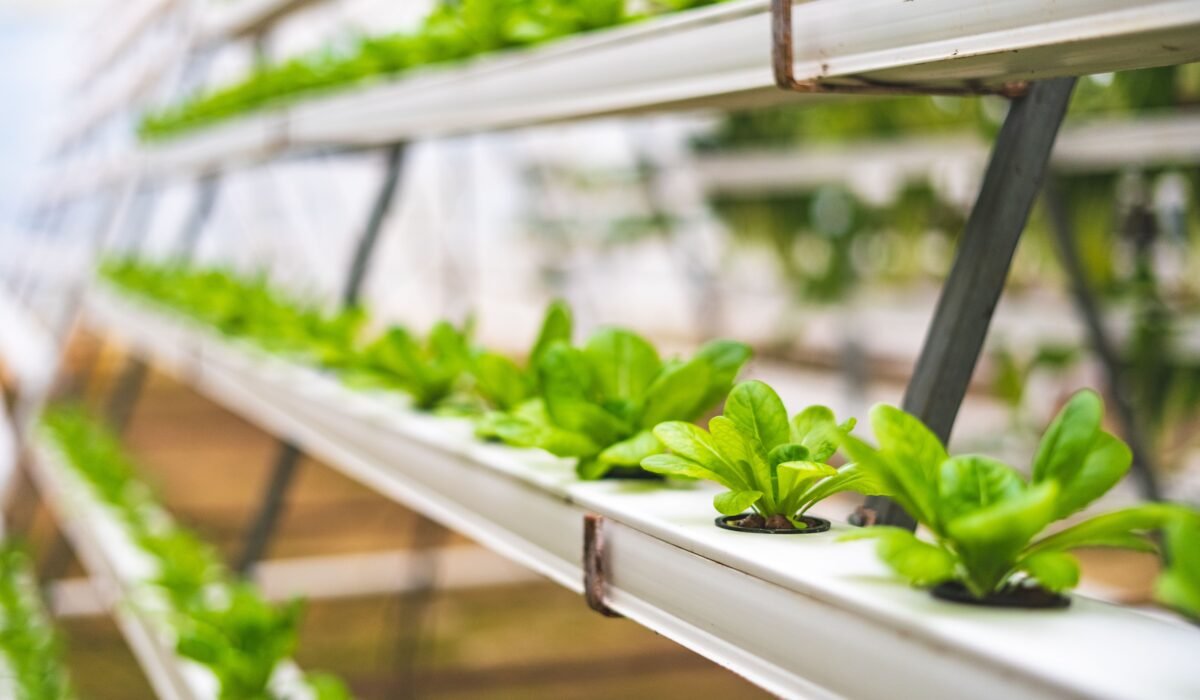
NFT systems are exceptionally popular for leafy greens and herbs due to their efficient use of water and nutrients. For these fast-growing, compact plants, NFT lettuce spacing is typically quite dense. A common recommendation for leafy greens like lettuce and spinach in an NFT system spacing is 4–6 inches (10–15 cm) between plants, supporting high-density production. For commercial operations, Growers Supply recommends 8 inches on center for optimal yield and airflow in nutrient film technique setups.
Deep Water Culture (DWC) Spacing
Deep Water Culture (DWC) is excellent for larger, faster-growing plants, especially fruiting varieties. For robust plants like tomatoes or peppers, deep water culture spacing often involves using individual 5-gallon DWC buckets. These buckets can then be spaced 10–18 inches apart, depending on the plant’s mature size and whether you are pruning or trellising. The Tobato 5 – Dutch Bucket Hydroponic Growing System is a good example of a setup designed for these larger plants, allowing for flexible spacing.
Vertical & Tower Hydroponics Density
Vertical and tower hydroponic systems are the champions of space-saving, allowing for incredible plant density in minimal footprints. These systems are ideal for urban growers or anyone with limited horizontal space. An Airponic tower system, for instance, can cultivate up to 40 plants in just 1.6 square feet of space, showcasing impressive vertical hydroponics density. Examples like the Gardyn Studio 2, Farmstand 20 Plant Nook, and LetPot LPH-Max demonstrate how these systems allow for a very high vertical hydroponics plant density by growing upwards.
Dutch Bucket System Spacing
Dutch Bucket systems are highly versatile, often used for medium to large fruiting plants like tomatoes, cucumbers, and peppers. For these plants, Growers Supply recommends a generous 6-foot row spacing with 16-18 inches in-row spacing. This dutch bucket spacing provides ample room for the plants to develop extensive root systems and large canopies, supported by trellising, which is crucial for maximizing yield in these robust systems.
What truly sets successful growers apart is understanding these system-specific nuances and adapting their spacing strategies accordingly. This ensures every plant receives what it needs, regardless of the system type.
Boosting Your ROI: The Economic Value of Optimal Hydroponic Spacing
This isn’t just about bigger plants; it’s about maximizing your return on investment (ROI) for every resource you dedicate to your hydroponic garden. Optimal hydroponic grow space optimization directly translates into tangible economic benefits. By ensuring each plant has adequate light, air, and nutrients, you inherently increase the yield per square foot hydroponics, producing more harvestable product from the same physical area.
This efficiency reduces wasted resources, as fewer plants are lost to disease or stunting, and your lighting and nutrient solutions are utilized more effectively across a healthy, productive canopy. Faster growth rates, a hallmark of hydroponics, coupled with ideal spacing, allow for quicker crop cycles and more harvests throughout the year, further boosting your overall output and profitability.
Ultimately, a well-planned layout that considers maximize hydroponic yield through precise spacing transforms your grow space from a mere container into a highly efficient, profit-generating engine, making every watt of light and drop of nutrient count.
Frequently Asked Questions
What is the best spacing for lettuce in hydroponics?
For lettuce and other leafy greens in hydroponic systems, a spacing of 4-8 inches (10-20 cm) is generally recommended. In NFT systems, this allows for high-density production while still ensuring adequate light and airflow for each plant to thrive, with commercial recommendations often at 8 inches on center.
How far apart should tomatoes be in a hydroponic system?
Tomatoes in a hydroponic system typically require significant space due to their vigorous growth and fruiting habits. A spacing of 12-18 inches (30-45 cm) between plants is often recommended. This range allows for proper air circulation, light penetration, and ample room for trellising or staking, which is crucial for supporting the heavy fruit load.
How close is too close in hydroponics?
Plants are too close in hydroponics when they begin to shade each other, hindering light penetration to lower leaves, or when airflow becomes restricted. This leads to stunted growth, increased risk of fungal diseases like powdery mildew, and competition for nutrients, ultimately reducing overall yield and plant health.
Do all plants need the same amount of space to grow hydroponically?
No, not all plants require the same amount of space in hydroponics; spacing needs vary significantly by plant type and growth habit. Leafy greens like lettuce can be grown much closer together (4-8 inches) than large fruiting plants like tomatoes or cucumbers (12-24 inches), which demand more room for their canopy and root development.
Mastering hydroponic plant spacing is a critical skill that directly influences the success and profitability of your indoor garden. By implementing these precision strategies for hydroponic grow space optimization, you’re not just growing plants; you’re cultivating an efficient, high-yielding system. Start applying these principles today to see a remarkable difference in your harvests and overall gardening satisfaction.