Key Takeaways
- The global indoor plant market was valued at approximately $20–21 billion in 2025, reflecting growing interest.
- Philodendron domesticum can reduce mold spores by 60% in humid indoor environments over 7 days, according to Gitnux.
- Peace Lilies can increase air humidity by 10-15% in a 50m³ room with five plants, as reported by Gitnux.
- Demand for “low-input, high-output” plant species rose 68% year-over-year in 2025, per the Royal Horticultural Society.
- Online platforms for plant sales are projected to grow at a 10.05% compound annual growth rate through 2031, according to Terrarium Tribe.
Are you wondering which green companions can truly flourish in your steamy sanctuary? Finding the Best Indoor Plants for Bathroom Humidity can transform your bathroom into a lush, spa-like retreat while also tackling excess moisture. With my 10+ years of experience in horticulture, I’ll guide you through selecting and caring for plants that thrive in these unique, often challenging, environments.
Quick Answer: Indoor plants like Boston Ferns, Peace Lilies, and Spider Plants thrive in bathroom humidity, absorbing excess moisture and improving air quality. Ideal for low-light spaces, they create a spa-like atmosphere with minimal upkeep thanks to the naturally moist environment.
Why Indoor Plants Thrive in High-Humidity Bathrooms
Many indoor plants thrive in high-humidity bathrooms because these conditions closely mimic their natural tropical habitats, especially the rainforest understory. The consistent moisture from showers and baths provides the ideal environment for species that absorb water vapor through their leaves. This makes choosing the Best Indoor Plants for Bathroom Humidity a rewarding endeavor.
Tropical plants have evolved to flourish in environments where humidity levels consistently range between 60-80%, similar to a steamy bathroom. These plants often possess specialized leaf structures, such as stomata, that are highly efficient at taking in moisture from the air. This biological adaptation allows them to thrive where other plants might struggle.
Chris Bonnett, founder of Gardening Express, explains, “Humidity-loving houseplants absorb excess moisture, so they are excellent at purifying air from toxins and keeping mould at bay.” This insight highlights the dual benefit of these plants beyond just aesthetics. They actively contribute to a healthier indoor environment, making them some of the Best Indoor Plants for Bathroom Humidity.
Beyond simple survival, the constant moisture helps these plants maintain their turgor pressure and lush foliage. This reduces the stress on their root systems, as they don’t have to work as hard to draw water from the soil, especially in warmer temperatures. Such plants are truly among the Best Indoor Plants for Bathroom Humidity.
10 Best Indoor Plants for Bathroom Humidity
When selecting the Best Indoor Plants for Bathroom Humidity, consider species renowned for their resilience and love for moist environments. These plants will not only survive but truly flourish, bringing life and vibrancy to your bathroom space.
- Boston Fern (Nephrolepis exaltata): This classic choice is one of the Best Indoor Plants for Bathroom Humidity, thriving in moisture-rich environments. Boston Fern also helps absorb excess humidity and naturally filters out common toxins, making it a functional and beautiful addition.
- Spider Plant (Chlorophytum comosum): Resilient and low-maintenance, the Spider Plant thrives in damp air and is widely considered one of the Best Indoor Plants for Bathroom Humidity. It helps absorb excess moisture and acts as a natural air purifier, increasing negative air ions by 20-30% around foliage in 1 hour, according to a study cited by Gitnux (2023).
- Peace Lily (Spathiphyllum): A beautiful flowering plant, the Peace Lily grows exceptionally well in humid conditions. It may help fight mold growth and is one of the Best Indoor Plants for Bathroom Humidity, especially for low-light settings.
- Aloe Vera (Aloe barbadensis): While a succulent, Aloe Vera can thrive in moist bathroom environments with bright, indirect light, making it a unique addition among the Best Indoor Plants for Bathroom Humidity. It’s incredibly low maintenance and offers medicinal benefits.
- Monstera (Monstera deliciosa): These “Swiss cheese plants” love the moisture of bathrooms, being native to rainforests. Monstera is pretty easygoing and makes a dramatic statement, solidifying its place among the Best Indoor Plants for Bathroom Humidity.
- English Ivy (Hedera helix): Ideal for reducing impurities in the air, especially formaldehyde found in household products, English Ivy also helps get rid of mold. It’s a fantastic choice for hanging plants in bathrooms and is one of the Best Indoor Plants for Bathroom Humidity.
- Pothos (Epipremnum aureum): Known for its trailing vines and adaptability, Pothos is nearly indestructible and loves humidity. It’s an excellent choice for shelves or hanging baskets, earning its spot as one of the Best Indoor Plants for Bathroom Humidity.
- Philodendron Brazil: A low-maintenance trailing plant with glossy green and yellow leaves, Philodendron Brazil thrives in warm, humid bathrooms and can survive with indirect sunlight. It’s a colorful and resilient option among the Best Indoor Plants for Bathroom Humidity.
- Snake Plant (Sansevieria trifasciata): While not strictly humidity-dependent, Snake Plants tolerate high humidity and thrive on neglect, making them excellent easy-care bathroom plants. They are also fantastic air purifying plants.
- ZZ Plant (Zamioculcas zamiifolia): Extremely hardy and tolerant of very low light and infrequent watering, the ZZ Plant will also appreciate the humidity boost in a bathroom. This makes it one of the most forgiving options for the Best Indoor Plants for Bathroom Humidity.
Top Picks for Low-Light & Windowless Bathrooms
Selecting the Best Indoor Plants for Bathroom Humidity becomes a specific challenge when natural light is scarce or nonexistent. For low-light and windowless bathrooms, you need plants that are not only moisture-loving but also highly tolerant of minimal light conditions. Don’t worry, there are still fantastic options to create a green oasis.
Peace Lilies are exceptional choices for dimly lit bathrooms, as they naturally prefer indirect light and will thrive in consistent humidity. They will even tell you when they need water by dramatically drooping their leaves. This makes them among the Best Indoor Plants for Bathroom Humidity for such spaces.
The Snake Plant (Sansevieria trifasciata) is arguably the most tolerant plant for low-light conditions, including windowless bathrooms, and it appreciates the humidity. Its upright architectural leaves add a modern touch without requiring much attention. This resilience makes it one of the Best Indoor Plants for Bathroom Humidity in dark corners.
Pothos and ZZ Plants are also incredibly adaptable to low-light environments and will happily soak up the bathroom’s moisture. Experts from the Royal Horticultural Society (RHS) shared updates about plant growth in low-light rooms in 2017, and these studies still guide plant lovers today, confirming the viability of these choices as the Best Indoor Plants for Bathroom Humidity.
For truly windowless bathrooms, consider rotating plants, bringing them out to brighter areas for a few days every week or two. This small effort can significantly extend the life and vibrancy of your humidity-loving plants. It’s a practical tip for maintaining the Best Indoor Plants for Bathroom Humidity without direct light.
Do Bathroom Plants Absorb Moisture & Fight Mold?
Yes, many bathroom plants can indeed absorb excess moisture from the air and some even possess properties that help fight mold growth, making them excellent choices for humidity control. This natural dehumidifying effect contributes to a healthier indoor environment. Understanding this benefit helps confirm why these are the Best Indoor Plants for Bathroom Humidity.
Certain plants, like the Peace Lily, are known to humidify the air by 10-15% in a 50m³ room with 5 plants, according to Gitnux (2023), demonstrating their active role in moisture exchange. This capability makes them powerful allies in managing the ambient moisture levels in your bathroom.
Furthermore, plants like Philodendron domesticum have been shown to reduce mold spores by 60% in humid indoor environments over 7 days, according to research cited by Gitnux (2023). This direct action against mold makes these plants some of the Best Indoor Plants for Bathroom Humidity, especially for mold prevention.
While plants are beneficial, it’s important to understand their limitations; they are not a substitute for proper bathroom ventilation. Chris Bonnett confirms, “Humidity-loving houseplants absorb excess moisture, so they are excellent at purifying air from toxins and keeping mould at bay,” but a good exhaust fan is still crucial for severe humidity issues. However, they are a fantastic natural supplement to your humidity control efforts, enhancing the benefits of having the Best Indoor Plants for Bathroom Humidity.
Expert Care Tips for Your Humidity-Loving Bathroom Plants
Even the Best Indoor Plants for Bathroom Humidity require thoughtful care to truly flourish in their new environment. While the humidity is a major plus, other factors like watering, light, and potting mix are still critical for their long-term health. From my experience, understanding these nuances is key.
Watering Right: Although they love humidity, most bathroom plants do not enjoy constantly soggy soil. Always check the top inch or two of soil before watering. Overwatering is a common killer. You can learn more about proper watering techniques by exploring resources like Gardenia.net.
Light Considerations: Even humidity-loving plants need some light. Position your plants where they receive indirect light, avoiding harsh direct sun that can scorch leaves. For windowless bathrooms, consider supplementing with a grow light for a few hours a day. This ensures your Best Indoor Plants for Bathroom Humidity receive adequate energy.
Potting Mix and Drainage: Use a well-draining potting mix that retains some moisture but doesn’t become waterlogged. A mix containing perlite or coarse sand helps prevent root rot. Ensure pots have drainage holes to allow excess water to escape. Proper drainage is essential for the longevity of your Best Indoor Plants for Bathroom Humidity.
Embrace the Shower: Joyce Mast, Bloomscape plant expert, notes, “Don’t be afraid to place plants in the shower. They will love the steam and moisture boost, and the gentle rain will clean their leaves of dust and debris.” This natural “rain” is fantastic for many tropical plants. This simple act can greatly benefit the Best Indoor Plants for Bathroom Humidity.
Pest and Mold Prevention: High humidity can sometimes attract pests or lead to mold on the soil surface. Ensure good air circulation, and occasionally wipe down leaves to check for pests. If you notice whiteflies or other issues, check out our guide on DIY Organic Pest Control for solutions. Regularly inspecting your Best Indoor Plants for Bathroom Humidity helps catch problems early.
Repotting When Needed: As your plants grow, they may become root-bound. Knowing When and How to Repot Indoor Plants is crucial for their continued health. Typically, repot every 1-2 years, or when roots start to emerge from drainage holes. This ensures your Best Indoor Plants for Bathroom Humidity have room to grow.
Designing Your Bathroom Oasis: Aesthetic & Placement Ideas
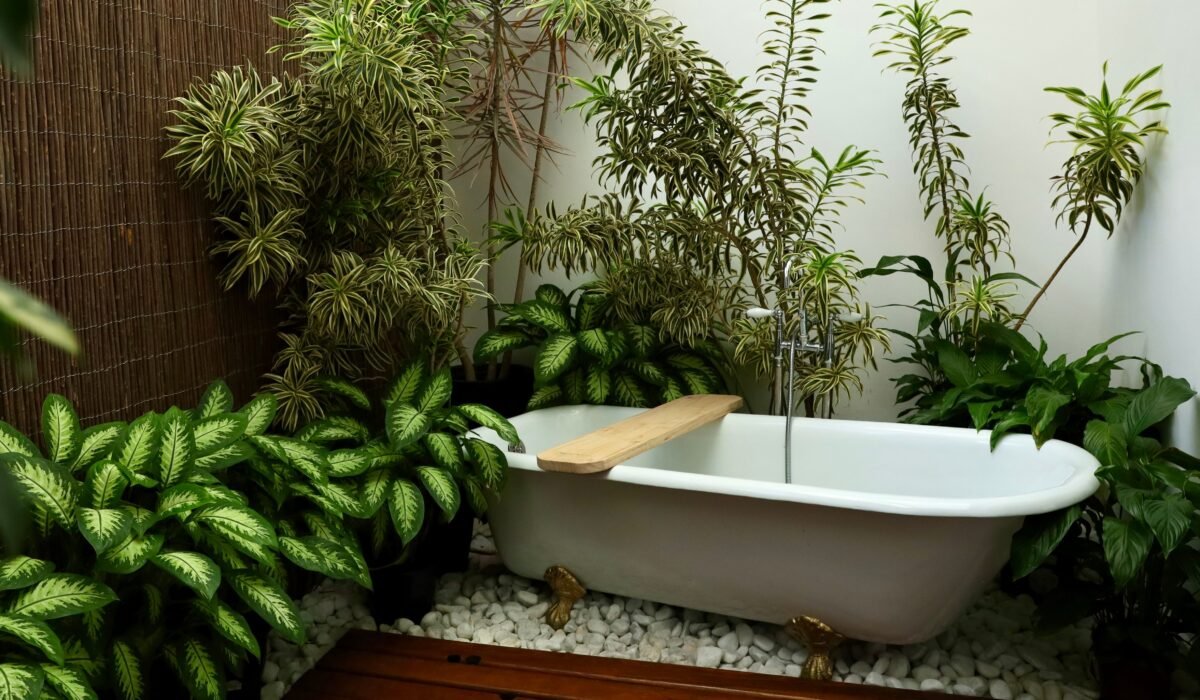
Transforming your bathroom into a verdant oasis goes beyond merely choosing the Best Indoor Plants for Bathroom Humidity; it involves thoughtful design and strategic placement. The right arrangement can elevate the space, creating a serene and spa-like atmosphere that enhances relaxation.
Hanging Plants for Vertical Greenery: Hanging plants like Pothos, English Ivy, and Philodendron Brazil are ideal for maximizing space, especially in smaller bathrooms. Annette Gutierrez of Los Angeles plant store Potted notes, “Hanging plants are great in the bathroom where counter space is at a premium, and since most houseplants are tropicals, they love the humidity.” This strategy adds lushness without cluttering surfaces and makes excellent use of the Best Indoor Plants for Bathroom Humidity.
Shelf Styling with Smaller Plants: Utilize open shelving or cabinet tops for smaller plants such as a compact Peace Lily, a trailing Spider Plant, or a small Boston Fern. Arrange them with decorative pots and perhaps some bath accessories to create vignettes. This approach allows for a curated display of the Best Indoor Plants for Bathroom Humidity.
Floor Statements with Larger Varieties: If you have ample floor space, a larger Monstera or a tall Snake Plant can make a dramatic statement. Place them in attractive planters that complement your bathroom’s decor. These larger specimens can truly anchor the room and showcase the grandeur of the Best Indoor Plants for Bathroom Humidity.
Shower Power: For those plants that truly thrive on constant moisture, consider placing them directly in the shower. Ferns and some orchids adore the daily drenching. Ensure they have proper drainage and are not constantly submerged. This daring placement is perfect for truly humidity-loving plants and can be among the Best Indoor Plants for Bathroom Humidity for a unique look.
Potting Perfection: The choice of pot significantly impacts both the plant’s health and the room’s aesthetic. Opt for pots with drainage holes and consider materials like ceramic or terracotta. Matching pots can create a cohesive look, while varied textures add interest. Thoughtful potting enhances the presence of the Best Indoor Plants for Bathroom Humidity.
Choosing the Right Plant: Benefits Comparison
Deciding on the Best Indoor Plants for Bathroom Humidity involves understanding their specific benefits beyond just thriving in moisture. This comparison table highlights key attributes to help you make an informed choice for your unique bathroom environment.
| Plant Name | Light Preference | Humidity Absorption | Air Purification | Ease of Care | Aesthetic Appeal |
|---|---|---|---|---|---|
| Boston Fern | Indirect to Low | High | High (toxins) | Moderate | Lush, feathery |
| Spider Plant | Bright Indirect | High | High (ions) | Very Easy | Arching, variegated |
| Peace Lily | Low to Indirect | Moderate to High | High (mold, toxins) | Easy | Elegant, flowering |
| Aloe Vera | Bright Indirect | Low | Moderate (toxins) | Very Easy | Succulent, architectural |
| Monstera | Bright Indirect | High | Moderate | Moderate | Bold, tropical |
| English Ivy | Indirect to Low | Moderate to High | High (formaldehyde, mold) | Moderate | Trailing, classic |
| Pothos | Low to Bright Indirect | Moderate | High (common toxins) | Very Easy | Trailing, versatile |
| Philodendron Brazil | Low to Bright Indirect | Moderate | Moderate | Easy | Trailing, colorful |
| Snake Plant | Low to Bright Indirect | Low | High (night oxygen) | Very Easy | Upright, modern |
| ZZ Plant | Very Low to Indirect | Low | Moderate | Extremely Easy | Glossy, resilient |
When selecting the Best Indoor Plants for Bathroom Humidity, consider not just their ability to handle moisture, but also how their light needs, purifying power, and overall maintenance align with your lifestyle. For example, if you’re seeking to specifically target mold, English Ivy or a Peace Lily would be excellent choices. If ease of care is paramount, a Spider Plant or ZZ Plant is hard to beat. The global indoor plant market was valued at approximately $20–21 billion in 2025, according to several recent industry analyses from major market research firms, indicating a wide variety of choices for every preference. Demand for “low-input, high-output” species rose 68% year-over-year in 2025, according to data from the Royal Horticultural Society’s 2025 Urban Plant Performance Index and the University of Florida’s IFAS Indoor Crop Trials, highlighting a preference for easy-care, impactful plants.
Frequently Asked Questions
What plants are good for high humidity bathroom?
Plants like Boston Fern, Spider Plant, Peace Lily, and Monstera are excellent for high humidity bathrooms due to their tropical origins and ability to absorb moisture through their leaves. These species naturally thrive in consistently moist air, making them ideal choices. Philodendron domesticum reduces mold spores by 60% in humid indoor environments over 7 days, according to Gitnux (2023), further showcasing the benefits of such plants.
Do plants help with bathroom humidity?
Yes, plants can help mitigate bathroom humidity by absorbing water vapor through their leaves, a process known as transpiration. While they are not a complete replacement for proper ventilation, humidity-loving plants contribute to a more balanced indoor environment. Peace Lilies, for instance, can humidify the air by 10-15% in a 50m³ room with 5 plants, as reported by Gitnux (2023).
Which plant absorbs the most moisture?
While many plants absorb moisture, the Boston Fern is particularly renowned for its high capacity to take in humidity, making it one of the most effective natural dehumidifiers. Its dense foliage and evolutionary adaptations allow it to thrive in and manage very moist conditions. Chris Bonnett confirms that humidity-loving houseplants are “excellent at purifying air from toxins and keeping mould at bay.”
What is the best plant for a bathroom with no window?
For a bathroom with no window, the Snake Plant (Sansevieria trifasciata) and ZZ Plant (Zamioculcas zamiifolia) are the best choices due to their exceptional tolerance for very low light conditions. These resilient plants will still benefit from the ambient humidity, requiring minimal attention. Experts from the Royal Horticultural Society (RHS) have long highlighted the adaptability of such plants to low-light rooms.
What plant keeps mold away?
English Ivy and Peace Lily are notable for their ability to help keep mold away by absorbing airborne mold spores and excess moisture, respectively. English Ivy is particularly effective at reducing impurities like formaldehyde. Philodendron domesticum has also been shown to reduce mold spores by 60% in humid indoor environments over 7 days, according to Gitnux (2023).
Choosing the Best Indoor Plants for Bathroom Humidity is an excellent way to enhance your home’s aesthetics and air quality. By selecting species that naturally thrive in moisture and providing them with appropriate care, you can create a vibrant, healthy, and spa-like bathroom oasis. Start your plant journey today and enjoy the refreshing benefits these green companions bring.