
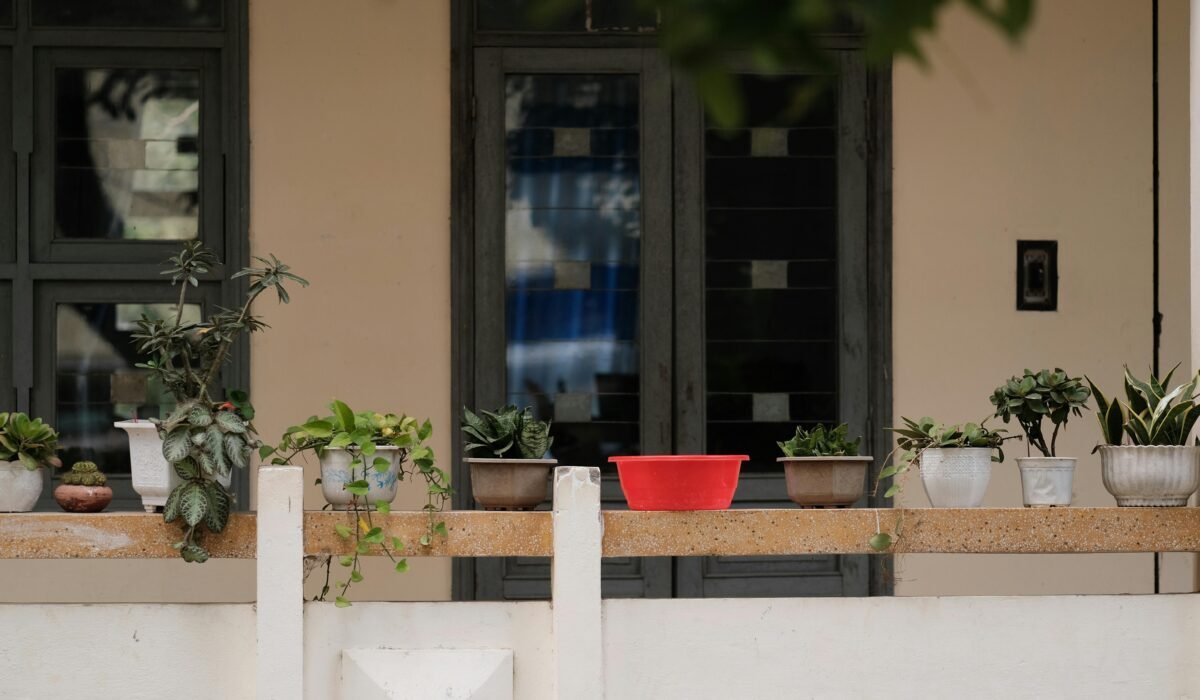
Are your terrace garden plants struggling, despite your best efforts? Often, the secret to a flourishing urban oasis isn’t just about the right plant or perfect soil, but about choosing the right terrace garden containers. Picking the perfect pot can feel overwhelming with so many options out there, but it’s truly the foundation for healthy, happy plants.
In this guide, we’ll dive deep into mastering container selection, ensuring your terrace garden thrives. From understanding crucial factors like size and drainage to exploring the latest trends in smart planters and sustainable choices, you’ll gain the knowledge to create a vibrant, resilient green space.
The Foundation: Why Container Choice is Crucial for Terrace Gardens
Container gardening has exploded in popularity, especially among urban dwellers and those with limited space. It’s easy to see why: it offers flexibility, allows you to grow plants almost anywhere, and truly transforms small areas into lush retreats. In fact, container gardening participation has seen significant growth in recent years, with many embracing this accessible method of cultivating green spaces.
However, the success of your plants in a terrace garden hinges significantly on the containers you choose. Unlike in-ground gardening, where soil conditions are more stable, a container is a closed system. This means your plant relies entirely on you and its pot for everything – moisture, nutrients, and protection from extreme temperatures.
My personal experience has shown me that skimping on container quality or suitability always leads to more work later, whether it’s constant watering or struggling plants. Making smart choices upfront saves a lot of headaches and truly helps your plants thrive.
Key Considerations: Size, Depth, Drainage, and Location
Before you even think about materials or aesthetics, these fundamental factors are non-negotiable for successful container gardening. Getting them right is key to happy roots and robust growth in your terrace garden containers.
Size and Depth: Giving Roots Room to Grow
One of the biggest mistakes I see beginners make is choosing containers that are too small. While a tiny pot might look cute, it severely restricts root growth and dries out incredibly fast, especially on a sunny terrace. Bigger really is better when it comes to pots.
Larger containers retain more moisture and provide ample space for root systems to develop, reducing how often you need to water. For most annuals and vegetables, aim for a minimum depth of 14 inches and a diameter between 12 to 24 inches. Even if you’re just starting seeds, a minimum depth of four inches is a good rule of thumb, but upgrade quickly!
Drainage: The Unsung Hero
This cannot be stressed enough: adequate drainage is absolutely paramount. Without it, your plant’s roots will sit in soggy soil, leading to root rot and eventual plant death. Every single container you use must have drainage holes at the bottom.
If a beautiful pot catches your eye but lacks holes, be prepared to drill them yourself or use it as a decorative cachepot with a well-draining inner liner. Good drainage for plant pots ensures excess water can escape, preventing waterlogging and promoting healthy root development.
For more specific watering solutions, consider exploring DIY Drip Irrigation to make your terrace garden watering easy and efficient.
Location, Location, Location
Your terrace’s specific conditions – sun exposure, wind, and even temperature fluctuations – should heavily influence your container choices. A container in full sun on a windy rooftop will behave very differently from one in a sheltered, partially shaded spot.
Consider how much sun your plants will receive throughout the day. This will affect not only what kind of plants you choose but also what material your pots should be made from, as some materials retain heat more than others. Think about wind too; heavier pots are better for breezy spots to prevent tipping.
Decoding Container Materials: A Guide to Plastic, Terracotta, Ceramic, and More
The material of your terrace garden containers directly impacts plant health and your watering schedule. Each type has its pros and cons, making some better suited for specific plants or climates than others. Understanding the best plant pot materials helps you make informed choices.
Plastic: Practical & Versatile
Plastic pots are incredibly popular for a reason. They are lightweight, affordable, durable, and excellent at retaining moisture. This makes them ideal for hot climates or for plants that prefer consistently moist soil. Higher-grade resin plastics can even mimic the look of more expensive materials like terracotta or stone, without the weight.
However, lower-grade plastics can fade and become brittle over time, cracking in harsh sun. They also don’t breathe, so it’s crucial to ensure good drainage to prevent root issues. I often start many of my seedlings in plastic pots because they’re so forgiving with moisture.
Terracotta & Ceramic: Classic Beauty
Terracotta pots offer a timeless, natural beauty and are wonderfully breathable. This allows air to reach the roots and excess moisture to evaporate, making them suitable for plants that prefer drier soil, like many herbs or succulents. They provide excellent root insulation due to their thick walls.
The downside? They are heavy, fragile, and dry out quickly, especially in hot, windy terrace environments. Glazed ceramic pots offer similar aesthetic appeal and insulation but retain moisture better than unglazed terracotta. They are also heavy and can be quite expensive.
Metal, Wood, and Modern Composites
Metal containers offer a sleek, modern look, but they absorb heat rapidly. This can overheat roots in direct sun, requiring more frequent watering. If you use metal, consider a lighter color or insulating the inside.
Wood planters provide a natural aesthetic and excellent insulation, keeping roots warm in cool weather and cool in hot weather. They can be durable if treated properly, but untreated wood will eventually rot. Fiberglass and polyurethane foam are fantastic modern options. They offer the aesthetics of heavy materials like ceramic or concrete but are significantly lighter, making them perfect for rooftop or upper-deck urban balcony gardening where weight is a concern. They also provide great insulation against temperature changes.
Beyond Basics: The Role of Color and Root Insulation
Once you’ve nailed the size, drainage, and material, think about the subtle impacts of color and how well a pot insulates. These details can make a real difference to your plant’s comfort and growth, particularly in a potentially exposed terrace environment.
Container color plays a significant role in temperature regulation. Darker containers absorb more solar radiation, which can be beneficial for starting seeds in cooler weather or for plants that love extra warmth. However, in direct, intense sunlight, dark pots can overheat roots, stressing the plant and requiring much more frequent watering. Lighter colors reflect sunlight and are generally a safer choice for most plants in sunny locations, helping to keep the root zone cooler and prevent damage.
Root insulation is another often-overlooked factor. Thick-walled materials like ceramic, wood, or modern fiberglass composites offer better insulation than thin plastic or metal. This helps buffer temperature swings, protecting delicate roots from both scorching summer heat and unexpected cold snaps. For extreme conditions, you can even add a layer of insulation, like bubble wrap or styrofoam, between the inner pot and a larger decorative outer pot.
The Future of Terrace Gardening: Smart Planters & Sustainable Choices
The world of container gardening is rapidly evolving, bringing exciting innovations to your doorstep. We’re seeing a strong push towards technology-driven solutions and environmentally friendly options, transforming how we approach sustainable container gardening.
Smart Planters & IoT Integration
Prepare for a new era of plant care with smart garden planters. These innovative pots are equipped with self-watering systems, built-in sensors for moisture and light, and even app connectivity. The global smart potted plant market is on a significant growth trajectory, making these high-tech helpers more accessible than ever.
Consider developments like the LeafyPod, an AI-powered self-watering planter that tracks light, humidity, and temperature, adjusting its watering based on plant type and real-time data. Another example is the Plantaform Smart Indoor Garden, which uses NASA’s fogponics technology for automated growing, all controlled via a mobile app. These tools are perfect for busy urban gardeners or anyone looking to take the guesswork out of plant care.
For those interested in advanced growing systems, you might also want to check out DIY Hydroponic Systems for building your own vertical garden.
Sustainable & Eco-Friendly Materials
As gardeners, we’re increasingly aware of our environmental footprint. This has led to a growing demand for planters made from recycled or biodegradable materials. You can now find options like self-watering grow pots made from BPA-free recycled plastic, which even incorporate recycled materials for drainage.
Embracing sustainable container gardening means looking for planters made from repurposed materials or those designed for a longer lifespan. It’s about making choices that are good for your plants and good for the planet.
Designing Your Dream Terrace: Top Trends for 2026
Beyond functionality, your terrace garden containers are also key elements in creating the aesthetic of your outdoor space. Here are some of the top terrace garden design ideas and container garden trends for 2026, helping you style your urban sanctuary.
I find it fascinating how gardening trends reflect broader lifestyle shifts. This year, it’s all about blending comfort with nature.
- “Patio Culture”: Treat your terrace as an extension of your indoor living space. This means choosing containers and plants that contribute to a functional, comfortable, and stylistically consistent outdoor room. Think about how your pots complement your outdoor furniture and decor.
- “Modern Meadow” Aesthetic: Embrace naturalistic, airy designs. Use compact perennial grasses and long-blooming flowers to create the illusion of a wild meadow right in your pots. This creates a soft, inviting look that attracts pollinators.
- “Edimentals” (Ornamental Edibles): Why choose between beauty and bounty? The popularity of mixing edible plants like herbs, vegetables, and fruiting vines with traditional ornamentals continues to soar. Imagine basil with petunias or colorful chard alongside marigolds. For inspiration, explore Best Herbs for Vertical Gardens.
- Bold Jewel Tones: Add drama and richness to your terrace with containers and plants in deep burgundy, plum, eggplant, and emerald green. These colors create a sophisticated and striking visual impact.
- Vertical Gardening: Maximize your growing area in small spaces by going up! Stacked, hanging, or mounted containers are fantastic for creating green walls and adding lushness without taking up precious floor space.
- Water-Wise Gardening: With increasing awareness of water conservation, drought-tolerant plants and efficient watering solutions are trending. Think Mediterranean plant palettes and self-watering planters.
- Upcycled Planters: Get creative and sustainable by repurposing vintage finds and household items. Old chairs, drawers, gutters, or even unique kitchen accessories can become charming, one-of-a-kind containers, adding personality to your space.
Pro Tips for a Thriving Container Garden
Beyond selecting the right containers, a few expert container gardening tips can elevate your terrace garden from surviving to truly thriving. These small adjustments make a big difference in plant health and your enjoyment of the space.
- Use Quality Potting Mix: Never use garden soil in containers; it’s too dense and won’t drain properly. Invest in a good quality potting mix that is light, airy, and designed for containers. This is one of the most important container gardening tips I can offer.
- Fertilize Regularly: Plants in containers rely entirely on you for nutrients. A slow-release fertilizer mixed into the soil at planting or regular liquid feeding will keep your plants nourished.
- Water Smartly: Check soil moisture daily, especially in hot weather. Stick your finger about an inch or two into the soil; if it feels dry, it’s time to water. Water until you see it draining from the bottom.
- Consider Grouping: Grouping pots together can create a microclimate that helps retain humidity and offers some protection from wind. It also makes for more impactful terrace garden design ideas.
- Elevate Your Pots: Use pot feet or blocks to lift containers slightly off the ground. This ensures excellent drainage for plant pots and prevents them from sitting in puddles, which can lead to root rot.
- Rotate Your Plants: If some plants are getting too much sun or not enough, rotate them or move them to a different spot on your terrace to ensure even growth and health.
Remember, successful urban balcony gardening is a journey of observation and adjustment. Pay attention to your plants, and they’ll tell you what they need.
Frequently Asked Questions
What are the best plant pot materials for a hot, sunny terrace?
For hot, sunny terraces, materials that retain moisture and insulate roots are ideal. Plastic (especially thick-walled resin), fiberglass, polyurethane foam, and wood are excellent choices. Lighter colors are also preferable to reflect heat. Terracotta can work, but it will require very frequent watering.
How do I ensure good drainage for my terrace garden containers?
Every container must have drainage holes at the bottom. If your pot doesn’t have them, you’ll need to drill them yourself. Beyond that, use a high-quality potting mix that drains well, and consider using pot feet to elevate containers slightly, ensuring water can freely exit the holes.
Are smart garden planters worth the investment for a small terrace?
For a small terrace, smart garden planters can absolutely be worth it, especially if you travel frequently or have a busy schedule. They automate watering, monitor conditions, and send notifications, taking much of the guesswork out of plant care. This can lead to healthier plants and less stress for you, making urban balcony gardening much easier.
What are some sustainable container gardening options?
Sustainable container gardening involves choosing pots made from recycled materials (like recycled plastic or reclaimed wood), biodegradable options, or upcycling items like old barrels, tires, or even vintage furniture. You can also look for durable, long-lasting materials that won’t need frequent replacement, reducing waste over time.
Mastering the selection of terrace garden containers is truly the first step toward cultivating a thriving, beautiful outdoor space. By considering the practicalities of size, drainage, and material, alongside the exciting possibilities of smart technology and sustainable choices, you’re well-equipped to make informed decisions.
Your terrace garden can be a vibrant extension of your home, a personal sanctuary that brings joy and beauty to your urban environment. So, take these insights, get creative, and start designing the container garden of your dreams. Your plants (and your future self) will thank you!







