
Key Takeaways
- Bird damage to agricultural crops in the United States exceeds $150 million in direct costs annually, according to the USDA APHIS National Wildlife Research Center (2026).
- Netting is rated as the most effective non-lethal bird deterrent for home fruit trees, according to the UC IPM (University of California Integrated Pest Management) bird management guide (2026).
- North American bird populations declined by approximately 15% between 1987 and 2021, as reported in a *Science* study (2026).
- Individual fruit bagging, using products like Clemson Fruit Bags, can be a highly effective technique for protecting larger fruits, as noted by Amy Enfield, senior horticulturist at ScottsMiracle-Gro.
- Creating physical barriers with fine mesh or steel netting is encouraged by experts like Kiera Faulkner Jekos from Gardenwell, to humanely protect fruit from birds squirrels.
Harvesting your homegrown fruit should be a joyous occasion, not a battle against hungry garden visitors. If you’ve ever watched your ripening berries or peaches disappear overnight, you know the frustration of trying to effectively **protect fruit from birds squirrels** and other garden pests. As a gardener with over a decade of experience, I’ve learned that a proactive, multi-faceted approach is key to securing a bountiful harvest for yourself, not just the local wildlife.
Quick Answer: Protect fruit from birds and squirrels by using physical barriers like netting and cages, visual and auditory deterrents, and offering alternative food sources. Deploy methods before fruit ripens for a successful, pest-free harvest.
Why Do Birds and Squirrels Target Your Fruit?
Birds and squirrels target your fruit primarily because it offers a readily available, nutritious, and often hydrating food source, especially as it ripens. The sweet sugars and moisture content of ripe fruit are irresistible to many wildlife species, making your garden a prime buffet. Wildlife damage, including that from birds, deer, and rodents, ranked high among growers’ concerns in a 2026 Fruit Growers News pest and disease survey, underscoring the constant pressure they face.
Understanding the motivations of these garden visitors is the first step in learning how to effectively **protect fruit from birds squirrels**. They are not acting maliciously; they are simply seeking sustenance to survive. For example, during dry spells, the water content in juicy berries can be a vital resource for birds and squirrels.
Birds are particularly attracted to bright, colorful fruit, often pecking at it for both food and water. Squirrels, on the other hand, are driven by their need for energy-rich foods and their instinct to cache food for leaner times. This means they might take more fruit than they immediately consume, burying it for later.
Best Ways to Protect Fruit from Birds and Squirrels
The best ways to protect fruit from birds and squirrels involve a combination of physical barriers, deterrents, and strategic gardening practices. A multi-pronged approach typically yields the most successful long-term results, as pests can adapt to single methods over time. For instance, netting is rated as the most effective non-lethal bird deterrent for home fruit trees, according to the UC IPM (University of California Integrated Pest Management) bird management guide (2026).
My experience shows that relying on just one method rarely works completely. To truly **protect fruit from birds squirrels**, you need to think like an integrated pest manager, combining several humane strategies. This holistic approach ensures comprehensive coverage against various types of garden pests.
Here’s a breakdown of effective strategies:
- Physical Barriers: These are often the most reliable methods, directly preventing access to your fruit.
- Deterrents & Scare Tactics: These methods aim to frighten or discourage pests from approaching.
- Sacrifice Crops: Offering an alternative food source can divert pests from your prized fruit.
- Individual Fruit Bagging: A labor-intensive but highly effective way to protect specific fruits.
- Integrated Pest Management (IPM): A long-term, ecological approach that combines various strategies for sustainable pest control.
- Ethical Practices: Ensuring your methods are safe for wildlife and the environment.
By combining these techniques, you can significantly improve your chances to **protect fruit from birds squirrels** and enjoy a successful harvest.
Physical Barriers: Netting, Cages, and Individual Fruit Bags
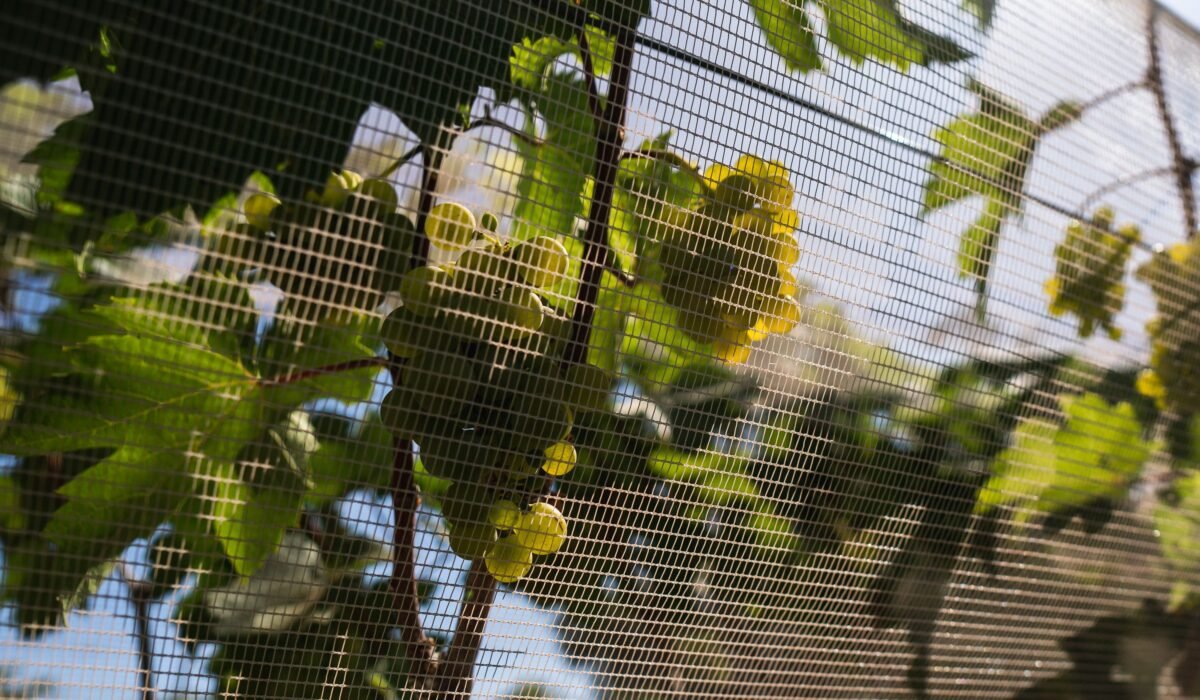
Physical barriers such as netting, fruit cages, and individual fruit bags are among the most effective methods to directly prevent birds and squirrels from accessing your ripening fruit. These barriers create a literal wall between your harvest and hungry pests. The UC IPM bird management guide rates netting as the most effective non-lethal bird deterrent for home fruit trees, according to their research (2026).
When you want to truly **protect fruit from birds squirrels**, physical exclusion is your strongest ally. It’s a direct solution that eliminates the possibility of damage. I always recommend prioritizing these methods, especially for high-value crops.
Step 1: Choose Your Protection Methods
Selecting the right protection method depends on your fruit type, garden size, and pest pressure. Consider the specific needs of your plants and the types of wildlife you’re trying to deter. For instance, small berry bushes might benefit from simple netting, while larger fruit trees could require more elaborate fruit cages or individual fruit bagging.

Step 2: Install Physical Barriers Securely
Proper installation of physical barriers is critical to effectively **protect fruit from birds squirrels**. Loose or improperly secured netting can actually trap birds and other wildlife, causing harm. Kiera Faulkner Jekos, a garden designer and educator at Gardenwell, emphasizes, “I encourage gardeners to be careful with how they install netting. Loose or draped netting poses a high entanglement risk for birds, small mammals, and snakes, all of whom help keep our garden pests in check.”
For berry bushes and smaller plants, you can construct simple frames using PVC pipes or stakes to support the netting. This creates a secure enclosure that keeps pests out. For larger fruit trees, draping bird netting over the canopy can work, but ensure it’s taut and secured at the bottom to prevent gaps. David, also from Gardenwell, adds that “A safer alternative for any netting, especially for fruit cages, is a higher quality, semi-rigid fine mesh, ideally made of steel.” This type of netting offers superior durability and reduces entanglement risks, making it an excellent choice to **protect fruit from birds squirrels**.

Fruit Cages
Fruit cages provide a robust, long-term solution, especially for berry patches or dwarf fruit trees. These structures typically use a framework of wood or PVC, covered with fine mesh bird netting. They are highly effective because they completely enclose the plants, offering comprehensive protection. Building a fruit cage requires an initial investment of time and materials but pays off with years of pest-free harvests, helping you consistently **protect fruit from birds squirrels**. The Philadelphia Orchard Project demonstrates the practicality of using PVC pipe to construct frames for bird netting over berry bushes, showcasing a real-world application of this method.
Individual Fruit Bagging
For larger fruits like apples, peaches, or pears, individual fruit bagging is an incredibly effective, albeit labor-intensive, method. This involves placing small bags over individual fruits once they have set and are still small. These bags hide the fruit from view and contain its scent, making it less attractive to pests. Amy Enfield, senior horticulturist at ScottsMiracle-Gro, states that for larger fruits or clusters, “bagging can be a tedious but very effective technique.”
Products like Clemson Fruit Bags, which are treated paper, are specifically designed for this purpose, offering superior protection. Organza bags are also a popular choice, though they may not be squirrel-proof for larger animals. This method allows you to precisely **protect fruit from birds squirrels** without impacting the entire tree.

Deterrents & Scare Tactics: What Really Keeps Pests Away?
Deterrents and scare tactics aim to frighten or annoy birds and squirrels, making your fruit garden an undesirable place to forage without physical exclusion. These methods rely on visual, auditory, or olfactory signals to keep pests away. While less consistently effective than physical barriers, they can supplement other strategies or be used in conjunction to **protect fruit from birds squirrels**.
The key to successful deterrence is variety and movement; pests quickly habituate to static deterrents. I’ve seen many gardeners put out a single scarecrow and wonder why it stops working after a week. To truly keep pests guessing, you need to change things up frequently.
Step 3: Deploy Visual and Auditory Deterrents
Visual and auditory deterrents work by creating an environment that birds and squirrels perceive as threatening or annoying. These methods can be simple and inexpensive, often utilizing items you already have. Reflective objects are particularly effective for birds.
* Reflective Tape: Products like Irri-tape, which is shiny and moves in the breeze, can disorient birds.
* Repurposed CDs: Old CDs, aluminum foil strips, and pie pans hung from branches will flash in the sunlight and move with the wind, deterring birds.
* Scarecrows & Decoys: While traditional scarecrows can work briefly, sophisticated decoys like inflatable owls or plastic snakes, especially those with moving parts or that are repositioned regularly, can be more effective.
* Auditory Devices: Some gardeners use ultrasonic devices or recordings of predatory bird calls to scare pests. However, these often have limited range and effectiveness, and wildlife can quickly habituate to them.
* Motion-Activated Sprinklers: These devices spray water when motion is detected, startling pests and providing a humane deterrent. They are particularly effective for squirrels and larger animals.
Regularly moving or changing these deterrents is essential to prevent pests from becoming accustomed to them, ensuring they continue to **protect fruit from birds squirrels**.
Integrated Pest Management: A Holistic Approach for Home Gardens
Integrated Pest Management (IPM) is a comprehensive, sustainable approach that combines multiple strategies to manage pests, minimizing harm to the environment, beneficial organisms, and humans. For home gardeners, IPM means thoughtfully selecting and combining methods to **protect fruit from birds squirrels** rather than relying on a single, often temporary, solution. This strategy is about prevention, observation, and intervention.
In my years of gardening, I’ve found that IPM isn’t just about problem-solving; it’s about building a resilient garden ecosystem. It’s about understanding the life cycles of pests and predators, and using that knowledge to your advantage. This approach helps reduce the need for harsh chemicals and promotes overall garden health.
Step 4: Consider Sacrifice Crops
Sacrifice crops, or trap crops, involve planting an alternative food source specifically to divert pests away from your desired fruit. This is a humane and ecological way to manage pest populations. The idea is to give pests something they prefer to eat, drawing them away from your valuable harvest.
Naturalist Gary Bogue successfully deterred squirrels by planting ‘Mammoth Gray’ sunflowers, noting that squirrels preferred the seeds over his fruit. This demonstrates the effectiveness of providing a preferred alternative. For example, planting corn or sunflowers a distance from your fruit trees can provide an appealing distraction for squirrels. Similarly, berry bushes like mulberries, which ripen earlier, can draw birds away from your cherries or blueberries. This strategy can significantly help **protect fruit from birds squirrels** by offering them a more accessible or appealing meal.
Step 5: Implement Individual Fruit Bagging
While mentioned under physical barriers, individual fruit bagging is also a key IPM strategy because it’s highly targeted and reduces the need for broad-spectrum deterrents. It specifically protects the fruit you want to save. Amy Enfield, senior horticulturist at ScottsMiracle-Gro, notes that for larger fruits, “bagging can be a tedious but very effective technique.”
This method is particularly useful for small-scale operations or when you have a few prized trees you want to ensure are protected. It’s a precise way to **protect fruit from birds squirrels** without impacting the surrounding environment or other beneficial wildlife. Remember, early application, when fruit is small, is crucial for success.
Step 6: Apply Integrated Pest Management
Applying IPM principles means continuously monitoring your garden and adapting your strategies based on pest activity. It’s not a one-time fix but an ongoing process of observation and adjustment. This includes understanding the lifecycle of common garden pests and intervening at the most effective points.
* Regular Monitoring: Frequently inspect your fruit trees and bushes for signs of pest damage. Early detection allows for quicker, less intensive intervention.
* Habitat Modification: Remove potential nesting sites or hiding places for squirrels, such as brush piles or dense ground cover near fruit trees.
* Pruning: Regular pruning fruit trees improves air circulation and can make it harder for pests to hide. It also makes it easier to install netting or other barriers. For more details on pruning, check out our guide on Pruning Fruit Trees: 7 Essential Tips for Abundant Harvests.
* Tree Baffles: For larger trees, sheet metal baffles (at least 2 feet wide, mounted 4 to 6 feet high) around the trunk are recommended by UC IPM to prevent squirrels from climbing, provided no other structures offer a launchpad. This is a crucial step to **protect fruit from birds squirrels** by physically blocking their ascent.
* Companion Planting: Some plants can deter pests. For example, strong-smelling herbs like mint or garlic planted around fruit trees might discourage squirrels, though evidence is largely anecdotal.
By combining these methods, you create a less inviting environment for pests, effectively helping to **protect fruit from birds squirrels** and other garden invaders.
DIY Fruit Protection: Simple Solutions for Every Gardener
DIY fruit protection solutions empower every gardener to safeguard their harvest using readily available materials and creative thinking. These methods are often budget-friendly and can be customized to fit the specific needs of your garden. You don’t need expensive commercial products to effectively **protect fruit from birds squirrels**.
From my own garden, I’ve learned that resourcefulness is a gardener’s best friend. Simple PVC frames or repurposed household items can be just as effective as store-bought solutions. The key is to be proactive and consistent.
Step 7: Maintain and Adapt Strategies
Maintaining and adapting your protection strategies is crucial for long-term success, as pests can learn to circumvent static deterrents. Regularly check your netting for tears, ensure deterrents are still in place and functioning, and be prepared to adjust your methods if you notice new pest activity. This ongoing vigilance is essential to consistently **protect fruit from birds squirrels**.

Here’s a comparison of common DIY fruit protection methods:
| Method | Pros | Cons | Best For |
|---|---|---|---|
| Bird Netting (PVC Frame) | Highly effective, reusable, customizable, humane to protect fruit from birds squirrels. | Initial setup time, can be bulky, needs secure installation. | Berry bushes, small fruit trees, raised beds. |
| Individual Fruit Bags | Very effective for specific fruits, no impact on other wildlife. | Labor-intensive, time-consuming for many fruits. | Apples, peaches, pears, high-value individual fruits. |
| Reflective Deterrents (CDs, Irri-tape) | Inexpensive, easy to install, can deter birds. | Effectiveness varies, pests can habituate quickly. | Small trees, bushes, as a supplemental deterrent. |
| Squirrel Baffles (Sheet Metal) | Highly effective for tree-climbing squirrels, durable. | Requires proper installation on tree trunk, not effective if squirrels can jump from other structures. | Fruit trees with clear trunks, especially to protect fruit from birds squirrels. |
| Sacrifice Crops | Humane, natural diversion, can benefit local wildlife. | Requires extra space, not 100% guaranteed to work. | Any garden where space allows, as a primary strategy to protect fruit from birds squirrels. |
To further enhance your garden’s health and resilience against pests, consider optimizing your plant nutrition. Healthy plants are often more resistant to stress and damage. Our guide on Best Fertilizers for Fruit Trees 2026: Essential Guide offers valuable insights into providing your fruit trees with the nutrients they need.
Frequently Asked Questions
What is the best way to protect fruit from squirrels?
The best way to protect fruit from squirrels involves a combination of physical barriers and deterrents. Sheet metal baffles around tree trunks and sturdy fruit cages are highly effective physical deterrents. For individual fruits, bagging them can also effectively protect fruit from birds squirrels, as noted by Amy Enfield of ScottsMiracle-Gro, who calls it a “very effective technique.”
What can I spray on fruit to keep birds away?
While some commercial bird repellents exist, many are not suitable for edible crops or have limited effectiveness; physical barriers are generally preferred to protect fruit from birds squirrels. Bird damage to agricultural crops in the United States exceeds $150 million in direct costs annually, according to the USDA APHIS National Wildlife Research Center (2026), highlighting the challenge. Instead of sprays, use netting or reflective deterrents for better results.
How do you keep squirrels from eating all your fruit?
To keep squirrels from eating all your fruit, deploy physical barriers like tree baffles and fruit cages, and consider sacrifice crops. Gary Bogue, a naturalist, successfully diverted squirrels by planting ‘Mammoth Gray’ sunflowers, which they preferred over his fruit. This multi-pronged approach helps to protect fruit from birds squirrels by blocking access and offering alternatives.
How do I protect my berries from birds and squirrels?
To protect your berries from birds and squirrels, construct a secure fruit cage covered with fine mesh bird netting. This physical barrier is consistently effective, and Kiera Faulkner Jekos of Gardenwell advises using high-quality, semi-rigid fine mesh to prevent entanglement. Installing these structures before the berries ripen is crucial to protect fruit from birds squirrels.
When should I net fruit trees for birds?
You should net fruit trees for birds well before the fruit begins to ripen and show color. Birds are attracted to ripe fruit, so deploying netting early ensures they don’t get a taste, which can make them more persistent later. North American bird populations declined by approximately 15% between 1987 and 2021, according to a study published in *Science* (2026), making humane and effective netting important to protect fruit from birds squirrels.







