
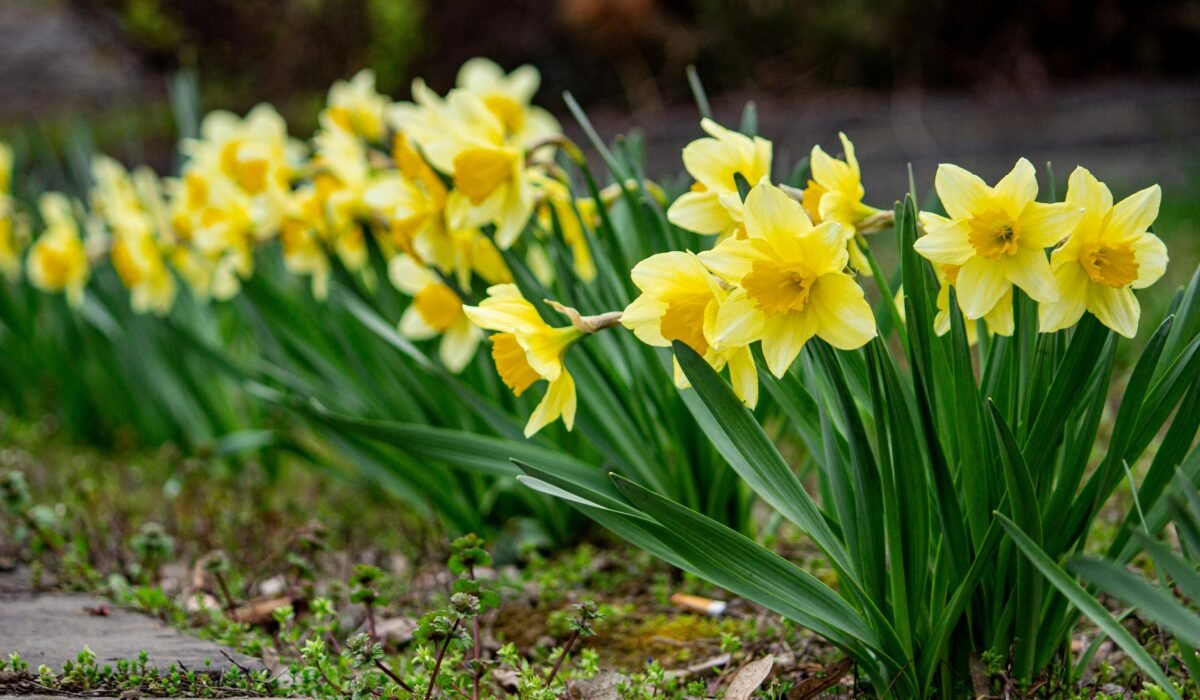
Are you dreaming of a garden bursting with color as soon as winter’s chill recedes? Do you yearn for the cheerful sight of tulips, daffodils, and hyacinths to signal the arrival of warmer days? If so, you’re in the right place! Planting and caring for Spring Bulb Flowers is one of the most rewarding gardening tasks, promising a spectacular show year after year.
Understanding Spring-Flowering Bulbs
Spring-flowering bulbs are truly nature’s little miracles. They are essentially self-contained packages of energy, with all the nutrients and flower embryos stored inside, ready to burst forth when conditions are just right. This incredible design allows them to push through cold soil and put on a dazzling display before most other plants have even woken up.
The key to their success lies in a process called vernalization, or a cold dormancy period. These bulbs need a sustained period of cold temperatures, typically below 45°F (7°C), to trigger their internal biological clock. This is why you plant them in the fall – giving them ample time to establish roots and chill out over winter, preparing for their grand entrance in spring.
Think of it like a long, peaceful sleep. While they’re resting, their roots are quietly growing, anchoring them firmly in the soil. What I find truly amazing is how these seemingly inert bulbs transform into such vibrant life, a true testament to nature’s resilience and planning. Understanding this basic lifecycle is the first step to successful Spring Bulb Flowers.
Ideal Planting Times and Conditions
Timing is everything when it comes to fall bulb planting. The perfect window for planting spring bulbs is generally late September to early November, or about six to eight weeks before your ground typically freezes solid. You want the soil to be cool enough for root development but not so cold that it freezes before roots can establish themselves.
A good rule of thumb is to plant when soil temperatures consistently drop below 60°F (16°C) but remain above freezing. Planting too early can cause bulbs to sprout prematurely, making them vulnerable to winter damage. Planting too late, on the other hand, might not give them enough time to root properly before the deep freeze sets in.
Location, location, location! Most spring-flowering bulbs thrive in a spot that receives at least six hours of direct sunlight daily. While they’ll tolerate some shade, especially from deciduous trees that haven’t leafed out yet, full sun usually leads to the most robust blooms. Good drainage is also non-negotiable; bulbs hate wet feet and will quickly rot in waterlogged soil. Clemson Cooperative Extension offers excellent resources on ideal growing conditions for various flowering bulbs.
Essential Soil Preparation for Bulbs
Just like any plant, bulbs perform their best in well-prepared soil. The good news is that they aren’t super fussy, but giving them a head start with good soil will pay dividends in stronger plants and more prolific blooms. The ideal soil for most bulbs is well-draining, moderately fertile, and has a neutral to slightly acidic pH, typically ranging from 6 to 7.
The biggest enemy of bulbs is heavy, compacted clay soil that holds too much moisture. If you have clay soil, it’s crucial to amend it. Work in 2-3 inches of organic matter, such as compost, well-rotted manure, or shredded pine bark, into the top 10-12 inches of your planting area. This improves drainage and aeration, creating a much happier home for your bulbs.
For sandy soils, organic matter also helps, but for a different reason – it improves water retention and nutrient availability. A little bit of compost goes a long way in balancing almost any soil type. If you’re looking for ways to enrich your soil naturally, consider adding compost tea to give your soil a boost of beneficial microbes. I always make sure to give my bulb beds a good dose of compost each fall; it truly makes a difference in their performance.
Step-by-Step Bulb Planting Guide
Once you’ve picked your perfect spot and prepared your soil, the actual planting is quite straightforward. Here’s a simple guide to ensure your Spring Bulb Flowers get the best possible start:
1. Choose Healthy Bulbs
- Inspect your bulbs before planting. They should be firm and plump, not soft, moldy, or shriveled.
- Avoid any bulbs with cuts or significant damage, as these are more prone to rot.
- Larger bulbs generally produce larger flowers, so don’t skimp on quality.
2. Determine Planting Depth and Spacing
A general rule of thumb for planting depth is to plant bulbs two to three times their height. For spacing, allow two to three times their width. This ensures they have enough room to grow and prevents overcrowding.
- Large Bulbs (Tulips planting, Daffodil care, Hyacinth planting guide): Plant 6-8 inches deep and 4-5 inches apart.
- Smaller Bulbs (Crocus care, Grape Hyacinths): Plant 3-4 inches deep and 2-3 inches apart.
If you’re planting in groups for a natural look, you can dig a wider trench or hole and arrange several bulbs within it, maintaining the recommended spacing. For those looking to maximize their planting space, especially in smaller garden areas, smart planting tips can help you achieve a lush display. Check out our guide on maximizing small garden yields for more ideas.
3. The Planting Process
- Dig the Hole: Use a trowel, spade, or a specialized bulb planter to dig a hole to the correct depth.
- Orient the Bulb: Most bulbs have a pointed end and a flatter, sometimes root-scarred, end. Plant with the pointed end facing upwards. If you can’t tell which end is up (it happens!), plant it on its side, and nature will usually figure it out.
- Add Fertilizer (Optional): You can add a slow-release granular fertilizer specifically formulated for bulbs into the bottom of the hole. Avoid high-nitrogen fertilizers, which promote leafy growth over flowers.
- Cover and Water: Gently cover the bulbs with soil, lightly patting it down to remove large air pockets. Water thoroughly after planting to settle the soil and encourage immediate root growth.
After that initial watering, you typically won’t need to water again until spring, unless you live in an exceptionally dry climate. The winter moisture usually takes care of their needs.
Post-Bloom Care for Perennial Bulbs
Once your spring bulbs have put on their glorious show, your job isn’t quite over, especially if you want those perennial bulbs to return year after year. Proper post-bloom care is essential for building up energy for the next season’s display.
1. Deadhead Spent Flowers
As soon as the blooms fade, snip off the spent flower heads. This process, called deadheading, prevents the plant from expending energy on producing seeds. Instead, that precious energy is redirected back into the bulb itself, helping it to bulk up and store nutrients for next year’s growth. This is particularly important for tulips and hyacinths.
2. Let the Foliage Fade Naturally
This is perhaps the most crucial step for perennial bulbs. Resist the urge to cut back the green leaves immediately after flowering, no matter how untidy they look. The foliage is busy photosynthesizing, converting sunlight into energy, and replenishing the bulb. Allow the leaves to yellow and die back naturally, which usually takes about six to eight weeks. Once they are completely yellow and easily pull away from the plant, then you can remove them.
3. Fertilize (Optional)
After flowering and while the foliage is still green, you can apply a balanced granular fertilizer (e.g., 5-10-5 or 10-10-10) around the base of the plants. This helps replenish nutrients used during blooming. However, if you amended your soil with compost during fall bulb planting, this step might not be strictly necessary every year. For more in-depth care tips and understanding plant needs, resources like the National Gardening Association provide comprehensive guides.
In practice, I often just leave the foliage alone until it practically disappears into the ground. It might look a bit messy for a few weeks, but it’s a small price to pay for a fantastic spring bloom calendar next year!
Common Spring Bulb Varieties
There’s a dazzling array of Spring Bulb Flowers to choose from, each with its unique charm and requirements. Here are some of the most popular, perfect for any flower garden tips you might be following:
Tulips (Tulips planting)
- Variety: Countless varieties, from early-blooming single early tulips to late-blooming Darwin hybrids and fringed tulips.
- Colors: Every color imaginable, including bi-colors.
- Notes: While many tulips are perennial, some varieties perform best when treated as annuals and replanted each fall for maximum impact.
Daffodils (Daffodil care)
- Variety: Trumpet, large-cupped, small-cupped, poeticus, and more.
- Colors: Yellow, white, orange, and sometimes pink or green accents.
- Notes: Extremely reliable perennial bulbs. They are also deer and rodent resistant, making them a great choice if you have critter issues.
Hyacinths (Hyacinth planting guide)
- Variety: ‘Delft Blue’, ‘Pink Pearl’, ‘Carnegie’.
- Colors: Intense blues, purples, pinks, whites, and yellows.
- Notes: Known for their incredibly fragrant, dense flower spikes. Plant them near windows or walkways to fully enjoy their perfume.
Crocuses (Crocus care)
- Variety: ‘Remembrance’ (purple), ‘Pickwick’ (striped), ‘Jeanne d’Arc’ (white).
- Colors: Purple, yellow, white, and striped varieties.
- Notes: One of the earliest spring bloomers, often poking through snow. Perfect for naturalizing in lawns or under trees.
Other Wonderful Choices
- Grape Hyacinths (Muscari): Small, charming blue or white flowers resembling miniature grape clusters. Excellent for naturalizing.
- Snowdrops (Galanthus): Even earlier than crocuses, these delicate white flowers are a true sign of spring’s first stirrings.
- Alliums: Ornamental onions that produce dramatic, spherical flower heads in late spring to early summer, extending your bloom season.
Creating a diverse collection of these perennial bulbs will ensure a continuous parade of color from late winter through early summer, truly making your garden a highlight of the spring bloom calendar.
Frequently Asked Questions
When exactly should I plant spring bulbs?
The ideal time for fall bulb planting is typically late September through early November. The key is to plant when the soil temperature consistently drops below 60°F (16°C) but before the ground freezes solid. This usually means about six to eight weeks before your area experiences hard frosts.
Do I need to fertilize my bulbs?
While bulbs contain their own energy stores, a low-nitrogen, high-phosphorus fertilizer (like bone meal or a specialized bulb fertilizer) can be beneficial at planting time. Apply it in the bottom of the planting hole. For established perennial bulbs, you can apply a balanced fertilizer after they bloom and while the foliage is still green to help them store energy for the next year.
What if animals eat my bulbs?
Deer, squirrels, and voles can be a nuisance for some bulbs, especially tulips and crocuses. Daffodils and alliums are generally rodent-resistant. To deter pests, you can try planting bulbs in cages made of hardware cloth, sprinkling repellent granules, or planting critter-resistant varieties. Some gardeners also mix sharp gravel or crushed oyster shells into the soil around bulbs to discourage digging.
Can I plant spring bulbs in pots?
Absolutely! Planting spring bulbs in pots is a fantastic way to enjoy their beauty on patios, balconies, or near entryways. Choose a pot with good drainage, use a high-quality potting mix, and ensure the bulbs get their necessary cold period. In colder climates, potted bulbs may need extra insulation or to be moved to an unheated garage during the coldest months to prevent the soil from freezing solid and thawing repeatedly, which can damage the bulbs.
There you have it – your comprehensive guide to planting and caring for spring bulb flowers. From understanding their unique lifecycle to selecting the perfect varieties, you’re now equipped to create a breathtaking display that will brighten your garden and your spirits each spring. Remember, a little effort in the fall promises a huge reward when the days lengthen and the world awakens. So grab your trowel, choose your favorite bulbs, and get ready to enjoy the vibrant beauty of spring blooms!







