
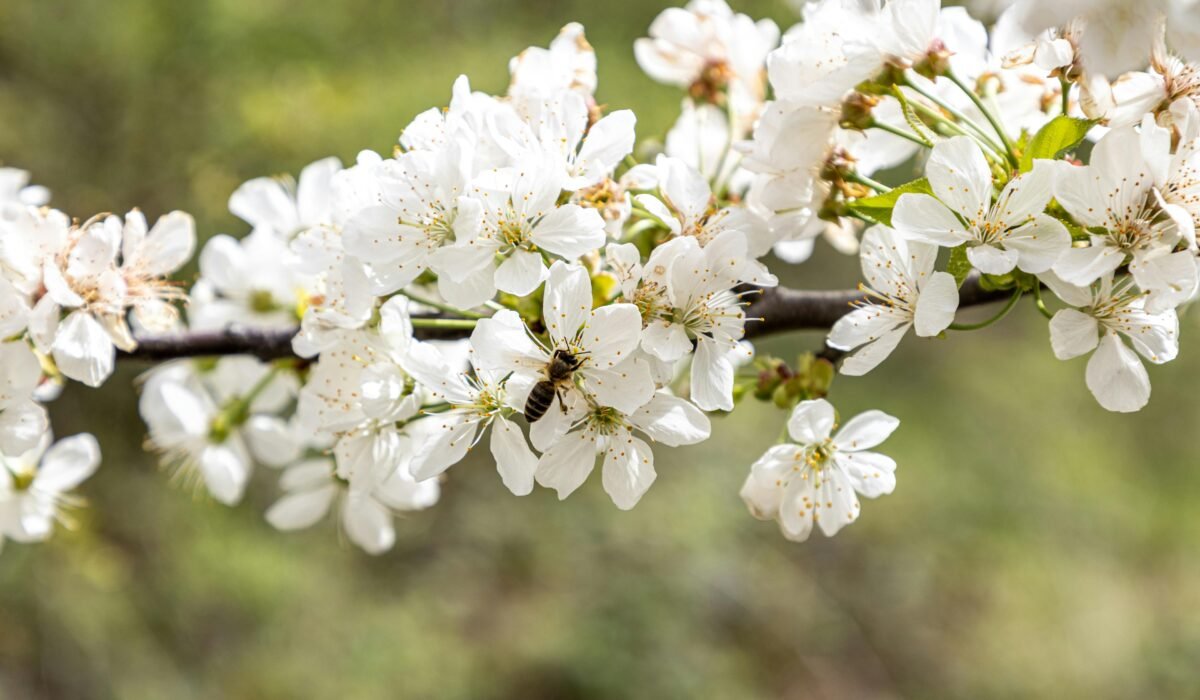
Ever wonder why your fruit trees are blooming beautifully but barely producing any fruit? You’re not alone! The secret to a bountiful harvest often lies in understanding the magic of pollinating fruit trees. It’s a fundamental step that many backyard fruit growers overlook, and it can dramatically impact the quantity and quality of your delicious homegrown produce.
Getting your fruit trees to bear fruit isn’t just about planting them and waiting. It’s about orchestrating a delicate dance between your trees and their tiny helpers: pollinators. In this guide, we’ll break down everything you need to know to ensure your backyard orchard thrives, from choosing the right varieties to creating a bustling haven for the insects that make it all possible.
Understanding Fruit Tree Pollination: Self-Fertile vs. Cross-Pollinating
At its core, pollination is the transfer of pollen from one part of a flower to another, or from one flower to another. This vital process kicks off fertilization, which then leads to fruit development. Without successful pollination, your fruit tree simply won’t produce fruit, no matter how healthy it looks.
When it comes to fruit trees, they generally fall into two main categories based on their pollination needs:
Self-Fruitful (Self-Pollinating) Trees
These are the low-maintenance stars of the orchard! Self-fruitful trees can produce fruit using their own pollen. This means you only need to plant a single tree to get a crop. Most peaches, nectarines, apricots, and sour cherries (like ‘Montmorency’) are excellent examples of fruit tree self-pollinating varieties.
Here’s a little secret: even self-fruitful varieties often benefit from cross-pollination. If they receive pollen from a different, compatible variety, you might find yourself with larger fruits and an even more abundant harvest. It’s like a friendly boost for their natural abilities!
Self-Unfruitful (Cross-Pollinating) Trees
These trees are a bit more social and require a partner in crime. Self-unfruitful trees need pollen from a different, compatible variety of the same fruit species to set a good crop. This is where cross-pollination fruit trees comes into play.
Most apples, pears, sweet cherries, and many Japanese plums fall into this category. For successful cross-pollination, these compatible trees need to be planted relatively close to each other, ideally within 50 to 100 feet. The closer, the better, with 15-25 feet often being recommended for maximum success. The trickiest part? Their fruit tree bloom times must overlap so that pollen can actually be exchanged.
A special note on apples: some varieties, like ‘Gravenstein’ or ‘Jonagold’, are called “triploids.” They produce sterile pollen and can’t pollinate other apple trees. If you love a triploid variety, you’ll need two *additional* compatible pollinizer varieties to ensure everyone gets the viable pollen they need. It’s a bit more planning, but totally worth it for those unique flavors.
Essential Pollinators & Creating a Bee-Friendly Garden
Who are these tiny heroes making all the magic happen? In most backyard settings, insects are the primary agents of pollination. And among them, bees reign supreme! Honeybees, bumblebees, and a wide variety of native bees are the most efficient workers, but butterflies, moths, beetles, flies, and even hummingbirds also play their part. Wind can also assist with some crops, like grapes.
A single honey bee, for instance, can visit up to 5,000 flowers in a single day! Imagine the work they do for your harvest. To encourage these diligent workers, your goal should be to create a welcoming, pollinator friendly garden.
Making Your Garden a Pollinator Paradise
Creating a truly attractive space for pollinators goes beyond just your fruit trees. It involves providing continuous food sources and safe habitats throughout the season. Here’s how you can help:
- Plant Diverse Flowers: Choose a variety of pollinator-friendly plants that bloom at different times, from early spring to late fall. This ensures a steady supply of nectar and pollen.
- Provide Water: A shallow dish with pebbles or a bee bath offers a safe drinking spot for thirsty insects.
- Offer Shelter: Consider leaving a patch of undisturbed soil, some hollow stems, or a small brush pile. These can be nesting sites for native bees and other beneficial insects.
- Avoid Pesticides: This is crucial. Many insecticides are harmful to bees and other pollinators. If you must spray, choose organic options and always apply them when trees are not in bloom, typically in the evening when pollinators are less active. For more tips on safe pest control, check out our guide on DIY Organic Pest Control.
By focusing on integrated pest management (IPM) and providing a rich habitat, you’re not just helping your fruit trees; you’re contributing to the health of your local ecosystem. It’s a win-win!
Solving Pollination Puzzles: Common Questions & Solutions
Even with the best intentions, questions can pop up when you’re working on pollinating fruit trees. Let’s tackle some of the most common dilemmas backyard gardeners face.
Do all fruit trees require a second tree for pollination?
No, not all of them! As we discussed, many fruit trees are self-fruitful, like most peaches, nectarines, sour cherries, and apricots. These can produce fruit on their own. However, for many popular varieties of apples, pears, and sweet cherries, a compatible partner is essential for a good harvest. When in doubt, always check the specific requirements for the variety you’re planting.
How far apart should pollinator trees be planted?
For optimal cross-pollination fruit trees, compatible varieties should ideally be planted within 50 to 100 feet of each other. Bees are amazing, but they work most efficiently over shorter distances. Some experts even suggest 15-25 feet apart for maximum success. This also helps with proper air circulation and growth, which is great for overall tree health.
What if I only have space for one fruit tree?
Limited space is a common challenge for backyard fruit growing, but it doesn’t mean you can’t enjoy fresh fruit! Here are a few clever solutions:
- Choose Self-Fruitful Varieties: This is the simplest option. Opt for a ‘Reliance’ peach, ‘Montmorency’ sour cherry, or a self-fertile apricot.
- Grafting: You can graft a branch from a compatible pollinator variety onto your existing tree. This creates a multi-variety tree that can self-pollinate! It’s a bit more advanced, but incredibly rewarding.
- Neighborhood Pollination: If you live in a suburban area, nearby compatible trees in a neighbor’s yard might provide enough pollen via diligent bees. It’s worth a chat with your neighbors!
- Container Growing: For smaller trees, you can grow them in large pots. This might allow you to have a self-fruitful variety and a smaller pollinator partner if space allows.
I’ve personally found grafting to be a fascinating way to maximize yield in a small space. It feels like you’re unlocking a secret superpower for your tree!
Advanced Strategies for Optimal Fruit Set
Sometimes, despite your best efforts, natural pollination might fall short. This could be due to bad weather during bloom, a lack of local pollinators, or simply having a young orchard. That’s where some more hands-on approaches come in, including hand pollination fruit trees.
The Art of Hand Pollination
Hand pollination is a fantastic backup plan, especially for smaller trees, indoor trees, or when you suspect poor natural pollination. It’s a simple process, but timing is key:
- Gather Your Tools: You’ll need a small, soft brush (like a watercolor paintbrush), a cotton swab, or even your fingertip.
- Collect Pollen: Gently brush or dab the anthers (the male parts, usually yellow and dusty) of an open flower to collect pollen. If you have cross-pollinating trees, collect pollen from one compatible variety first.
- Transfer Pollen: Transfer the collected pollen to the sticky stigma (the female part, usually in the center of the flower) of a flower on the same tree (for self-fruitful) or a different, compatible tree (for cross-pollinating).
- Timing: The best time for hand pollination is usually between 2-5 pm on a dry, calm day when flowers are most open and pollen is abundant.
For self-pollinating indoor citrus trees, a gentle shake of the branches can sometimes be enough to aid pollen dispersal. It’s surprisingly effective!
Protecting Early Blossoms
Late frosts can be devastating to early fruit tree blossoms, wiping out your potential harvest before it even begins. While there’s no foolproof method, you can take steps to protect your trees. Covering young trees with blankets or burlap overnight, especially if frost is predicted, can make a big difference. For more detailed strategies, our guide on Protecting Fruit Trees from Winter Frost offers comprehensive advice.
Regional guidance is also becoming increasingly important. What works for pears in California might not apply to the Pacific Northwest due to differences in climate and specific varieties. Always check with your local extension office or nursery for advice tailored to your area.
Choosing Compatible Varieties for Your Backyard Orchard
One of the most crucial steps to successful fruit production is selecting the right trees from the start. This means understanding the specific needs of your chosen varieties, especially when it comes to pollinating fruit trees.
The Importance of Bloom Time Overlap
For cross-pollination fruit trees, compatibility isn’t just about species; it’s about timing. The two varieties you choose must have overlapping bloom periods. If one tree blooms in early spring and its supposed pollinator blooms two weeks later, no pollen exchange can happen. Nurseries and online resources often provide bloom time categories (e.g., early, mid, late season) to help you match them up.
Your Fruit Tree Pollinator Guide
Before you buy, do your homework! A good fruit tree pollinator guide will list compatible varieties. Here are some examples:
- Apples: ‘Honeycrisp’ often needs ‘Granny Smith’ or ‘Red Delicious’ as a pollinator. Remember, triploid apples (like ‘Jonagold’) can’t pollinate others and need two additional partners.
- Pears: ‘Bartlett’ often needs ‘Bosc’ or ‘Anjou’.
- Sweet Cherries: ‘Bing’ needs ‘Rainier’ or ‘Stella’ (some ‘Stella’ varieties are self-fertile).
- Japanese Plums: Many require cross-pollination, so check specific variety pairings. European plums tend to be more self-fertile.
Don’t be afraid to ask your nursery staff for advice; they’re usually a wealth of local knowledge. It’s a small investment of time now that will pay off with years of delicious fruit.
Beyond Bees: Attracting Diverse Pollinators for Success
While bees are undoubtedly the superstars of fruit tree pollination, a truly robust and resilient orchard benefits from a diverse cast of characters. Different pollinators work in different conditions, and having a variety of them provides insurance against fluctuations in bee populations or adverse weather.
Who Else is Out There?
- Butterflies and Moths: Attracted to brightly colored, fragrant flowers. Moths are nocturnal, so night-blooming plants can attract them.
- Flies: Surprisingly effective pollinators, especially hoverflies and syrphid flies. They’re often attracted to simpler, open flowers.
- Beetles: Some beetles, particularly sap beetles, visit flowers and can transfer pollen.
- Hummingbirds: While less common for fruit trees, they are attracted to tubular, brightly colored flowers and contribute to the overall pollinator ecosystem.
To really boost your chances, think about creating a year-round haven. This means planting a continuous succession of flowers that cater to different pollinator preferences, from diverse shapes and colors to varying bloom times. A diverse garden is a resilient garden, and this contributes significantly to attracting pollinators to orchard environments effectively.
Companion Planting: Boosting Pollinators & Tree Health
Companion planting is a time-tested technique where specific plants are grown near each other to mutually benefit. For fruit trees, this means not only enhancing the soil and deterring pests but also creating an irresistible environment for pollinators. It’s a key strategy for a thriving, pollinator friendly garden.
Plants That Pay Double Duty
Here are some fantastic companion plants that will help you in attracting pollinators to orchard areas and improve overall tree health:
- Borage: Attracts bees like crazy and is known as a mineral accumulator, enriching the soil.
- Comfrey: Its deep roots pull up nutrients from the subsoil, making them available to your fruit trees. Bees also adore its bell-shaped flowers.
- Yarrow: A subtle beauty that attracts a wide range of beneficial insects, including predatory wasps that keep pests in check.
- Marigolds: While primarily known for deterring harmful nematodes in the soil and repelling above-ground pests, their cheerful blooms also attract pollinators.
- Lavender: Its strong, pleasant scent helps deter various moths and other pests, while its abundant flowers are a magnet for bees, butterflies, and even hummingbirds.
- Legumes (clover, vetch, lupine): These plants are nitrogen-fixers, meaning they enrich the soil by converting atmospheric nitrogen into a usable form for your fruit trees.
- Dill and Fennel: Their umbrella-shaped flowers attract a host of beneficial insects, including predatory wasps and hoverflies, which prey on aphids. They also provide pollen and nectar.
- Chamomile and Chives: Chamomile attracts pollinators and can repel some pests. Chives have mild antifungal properties and also attract beneficial insects.
By strategically placing these plants around your fruit trees, you’re building a miniature ecosystem that supports your harvest from multiple angles. It’s a smart way to maximize your backyard fruit growing efforts naturally.
Frequently Asked Questions
Do I need a male and female tree for pollination?
For most common fruit trees like apples, pears, cherries, and plums, you don’t necessarily need “male” and “female” trees in the way you might for kiwi or certain hollies. Instead, you need compatible varieties. Each flower on a typical fruit tree has both male (anther) and female (stigma) parts. The key is whether the pollen from one flower can successfully fertilize another flower, either on the same tree (self-fertile) or a different compatible variety (cross-pollinating).
What if my fruit tree flowers but doesn’t produce fruit?
This is a classic sign of a pollination problem! It could be due to several factors: lack of compatible pollinator trees nearby, insufficient pollinator activity (perhaps due to cold/rainy weather during bloom or lack of pollinator habitat), or your tree might be a triploid variety that needs extra pollinizers. Ensure you’ve planted compatible varieties with overlapping bloom times and create a welcoming environment for bees and other insects.
Can a crabapple tree pollinate an apple tree?
Yes, absolutely! Many flowering crabapple trees are excellent universal pollinizers for edible apple varieties. They often have abundant, viable pollen and long bloom times that can overlap with a wide range of apple cultivars. Just ensure the crabapple variety you choose is compatible and blooms at the same time as your edible apples.
How can I tell if my fruit tree is self-pollinating or needs a partner?
The best way is to check the specific variety’s tag or description from the nursery, or consult a reliable fruit tree pollinator guide. Generally, most peaches, nectarines, apricots, and sour cherries are self-pollinating. Most apples, pears, and sweet cherries require a cross-pollinator. When in doubt, assume it needs a partner or choose a self-fertile variety to be safe.
Mastering the art of pollinating fruit trees is truly a game-changer for any backyard gardener. By understanding the needs of your specific trees, inviting a diverse array of pollinators to your space, and being ready with a few advanced strategies, you’re setting yourself up for an incredibly rewarding harvest. So go ahead, get out there, and help those tiny workers do their magic. Your taste buds will thank you!







