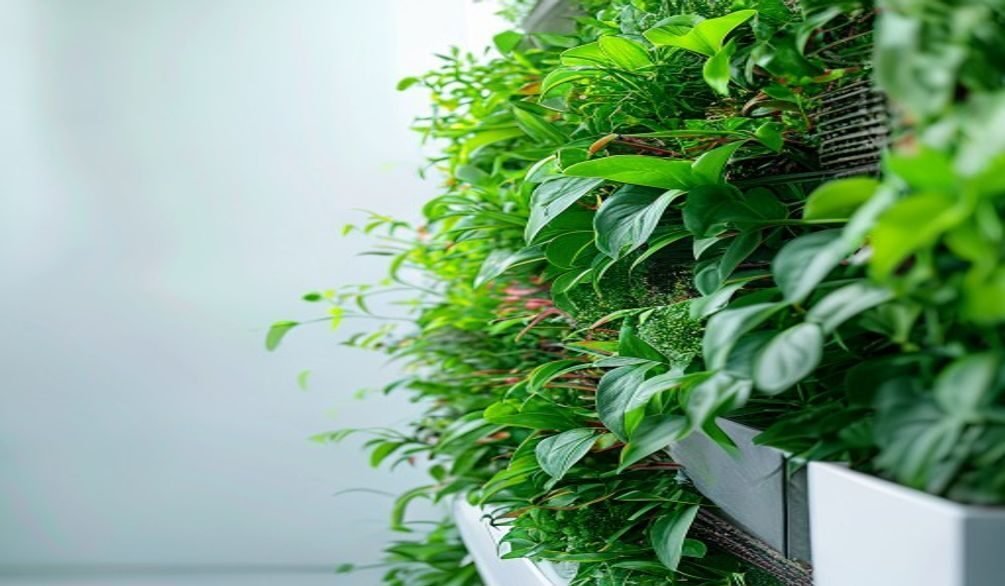
Key Takeaways
- The global smart indoor gardening system market is estimated at USD 2.68 billion in 2026, according to Coherent Market Insights (2026).
- Vertical farming systems can reduce water usage by up to 98% compared to traditional field agriculture, according to Programming Helper Tech (2026).
- Automated hydroponic gardening systems are projected to grow at a CAGR of 11.03% from 2025 to 2032, according to Credence Research (2025).
- Gardyn Home Kit 3.0 uses AI, like Kelby, to automate plant growth for home users, simplifying indoor gardening.
- Companies like 80 Acres Farms utilize advanced robotics for efficient planting, monitoring, and harvesting in automated vertical farms.
Are you tired of inconsistent harvests, constant watering, and the endless battle against pests in your garden? Many home gardeners face these challenges, but the good news is that **Vertical Garden Automation Systems 2026** offer a transformative solution. These smart technologies are revolutionizing how we grow food, making it easier than ever to cultivate fresh produce right in your home, ensuring optimal growth and significantly reducing manual effort.
Quick Answer: Vertical garden automation uses smart technology like IoT sensors, AI, and robotics to monitor and control environmental factors (light, water, nutrients, temperature) for plants grown in vertical layers, enabling effortless, optimized growth and maximizing yields.
What is Vertical Garden Automation in 2026?
Vertical Garden Automation in 2026 refers to the integration of advanced smart technologies into vertical farming setups to automatically monitor, control, and optimize plant growth conditions. This sophisticated approach minimizes human intervention, leading to more efficient and productive indoor gardening, as evidenced by the global smart indoor gardening system market being estimated at USD 2.68 billion in 2026, according to Coherent Market Insights (2026). It’s about bringing the precision of commercial vertical farms into your home or small-scale operation.
In essence, these systems leverage sensors, software, and sometimes robotics to create an ideal growing environment for plants stacked in vertical layers. This method of controlled environment agriculture (CEA) allows for year-round cultivation regardless of external climate. From my 10 years of experience, I’ve seen how these automated indoor gardening systems are changing the game for urban dwellers and gardening enthusiasts alike.
Vertical Garden Automation Systems 2026 fundamentally transform traditional gardening by automating key processes. This includes everything from lighting schedules and nutrient delivery to monitoring pH levels and air temperature, ensuring plants thrive with minimal effort from your side.
The core concept behind vertical gardening combined with automation is maximizing space and resources. Imagine growing a diverse range of herbs, leafy greens, and even some fruits in a compact footprint, all managed by smart technology. This is the promise of modern Vertical Garden Automation Systems 2026.
The demand for automated hydroponic gardening systems is clearly on the rise. These systems were valued at USD 1,676.5 million in 2024 and are projected to reach USD 3,871.92 million by 2032, expanding at a CAGR of 11.03%, according to Credence Research (2025). This growth reflects a strong interest in efficient, space-saving, and labor-reducing gardening solutions.
Key Components of Automated Vertical Gardens
Automated vertical gardens rely on several integrated components to function seamlessly, creating a self-regulating ecosystem for plants. Understanding these elements is crucial for anyone looking into Vertical Garden Automation Systems 2026.
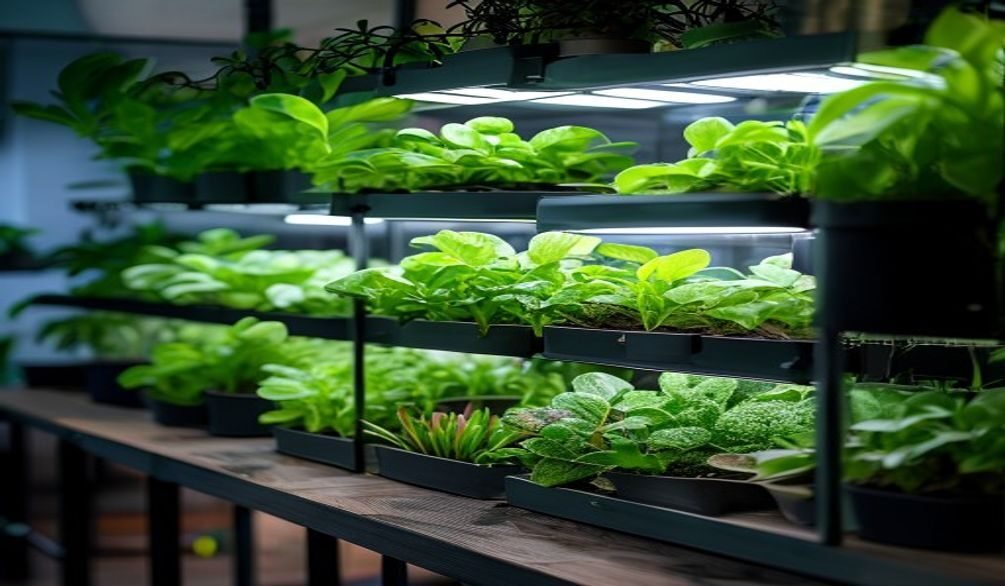
* Smart Lighting Systems: These systems use energy-efficient LED lights with programmable timers and adjustable spectrums. They mimic natural sunlight cycles, ensuring plants receive the optimal light intensity and duration for photosynthesis.
* Automated Irrigation and Nutrient Delivery: Water and nutrient solutions are precisely delivered to each plant, often through hydroponic or aeroponic methods. Sensors detect moisture and nutrient levels, triggering pumps to provide exactly what’s needed.
* Environmental Sensors: IoT sensors continuously monitor critical environmental factors such as temperature, humidity, pH, electrical conductivity (EC) of nutrient solutions, and CO2 levels. These sensors are the “eyes and ears” of your automated system.
* Central Control Unit (Software/App): This is the brain of the operation, collecting data from sensors and controlling all other components. It allows you to manage and monitor your vertical garden remotely via a smartphone app or computer.
* Robotics and AI (Advanced Systems): More sophisticated Vertical Garden Automation Systems 2026 might incorporate robotics for tasks like planting, harvesting, or moving plant trays, while AI algorithms analyze data to predict growth patterns and optimize settings.
How Do Automated Vertical Garden Systems Work?
Automated vertical garden systems operate by creating a precisely controlled environment where every factor influencing plant growth is monitored and adjusted automatically, essentially eliminating guesswork and manual labor. They function through a continuous feedback loop, where sensors gather data, a central controller processes it, and actuators make necessary adjustments to optimize conditions, leading to significant increases in productivity, with some reporting 70-80 times more yield than regular farms, as noted by an article on technology impact in vertical gardening (2025).
The process begins with the careful setup of your vertical garden structure, which can be hydroponic, aeroponic, or even a smart soil-based system. Once plants are introduced, the automation kicks in. This hands-off approach makes smart hydroponic systems for home incredibly appealing.
Sensors are the frontline data collectors for Vertical Garden Automation Systems 2026. They continuously measure parameters like ambient temperature, relative humidity, light intensity, and the pH and EC of the nutrient reservoir. This constant stream of data is vital for maintaining plant health.
The data collected by plant sensors is then transmitted to a central control unit. This unit, often a micro-controller or a dedicated smart hub, compares the real-time data against pre-programmed optimal ranges for the specific plants being grown. For instance, if the pH level drops below the ideal range for lettuce, the system detects it immediately.
Based on this comparison, the control unit sends commands to various actuators. If the pH is low, a dosing pump might release a pH-up solution into the nutrient reservoir. If light intensity is too low, LED grow lights automatically brighten. This active management is what defines efficient Vertical Garden Automation Systems 2026.
Automated irrigation systems are a cornerstone of these setups. They deliver water and nutrients directly to the plant roots, minimizing waste. Vertical farming systems can use up to 98% less water than traditional field agriculture, a critical advantage as water stress intensifies globally, according to Programming Helper Tech (2026). This precise delivery ensures plants receive consistent nourishment.
Some advanced systems, like those used by commercial operations such as AeroFarms or Plenty Unlimited, even incorporate robotic vertical farming elements. These robots can handle tasks like seeding, transplanting, and harvesting, further reducing labor requirements and increasing efficiency. This level of automation ensures consistent quality and yield, a hallmark of modern Vertical Garden Automation Systems 2026.
Key Technologies Driving Smart Vertical Gardens
Smart vertical gardens are powered by a confluence of cutting-edge technologies that work in concert to create highly efficient and productive growing environments. The integration of these innovations is what makes modern Vertical Garden Automation Systems 2026 so effective, with the World Economic Forum noting in February 2025 that indoor vertical farming and controlled environment food production are receiving growing public investment due to these technological advancements.
These technologies enable precise control over every aspect of the plant’s environment, leading to faster growth and healthier yields. Let’s explore the key players.
Internet of Things (IoT) and Sensors
IoT in vertical gardens is perhaps the most fundamental technology, connecting a network of sensors and devices that monitor and manage environmental conditions. These tiny, yet powerful, plant sensors provide real-time data.
* Environmental Sensors: Measure temperature, humidity, CO2 levels, and air quality.
* Water and Nutrient Sensors: Monitor pH, EC (electrical conductivity), and dissolved oxygen in nutrient solutions.
* Light Sensors: Track light intensity and spectrum to ensure optimal photosynthetic active radiation (PAR).
This continuous data collection allows the system to identify any deviations from ideal conditions instantly. For example, ifm automation technologies are featured in a case study for “the greenhouse of the future,” where their sensors and IO-Link technology enable precise control of plant growth, system transparency, and efficient setup in highly automated vertical farms. This exemplifies the critical role of robust sensor technology in Vertical Garden Automation Systems 2026.
Artificial Intelligence (AI) and Machine Learning
AI is the brain behind the optimization in many Vertical Garden Automation Systems 2026. It processes the vast amounts of data collected by IoT sensors, learning from patterns and making predictive adjustments.
* Predictive Analytics: AI algorithms can forecast plant growth rates and potential issues based on historical data and current conditions.
* Automated Decision-Making: AI can trigger adjustments to lighting, nutrient delivery, and climate control systems without human intervention.
* Growth Optimization: By continuously analyzing plant responses, AI refines growing recipes to achieve maximum yield and nutrient density.
The quote, “In 2026, the most valuable thing a vertical farm produces may not be the crop — it may be the data,” according to Just Vertical (2025), perfectly encapsulates the importance of AI in leveraging this data. AI-driven insights are transforming the efficiency of Vertical Garden Automation Systems 2026.
Robotics and Automation
Robotics play a significant role in commercial vertical farming and are increasingly being explored for larger home setups. These systems handle repetitive and labor-intensive tasks.
* Automated Planting and Harvesting: Robots can precisely sow seeds, transplant seedlings, and harvest mature plants.
* Material Handling: Robotic systems move plant trays between different growth zones or to processing areas. AutoStore’s cube storage system, for example, is used by Opollo Farm to move plants, delivering harvest-ready greens in 15 days.
* Inspection and Maintenance: Drones or small robots can inspect plants for diseases or deficiencies and even perform maintenance tasks.
Companies like 80 Acres Farms set a high standard for automation, utilizing robotic systems for planting, harvesting, and monitoring. Their success demonstrates the immense potential of integrating robotics into Vertical Garden Automation Systems 2026 for consistent, high-volume production.
Advanced Climate Control Systems
Maintaining an optimal microclimate is crucial for vertical gardening, and advanced climate control systems ensure stable conditions. These systems manage:
* Temperature and Humidity: HVAC systems and dehumidifiers maintain ideal ranges.
* CO2 Enrichment: CO2 generators or injection systems enhance photosynthesis.
* Air Circulation: Fans ensure uniform air distribution, preventing stagnant air and disease.
Effective climate control systems are vital for preventing issues like mold or stunted growth. North America is projected to capture a 42.6% share by 2035 in the smart indoor garden market, driven by expanding technological advancements in energy-efficient LED lighting, according to Research Nester (2025), which also contributes to precise climate management in Vertical Garden Automation Systems 2026.
Benefits of Automated Vertical Gardening for Home Growers
Automated vertical gardening offers a wealth of advantages for home growers, transforming the often-challenging hobby into an effortless and highly rewarding experience. These systems fundamentally address common pain points, making fresh, healthy produce accessible to everyone, and by 2026, vertical farming systems are projected to reduce urban agriculture water usage by up to 95%, emphasizing their environmental sustainability, as per an article on vertical farming forecasts (2025).
For someone like me, with over a decade of gardening experience, the shift to automation is truly remarkable for its ability to simplify complex tasks.
Maximized Space and Yield
One of the most compelling benefits is the ability to grow more in less space. Vertical stacking allows you to utilize vertical dimensions, making gardening possible even in small apartments or urban homes.
* High-Density Growing: Grow multiple plants in the footprint of one.
* Increased Harvests: Optimized conditions lead to faster growth cycles and higher yields per square foot.
* Year-Round Production: Grow fresh produce regardless of seasons or outdoor weather.
The Gardyn Home Kit 3.0, for instance, allows users to grow 30 plants in just two square feet, showcasing the incredible space efficiency of modern Vertical Garden Automation Systems 2026. This is a game-changer for urban gardeners.
Reduced Water and Nutrient Waste
Automated hydroponic and aeroponic systems are remarkably efficient with resources. They recirculate water and precisely deliver nutrients, drastically cutting down on waste.
* Water Conservation: Uses up to 98% less water than traditional soil gardening, according to Programming Helper Tech (2026).
* Nutrient Efficiency: Plants receive exact nutrient amounts, preventing runoff and nutrient loss.
* Environmental Impact: Contributes to sustainable practices by minimizing resource consumption.
This efficiency not only benefits the environment but also reduces your utility bills, making Vertical Garden Automation Systems 2026 an economically sound choice in the long run. My own experience has shown me how much water can be saved.
Effortless Maintenance and Time Savings
This is where automation truly shines for the busy home grower. The system handles most of the daily tasks, freeing up your time.
* Automated Watering: No more daily watering cans or forgotten plants.
* Self-Regulating Environment: Light, temperature, and humidity are managed automatically.
* Reduced Pest and Disease Risk: Controlled environments minimize exposure to outdoor pests and pathogens.
Imagine going on vacation without worrying about your plants! Vertical Garden Automation Systems 2026 provide peace of mind and allow you to enjoy the fruits (and vegetables) of your labor without the constant work. It’s truly automated indoor gardening at its best.
Healthier, Fresher Produce
Controlling the growing environment means you have direct influence over the quality of your food.
* Pesticide-Free: Grow produce without harmful chemicals, as seen with companies like Plenty Unlimited.
* Nutrient-Rich: Optimized nutrient delivery can enhance the nutritional content of your crops.
* Farm-to-Table Freshness: Harvest just before eating for peak flavor and nutrients.
The ability to grow your own food, knowing exactly what went into it, is invaluable. This freshness and control are major drivers for people adopting Vertical Garden Automation Systems 2026 in their homes.
Top Automated Vertical Garden Systems for 2026
The market for automated vertical garden systems is thriving, offering a range of options from compact home units to more extensive setups, all designed to make gardening simpler and more productive. For 2026, several systems stand out for their innovation, ease of use, and integration of smart technology, catering to various needs and budgets, reflecting the global hydroponics market expected to grow from an estimated US$ 7.01 billion in 2026 to US$ 20.00 billion by 2035, according to Precedence Research (2026).
As an expert, I’ve seen many systems, and these particular **Vertical Garden Automation Systems 2026** represent the best of what’s available for home and small-scale growers.
Gardyn Home Kit 3.0
The Gardyn Home Kit 3.0 is a leading AI-powered hydroponic system designed specifically for indoor enthusiasts. It’s user-friendly and highly efficient.
* Key Features: Automated LED lighting, AI-powered growth assistant named Kelby, remote monitoring via app, self-watering.
* Capacity: Grows 30 plants in just two square feet.
* Ideal For: Home gardeners looking for a truly hands-off experience with smart hydroponic systems for home.
The AI assistant, Kelby, monitors plant health and provides personalized care recommendations, making it incredibly easy for beginners to succeed. This level of intelligent assistance makes the Gardyn Home Kit 3.0 one of the most popular Vertical Garden Automation Systems 2026.
Click & Grow Smart Garden
Click & Grow offers a range of smart indoor gardening kits that are incredibly simple to use, perfect for those new to automated gardening.
* Key Features: Pre-seeded plant pods, automated watering and lighting, self-contained system.
* Capacity: Varies by model (e.g., Smart Garden 3 for 3 plants, Smart Garden 9 for 9 plants).
* Ideal For: Beginners, small spaces, growing herbs and leafy greens with minimal effort.
Their “plant-it-and-forget-it” approach makes them a fantastic entry point into automated indoor gardening. These systems are a great example of accessible Vertical Garden Automation Systems 2026 for everyday use.
AeroFarms (Commercial Scale – Inspiration)
While primarily a commercial vertical farm, AeroFarms serves as a beacon for what is possible with advanced automation. Their technology inspires smaller-scale systems.
* Key Features: Proprietary aeroponic growing system, extensive data analytics, fully controlled environment.
* Innovation: Focus on flavor, texture, and nutritional value through precise environmental control.
* Impact: Demonstrates the potential for large-scale, sustainable food production using vertical farm technology.
Studying companies like AeroFarms provides valuable insights into the future capabilities and potential of Vertical Garden Automation Systems 2026, even for home users. Their advancements often trickle down into consumer products.
Plenty Unlimited, Inc. (Commercial Scale – Inspiration)
Plenty Unlimited combines AI, robotics, and controlled-environment farming to grow pesticide-free, nutrient-rich produce with high efficiency.
* Key Features: Advanced AI for optimizing plant recipes, robotic handling of plants, significantly reduced land and water usage.
* Efficiency: Uses 1% of the land and 5% of the water of traditional farming.
* Vision: Aims to bring fresh, locally grown produce to communities globally.
Plenty’s approach highlights the synergy of cutting-edge technologies that are driving the evolution of Vertical Garden Automation Systems 2026 on a grand scale, pushing boundaries for what’s possible in sustainable agriculture.
DIY Vertical Garden Automation: Upgrading Your Setup
For the hands-on gardener, DIY vertical garden automation offers an exciting path to integrating smart technology into existing or custom-built vertical gardens. You don’t always need to buy a pre-built system; with a little know-how, you can upgrade your current setup to enjoy many benefits of automation, making your vertical farm technology for beginners more accessible and personalized.
In my experience, building your own system can be incredibly rewarding and educational, allowing for deep customization.
Essential Components for DIY Automation
To embark on a DIY automation project, you’ll need a few key components to create your own Vertical Garden Automation Systems 2026.
* Microcontroller (e.g., Arduino, Raspberry Pi): The brain of your system, responsible for processing data and sending commands.
* Sensors: pH sensors, EC sensors, temperature/humidity sensors, water level sensors.
* Pumps: Peristaltic pumps for nutrient dosing, submersible pumps for water circulation.
* Relays: To switch on/off higher-power devices like grow lights or pumps.
* LED Grow Lights: Dimmable and programmable lights are ideal.
* Tubing and Fittings: For your automated irrigation system.
* Software/Coding: To program your microcontroller and create a user interface (optional, but highly recommended).
These components form the backbone of any automated system, allowing you to tailor your vertical garden automation to your specific plants and environment. Starting small and expanding is a great strategy for DIY Vertical Garden Automation Systems 2026.
Steps to Automate Your Vertical Garden
Automating an existing vertical garden involves a series of logical steps, transforming it into a smart, self-sufficient growing machine.
1. Plan Your System: Decide which parameters you want to automate (e.g., watering, lighting, nutrient dosing). Consider your budget and technical skills.
2. Install Sensors: Place pH, EC, temperature, and humidity sensors in appropriate locations. Ensure they are properly calibrated for accurate readings.
3. Set Up Automated Irrigation: Connect a submersible pump to your reservoir and run tubing to each plant. Use a timer or a soil moisture sensor connected to your microcontroller to activate the pump. This is a core part of any automated vertical garden. You can find more tips on hydroponic humidity control, which is crucial for overall plant health.
4. Automate Lighting: Connect your LED grow lights to a smart plug or a relay controlled by your microcontroller. Program a daily light cycle tailored to your plants.
5. Integrate Nutrient Delivery: Use peristaltic pumps to automatically dose pH adjusters and nutrient solutions based on sensor readings. This is where advanced Vertical Garden Automation Systems 2026 truly shine.
6. Program the Microcontroller: Write or adapt code to read sensor data, make decisions, and control the pumps and lights. Many open-source projects are available for inspiration.
7. Monitor and Refine: Start with basic automation, then gradually add more features. Monitor your plants closely and adjust settings as needed.
While DIY automation requires some technical aptitude, the resources and communities available online make it more accessible than ever before. Building your own Vertical Garden Automation Systems 2026 provides an unparalleled understanding of your garden’s needs.
Troubleshooting Common Issues in Automated Vertical Gardens
Even the most advanced automated vertical garden systems can encounter issues, but understanding common problems and their solutions can help you maintain an effortless and productive setup. Proactive troubleshooting is key to ensuring your plants thrive, preventing minor glitches from becoming major setbacks for your Vertical Garden Automation Systems 2026.
In my years of working with various gardening systems, I’ve found that most problems have straightforward solutions if you know where to look.
Nutrient Imbalances
One of the most frequent challenges in hydroponic or aeroponic vertical gardens is maintaining the correct nutrient balance.
* Problem: Plants show signs of deficiency (yellowing leaves) or toxicity (burnt tips).
* Cause: Incorrect pH or EC levels in the nutrient solution, sensor calibration issues.
* Solution:
* Check Sensor Calibration: Recalibrate your pH and EC sensors regularly, typically every 2-4 weeks, according to most sensor manufacturers (2025). Inaccurate readings are a common culprit.
* Adjust pH/EC Manually: If sensors are calibrated, manually adjust pH and EC using appropriate solutions until levels are within the optimal range for your specific plants.
* Flush and Refill: For severe imbalances, completely drain and refill your reservoir with fresh water and a balanced nutrient solution.
Consistent monitoring and proper sensor maintenance are critical for preventing nutrient issues in Vertical Garden Automation Systems 2026. A stable nutrient profile is non-negotiable for healthy growth.
Pump Failures and Clogs
Pumps are the heart of automated irrigation and nutrient delivery, and their failure can quickly lead to plant distress.
* Problem: No water flow, inconsistent nutrient delivery, or pumps making unusual noises.
* Cause: Clogged tubing, pump malfunction, mineral buildup, airlock.
* Solution:
* Inspect Tubing: Check for kinks, debris, or algae buildup. Clean or replace clogged sections.
* Clean Pumps: Disassemble and clean pump impellers and filters regularly to remove mineral deposits or plant matter.
* Check Connections: Ensure all power and tubing connections are secure.
* Bleed Airlocks: If using a siphon system, an airlock can prevent flow; manually prime the system.
Regular preventative maintenance, such as cleaning pumps and inspecting tubing every few weeks, can significantly extend the lifespan of your automated irrigation system components in Vertical Garden Automation Systems 2026.
Sensor Inaccuracies or Malfunctions
Faulty sensors can lead to incorrect environmental adjustments, harming your plants.
* Problem: Inconsistent readings, system making incorrect adjustments, or plants showing stress despite “optimal” sensor data.
* Cause: Sensor contamination, end-of-life, poor connection, or environmental interference.
* Solution: