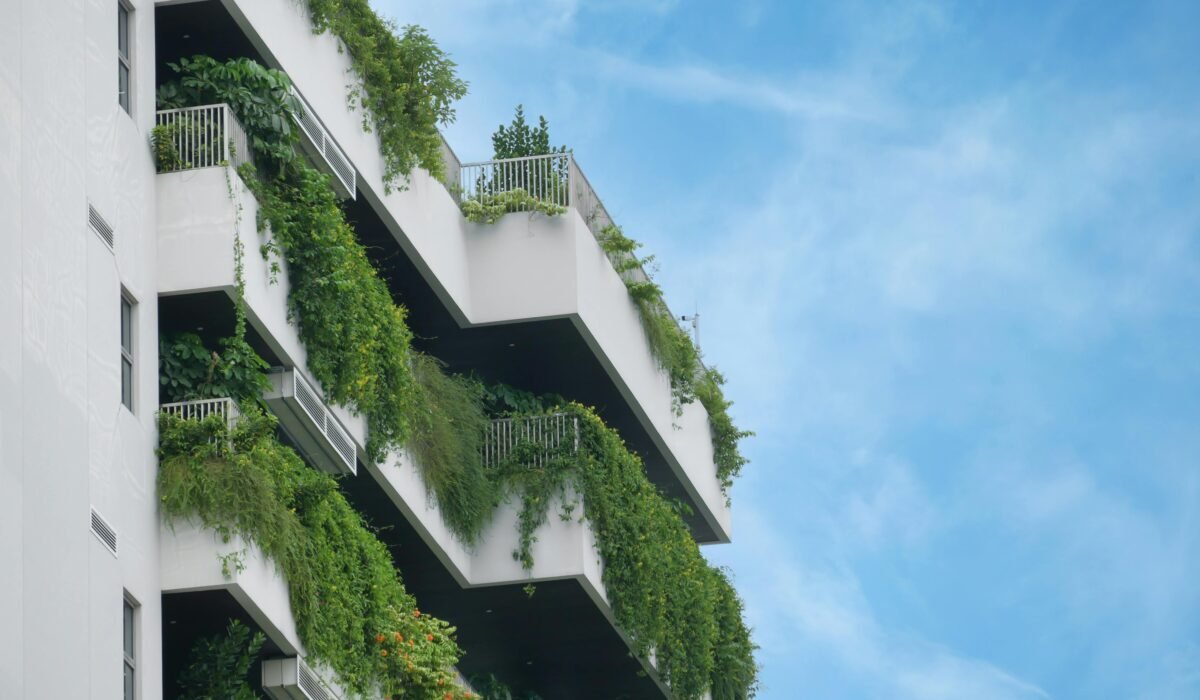
Dreaming of a lush garden but limited to a small balcony? You’re not alone. Urban living often means sacrificing sprawling green spaces, but it doesn’t mean you have to give up on gardening. The solution is literally looking up: vertical gardening.
DIY Vertical Balcony Gardens are a revolutionary way to transform even the most compact outdoor areas into vibrant, productive oases. By utilizing vertical space, you can cultivate an astonishing array of plants, from fresh herbs and leafy greens to colorful flowers, making your small balcony feel expansive and alive.
Benefits of Vertical Balcony Gardening for Small Spaces
Vertical gardening is more than just a trend; it’s a highly efficient and aesthetically pleasing solution for anyone with limited outdoor space. It allows you to maximize your growing potential without encroaching on precious floor area, making it perfect for balconies, patios, and even small courtyards.
One of the most obvious advantages is the significant space-saving. Imagine growing dozens of plants in just a few square feet, transforming a bare wall into a living tapestry. This method is particularly beneficial for urban gardening enthusiasts and apartment dwellers who might otherwise think a garden is out of reach.
Beyond practicality, vertical gardens offer immense aesthetic value. They can turn bland walls into stunning living art, create natural privacy screens, and add a refreshing touch of green to your concrete jungle. The visual appeal alone can elevate your balcony into a serene retreat.
Environmentally, these gardens contribute to better air quality by absorbing carbon dioxide and releasing oxygen. They can also reduce noise pollution and, by providing shade, even help lower summer energy bills by up to 23%. This makes them a sustainable choice for your home and the planet. For more on the broader benefits of green infrastructure, you can explore resources like the U.S. Environmental Protection Agency.
Furthermore, plants in vertical systems often benefit from improved air circulation, which can reduce the risk of common fungal diseases. Growing upwards also naturally deters many ground-dwelling pests like slugs and snails, leading to healthier plants and less maintenance for you.
Best Plants for Your Balcony Vertical Garden
Choosing the right plants is crucial for a thriving vertical garden. The best candidates are those with compact growth habits, shallow root systems, or a natural tendency to vine or trail. Consider your balcony’s sunlight exposure, as most edible plants require at least 4-6 hours of direct sun daily.
Herbs for Vertical Gardens
Herbs are ideal for vertical setups due to their relatively small size and frequent harvesting needs. Imagine plucking fresh basil or mint right from your balcony! Popular choices include:
- Basil
- Mint
- Parsley
- Thyme
- Chives
- Oregano
- Rosemary (dwarf varieties)
For more detailed guidance on cultivating these aromatic powerhouses, check out our guide to Balcony Herb Garden: Best Herbs for Small Spaces & Containers.
Leafy Greens & Compact Vegetables
Many leafy greens thrive in vertical systems, offering a continuous harvest. Compact vegetables are also excellent choices, providing fresh produce from a small footprint.
- Lettuce (various types)
- Spinach
- Arugula
- Kale
- Swiss Chard
- Cherry Tomatoes (dwarf or bush varieties)
- Bush Cucumbers
- Strawberries (trailing varieties)
- Pole Beans & Peas (with trellis support)
Annual Flowers & Succulents
To add beauty and attract pollinators, incorporate annual flowers that spill or trail. Succulents are perfect for low-maintenance, drought-tolerant sections of your vertical garden.
- Nasturtiums (edible flowers and leaves)
- Petunias
- Impatiens
- Pansies & Violas
- Lobelia
- Sedum
- Hens and Chicks (Sempervivum)
Plants to Avoid
While vertical gardens are versatile, some plants aren’t well-suited. Avoid large, heavy-fruiting plants that could strain your structure, or root vegetables that need deep, undisturbed soil. Examples include full-size pumpkins, watermelons, potatoes, and carrots, unless you have specifically designed, robust vertical planters.
DIY Vertical Garden Ideas & Upcycling Solutions
Creating your own vertical garden doesn’t have to be expensive. Many resourceful gardeners embrace upcycling, transforming everyday items into functional and charming planters. This approach aligns perfectly with sustainable living and allows for endless creativity.
- Wooden Pallet Gardens: Repurposed shipping pallets are a popular choice. Lay a pallet flat, staple landscape fabric to the bottom and sides of each “pocket” created by the slats, fill with soil, and plant. Ensure the pallet is heat-treated (HT stamp) and not chemically treated (MB stamp).
- Plastic Bottle Towers: Cut openings into plastic soda bottles, leaving one side attached to create a hinge. Stack them vertically, securing them to a rod or wall. This is an excellent way to reuse plastic and create a unique, budget-friendly system.
- Rain Gutter Gardens: Mount lengths of old rain gutters horizontally on a wall or fence, slightly staggered. Cap the ends, drill drainage holes, and fill with soil. This creates long, shallow troughs perfect for herbs and leafy greens.
- Shoe Organizer Planters: Fabric shoe organizers with multiple pockets can be hung vertically. Each pocket becomes a mini planter, ideal for herbs, small flowers, or succulents. Ensure the fabric is breathable and allows for drainage.
- Stacked Container Systems: Use various sizes of pots or containers, stacking them creatively. You can place smaller pots on top of larger ones, or even use a central rod to create a tiered planter system. This is a classic container gardening solution that saves space. For more ideas on efficient planters, check out our guide on Best Balcony Garden Planters: A Complete Buying Guide.
- Trellises and Arbors: For vining plants, a simple trellis or arbor attached to your balcony railing or wall provides vertical support. Plants like peas, pole beans, and certain cucumber varieties will happily climb, maximizing your harvest without taking up floor space.
When embarking on your DIY vertical garden, always prioritize structural integrity. Ensure your chosen method is sturdy enough to hold the weight of wet soil and mature plants, and that it’s securely attached to your balcony structure.
Watering and Nutrient Management for Vertical Gardens
Vertical gardens, while space-saving, do come with specific watering and nutrient needs. Due to smaller soil volumes and increased air circulation, they tend to dry out faster than traditional ground gardens or even standard pots. This means more frequent watering is often required, sometimes up to 30% faster than typical container plants.
Watering Your Vertical Garden
The frequency of watering will depend on your climate, plant types, and the specific vertical system you’ve chosen. Generally, you’ll need to check your plants daily, especially during hot, dry, or windy weather. Here are effective watering methods:
- Top-Down Hand Watering: The simplest method involves watering plants from the top layer downwards. Ensure water reaches all plants and drains adequately from the bottom. This can be time-consuming for larger systems.
- Drip Irrigation: This is often the most efficient method for vertical gardens. A network of small tubes and emitters delivers water directly to the plant roots, minimizing waste and ensuring consistent moisture. Drip systems can be automated, saving you time and effort.
- Self-Watering Systems: Some commercial vertical planters incorporate reservoirs and wicking systems that draw water up to the plants as needed, reducing watering frequency.
For more comprehensive advice on keeping your balcony plants hydrated, refer to our Balcony Garden Watering: Essential Tips for Thriving Container Plants.
Nutrient Management
With frequent watering, nutrients can leach out of the soil more quickly, especially from upper plants. This can lead to imbalances, where lower plants might receive excess nutrients from runoff. Regular feeding is essential to maintain plant health.
- Liquid Fertilizers: Diluted liquid fertilizers applied every 2-4 weeks are excellent for providing consistent nutrients. They are easily absorbed and can be distributed evenly.
- Slow-Release Granules: Incorporate slow-release granular fertilizers into your potting mix when planting. These provide a steady supply of nutrients over several months.
- Compost Tea: A natural and beneficial option, compost tea provides a gentle boost of nutrients and beneficial microbes.
Always follow the manufacturer’s instructions for fertilizers to avoid over-feeding, which can harm your plants. Observe your plants for signs of nutrient deficiency, such as yellowing leaves or stunted growth, and adjust your feeding schedule accordingly.
Addressing Common Vertical Garden Challenges
While incredibly rewarding, vertical gardening does come with its unique set of challenges. Being aware of these potential pitfalls and knowing how to address them will ensure your DIY Vertical Balcony Gardens thrive.
Watering Inconsistencies & Drying Out
“Vertical gardens tend to dry out faster than traditional ground gardens due to smaller soil volumes and increased air circulation.”
As mentioned, the increased exposure to air and sun means vertical gardens can dry out rapidly. This is especially true for systems with small soil pockets. To counteract this, consider using potting mixes that retain moisture well, such as those with coir or vermiculite. Mulching the top layer of each pocket can also significantly reduce evaporation. Implementing a drip irrigation system is often the most effective long-term solution.
Nutrient Imbalances
The flow of water from top to bottom can lead to nutrient leaching, where upper plants might lose nutrients, and lower plants might receive an excess. To prevent this, ensure you fertilize all plants consistently. If hand-watering, try to distribute water and nutrients evenly to each level. Using slow-release fertilizers can also help maintain a more balanced nutrient profile throughout your system.
Sunlight Exposure
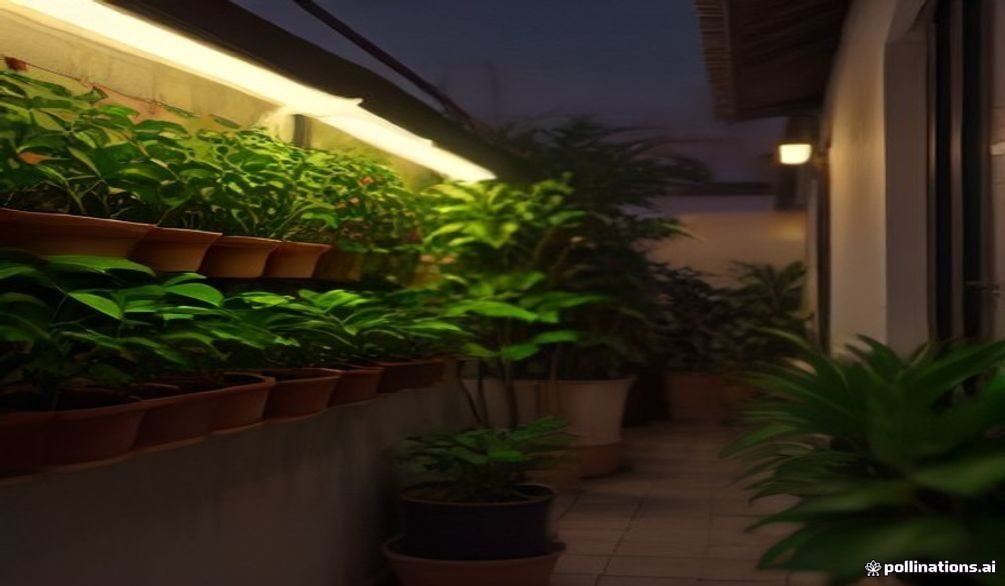
Not all plants have the same light requirements, and the sun’s angle can vary across a vertical structure. Place sun-loving plants like tomatoes and most herbs at the top, where they’ll receive the most direct light. Shade-tolerant plants such as lettuce, spinach, and impatiens can be placed on lower levels or in areas that receive less intense sun. If your balcony is particularly shady, you might consider supplementary grow lights to ensure adequate light for all your plants.
Weight & Structural Integrity
A fully grown vertical garden, especially when the soil is wet, can become surprisingly heavy. Before installing any system, assess your balcony’s load-bearing capacity. For wall-mounted systems, ensure they are securely anchored into studs or with appropriate heavy-duty fasteners. Using lightweight potting mixes can help reduce overall weight.
Wind Exposure
Balconies, especially on higher floors, can be exposed to strong winds, which can damage plants and structures. Choose sturdy vertical garden designs and secure them firmly. Select wind-tolerant plants with flexible stems or compact growth. Consider permeable structures like mesh frames that allow airflow, mitigating wind shear.
Root Stunting
Limited space in vertical pockets can sometimes lead to root stunting, impacting plant growth and yield. Choose plants appropriate for the size of your pockets. If growing larger plants, ensure they have sufficient room for their root systems to develop. Regular monitoring and repotting into larger pockets may be necessary for some plant types.
Trends: Smart Tech & Sustainable Vertical Gardening
The world of vertical gardening is constantly evolving, with exciting trends focusing on efficiency, environmental responsibility, and integrating modern technology. These developments make DIY Vertical Balcony Gardens even more accessible and productive.
Smart Irrigation Systems
One of the most significant advancements is the integration of smart technology into gardening. Smart irrigation systems utilize sensors to monitor soil moisture, temperature, and even weather forecasts. They then automatically adjust watering schedules, delivering precise amounts of water directly to your plants. This not only ensures optimal plant health but also dramatically reduces water waste, making your vertical garden more sustainable and less demanding.
Edible Landscaping & Biodiversity
There’s a growing movement towards “edible landscaping,” where gardeners incorporate fruits, vegetables, and herbs into their designs not just for harvest, but for their aesthetic appeal. This trend emphasizes self-sufficiency and the joy of growing your own food. Additionally, designing vertical gardens to include native flowers or specific bloom types can help attract pollinators, supporting local ecosystems even in urban environments.
Upcycling & Eco-Friendly Materials
The DIY spirit of vertical gardening naturally aligns with sustainability. The continued popularity of upcycling materials like plastic bottles, wooden pallets, and old rain gutters underscores a collective push towards reducing waste and resource consumption. Beyond DIY, manufacturers are also focusing on creating vertical garden systems from recycled plastics and sustainably sourced wood, offering eco-conscious options for those looking for pre-made solutions.
Engineered Systems & Permeable Design
Innovations in vertical garden design are addressing common challenges head-on. New engineered systems offer features like integrated drainage, improved aeration, and modular designs for easy expansion. There’s also a focus on “permeable” structures, such as mesh or open frames, which allow for better airflow and can mitigate the effects of strong winds on high-rise balconies, ensuring your plants remain healthy and secure.
These trends highlight a future where vertical gardens are not just space-savers but intelligent, eco-friendly, and integral components of urban living, bringing nature closer to home in the smartest ways possible. For a deeper dive into the broader impact of vertical gardening, you can explore resources from agricultural extensions like the University of Florida IFAS Extension.
Embracing these trends means your vertical garden can be more than just a collection of plants; it can be a statement of sustainable living, a source of fresh produce, and a beautiful, living extension of your home.
Transforming your small balcony into a thriving green space with a DIY Vertical Balcony Garden is an incredibly rewarding endeavor. You’ve learned about the myriad benefits, from maximizing space and enhancing aesthetics to improving air quality. We’ve explored the best plants suited for vertical growth, creative upcycling ideas, and essential tips for watering and nutrient management. Moreover, you’re now equipped to tackle common challenges and stay ahead with emerging trends in smart and sustainable gardening.
Don’t let limited space deter your gardening dreams. With a little creativity and effort, you can cultivate a lush, productive garden that brings joy and beauty to your urban retreat. So, why wait? Pick your favorite DIY idea, gather your materials, and start building your very own vertical balcony garden today!