
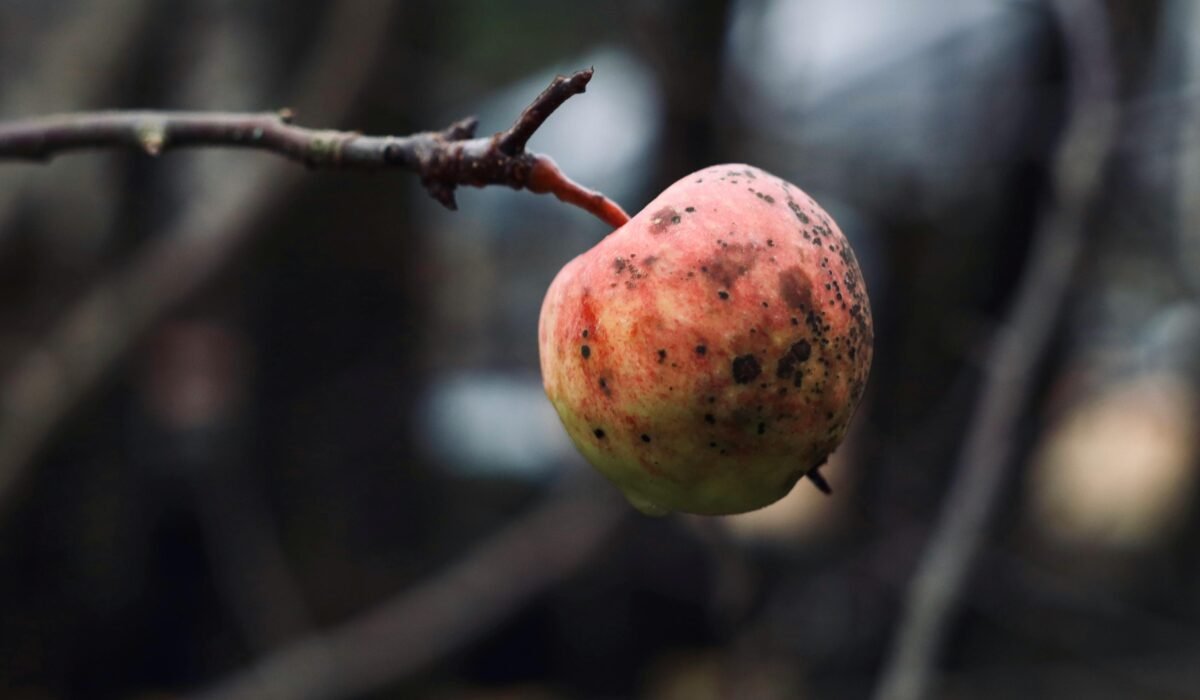
The dream of a bountiful harvest from your backyard orchard can quickly turn into a nightmare when mysterious spots, wilting leaves, or chewed-up fruit appear. Don’t despair! Understanding and proactively managing common fruit tree diseases pests is the key to healthy trees and delicious yields.
This comprehensive guide will equip you with the knowledge to identify, treat, and prevent the most prevalent issues plaguing fruit trees, ensuring your efforts lead to success.
Identifying Common Fruit Tree Diseases & Pests
Early detection is paramount when it comes to safeguarding your fruit trees. Regular inspection allows you to catch problems before they escalate, making treatment much more effective. Learn to recognize the tell-tale signs of trouble, from leaf discoloration to unusual growths and insect activity.
A good fruit tree identification guide from your local agricultural extension can be an invaluable resource. Look for visual cues: spots on leaves or fruit, cankers on branches, distorted new growth, or the presence of insects themselves. Keep a keen eye on the overall vigor of your tree; a sudden decline often signals an underlying issue.
Understanding Fungal & Bacterial Threats
Many of the most persistent issues in fruit trees stem from microscopic pathogens. Fungal and bacterial diseases can spread rapidly, weakening trees and destroying fruit if left unchecked. Knowing the enemy is the first step in effective management.
Fungal Diseases
Fungi thrive in moist conditions, often appearing after periods of rain or high humidity. They can affect leaves, branches, and fruit.
- Apple Scab (Venturia inaequalis): Characterized by olive-green to brown spots on leaves, fruit, and twigs. Severely infected leaves may yellow and drop prematurely. On fruit, spots become dark, scabby, and can cause deformation. For effective apple scab treatment, cultural practices like sanitation (raking fallen leaves) are crucial, alongside fungicides like wettable sulfur or copper applied at bud break and throughout the growing season.
- Peach Leaf Curl (Taphrina deformans): A very common issue for peaches and nectarines, causing leaves to become thick, distorted, puckered, and reddish-purple. Infected leaves eventually drop, weakening the tree. Prevention is key; dormant sprays with copper fungicides in late fall or early spring before bud swell are highly effective.
- Brown Rot (Monilinia fructicola): A devastating disease for stone fruits (peaches, cherries, plums) that causes blossoms to blight, twigs to canker, and fruit to rot. Infected fruit develops soft, brown spots that quickly spread, often covered with gray fungal spores. Proper sanitation, pruning out infected branches, and fungicides applied during bloom and pre-harvest are necessary.
- Powdery Mildew: Appears as white, powdery patches on leaves, shoots, and fruit. It can distort growth and reduce fruit quality. Good air circulation through pruning helps, and sulfur-based fungicides or horticultural oils can control outbreaks.
Bacterial Diseases
Bacterial diseases can be particularly aggressive, often causing rapid decline or death of affected parts.
- Fire Blight (Erwinia amylovora): A highly destructive disease primarily affecting apples, pears, and other rosaceous plants. Symptoms include scorched-looking blossoms and shoots, cankers on branches, and a characteristic “shepherd’s crook” bending of new growth. For fire blight prevention, pruning out infected branches (making cuts well below the visible infection) during dry weather and sanitation are vital. Antibiotic sprays (like streptomycin) can be used preventatively during bloom in high-risk areas, though their use is often restricted.
- Bacterial Canker (Pseudomonas syringae): Affects stone fruits, causing cankers (sunken, discolored areas) on branches and trunks, often exuding amber-colored gum. Leaves may show small, dark spots with yellow halos. Prevention includes avoiding injury to trees, especially during pruning, and applying copper sprays in fall and spring.
Addressing these fungal and bacterial fruit tree diseases pests requires vigilance and timely action to protect your harvest.
Tackling Notorious Insect Pests
Insects can cause direct damage to fruit, leaves, and bark, often leaving behind tell-tale signs of their presence. Understanding their life cycles is crucial for effective garden pest control.
- Codling Moth (Cydia pomonella): The classic “worm in the apple.” Larvae bore into fruit, leaving entry holes (often with frass) and tunnels inside. Pheromone traps help monitor adult moth activity, guiding timing for sprays (e.g., spinosad, Bt). Bagging fruit can also provide physical protection.
- Aphids: Small, soft-bodied insects that cluster on new growth, sucking sap and causing curled, distorted leaves. They excrete honeydew, leading to sooty mold. A strong blast of water can dislodge them, and horticultural oils or neem oil are effective. Encourage beneficial insects like ladybugs and lacewings.
- Plum Curculio: A small weevil that lays eggs in young fruit, leaving crescent-shaped scars. The larvae tunnel within the fruit, causing it to drop prematurely. Sanitation (picking up fallen fruit) and timely insecticide applications (e.g., kaolin clay, spinosad) are key.
- Scale Insects (San Jose, White Peach): Tiny insects that attach themselves to bark, branches, and sometimes fruit, appearing as small, waxy bumps. They feed on sap, weakening the tree and causing yellowing leaves or twig dieback. Dormant oil sprays are highly effective at smothering overwintering scale.
- Apple Maggot (Rhagoletis pomonella): Larvae tunnel extensively through apples, leaving brown trails and making the fruit mushy and unappetizing. Sticky traps (red spheres coated with Tanglefoot) can help monitor and reduce adult populations.
Regular scouting for these common fruit tree diseases pests will allow you to intervene before infestations become severe.
Organic & Eco-Friendly Treatment Options
For home gardeners, especially those focused on sustainable practices, a range of organic and least-toxic solutions can effectively manage fruit tree diseases and pests. These options prioritize environmental safety and the health of beneficial insects.
- Horticultural Oils: These refined petroleum or plant-based oils smother overwintering insects (like scale, aphids, mites) and their eggs. Applied during dormancy, they are a cornerstone of organic fruit tree spray programs. Lighter summer oils can also be used for certain pests.
- Bacillus thuringiensis (Bt): A naturally occurring soil bacterium that produces toxins specifically harmful to certain insect larvae, particularly caterpillars (like codling moth and oriental fruit moth). It’s safe for humans, pets, and beneficial insects.
- Spinosad: Derived from a soil bacterium, spinosad is effective against a broad range of insect pests, including codling moth, oriental fruit moth, and apple maggot. It has a relatively low impact on beneficial insects once dry.
- Neem Oil: An extract from the neem tree, it acts as an anti-feedant, repellent, and insect growth regulator, disrupting the life cycle of many pests like aphids, mites, and some fungal diseases.
- Liquid Copper & Wettable Sulfur: These are broad-spectrum fungicides and bactericides. Copper is effective against peach leaf curl, fire blight, and bacterial canker. Sulfur controls powdery mildew, apple scab, and some mites. Always follow label directions carefully, as overuse can cause phytotoxicity.
- Kaolin Clay (e.g., Surround): This fine clay forms a protective barrier on fruit and foliage, deterring pests like plum curculio and apple maggot. It’s a physical barrier, not a pesticide, and washes off with rain.
- Bio-fungicides: Newer biological products utilize beneficial microorganisms to outcompete or inhibit disease pathogens. These are gaining traction for various fungal and bacterial issues.
Always remember to read and follow product labels precisely, even for organic options, to ensure effectiveness and safety. Timing and thorough coverage are critical for success.
Integrated Pest Management (IPM) for Home Orchards
Integrated Pest Management (IPM) is a holistic, sustainable approach that combines various strategies to manage pests and diseases while minimizing environmental impact. It’s about working with nature, not against it, to keep your fruit trees healthy.
Implementing an IPM orchard strategy involves several key steps:
- Monitoring: Regularly inspect your trees for signs of pests and diseases. Use pheromone traps to detect the presence of specific insect pests and estimate their populations. This helps you decide if and when intervention is truly necessary, moving away from calendar-based spraying.
- Cultural Controls: These are practices that make your orchard less hospitable to pests and diseases. This includes proper pruning, sanitation, choosing disease-resistant varieties, and ensuring good air circulation and soil health.
- Mechanical/Physical Controls: Directly remove pests by hand, use sticky traps for monitoring, or apply physical barriers like fruit bags to protect individual fruits.
- Biological Controls: Encourage beneficial insects (ladybugs, lacewings, parasitic wasps) that prey on or parasitize common fruit tree pests. Plant pollinator-friendly flowers nearby to create a diverse ecosystem.
- Chemical Controls (Judicious Use): When other methods are insufficient, use targeted, least-toxic pesticides. Always choose products that are effective against the specific pest or disease while having minimal impact on beneficial organisms and the environment.
By adopting an IPM approach, you create a more resilient and productive orchard ecosystem, reducing your reliance on chemical interventions for managing fruit tree diseases pests.
Preventative Measures for a Healthy Harvest
The best offense is a good defense. Proactive fruit tree care can significantly reduce the incidence of diseases and pests, making your troubleshooting efforts much easier. Healthy trees are naturally more resistant to problems.
- Choose the Right Site: Ensure your fruit trees receive at least six hours of full sun daily and are planted in well-drained soil. Good air circulation is vital to prevent fungal diseases, so avoid planting too close to buildings or other trees.
- Select Disease-Resistant Varieties: Whenever possible, choose fruit tree cultivars known for their innate resistance to common problems in your region. This is especially true for diseases like apple scab and fire blight. Consult your local extension for recommended varieties. You can find options for smaller spaces in our guide, Best Fruit Trees for Small Gardens & Pots: Grow Your Own.
- Proper Pruning: Timely and correct pruning improves air circulation within the canopy, reduces humidity, and removes diseased or dead wood that can harbor pathogens and pests. Learn more in our guide on Master Pruning Backyard Fruit Trees for Big Harvests.
- Orchard Sanitation: Regularly rake up fallen leaves, twigs, and mummified fruit from beneath your trees. These materials often harbor overwintering disease spores and insect eggs. Dispose of them properly (don’t compost diseased material).
- Consistent Watering & Fertilization: Provide consistent moisture, especially during dry spells and fruit development. Avoid over-fertilizing with nitrogen, which can promote lush, tender growth susceptible to pests and diseases. A balanced feeding schedule supports overall tree health.
- Dormant Sprays: Apply horticultural oils, copper, or sulfur during the dormant season (late winter/early spring before bud break). These sprays target overwintering pests and disease spores, significantly reducing initial populations.
By integrating these preventative measures into your routine, you’ll build a strong foundation for a healthy and productive orchard, minimizing the need for reactive treatments against fruit tree diseases pests.
Seasonal Guide: Best Times for Treatment & Care
Timing is everything in fruit tree management. Applying treatments at the correct stage of the tree’s development or pest’s life cycle maximizes effectiveness and minimizes harm to beneficials.
- Dormant Season (Late Winter/Early Spring, before bud swell): This is the ideal time for heavy pruning, especially to remove diseased wood. Apply dormant oil sprays to smother overwintering insects (scale, aphid eggs) and copper/sulfur for early disease prevention (peach leaf curl, apple scab).
- Bud Break/Green Tip (Early Spring): As buds begin to swell and show green, apply initial fungicide sprays for diseases like apple scab and powdery mildew if they are a known problem in your area. This is a critical window for many preventative treatments.
- Bloom (Spring): Generally avoid spraying insecticides during bloom to protect pollinators. If disease pressure (like fire blight) is high, specific antibiotic or bio-fungicide sprays may be applied, but always research local recommendations and pollinator safety.
- Petal Fall (Late Spring): Once most petals have dropped, fruitlets are forming. This is a crucial time for initial sprays against insect pests like plum curculio and codling moth, and continued fungicide applications for diseases.
- Summer (Fruit Development): Continue monitoring for pests and diseases. Apply targeted sprays only as needed, using least-toxic options. Watch for summer-specific issues like apple maggot and brown rot. Keep trees well-watered.
- Fall (Post-Harvest): Focus on sanitation. Rake up and dispose of all fallen leaves and fruit. Prune out any remaining diseased or dead wood. This greatly reduces the overwintering inoculum for next year’s problems.
Always consult your local Cooperative Extension for a spray schedule tailored to your region and specific fruit tree varieties, as pest and disease pressures vary significantly by location and weather patterns.
“The health of your fruit trees is a direct reflection of your vigilance and understanding of their needs. Embracing an IPM approach and proactive care will lead to a thriving orchard.”
Troubleshooting common fruit tree diseases pests can seem daunting, but with a systematic approach, you can protect your trees and ensure a delicious harvest. By learning to identify problems early, understanding the nature of fungal, bacterial, and insect threats, and employing a combination of organic treatments and preventative measures, you empower yourself to be a successful fruit grower.
Start today by inspecting your trees closely and creating a seasonal care plan. Your future self (and your taste buds) will thank you!







