
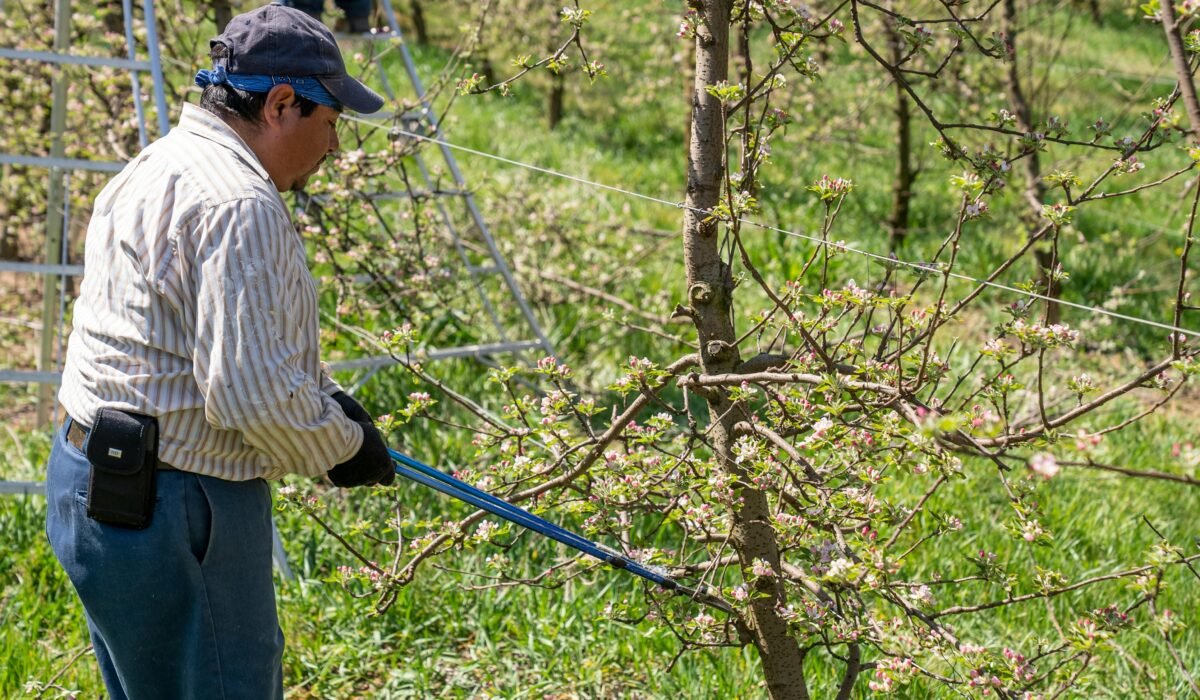
Imagine stepping into your backyard and plucking a perfectly ripe, juicy apple or a sweet, succulent peach straight from your own tree. This isn’t just a dream – it’s an achievable reality when you master the art of pruning backyard fruit trees. Proper pruning is the single most impactful step you can take to transform your fruit trees from unruly producers of sparse, mediocre fruit into bountiful sources of high-quality harvests.
Far from simply hacking away branches, strategic pruning is a deliberate conversation with your tree, guiding its energy, shaping its form, and ensuring it delivers the best possible fruit year after year. Let’s delve into the essential techniques and timing that will empower you to cultivate a truly productive backyard orchard.
Why Prune Fruit Trees? Benefits for Harvest & Health
Many new fruit tree owners hesitate to prune, fearing they might harm their tree or reduce its yield. In reality, the opposite is true. Pruning is a fundamental practice in fruit tree care that provides a multitude of benefits, directly impacting both the quantity and quality of your harvest, as well as the long-term health of your trees.
One of the primary goals of pruning is to maximize sun exposure and air circulation throughout the tree’s canopy. Sunlight is crucial for fruit development, enhancing sweetness, color, and overall flavor. Improved air circulation helps reduce humidity, which in turn minimizes the risk of fungal diseases and pest infestations. A well-pruned tree is a healthier tree.
Pruning also plays a vital role in managing tree vigor and size. By controlling how large your tree grows, you make harvesting easier and simplify tasks like pest control and spraying. More importantly, pruning encourages the development of new fruiting wood. For instance, a 2023 study (with updated information in 2025) on ‘Valencia’ orange trees demonstrated that heavy pruning, involving 75% removal of main branches, significantly increased fruit yield by nearly 20% and improved fruit quality in terms of weight, size, firmness, juice content, and vitamin C. This scientific backing underscores the power of strategic cuts.
Furthermore, regular pruning helps prevent biennial bearing, a common issue where a tree produces a heavy crop one year and a very light one the next. By thinning out excessive fruit buds and encouraging balanced growth, you promote a more consistent, annual production cycle. This means a steady supply of delicious fruit for your family, rather than a feast-or-famine scenario.
Best Time to Prune: Dormancy & Summer Considerations
Understanding when to prune is almost as important as knowing how. The timing of your cuts significantly influences the tree’s response, impacting growth, fruiting, and overall health.
Dormant Pruning: The Main Event
For most heavy structural pruning, the ideal time is during late winter or early spring, while the trees are dormant. This typically means after the coldest part of winter has passed but before bud-break, bloom, or leaf emergence. In many regions, this window falls between late January and early April.
There are several compelling reasons why dormant pruning is preferred. First, with no leaves, the tree’s structure is fully visible, making it easier to identify crossing branches, weak angles, and areas needing thinning. Second, the tree is in a resting state, minimizing the stress caused by large cuts. Its energy reserves, often referred to as its “pantry,” are stored in its roots, allowing it to heal wounds quickly and respond with vigorous new growth once spring arrives. This vigorous response is excellent for stimulating the new fruiting wood that many fruit types rely on.
For specific trees like apples and plums, April is often cited as a critical time for structural refinement, just before their most vigorous growth phase begins. This precise timing allows you to guide the tree’s energy effectively.
Summer Pruning: For Specific Goals
While dormant pruning handles the heavy lifting, summer pruning has its own valuable applications. It’s generally lighter and focuses on different objectives:
- Size Control: Summer pruning slows down vigorous growth, making it an excellent technique for managing the overall size of your tree, especially if you’re aiming for a smaller, more manageable height for easier harvesting.
- Canopy Opening: Removing select branches during summer can open the canopy further, allowing more sunlight to ripen fruit and improve air circulation, particularly in dense areas.
- Removing Water Sprouts & Suckers: These fast-growing, non-fruiting shoots can be removed at any time of year. Water sprouts are vigorous upright shoots that often emerge from the main branches, while suckers grow from the rootstock or base of the trunk. Removing them directs the tree’s energy back to fruit production.
Keep in mind that summer pruning, by removing leaves, temporarily reduces the tree’s ability to photosynthesize, thereby slowing its growth. This is why it’s used for size control rather than stimulating new growth.
Year-Round Pruning: The “Any Time” Rule
Regardless of the season, there are certain branches you should remove as soon as you spot them:
- Dead, Diseased, or Damaged Wood: These “D” branches are detrimental to the tree’s health and can harbor pests or diseases. Cut them back to healthy wood immediately.
- Suckers and Water Sprouts: As mentioned, these energy-sapping growths can be snipped off whenever they appear.
By understanding these timing nuances, you can tailor your pruning schedule to best suit your trees’ needs and your harvest goals.
Essential Pruning Techniques: Thinning, Heading & More
Effective pruning involves more than just randomly cutting branches. It requires understanding specific techniques and knowing when to apply them. The two fundamental types of cuts are thinning and heading, each serving a distinct purpose in shaping your fruit tree.
Thinning Cuts
A thinning cut involves removing an entire branch back to its point of origin – either to the main trunk, a larger scaffold branch, or a lateral branch. The goal of thinning is to open up the tree’s canopy, allowing light and air to penetrate more effectively. This technique is crucial for:
- Opening the Canopy: Improving light penetration to inner branches and developing fruit.
- Reducing Density: Preventing overcrowding, which can lead to disease and poor fruit development.
- Directing Growth: Encouraging growth in desired directions by removing competing branches.
When making a thinning cut, always cut back to the “branch collar” – the slightly swollen area at the base of the branch where it meets the trunk or a larger limb. Cutting into the branch collar can damage the tree’s natural wound-healing process, while leaving a stub can invite disease.
Heading Cuts
A heading cut involves shortening a branch, rather than removing it entirely. You cut back to a bud, a small side branch, or a point along the branch itself. Heading cuts stimulate growth directly below the cut, promoting bushier growth and stiffening limbs. This technique is useful for:
- Promoting Branching: Encouraging a single branch to divide into multiple shoots, increasing potential fruiting sites.
- Controlling Size: Reducing the length of a branch to manage tree height or spread.
- Strengthening Limbs: Making a branch more rigid to better support fruit loads.
When making a heading cut, always cut at a slight angle about ¼ inch above an outward-facing bud or a healthy side branch. This directs new growth away from the center of the tree, maintaining an open structure.
The “Four D’s” and Other Undesirables
Beyond thinning and heading, a critical aspect of pruning is the removal of specific types of branches that are detrimental to the tree’s health and productivity. These include:
- Dead: Any branch that is clearly lifeless and brittle.
- Diseased: Branches showing signs of infection, such as cankers, wilting, or unusual spots. Prompt removal prevents spread.
- Damaged: Broken, cracked, or otherwise injured branches that cannot recover.
- Dying: Branches that are clearly on their way out, often weak or unproductive.
Additionally, always remove:
- Crossing or Rubbing Branches: These create wounds where diseases and pests can enter.
- Suckers: Vigorous shoots that emerge from the rootstock or base of the trunk. They compete for nutrients and don’t produce desirable fruit.
- Water Sprouts: Fast-growing, upright shoots that often emerge from older wood on main branches. They are rarely productive and shade out fruiting wood.
- Branches Growing Inward: These contribute to a dense canopy and poor air circulation.
- Branches with Narrow Crotch Angles: Branches that form a “V” shape with the trunk (angles less than 35 degrees) are structurally weak and prone to breaking under fruit load. Aim for scaffold branch angles between 45 and 60 degrees for optimal strength.
By consistently applying these essential techniques, you’ll sculpt your tree for both maximum health and abundant harvests.
How Much to Prune: The 20-30% Rule & Tree Health
One of the most common questions among backyard fruit tree enthusiasts is, “How much is too much?” While it might feel counterintuitive to remove healthy wood, there’s a delicate balance to strike. Over-pruning can be just as detrimental as under-pruning.
The generally accepted guideline, often referred to as the “20-30% rule” or “pruning budget,” advises against removing more than 20% to 30% of the tree’s live canopy in a single year. This limit is crucial for maintaining the tree’s health and vigor.
Exceeding this 30% threshold can severely stress the tree. When a large amount of foliage is removed, the tree’s ability to photosynthesize and produce energy is significantly reduced. In response, it often goes into “survival mode,” triggering an excessive production of vigorous vegetative growth, primarily in the form of water sprouts. This growth comes at the expense of fruit production, as the tree prioritizes leaf regeneration over developing fruit buds.
For young trees, a lighter touch is often best, focusing on establishing a strong scaffold structure. As trees mature, the 20-30% rule becomes more critical for balancing fruit production with vegetative growth. If you have a neglected, overgrown tree, it’s often best to embark on a multi-year restoration plan, removing no more than 20-30% each dormant season until the tree is brought back into a manageable and productive form. This gradual approach minimizes shock and encourages a healthier response.
Remember, the goal of pruning backyard fruit trees isn’t to remove as much as possible, but to remove strategically. Each cut should have a purpose: to improve light, air, structure, or fruit quality. By adhering to the 20-30% rule, you ensure your tree remains healthy, productive, and continues to yield delicious fruit for years to come.
Pruning Specific Fruit Types: Apples, Peaches, Cherries
While general pruning principles apply to all fruit trees, understanding the specific fruiting habits and ideal forms for different fruit types is key to maximizing your harvest. Different trees bear fruit on different ages of wood, necessitating tailored pruning strategies.
Apples and Pears
Fruiting Habit: Apples and pears primarily bear fruit on “spurs”—short, stubby shoots that are typically two years old or older. These spurs can remain productive for several years.
Ideal Form: A “central leader” or “modified central leader” system is commonly recommended for apples and pears. This involves maintaining a dominant central trunk with scaffold branches radiating outwards in tiers, creating a Christmas tree shape. This form allows excellent light penetration and strong structural support.
Pruning Focus:
- Establish a strong central leader and 3-5 well-spaced scaffold branches with wide crotch angles (45-60 degrees).
- Thin out competing upright branches and those growing inward.
- Remove suckers, water sprouts, and dead/diseased wood.
- Encourage spur development by not over-thinning small, lateral branches that will become fruiting spurs. Avoid heading cuts on branches with developing spurs unless necessary for size control.
- Maintain good light penetration to all parts of the tree to keep spurs productive.
Peaches and Apricots
Fruiting Habit: These stone fruits bear fruit almost exclusively on one-year-old wood. This means the wood that grew last season is what will produce fruit this season. Older wood generally becomes unproductive.
Ideal Form: An “open vase” or “open center” system is highly recommended. This involves removing the central leader and training 3-4 main scaffold branches to grow outwards at a 45-60 degree angle from the trunk. This open structure allows maximum light and air into the center of the tree, which is crucial for stimulating new fruiting wood.
Pruning Focus:
- Annually remove 50-80% of last year’s growth to stimulate new, vigorous shoots that will bear fruit next season. This sounds drastic but is essential for consistent peach and apricot production.
- Maintain the open vase shape by removing any upright growth in the center.
- Thin out crowded branches and those growing downwards.
- Remove dead, diseased, or damaged wood.
- Ensure scaffold branches are well-spaced and have strong angles to support heavy fruit loads.
Cherries (Sweet and Sour)
Fruiting Habit:
- Sweet Cherries: Primarily bear fruit on spurs that can remain productive for 10-12 years.
- Sour Cherries (Tart Cherries): Bear fruit mainly on one-year-old wood, similar to peaches, but can also produce some on older spurs.
Ideal Form:
- Sweet Cherries: Often trained to a modified central leader system, balancing a central trunk with scaffold branches, or sometimes an open vase for easier management.
- Sour Cherries: Typically trained to an open vase system to encourage new fruiting wood and manage size.
Pruning Focus:
- Sweet Cherries: Focus on establishing a strong framework, thinning out competing branches, and maintaining good light exposure to spurs. Minimal annual pruning is often needed once established, mainly removing dead/diseased wood and maintaining shape.
- Sour Cherries: Require more aggressive annual pruning to stimulate new growth. Thin out older, less productive wood and encourage new shoots. Maintain the open vase shape.
- For both types, remove suckers and water sprouts.
By tailoring your pruning approach to the unique needs of each fruit tree species, you ensure they are optimally structured for abundant and high-quality yields.
Tools & Safety: Making Clean Cuts for Healthy Trees
The right tools are indispensable for effective and safe fruit tree pruning. Using sharp, clean, and appropriate equipment not only makes the job easier but also ensures clean cuts that heal quickly, preventing disease entry and promoting tree health.
Essential Pruning Tools
- Hand Pruners (Bypass Pruners): These are your workhorses for smaller branches, typically up to 1 inch in diameter. Bypass pruners, which operate like scissors with two blades passing each other, are preferred over anvil pruners for fruit trees as they make cleaner cuts, minimizing damage to the branch.
- Loppers: With longer handles, loppers provide increased leverage for branches between 1 and 2 inches (sometimes up to 3 inches) in diameter. Choose loppers with sharp bypass blades for the cleanest cuts.
- Pruning Saw: For branches larger than 2-3 inches in diameter, a pruning saw is essential. These saws are designed with aggressive teeth for cutting through live wood efficiently. Look for a curved blade for easier cutting in tight spaces. Never use a chainsaw unless you are experienced and have proper safety gear; for backyard trees, hand saws are usually sufficient.
- Gloves: Protect your hands from thorns, splinters, and sap.
- Safety Glasses: Essential for protecting your eyes from flying debris or snapping branches.
For more details on essential gardening tools, you might find our guide on Gardening Tools Every Beginner Must Own helpful.
The Importance of Sharp and Clean Tools
Sharpness: Dull tools tear and crush plant tissue, creating ragged wounds that are slow to heal and vulnerable to disease. Always ensure your tools are sharpened before use. You can use a sharpening stone or file specifically designed for pruning blades.
Cleanliness: Sanitize your pruning tools between trees, and especially after cutting diseased wood, to prevent the spread of pathogens. A simple solution of 10% bleach (1 part bleach to 9 parts water) or 70% rubbing alcohol works well. Dip or wipe the blades and let them air dry or wipe clean before making the next cut.
Safety First
Pruning, especially larger trees, can be hazardous. Always prioritize safety:
- Stable Ladder: If you need to reach higher branches, use a sturdy, stable ladder designed for orchard work. Never overreach or stand on the top rung.
- Clear Work Area: Ensure the area beneath your tree is clear of people and obstructions before making cuts, especially large ones.
- Proper Footwear: Wear closed-toe shoes with good grip.
- Be Aware of Power Lines: Never prune near power lines. If branches are close, contact your utility company.
By investing in quality tools and adhering to safety protocols, you can prune your fruit trees effectively and confidently, ensuring both your well-being and the health of your trees.
Common Pruning Mistakes to Avoid
Even with the best intentions, it’s easy to make mistakes when pruning fruit trees. Avoiding these common pitfalls will save you headaches, prevent tree damage, and ensure a more productive orchard.
1. Over-Pruning
This is perhaps the most frequent and damaging mistake. Removing too much of the canopy (more than 20-30% in a single year) can severely stress the tree. As discussed, this often triggers an explosion of water sprouts, reduces fruit production, and can even shorten the tree’s lifespan. Remember, slow and steady wins the race, especially with neglected trees.
2. Improper Cuts (Stub Cuts & Flush Cuts)
- Stub Cuts: Leaving a long “stub” of a branch after a cut. Stubs don’t heal properly and become entry points for pests and diseases. Always cut back to a branch collar or an outward-facing bud.
- Flush Cuts: Cutting a branch too close to the main trunk or larger limb, removing the branch collar. The branch collar contains special cells that aid in wound healing. Removing it makes it harder for the tree to seal the wound, leaving it exposed to infection.
Always aim for a clean cut just outside the branch collar, leaving it intact.
3. Pruning at the Wrong Time
Heavy pruning outside the dormant season can be detrimental. Pruning too late in spring (after bud-break) can remove developing fruit buds, reducing your current year’s harvest. Heavy pruning in late summer or fall can stimulate tender new growth that won’t harden off before winter, making it vulnerable to frost damage. Stick to dormant pruning for major work and summer pruning for specific, light tasks.
4. Ignoring Diseased or Damaged Wood
Delaying the removal of dead, diseased, or damaged branches is a recipe for disaster. These branches can harbor pathogens, allowing diseases to spread to healthy parts of the tree. Always remove them immediately, sanitizing your tools thoroughly after each cut into diseased wood.
5. Using Dull or Dirty Tools
Dull tools make ragged cuts that are difficult for the tree to heal, inviting pests and diseases. Dirty tools can transfer diseases from one cut to another, or from one tree to another. Always ensure your tools are sharp and sanitized before and during your pruning session.
6. Not Understanding the Tree’s Fruiting Habit
Treating all fruit trees the same is a common error. Pruning a peach tree (which fruits on one-year-old wood) like an apple tree (which fruits on spurs) will lead to vastly different, and likely disappointing, results. Know whether your tree fruits on old wood, new wood, or spurs, and adapt your techniques accordingly.
“Proper pruning is a deliberate practice aimed at achieving several critical objectives: maximizing sun and air exposure to fruiting wood, improving fruit size and quality, maintaining tree vigor and health, managing tree size for easier harvesting and pest control, and fostering the development of new fruiting wood.” – University of Illinois Extension
By being mindful of these common mistakes, you can approach your fruit tree pruning with confidence, ensuring you support your trees’ health and maximize their potential for delicious yields.
Conclusion
Mastering the art of pruning backyard fruit trees is one of the most rewarding skills a home gardener can develop. It’s an investment in the long-term health and productivity of your orchard, directly influencing the quality and abundance of the fruit you’ll enjoy.
By understanding the “why” behind each cut, adhering to optimal timing for dormant and summer pruning, employing precise techniques like thinning and heading, and respecting the 20-30% rule, you empower your trees to thrive. Remember to tailor your approach to the specific needs of apples, peaches, cherries, and other fruit types, always using sharp, clean tools and prioritizing safety.
Don’t be intimidated by the initial complexity. Start small, observe your trees, and learn with each season. With consistent, thoughtful pruning, your backyard fruit trees will not only become healthier and more beautiful but will also reward you with a bounty of delicious, homegrown fruit for years to come. Grab your pruners, step into your garden, and cultivate the harvest of your dreams!







