
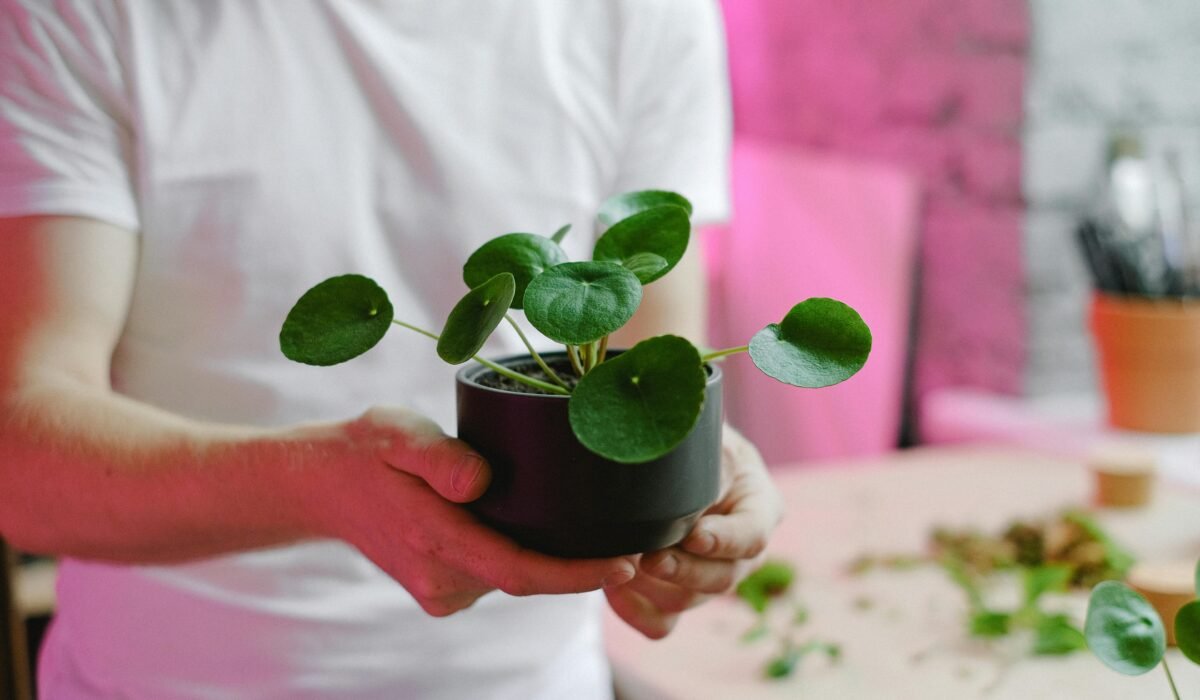
Struggling to find plants that truly thrive in your dimly lit apartment or a windowless office? You’re not alone! Many of us dream of lush, green spaces, but the reality of low natural light can make plant parenting feel like an uphill battle. The good news is, with the right knowledge and selection of low-light indoor plants, you can absolutely transform even the darkest corners into vibrant havens.
Beyond their aesthetic appeal, plants offer incredible benefits, from boosting your mood and reducing stress to acting as natural air purifiers. This guide will equip you with everything you need to know to choose, care for, and help your low-light houseplants not just survive, but genuinely prosper in 2025 and beyond.
Understanding “Low Light”: What It Really Means for Your Plants
When we talk about “low light” for indoor plants, it’s not just about how bright a room feels to your eyes. Our human perception of light is very different from a plant’s needs. What feels like a cozy, dim spot to you might be practically a cave to a plant trying to photosynthesize.
Scientifically, low light typically means your plant is receiving between 50 to 250 foot-candles (fc) or less than 300 lux of light intensity. To put that in perspective, many houseplants truly thrive in conditions requiring 200–800+ fc, and direct outdoor sunlight can be 10,000 fc or more. This crucial distinction is often missed in general plant advice.
Here’s the thing: most plants labeled as “low light tolerant” can survive in these dim conditions, but they won’t necessarily flourish. Their growth might be incredibly slow, and features like vibrant variegation or beautiful blooms could be significantly reduced or absent. They are merely maintaining themselves, not actively growing.
In recent years, the gardening community has shifted towards more precise measurements like Photosynthetic Photon Flux Density (PPFD) and Daily Light Integral (DLI). These metrics help us understand the actual amount of light energy (photons) a plant receives over time, which is far more accurate than subjective terms. For instance, a plant often needs to cross approximately 2 DLI to show visible growth, which is equivalent to roughly 1,500–2,000 lux for 12 hours.
My personal observation is that many plant parents overestimate their home’s light levels. Even a corner that seems “bright” to you might only meter <300 lux at plant height. This is often near a plant's Light Compensation Point (LCP), where it's producing just enough energy to survive, but not enough to grow. Understanding these numbers is key to truly helping your low-light indoor plants.
Top Low-Light Indoor Plants That Tolerate & Thrive
Even with challenging light conditions, you have a fantastic selection of low-light tolerant plants that can add life and beauty to your home or office. These resilient beauties are often considered *easy indoor plants* and *low maintenance houseplants*, making them perfect for beginners and busy individuals alike. Many also double as excellent *air purifying plants*!
Here are some of the best choices for your dim spaces:
- Snake Plant (Dracaena trifasciata): Known for its upright, sword-like leaves, the Snake Plant is incredibly tough. It tolerates very low light and infrequent watering, making it one of the most forgiving plants out there. Plus, it’s a champion at filtering indoor air pollutants.
- ZZ Plant (Zamioculcas zamiifolia): With its glossy, dark green leaves, the ZZ Plant looks sophisticated and requires minimal attention. It can handle extremely low light and go for weeks without water, storing moisture in its thick rhizomes.
- Pothos (Epipremnum aureum): This vining plant is a classic for a reason. Pothos varieties like ‘Golden Pothos’ or ‘Jade Pothos’ are incredibly adaptable to various light conditions, though their variegation might be less pronounced in very low light. They’re perfect for hanging baskets or shelves.
- Peace Lily (Spathiphyllum): Famous for its elegant white “blooms” (which are actually modified leaves called spathes), the Peace Lily prefers low to medium indirect light. It’s also a fantastic *air purifying plant*, tackling common toxins like formaldehyde and benzene. It will often droop dramatically when thirsty, giving you a clear signal to water.
- Spider Plant (Chlorophytum comosum): With its arching leaves and adorable “spiderettes” that dangle from the mother plant, the Spider Plant is a charming choice. It’s quite adaptable to low light, though it will produce more “babies” and grow faster in brighter conditions.
I’ve personally found that even a single one of these plants can make a huge difference in brightening up a dull space. What’s more, they require less frequent watering than plants in brighter spots, as their soil dries out much slower.
Plants for Windowless Rooms: The Role of Grow Lights
Can any plant truly survive and thrive in a windowless room? While some plants for dark rooms can certainly tolerate extremely low light, no green plant can genuinely *thrive* without some form of light for photosynthesis. In a room with no natural light whatsoever, artificial illumination becomes not just helpful, but absolutely essential for long-term survival and growth.
This is where grow lights come in. For plants in windowless offices or deep inside homes, supplemental lighting isn’t a luxury; it’s a necessity. The good news is that modern grow light technology has made it easier and more affordable than ever to provide your plants with the light they need.
The best choice for most indoor plants, especially those in low-light situations, are full-spectrum LED grow lights. These lights mimic natural sunlight, providing a balanced spectrum of light that plants use for all stages of growth. Look for LEDs with a color temperature between 5,000–6,500 Kelvin (K), as this range is excellent for vegetative growth and general plant health.
For optimal results, you’ll want to keep your grow lights on for 10-12 hours daily for plants like Peace Lilies, and 12-16 hours for general foliage plants. Proper placement is key; the light needs to be close enough to the plant to be effective, usually within 12-24 inches, depending on the light’s intensity. Investing in a timer can help you maintain a consistent light schedule, mimicking natural day-night cycles.
Here’s the thing: while the initial cost might seem like an investment, the long-term benefits of healthy, thriving plants in even the darkest spaces are well worth it. If you’re looking to dive deeper into selecting the right artificial light, our guide on Hydroponic Grow Lights: Choose the Best for Your System offers valuable insights that apply to all types of plant lighting.
Common Issues with Low-Light Plants & Troubleshooting
Even the most resilient low-light indoor plants can sometimes show signs of distress. Understanding these signals is crucial for effective troubleshooting. Many common issues stem directly from insufficient light or, surprisingly, from overwatering, which often goes hand-in-hand with low light conditions.
Here are some of the most frequent problems you might encounter with your low-light tolerant plants:
- Yellowing Leaves: This is a classic symptom of both too little light and overwatering. If the lower leaves are turning yellow and the soil feels constantly damp, overwatering is likely the culprit. If the yellowing is more widespread and accompanied by slow growth, it could be a sign of light starvation.
- Leggy Growth: When a plant stretches out with long, sparse stems and widely spaced leaves, it’s desperately reaching for more light. This “etiolation” is a clear sign your plant isn’t getting enough illumination.
- Loss of Variegation: For plants like Golden Pothos or Marble Queen Pothos, those beautiful creamy or white patterns are a sign of healthy light exposure. In very low light, these plants may revert to solid green, as the green parts contain more chlorophyll and are more efficient at photosynthesis.
- Slow or Stunted Growth: If your plant seems to be in a perpetual state of suspended animation, barely producing new leaves, it’s likely not receiving enough energy from light to fuel active growth.
- Dull Color and Lack of Vigor: Leaves may appear less vibrant, and the plant might generally look unhealthy or weak.
Troubleshooting these issues often involves a combination of adjustments. First, assess the light situation. Can you move the plant closer to a window? Is it time to introduce a grow light? Next, re-evaluate your watering schedule. Remember, plants in low light use less water.
It’s a common mistake to assume a “low light” plant needs no light at all. Even these resilient species benefit greatly from a little more indirect light than you might think. Adjusting your plant’s environment can often resolve these issues and get your green companions back on track.
Essential Care Guide for Your Low-Light Houseplants
Caring for low-light houseplants is generally straightforward, but it requires a slightly different approach than caring for sun-loving varieties. The key is to understand that their slower metabolism in dimmer conditions means less demand for water and nutrients.
Watering Your Low-Light Plants
This is arguably the most critical aspect of *indoor plant care low light*. Because these plants aren’t actively photosynthesizing as much, they use significantly less water. Overwatering is the number one killer of low-light plants, leading to root rot and other issues. The golden rule is to water only when the top inch or two of soil feels dry to the touch. Stick your finger into the soil to check, don’t just rely on how the top looks.
When you do water, water thoroughly until it drains from the bottom, then empty any standing water from the saucer. This ensures the roots get a good drink without sitting in soggy conditions.
Fertilizing for Minimal Growth
Since plants in low light grow slowly, their nutrient demand is minimal. Fertilizing without sufficient light is largely ineffective and can even cause harm, leading to fertilizer burn. If you see active new growth during the spring and summer, you can fertilize lightly, using half-strength (or even quarter-strength) liquid fertilizer once or twice during the entire growing season. During fall and winter, skip fertilizing altogether.
Humidity and Air Quality
Many popular low-light plants, like Peace Lilies and Pothos, are also excellent *air purifying plants*. They can help regulate indoor humidity levels through transpiration, which is especially beneficial in dry environments. While most low-light plants don’t demand extremely high humidity, occasional misting or placing them near a humidifier can be beneficial, especially in heated homes during winter.
Potting and Soil
Always use a well-draining potting mix for your low maintenance houseplants. A mix with perlite or vermiculite will help prevent the soil from becoming waterlogged, which is crucial for plants that prefer to dry out between waterings. Ensure your pots have drainage holes to allow excess water to escape.
Keeping Leaves Clean
Dust can accumulate on plant leaves, blocking precious light and hindering photosynthesis. Regularly wipe down the leaves of your low-light plants with a damp cloth. This simple act can make a big difference in how efficiently your plant can absorb the limited light available. For more general advice on picking the right greenery, check out our Choose Easy Indoor Plants: Beginner’s Guide for Your Home.
Beyond Basic Survival: Helping Your Plants Prosper
Once you’ve mastered the basics, you can move beyond simply keeping your low-light indoor plants alive and start helping them truly prosper. Remember, there’s a significant difference between tolerating low light and thriving in it. Our goal is to nudge them towards that thriving state, even in challenging environments.
One of the best ways to help your plants is to understand their specific needs. While a ZZ Plant can truly handle very low light, a Peace Lily, for example, will reward you with more blooms and lusher foliage if given a slightly brighter spot, perhaps with a grow light for a few hours a day. Rotating your plants can also be beneficial, allowing them to take turns in the best available light spots.
Consider investing in an affordable light meter or using a smartphone app to get a rough idea of the foot-candle or lux levels in different areas of your home. This can be a game-changer for understanding your actual light environment, moving beyond guesswork. What I’ve learned is that even small, consistent improvements in light exposure can lead to noticeable differences in plant vitality.
Don’t forget the incredible benefits these plants bring to your indoor spaces. Studies have shown that interacting with plants can lower physiological stress markers like heart rate and blood pressure, as detailed in research published in the Journal of Physiological Anthropology. Whether you’re looking for *best office plants* to boost productivity or *air purifying plants* for cleaner home air, these green companions deliver.
By providing consistent, thoughtful care and perhaps a little supplemental light, you can ensure your plants are not just surviving, but genuinely adding vibrancy, health, and joy to your low-light home or office. It’s about creating an environment where even the most shade-loving plants can feel their best.
Frequently Asked Questions
Can any plant truly survive in a windowless room?
While some plants are incredibly tolerant of extremely low light, no green plant can truly thrive or grow long-term in complete darkness. Photosynthesis requires light (photons). For plants to survive and grow in windowless rooms, artificial full-spectrum LED grow lights, run for 12-16 hours daily, are often necessary.
Why are my low-light plants showing signs of distress?
Common signs like yellowing leaves, leggy growth (long spaces between leaves), or loss of variegation are usually indicators of insufficient light. Yellowing can also point to overwatering, especially if the soil stays wet. Your plant is either stretching for more light or struggling to process water without enough energy.
How often should I water my low-light indoor plants?
Low-light plants generally require less frequent watering than those in brighter conditions because their soil dries out slower. The best rule is to water only when the top inch or two of soil feels dry to the touch. Overwatering is a common cause of issues like root rot and yellowing leaves.
Do low-light plants need fertilizer?
Minimal growth in low-light conditions means minimal nutrient demand. Fertilizing without sufficient light is largely ineffective and can even cause harm. If your plant shows active new growth, fertilize lightly (half-strength at most) once or twice during the growing season (spring/summer), but skip it during dormant periods.
Embracing low-light indoor plants opens up a world of possibilities for transforming even the dimmest corners of your home or office into lush, green sanctuaries. Remember that “low light” doesn’t mean “no light,” and a little understanding of your plant’s needs can go a long way.
From the resilient ZZ Plant to the air-purifying Peace Lily, there’s a perfect green companion waiting for you. With thoughtful watering, minimal fertilization, and perhaps the strategic use of grow lights, you can ensure your chosen low maintenance houseplants not only survive but truly add vitality and beauty to your everyday environment. So go ahead, choose your favorites, and start your journey to a greener indoor space!







