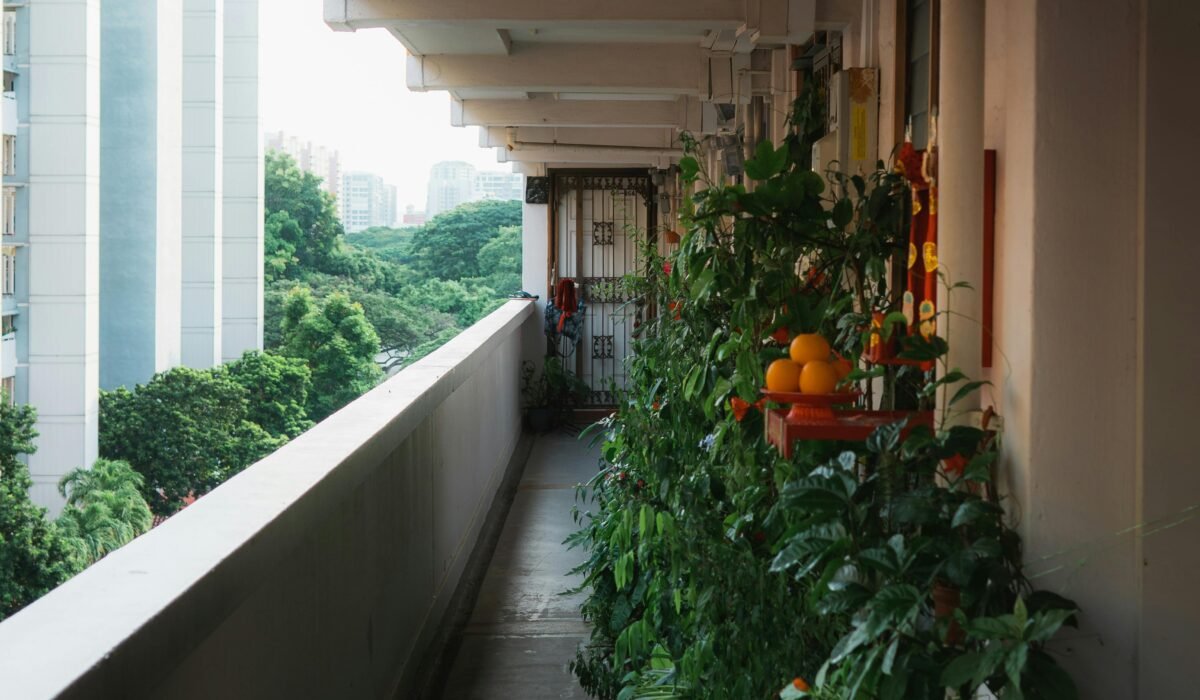
Dreaming of fresh, homegrown fruit but only have a small balcony? You’re not alone! Many urban dwellers wonder if it’s truly possible to cultivate a bountiful harvest in such limited space. The good news is, with the right knowledge and plant choices, you absolutely can enjoy delicious, homegrown produce right outside your door. Let’s dive into the world of the Best Balcony Fruits and transform your small outdoor area into a productive edible oasis.
Easiest Fruits for Balcony Beginners
Starting your container fruit gardening journey doesn’t have to be complicated. There are several forgiving and highly rewarding fruits perfect for beginners. These choices are generally compact, adaptable, and offer a good chance of success, making them some of the best balcony fruits to start with.
Strawberries are arguably the champions of easy fruits in pots. Everbearing or day-neutral varieties are particularly great because they produce fruit multiple times throughout the season. They thrive in hanging baskets, tiered planters, or even window boxes, and there’s nothing quite like popping a warm, sun-ripened strawberry directly from the plant into your mouth. What surprised me when I first started growing them was how quickly they produced!
Dwarf Citrus Trees, like Meyer lemons, are another excellent option. These beauties offer fragrant blossoms, shiny green leaves, and delicious fruit. They’re self-pollinating and relatively tolerant of being moved indoors during colder months, making them ideal for urban fruit growing tips. Imagine fresh lemon zest from your own tree for your evening meal!
Finally, consider Blueberries. While they have a specific soil preference, dwarf varieties such as ‘Sunshine Blue’ or ‘Pink Icing’ are perfect for pots. They prefer acidic soil (pH 4.5-5.5), which is actually easier to maintain in containers using ericaceous compost. Growing at least two different varieties can improve cross-pollination and yield, providing you with a steady supply of these superfoods.
Sunlight & Soil: Essential for Balcony Fruit Success
Just like any plant, fruit-bearing varieties rely heavily on proper sunlight and nutrient-rich soil to flourish. Most fruit plants need a minimum of 6-8 hours of direct sunlight daily to produce flowers and fruit optimally. South-facing balconies are often ideal for this reason, providing ample sun exposure throughout the day. If you’re unsure about your balcony’s sun exposure, you can track it over a day or two, or check out our Essential Guide for Beginner Gardeners on Sunlight.
What if your balcony is a bit shadier? Don’t despair! Some fruits, like alpine strawberries, gooseberries, and blackcurrants, can tolerate partial shade, meaning they’ll do fine with 4-6 hours of sun. You might not get the same abundant harvest as in full sun, but you’ll still enjoy some fresh treats.
For soil, skip the garden soil and opt for a high-quality potting mix specifically designed for containers. Garden soil is often too heavy and can compact, leading to poor drainage and root rot. Your potting mix should be well-draining yet retain moisture, and ideally, amended with compost or a slow-release fertilizer. This rich foundation is crucial for sustained fertility in confined spaces.
Regular fertilization is also key because nutrients tend to leach out of containers with frequent watering. You’ll likely need to feed your plants monthly for heavy feeders like citrus, or quarterly for berries. For more detailed advice, check out our guide on Balcony Garden Fertilizers: Best Nutrients for Potted Plants. In practice, I’ve found that a good feeding schedule makes all the difference for fruit production.
Choosing the Right Containers & Watering Your Plants
The right container is more than just a decorative choice; it’s fundamental to the health and productivity of your balcony fruit plants. Fruit trees and larger fruiting shrubs typically require substantial pots, often 15-25 gallons (57-95 liters) in capacity. This allows for adequate root development, which is vital for vigorous growth and fruit production. Smaller berries like strawberries can thrive in 5-inch deep containers or hanging baskets, while determinate tomatoes and peppers do well in 5-10 gallon pots.
When selecting containers, consider both size and material. Heavier pots made of terracotta or ceramic can offer more stability against strong winds, a common balcony challenge. Lighter options like fabric grow bags or plastic pots are easier to move, but may require more frequent watering. Ensure all containers have excellent drainage holes to prevent waterlogging, which can quickly lead to root rot.
Watering is perhaps the most critical daily task for container fruit gardening. Potted plants dry out much faster than those in the ground, especially on sunny or windy balconies. You’ll need to maintain consistent moisture, but avoid letting plants sit in soggy soil. Check the soil daily by sticking your finger about an inch or two deep; if it feels dry, it’s time to water.
Self-watering planters can be a fantastic solution for busy gardeners, offering a reservoir that provides water as needed. For more in-depth watering techniques, our guide on Watering Fruit Trees: Essential Techniques for Healthy Growth offers valuable insights. My personal observation is that pots on balconies, especially terracotta ones, can dry out surprisingly fast on a hot day, sometimes needing water twice daily.
Maximizing Your Balcony Harvest & ROI
One of the most motivating aspects of urban fruit growing tips is seeing a tangible return on your effort. While yields vary, with proper care and selection of high yield container fruits, your balcony can be surprisingly productive. For instance, a mature dwarf blueberry plant can yield 3-5 pounds of fruit in a season. A dwarf container cherry tree might produce 10-15 pounds, and a single container pomegranate can give you 15-30 fruits.
These harvests translate into real savings. Those 15-30 pomegranates could save you $45-$120 compared to store prices. A dwarf peach tree producing 20-50 full-sized peaches could mean $60-$120 in grocery savings. Beyond the monetary value, the joy and superior taste of freshly picked fruit are priceless. This is where the true return on investment lies for many gardeners.
To maximize your harvest, consider pollination. Many popular balcony fruits like dwarf citrus and most dwarf cherry varieties are self-fertile, meaning they can produce fruit with pollen from their own flowers. However, even self-fertile plants can benefit from cross-pollination. You can attract natural pollinators like bees by planting pollinator-friendly flowers nearby, or gently hand-pollinate with a soft brush, especially for plants kept indoors or on very high balconies.
Another tip for boosting yields is to choose varieties specifically bred for heavy production in small spaces. For example, ‘Violette de Bordeaux’ figs are known for producing two crops per year. It’s truly amazing how much fruit a well-cared-for dwarf plant can produce in a confined space.
Long-Term Care & Overwintering Balcony Fruits
Balcony fruit gardening isn’t just about planting; it’s about nurturing your plants for years to come. Unlike garden beds where roots can spread freely, container-grown plants eventually become root-bound. This makes long-term care, including root pruning and repotting, essential. Generally, plan to repot your fruit trees every 2-3 years, moving them to a slightly larger container or root pruning them to encourage new growth while keeping them in the same pot.
Overwintering is another critical aspect of balcony plant care, especially in colder climates. Many popular balcony fruits, like citrus and figs, are not frost-hardy. For these, you’ll need a strategy to protect them from freezing temperatures. This often means moving them indoors to a sunny, unheated room or a garage once temperatures consistently drop below 50°F (10°C).
For hardier plants, like ‘Chicago Hardy’ figs (which can tolerate cold down to zone 5 with protection) or dwarf blueberries, you might be able to keep them outdoors with some insulation. Wrapping pots in burlap, bubble wrap, or placing them close to a warm wall can help protect roots from freezing. Ensuring pots are slightly elevated to prevent water accumulation is also important. My own experience with overwintering a Meyer lemon involved bringing it indoors near a sunny window, and it rewarded me with fragrant blooms even in winter.
Before overwintering, ensure your plants are well-hydrated but not waterlogged. Reduce fertilization as growth slows down. By planning ahead, you can keep your beloved fruit plants healthy and productive for many seasons.
Advanced Pruning & Pest Management for Small Spaces
Pruning is more than just trimming; it’s an art form that shapes your plants for maximum fruit production and keeps them compact in a small space edible garden. For dwarf fruit trees for balconies, advanced pruning techniques can be incredibly beneficial. Consider espalier, a method of training branches to grow flat against a wall or trellis. This not only saves space but also exposes more fruit to sunlight, enhancing ripening. Similarly, specific dwarf tree training methods can help maintain a manageable size while encouraging fruit spurs.
Regular pruning helps improve air circulation, which reduces disease risk, and directs the plant’s energy into fruit production rather than excessive vegetative growth. Remove any dead, diseased, or crossing branches. For many fruit trees, pruning in late winter or early spring before new growth appears is ideal, but light summer pruning can also help control size.
Pest management on a balcony requires vigilance and an integrated approach. In a confined space, pests can spread quickly. Regularly inspect your plants for signs of trouble, checking both the top and underside of leaves. Early detection is key!
Integrated Pest Management (IPM) for balconies includes:
- Companion Planting: Plant herbs like basil or marigolds near your fruit plants; they can deter common pests.
- Organic Solutions: Use insecticidal soap or neem oil for aphids, spider mites, or whiteflies. Always follow label directions.
- Manual Removal: For larger pests like caterpillars, simply pick them off by hand.
- Good Hygiene: Remove fallen leaves and fruit promptly to prevent disease and pest harborage.
What I’ve learned is that a little daily attention goes a long way in keeping pests at bay before they become a big problem.
Innovative Compact Fruit Varieties for 2025-2026
The world of container fruit gardening is constantly evolving, with breeders introducing exciting new varieties specifically designed for small spaces. If you’re looking to expand your collection of best balcony fruits, here are some cutting-edge options to consider for 2025-2026:
For Tomatoes (yes, they’re botanically fruits!):
- ‘Partyball’ and ‘Akoya’: Ultra-compact varieties recognized at Cultivate ’25, offering heavy yields of cherry or cocktail fruit on exceptionally small plants.
- ‘Sugar Basket Red’: A 2026 introduction ideal for hanging baskets, perfect for vertical fruit garden setups.
- Bioengineered varieties from Norfolk Healthy Produce (2026): ‘Dark Hollow’ (purple cocktail), ‘The Beta’ (bright orange cherry with high beta-carotene), and ‘The Eleven’ (striped with purple inside, high in anthocyanin) offer enhanced nutrition and striking colors.
For Peaches:
- ‘Sweet Sensation’: A columnar peach offering sweet, mid-size fruit on an upright form, ideal for tight spaces.
- Dwarf varieties like ‘Bonanza’ and ‘Mini Pix Zee’ continue to be excellent choices, bred specifically for container life.
For Blueberries:
- ‘Bountiful Baby’: Praised for its compact growth and high yield, making it another fantastic choice for dwarf fruit trees for balconies.
For Passion Fruit:
- ‘Poppin’ Passion’ by Bushel and Berry: A compact passion fruit suitable for containers and designed for overwintering indoors.
These innovative varieties, combined with trends like vertical gardening, are making it easier than ever to achieve a diverse and productive urban fruit growing experience. The continuous development of compact plants means there’s always something new and exciting to try on your balcony. It’s truly thrilling to see how much progress is being made in making gardening accessible to everyone.
Frequently Asked Questions
What are the easiest fruits for a beginner balcony gardener?
For beginners, strawberries (especially everbearing varieties), dwarf citrus (like Meyer lemons), and dwarf blueberries are excellent choices. They are relatively forgiving, produce well in containers, and offer a satisfying harvest with basic care. They’re some of the best balcony fruits to start your journey with.
How much sunlight do balcony fruit plants really need?
Most fruit-bearing plants require at least 6-8 hours of direct sunlight per day for optimal growth and fruit production. South-facing balconies are usually ideal. However, some fruits like alpine strawberries, gooseberries, and blackcurrants can tolerate partial shade (4-6 hours of sun).
What’s the best pot size and soil for balcony fruit trees?
For dwarf fruit trees, aim for containers that are 15-25 gallons (57-95 liters) in capacity to allow for adequate root growth. Use a high-quality, well-draining potting mix specifically designed for containers, often amended with compost. Avoid using heavy garden soil, which can compact and lead to root rot.
How can I maximize my fruit harvest on a small balcony?
To maximize your harvest, select dwarf or compact fruit varieties known for high yields. Ensure your plants receive adequate sunlight (6-8 hours), consistent watering, and regular fertilization. Consider self-fertile varieties or hand-pollinate if natural pollinators are scarce. Pruning for shape and fruit production also significantly boosts yields.
Growing your own fruit on a balcony is a deeply rewarding experience, offering fresh, delicious produce right outside your door. It’s a fantastic way to connect with nature, reduce your grocery bill, and enjoy the unparalleled taste of homegrown goodness. With the right selection of the best balcony fruits, proper care, and a little patience, your urban space can become a vibrant, productive edible garden. So, pick your favorite compact varieties, get those containers ready, and start your own balcony fruit adventure today!