
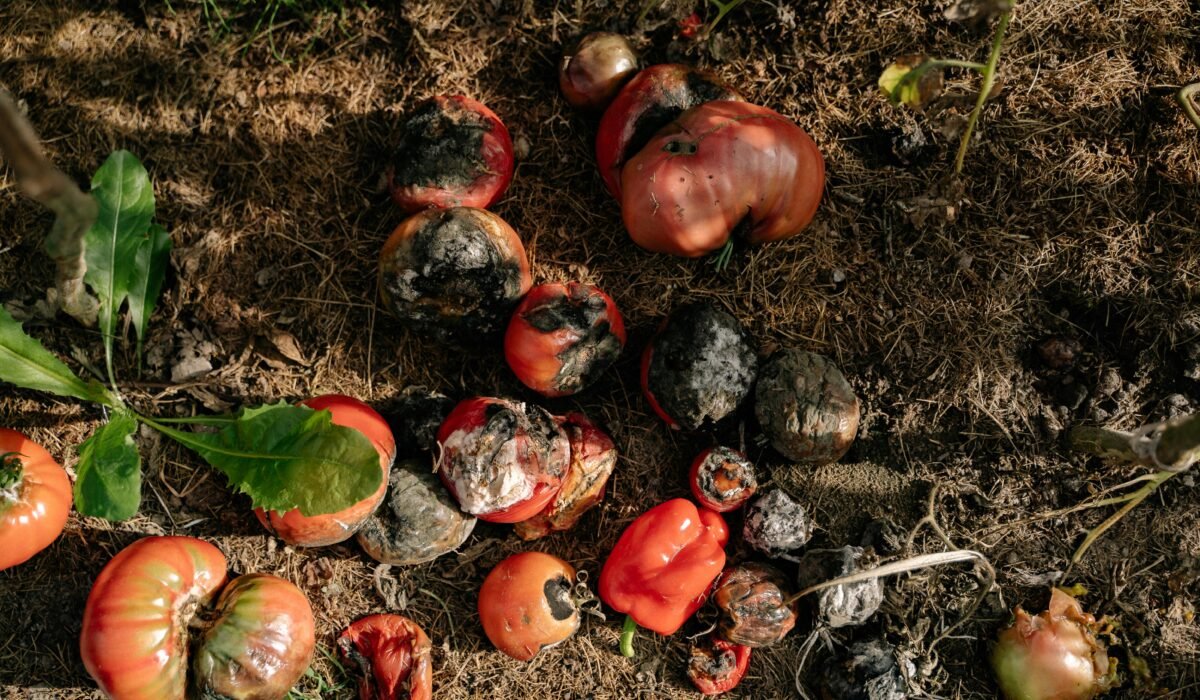
Are your precious tomato plants looking a bit sickly? Perhaps you’ve noticed strange spots on the leaves, yellowing foliage, or even rotting fruit. Don’t worry, you’re not alone! Dealing with common tomato plant diseases is a rite of passage for many gardeners, but with the right knowledge, you can diagnose and treat these issues effectively.
Identify Common Tomato Diseases: Symptoms & Impact
The first step to a healthy tomato harvest is knowing what you’re up against. Many tomato plant diseases share similar symptoms, making identification tricky. However, looking closely at the specific patterns and locations of damage can give you crucial clues.
Early Blight (Alternaria solani)
This common fungal disease often appears on lower leaves first. You’ll spot dark, concentric rings, almost like a target, often surrounded by a yellow halo. It can spread to stems and even the fruit, causing significant yield loss—up to 80% in severe cases. Early blight thrives in warm, humid conditions.
Late Blight (Phytophthora infestans)
Late blight is the stuff of nightmares for tomato growers. It spreads incredibly fast, turning leaves and stems into dark, water-soaked spots that quickly blacken. In humid weather, you might see a fuzzy white mold on the undersides of leaves. This aggressive disease can defoliate an entire plant in just two weeks, so quick action is essential. The pathogen responsible, Phytophthora infestans, is notorious for its destructive potential.
Septoria Leaf Spot (Septoria lycopersici)
If you see small, circular spots (about 1/16th to 1/8th inch) with dark borders and beige or gray centers, often peppered with tiny black dots, you likely have septoria leaf spot. These black dots are the fungus’s spore-producing bodies. It usually starts on lower leaves, causing them to yellow, dry out, and drop off. This can reduce your yield by as much as 50% if defoliation is severe.
Fusarium Wilt & Verticillium Wilt
These two fungal diseases are soil-borne and affect the plant’s vascular system. You’ll notice yellowing and wilting of lower leaves, often on only one side of the plant or even one side of a single leaf. If you cut open the stem, you might see browning in the vascular tissue. These wilts can be devastating as they block water and nutrient flow.
Bacterial Spot (Xanthomonas perforans) & Bacterial Speck (Pseudomonas syringae)
These bacterial infections manifest as small, water-soaked spots on leaves. For bacterial speck, spots often have a yellow halo. On fruit, you’ll see slightly raised to scabby spots. Warm, wet conditions are perfect for their spread, leading to defoliation and reduced harvest. Bacterial spot tomato is particularly challenging due to its rapid spread.
Why Are My Tomato Leaves Turning Yellow? (Causes & Solutions)
One of the most common questions gardeners ask is, “Why are my tomato leaves turning yellow?” It’s a frustrating sight, and the truth is, many factors can contribute to tomato plant yellow leaves. Pinpointing the exact cause is key to finding the right solution.
Common Causes for Yellowing Leaves
- Nutrient Deficiencies: Tomatoes are heavy feeders! A lack of nitrogen, magnesium, or iron can all cause yellowing. Nitrogen deficiency usually shows up as overall pale yellowing, starting from older leaves. Magnesium deficiency often causes yellowing between the veins, while the veins themselves remain green.
- Improper Watering: Both overwatering and underwatering can lead to stress and yellow leaves. Overwatering suffocates roots, preventing them from absorbing nutrients. Underwatering causes wilting and crisp, yellowing leaves.
- Pests: Tiny pests like spider mites, aphids, or whiteflies can suck the sap from leaves, leading to yellowing and stunted growth. Always check the undersides of leaves!
- Environmental Stress: Extreme temperatures (too hot or too cold), poor drainage, or insufficient sunlight can all stress your plants, resulting in yellow leaves.
- Diseases: As discussed above, many fungal and bacterial diseases, particularly the wilts and severe cases of early blight or septoria leaf spot, will cause leaves to yellow and eventually die.
Solutions for Yellowing Leaves
- Test Your Soil: A soil test is invaluable for identifying nutrient deficiencies. Amend your soil with compost or balanced fertilizers as needed. For magnesium, Epsom salts can offer a quick boost.
- Consistent Watering: Aim for deep, consistent watering, especially during dry spells. Feel the soil moisture before watering again. Using mulch can help retain moisture and regulate soil temperature.
- Pest Control: If pests are the culprit, try organic solutions like neem oil or insecticidal soap. For severe infestations, you might need stronger measures.
- Improve Environment: Ensure your plants get at least 6-8 hours of direct sunlight. Improve drainage if your soil is waterlogged. Protect plants from extreme temperature fluctuations.
- Disease Management: If a disease is causing the yellowing, refer to specific treatment strategies outlined in other sections. Removing affected leaves can sometimes slow spread.
My own experience taught me that inconsistent watering is often the sneaky culprit behind yellowing leaves, especially when paired with hot summer days. It’s easy to forget just how thirsty these plants get!
Effective Treatments for Tomato Blight (Early & Late)
When it comes to tomato blight treatment, time is of the essence, especially with late blight. Both early and late blight can decimate a crop, but different strategies are effective depending on the stage and type of infection.
Early Blight Treatment
For early blight, early intervention is key.
- Sanitation: Remove and destroy any infected leaves, stems, or fruit immediately. Do not compost diseased plant material.
- Pruning: Improve air circulation by pruning lower leaves, especially those touching the soil. This helps dry out foliage and reduces spore splash.
- Fungicides: For organic gardeners, copper or sulfur-based fungicides can be effective if applied early and regularly. Products containing Bacillus subtilis (like Serenade) can also offer some protection. For conventional gardeners, fungicides with chlorothalonil or mancozeb are common choices. Start applications preventatively if blight is common in your area.
- Watering Practices: Water at the base of the plant to avoid wetting foliage, and do so in the morning so leaves can dry throughout the day.
Late Blight Treatment
Late blight is far more aggressive and requires swift, decisive action.
- Immediate Removal: As soon as late blight is identified, remove and destroy all infected plants. Do not try to salvage them, as they will quickly spread spores to healthy plants and neighboring gardens. This is a crucial step to prevent regional outbreaks.
- Fungicides (Preventative & Reactive): If late blight is confirmed in your region, preventative fungicide applications are strongly recommended for any remaining healthy plants. Products containing chlorothalonil are common. Organic options like copper fungicides can offer some protection, but their efficacy against late blight is often less robust than synthetic options.
- Scouting: Regularly inspect your plants for any signs of disease. The faster you act, the better your chances of preventing widespread destruction.
What surprised me when I first encountered late blight was just how quickly it took over. It truly lives up to its name, striking hard and fast.
Preventing Blossom End Rot: Calcium & Watering Tips
Blossom end rot prevention is a top concern for many tomato growers, especially when those first beautiful fruits start to appear. This isn’t a disease caused by a pathogen, but rather a physiological disorder. It manifests as a sunken, brownish-black spot on the blossom end (bottom) of the fruit. The good news? It’s often preventable!
Understanding Blossom End Rot
Blossom end rot (BER) is primarily caused by a calcium deficiency in the developing fruit, not necessarily a lack of calcium in the soil. Instead, it’s usually due to the plant’s inability to transport enough calcium to the fruit. This transport issue is almost always linked to inconsistent watering and rapid fluctuations in moisture. Too much nitrogen fertilizer can also exacerbate the problem by promoting lush foliage growth at the expense of fruit development and calcium uptake.
Key Prevention Strategies
- Consistent Watering: This is by far the most critical factor. Aim for deep, regular watering. Avoid periods of drought followed by heavy watering, which stresses the plant. Using mulch around your tomato plants helps maintain consistent soil moisture by reducing evaporation.
- Proper Soil Calcium: While rarely the primary cause, ensuring your soil has adequate calcium is a good baseline. A soil test can confirm this. If calcium is low, you can amend the soil with gypsum or crushed eggshells (though eggshells take a long time to break down).
- Balanced Fertilization: Avoid over-fertilizing with high-nitrogen fertilizers, especially early in the season. Use a balanced fertilizer or one slightly higher in phosphorus and potassium once fruits begin to set.
- Maintain Soil pH: Tomatoes prefer a soil pH between 6.0 and 6.8. If your soil is too acidic, calcium can become less available to the plant.
- Avoid Root Damage: Be careful when weeding or cultivating around your tomato plants to avoid damaging the roots, which can impair water and nutrient uptake.
I’ve found that a thick layer of straw mulch makes a huge difference in keeping soil moisture even, which in turn dramatically reduces blossom end rot in my garden.
Disease-Resistant Tomato Varieties for Your Garden
One of the smartest proactive steps you can take is to choose disease resistant tomatoes. Breeding programs, often from universities like Cornell, have developed excellent varieties that offer built-in protection against many common ailments. This can significantly reduce your workload and increase your chances of a successful harvest.
Recommended Disease-Resistant Varieties (2025-2026)
- For Blight Resistance:
- ‘Iron Lady’: Known for good resistance to early and late blight.
- ‘Stellar’: Offers strong resistance to fusarium wilt, verticillium wilt, and some blight tolerance.
- ‘BrandyWise’: A hybrid with good disease resistance, including some to blight.
- ‘Summer Sweetheart’ & ‘Plum Perfect’: Excellent cherry and paste tomato options with improved blight resistance.
- General Disease Resistance (including wilts, nematodes):
- ‘Celebrity’: A popular choice, resistant to fusarium wilt (races 1 & 2), verticillium wilt, and nematodes.
- ‘BHN-1021’: Offers resistance to fusarium wilt (races 1 & 2), verticillium wilt, and tomato spotted wilt virus.
- ‘Mountain Fresh Plus’: Known for resistance to fusarium wilt (races 1 & 2), verticillium wilt, and gray leaf spot.
- Specific Resistance:
- ‘Big Beef’: Resists verticillium wilt, fusarium wilt (races 1 & 2), and nematodes.
- ‘Defiant PHR’: Good resistance to early and late blight.
When selecting varieties, look for acronyms on seed packets or plant tags that indicate resistance (e.g., V for Verticillium, F for Fusarium, N for Nematodes, T for Tobacco Mosaic Virus, A for Alternaria/Early Blight, LB for Late Blight). Understanding plant tags will help you pick the best plants for your needs.
Choosing these varieties doesn’t mean you’ll be entirely disease-free, but it gives your plants a much better fighting chance, especially against the most prevalent tomato plant diseases in your area. It’s like giving your plants a built-in immune system!
Understanding Biopesticides & Biological Fungicides
For gardeners looking for organic tomato disease control, biopesticides and biological fungicides are becoming increasingly sophisticated and effective. These aren’t just “natural” alternatives; they often work through fascinating biological mechanisms to protect your plants.
How Biological Treatments Work
Many biological products utilize beneficial microorganisms, primarily bacteria or fungi, to combat plant pathogens. Here’s how they typically function:
- Competitive Exclusion: Beneficial microbes colonize the plant’s surface (leaves or roots), physically occupying space and outcompeting harmful pathogens for nutrients.
- Antifungal Metabolites: Some beneficial bacteria and fungi produce natural compounds that are toxic to disease-causing pathogens, inhibiting their growth or killing them outright.
- Induced Systemic Resistance (ISR) & Systemic Acquired Resistance (SAR): This is where it gets really interesting! Certain biological agents don’t directly attack pathogens but instead trigger the plant’s own defense mechanisms. The plant essentially “learns” to be more resistant to a wider range of diseases. It’s like a plant vaccination!
Popular Biopesticides and Biological Fungicides
You’ll find several effective options available at garden centers:
- Bacillus subtilis: Found in products like Serenade, Companion, and Cease. It works through competitive exclusion and by producing antifungal compounds.
- Bacillus amyloliquefaciens: Similar to B. subtilis, this bacterium (e.g., DoubleNickel 55) also combats pathogens and can stimulate plant defenses.
- Streptomyces lydicus: Products like Actinovate use this bacterium to colonize roots, protecting against soil-borne diseases and inducing systemic resistance.
- Neem Oil: While primarily known as an insecticide, neem oil also has fungicidal properties and can help suppress some fungal diseases.
Applying these products preventatively, before disease symptoms appear, is often the most effective strategy. Think of it as building up your plant’s defenses rather than waiting for an attack. For more natural solutions, check out our guide on DIY Organic Pest Control: Natural Solutions for Healthy Gardens.
Building a Disease-Suppressive Soil Microbiome
Beyond individual treatments, the long-term health of your garden hinges on your soil. A thriving, diverse soil microbiome can naturally suppress many tomato plant diseases, acting as your garden’s invisible defense force. This approach goes beyond simple crop rotation and sanitation, focusing on creating a living, breathing soil ecosystem.
Strategies for a Healthy Soil Microbiome
- Ample Organic Matter: Regularly incorporate high-quality compost into your soil. Compost introduces a vast array of beneficial microorganisms that outcompete pathogens and enhance plant immunity.
- No-Till/Minimum-Till Practices: Excessive tilling disrupts the delicate fungal networks and microbial communities in the soil. Minimizing disturbance helps these beneficial organisms establish and flourish.
- Cover Cropping: Planting cover crops during the off-season protects the soil, adds organic matter, and can host beneficial microbes. Some cover crops even have biofumigant properties that suppress disease.
- Compost Tea & Microbial Inoculants: Regularly drenching your soil with compost tea can introduce a fresh boost of beneficial microbes. Specific microbial inoculants (like those containing mycorrhizal fungi) can also enhance root health and disease resistance. Compost tea is a fantastic way to boost your soil naturally.
- Crop Rotation: While not directly building the microbiome, rotating crops prevents the buildup of specific pathogens that thrive on tomatoes, giving the soil microbiome a chance to reset and diversify.
In practice, creating a disease-suppressive soil microbiome is a marathon, not a sprint. It takes consistent effort over seasons, but the payoff is healthier, more resilient plants that are less prone to disease outbreaks. It’s a holistic approach that truly empowers your garden from the ground up.
Frequently Asked Questions
How do I tell the difference between Early and Late Blight?
Early blight typically shows dark, target-like spots with concentric rings, often on lower leaves first. Late blight, however, spreads much faster, causing large, irregular, water-soaked spots that quickly turn purplish-black, often with a fuzzy white mold on the underside of leaves in humid conditions. If it’s spreading rapidly and causing widespread collapse, it’s likely late blight.
Can I still eat tomatoes from a diseased plant?
It depends on the disease. For issues like early blight or septoria leaf spot, if only the leaves are affected and the fruit appears healthy, you can usually still eat the unaffected tomatoes. However, if the fruit itself shows signs of disease (like lesions from early blight or bacterial spot), it’s best to discard those specific fruits. For late blight, it’s generally recommended to discard all fruit, even if it looks okay, as the pathogen can be present internally.
What’s the best way to prevent Tomato Plant Diseases organically?
Organic prevention relies on an integrated approach: choosing disease-resistant varieties, practicing good garden sanitation (removing plant debris), ensuring excellent air circulation through proper spacing and pruning, watering at the base of plants to keep foliage dry, rotating crops, and building healthy soil with plenty of organic matter. Preventative applications of organic fungicides like copper or Bacillus-based products can also be very helpful.
Why are my tomato leaves curling?
Tomato leaf curl can be caused by several factors. It might be a reaction to environmental stress like heat, drought, or excessive pruning (physiological leaf curl). It can also be a symptom of herbicide drift, over-fertilization, or, more seriously, a viral infection like Tomato Yellow Leaf Curl Virus (TYLCV), which is transmitted by whiteflies. Observe other symptoms and environmental conditions to diagnose the specific cause.
Successfully navigating the world of tomato plant diseases can feel like a daunting task, but it’s entirely achievable with a bit of knowledge and consistent effort. By learning to identify common symptoms, choosing resistant varieties, implementing smart watering and fertilization practices, and even fostering a healthy soil microbiome, you’re setting your tomato plants up for success.
Don’t let a few spots deter you! Embrace the challenge, learn from each season, and you’ll be enjoying a bountiful harvest of delicious, homegrown tomatoes in no time. Happy gardening!







