
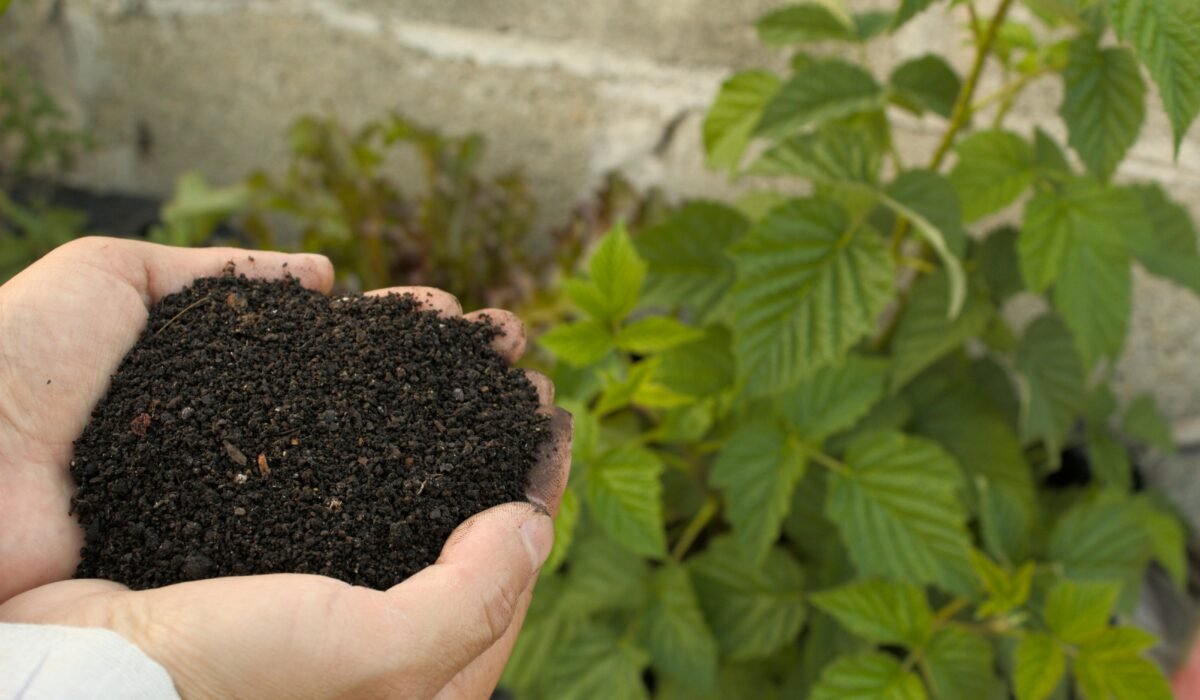
Are you dreaming of a garden overflowing with vibrant blooms, robust vegetables, and lush foliage, but worried about synthetic chemicals? Achieving a truly thriving garden begins with understanding the power of organic fertilizers for thriving gardens, which nourish your plants naturally and build enduring soil health. This comprehensive guide will equip you with the knowledge to transform your green space using natural plant food, ensuring a flourishing ecosystem from the ground up.
What are Natural Organic Fertilizers and How Do They Work?
Natural organic fertilizers are plant nutrients derived from naturally occurring sources, primarily plant and animal matter, rather than synthetic chemical processes. Think of them as nature’s slow-release pantry, providing essential elements to your garden without harsh additives.
Unlike fast-acting synthetic fertilizers, which deliver nutrients directly to plants in a soluble form, natural organic fertilizers rely on the incredible power of the soil microbiome. Beneficial microbes, fungi, and bacteria in the soil break down complex organic materials into simpler compounds that plants can readily absorb.
This biological process means nutrients are released gradually over time, providing a steady, sustained food source for your plants. It’s like a slow-drip IV for your garden, rather than a sudden jolt, which prevents nutrient runoff and over-fertilization.
Organic vs. Synthetic Fertilizers
The key distinction lies in their origin and how they interact with the soil. Organic fertilizers improve soil structure and feed the soil life, while synthetic fertilizers primarily feed the plant directly.
Chip Bubl, a retired horticulturist with the Oregon State University Extension Service, highlights that organic options “improve water movement and gradually build soil structure” while also supporting “beneficial soil microbes and improve workability.” This holistic approach is what sets them apart, fostering robust plant growth and long-term soil health benefits.
Why Use Organic Fertilizers for a Thriving Garden?
Choosing organic fertilizers is a commitment to not just feeding your plants, but also nurturing the entire garden ecosystem. The benefits extend far beyond immediate nutrient delivery, impacting everything from pest resistance to environmental sustainability.
Enhanced Soil Health and Structure
Organic fertilizers are true garden soil improvement agents. They contribute organic matter, which enhances soil structure, porosity, and water-holding capacity. This means less compaction, better drainage, and more air for roots to breathe.
Improved soil structure also creates a more hospitable environment for earthworms and other beneficial soil organisms, which further aerate the soil and break down organic material. This is a virtuous cycle that builds soil resilience over time.
Slow and Steady Nutrient Release
One of the greatest advantages of slow release organic options is their gentle, consistent feeding. Plants receive a steady supply of nutrients as the organic matter decomposes, preventing the “feast or famine” cycle often associated with synthetic fertilizers.
This measured release minimizes the risk of nutrient burn and reduces nutrient leaching into waterways, making them an environmentally friendlier choice. Dr. Vasyl Cherlinka, a scientist at EOS Data Analytics, notes that organic fertilizers “improve soil health, crop yields, and agricultural resilience.”
Environmental Benefits
Using organic fertilizers significantly reduces your garden’s environmental footprint. They are derived from renewable resources, decrease reliance on fossil fuels for production, and prevent harmful chemical runoff that can contaminate local water sources.
Furthermore, healthy soil, enriched by organic matter, acts as a carbon sink, helping to mitigate climate change. This makes them a critical component of sustainable gardening practices.
Different Types of Organic Fertilizers: Finding the Best Natural Plant Food
The world of organic fertilizers is diverse, offering a wide array of options to suit different plant needs and gardening styles. Understanding these types will help you select the best organic plant food for your specific garden.
Animal-Based Organic Fertilizers
- Manure: Well-rotted cow, chicken, or horse manure provides a balanced nutrient boost and improves soil structure. Always use composted manure to avoid burning plants or introducing pathogens.
- Bone Meal: A rich source of phosphorus, vital for root development, flowering, and fruiting. It’s excellent for bulbs and perennial plants.
- Blood Meal: High in nitrogen, promoting lush leafy growth. Use sparingly, as too much nitrogen can burn plants.
- Fish Emulsion/Hydrolysate: A fast-acting liquid organic fertilizer, offering a balanced nutrient profile. Brands like Neptune’s Harvest Fish and Seaweed Blend are popular for quick boosts.
- Worm Castings: Often called “black gold,” these are the nutrient-rich excretions of earthworms, packed with microbes and trace minerals.
Plant-Based Organic Fertilizers
- Compost: The ultimate soil amendment, compost provides a slow, steady release of nutrients, improves soil structure, and introduces beneficial microbes. It’s the foundation of any organic garden. For more on building rich soil, see our guide on Building Healthy Soil Organically.
- Alfalfa Meal: A good source of nitrogen and trace minerals, beneficial for roses and other flowering plants.
- Kelp Meal: Rich in micronutrients and growth hormones, kelp meal enhances plant vigor and stress resistance.
- Cottonseed Meal: Provides a slow-release source of nitrogen and phosphorus, often used for acid-loving plants.
Mineral-Based Organic Fertilizers
- Greensand: A natural source of potassium and trace minerals, improving soil texture and water retention.
- Rock Phosphate: A slow-release source of phosphorus, ideal for long-term soil building.
- Gypsum: Primarily used to improve soil structure in clay soils and supply calcium.
Many commercial products, like Dr. Earth Organic 5 Tomato, Vegetable & Herb Fertilizer or Espoma Organic Garden-Tone, combine several of these ingredients into convenient blends, often including beneficial microbes and mycorrhizae for comprehensive plant support. Miracle-Gro Performance Organics All Purpose Plant Nutrition Granules also offers convenience with organic ingredients, feeding plants for up to two months.
DIY Organic Fertilizer Recipes for Home Gardeners
Creating your own homemade organic plant food is a rewarding way to garden sustainably and cost-effectively. These DIY organic fertilizer recipes tap into common household items and garden waste, providing excellent nutrition for your plants.
Compost Tea Guide
Compost tea is a liquid concentrate brimming with beneficial microbes and soluble nutrients, offering a quick boost to plants and soil. It’s a fantastic way to extend the power of your compost.
- Ingredients: A bucket, non-chlorinated water, a mesh bag (like a paint strainer or old pillowcase), and mature compost.
- Method: Fill the mesh bag with 1-2 scoops of compost and submerge it in the bucket of water.
- Brewing: Let it steep for 1-3 days, stirring occasionally. The water should turn a light brown color.
- Application: Dilute the “tea” with water until it resembles weak iced tea. Apply as a soil drench or foliar spray.
Many gardeners swear by the benefits of compost tea for boosting plant vitality and disease resistance. The liquid organic fertilizer benefits are quickly visible.
Banana Peel Tea for Potassium
Banana peels are a fantastic source of potassium, crucial for flowering and fruiting. This is particularly useful for plants like tomatoes or roses.
- Method: Chop up 3-4 banana peels and soak them in a gallon of water for a few days.
- Application: Strain the liquid and use it to water your potassium-loving plants.
Egg Shell Calcium Boost
Crushed eggshells provide calcium, which helps prevent blossom end rot in tomatoes and peppers, and strengthens plant cell walls.
- Method: Rinse and dry eggshells, then crush them into a fine powder.
- Application: Mix the powder directly into the soil around calcium-demanding plants.
These simple recipes demonstrate how accessible and effective plant-based fertilizers can be for home gardeners.
How to Apply Organic Fertilizers for Optimal Plant Health
Proper application is key to maximizing the benefits of organic fertilizers and ensuring your plants thrive. What most people miss is that organic fertilizers aren’t just about dumping nutrients; it’s about fostering a healthy soil environment.
Understanding Nutrient Release and Timing
Because organic fertilizers rely on microbial activity, their nutrient release is temperature-dependent. They work best when soil temperatures are warm (above 50°F or 10°C), coinciding with active plant growth.
For most garden plants, apply granular organic fertilizers in early spring as new growth begins, and then side-dress every 4-6 weeks throughout the growing season. Liquid organic fertilizers like fish emulsion can be used more frequently for quick boosts, especially for container plants or seedlings.
Application Methods
- Broadcasting: Sprinkle granular organic fertilizers evenly over the soil surface, then gently rake or work it into the top few inches. Water thoroughly to help activate microbial activity.
- Side-Dressing: For established plants, apply fertilizer in a ring around the plant’s drip line (where the leaves extend), avoiding direct contact with the stem. This ensures nutrients reach the feeder roots.
- Foliar Feeding: Liquid organic fertilizers can be diluted and sprayed directly onto plant leaves for rapid nutrient absorption. This is especially useful for addressing immediate nutrient deficiencies.
- Incorporating into Potting Mix: When planting in containers or raised beds, mix granular organic fertilizers directly into your potting soil for a slow-release feeding throughout the season.
For example, if you’re looking for the best organic fertilizer for vegetables, a balanced granular blend like Espoma Organic Garden-Tone or Dr. Earth Organic 5 applied by side-dressing is highly effective. For starting seeds indoors, a very dilute liquid organic feed can give them a gentle start.
Addressing the Disadvantages of Organic Fertilizers
While the benefits of organic fertilizers are numerous, it’s important to be aware of their potential downsides and how to mitigate them. Understanding these aspects allows for a more informed and successful gardening approach.
Slower Action and Lower Nutrient Concentration
One common observation is that organic fertilizers often work more slowly than their synthetic counterparts. This is because they depend on microbial decomposition, which takes time. This can be a disadvantage when plants require an immediate nutrient boost, such as when correcting a severe deficiency.
Additionally, the nutrient concentrations (N-P-K ratios) in organic fertilizers are typically lower and less precise than synthetic options. This means you might need to apply larger quantities to achieve the same nutrient levels, which can sometimes be bulkier to handle. However, the slow release is precisely what prevents nutrient toxicity and promotes long-term health.
Cost and Availability
Commercially available organic fertilizers can sometimes be more expensive per pound than synthetic alternatives, especially for specialized blends. This is largely due to sourcing, processing, and certification costs.
However, this disadvantage can be offset by utilizing DIY methods, such as composting and making your own homemade organic plant food, which can significantly reduce expenses while improving your garden. The growing market, valued at USD 13.6 billion in 2029, also means increasing availability.
Potential for Odor and Pests
Some organic fertilizers, particularly those derived from animal sources like fish emulsion or fresh manure, can have a strong odor. While this usually dissipates quickly, it can be a temporary nuisance, especially in urban gardens or when used indoors.
Improperly composted organic materials might also attract pests. The solution is always to use well-composted materials and incorporate granular fertilizers into the soil rather than leaving them exposed on the surface. Studies show that “Properly used, both organic and inorganic fertilizers are safe for plants and the environment,” emphasizing the importance of correct application.
Long-Term Soil Health: The Role of Organic Fertilizers and the Microbiome
The true magic of organic fertilizers unfolds over years, not weeks. Consistent use leads to a profound transformation of your garden’s most vital resource: its soil. This long-term approach builds a resilient, self-sustaining ecosystem.
Nurturing the Soil Microbiome Health
At the heart of soil health is the intricate soil microbiome health – billions of bacteria, fungi, protozoa, and other microorganisms. Organic fertilizers don’t just feed plants; they feed this unseen workforce.
These microbes break down organic matter, cycle nutrients, suppress disease, and even help plants access water. By providing a steady diet of organic material, you foster a diverse and robust microbial community, which in turn makes nutrients more available to your plants and improves their overall vigor. This is why organic soil health benefits are so significant.
Building Soil Resilience
Over time, the continuous addition of organic matter through fertilizers and amendments like compost transforms depleted soil into rich, living earth. This improved soil structure allows for better aeration and drainage, while also increasing its water-holding capacity, making your garden more resilient to drought and heavy rains.
A healthy soil microbiome also helps plants resist pests and diseases naturally. Stronger, healthier plants are simply better equipped to fend off threats, reducing the need for chemical interventions. This holistic approach is what defines a truly thriving garden.
A Sustainable Future for Your Garden
The global organic fertilizer market is projected to reach USD 26.13 billion by 2036, indicating a growing recognition of their importance for sustainable agriculture. By choosing organic, you’re investing in the future productivity and health of your garden, creating a vibrant ecosystem that supports both plants and the planet.
Farmers like Herith Bander in Sri Lanka and Ms. Thangam in India have demonstrated how organic practices can lead to stable yields, reduced costs, and toxin-free produce, proving that this approach is not just environmentally sound but economically viable. Agronomists recommend a minimum of 2 to 5 tonnes per hectare of organic amendment to restore degraded soils, underscoring the power of these natural solutions.
Frequently Asked Questions
What are natural organic fertilizers?
Natural organic fertilizers are plant nutrients derived from natural sources such as plant and animal matter, including compost, manure, bone meal, and kelp meal. They work by improving soil structure and feeding beneficial soil microbes, which then slowly release nutrients for plants to absorb over time, fostering long-term soil health.
What are the 3 best organic fertilizers?
While “best” can be subjective and depend on plant needs, three highly effective and versatile organic fertilizers are well-rotted compost, worm castings, and a balanced granular blend like Espoma Organic Garden-Tone. Compost provides comprehensive soil improvement, worm castings offer nutrient-rich microbial activity, and commercial blends provide convenient, balanced feeding.
What is the best natural plant food?
The best natural plant food is arguably high-quality compost, as it provides a broad spectrum of macro and micronutrients, improves soil structure, and introduces beneficial microorganisms. For specific nutrient boosts, bone meal offers phosphorus for roots and blooms, while fish emulsion provides a quick nitrogen boost for leafy growth.
What are the disadvantages of organic fertilizers?
Organic fertilizers typically act slower than synthetic options, requiring patience as nutrients are released through microbial activity. They can also have lower nutrient concentrations, necessitating larger application amounts, and some may have a temporary odor. However, these drawbacks are often outweighed by their long-term benefits for soil health and environmental sustainability.
Embracing organic fertilizers is more than just a gardening choice; it’s a philosophy that nurtures the entire ecosystem of your garden. By understanding how these natural plant foods work and applying them thoughtfully, you can cultivate a garden that not only thrives but also contributes to a healthier planet. Start your journey today by incorporating compost and other organic soil amendments, and watch your garden flourish with enduring vitality.







