Ensuring your vertical garden thrives begins with mastering its hydration needs, and finding the right Vertical Garden Watering Solutions is paramount. Many gardeners struggle with uneven watering, leading to stressed plants or wasted resources. This comprehensive guide will equip you with the knowledge to implement smart, sustainable, and tailored watering strategies, guaranteeing your vertical plants stay perfectly hydrated.
What are the Best Vertical Garden Watering Solutions?
Choosing the ideal watering method for your vertical garden depends on its size, type, and your personal commitment. From simple manual approaches to sophisticated automated systems, several effective solutions cater to different needs.
Manual Watering: The Hands-On Approach
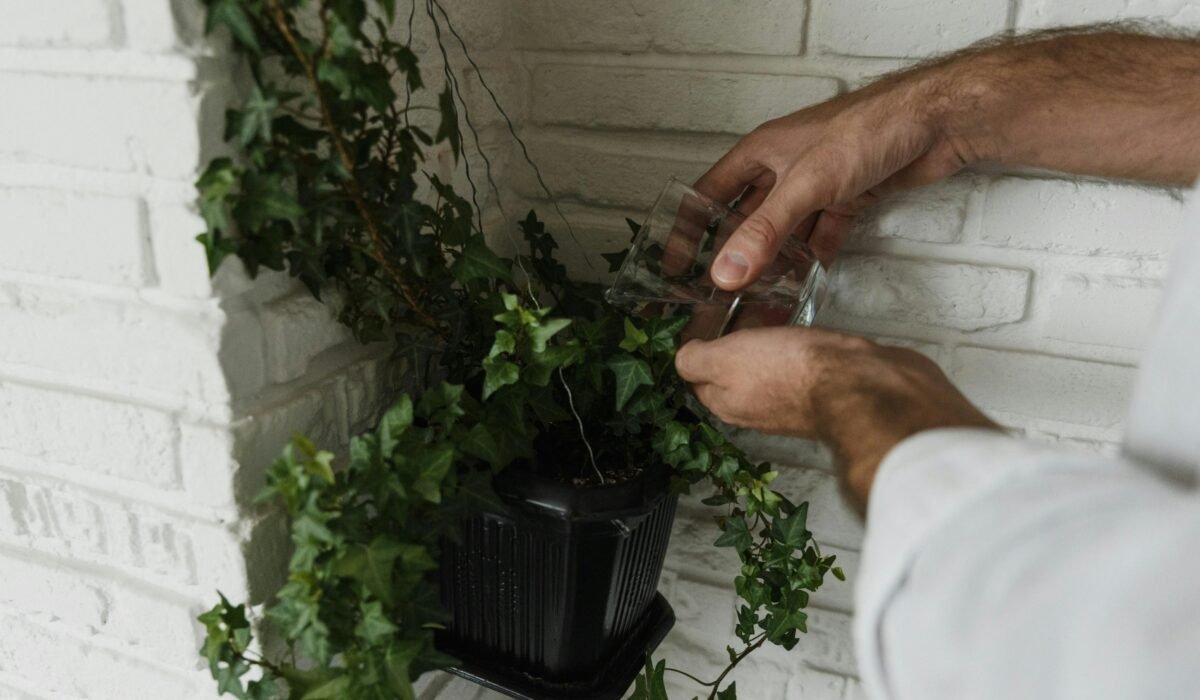
For small vertical gardens, especially those indoors or with only a few pockets, manual watering can be practical. This involves using a watering can or a hose with a gentle spray to directly hydrate each plant. The benefit here is direct observation of your plant’s immediate needs, but it demands consistent attention.
Drip Irrigation Systems: Precision and Efficiency
Drip irrigation is widely considered the most efficient method for vertical gardens, especially for larger installations or living walls. This system delivers water slowly and directly to the plant roots, minimizing evaporation and runoff. According to Rain Bird, a prominent irrigation product manufacturer, “drip irrigation ensures water reaches the plant roots directly, reducing waste and evaporation,” potentially reducing water usage by up to 80% compared to traditional watering methods.
- Emitters: Small devices that release water at a controlled rate, placed near individual plants.
- Tubing: Connects emitters to a main water source, often a garden hose or reservoir.
- Pressure Regulators: Essential for maintaining consistent water flow across the entire system, preventing some plants from getting too much water while others receive too little.
Hydroponic Systems: Soilless and Water-Wise
For those looking for advanced vertical garden watering solutions, hydroponic systems offer a soilless cultivation method where plant roots are directly exposed to nutrient-rich water. These systems are incredibly water-efficient, with some vertical farms using up to 95% less water than traditional agriculture, as highlighted by the World Economic Forum. You can learn more about optimizing nutrient delivery in these setups with our guide on Advanced Hydroponic Nutrient Delivery.
Recirculating Systems
Recirculating systems, like Nutrient Film Technique (NFT) or Deep Water Culture (DWC), capture and reuse excess nutrient solution. This closed-loop approach drastically reduces water waste. SingularGreen recommends recirculating systems for larger vertical gardens (over 80 m²) due to their sustainability and long-term economy.
Non-Recirculating Systems
Also known as “drain-to-waste,” these systems deliver nutrient solution once, with any runoff discarded. While simpler to set up, they use more water and nutrients than recirculating types, making them less sustainable for large-scale operations.
How Do Automatic Watering Systems for Vertical Gardens Work?
An automatic watering system vertical garden setup brings unparalleled convenience and consistency to plant care. These systems eliminate the need for daily manual watering, ensuring your plants receive the precise amount of hydration they need, even when you’re away.
At their core, automated watering systems rely on a combination of water delivery mechanisms and control units. The most common setup involves a drip irrigation system connected to a timer. For instance, brands like Hozelock offer automatic drip irrigation kits that include programmable timers and pressure regulators, making setup straightforward for various vertical garden sizes.
Here’s a typical breakdown of how these systems function:
- Water Source: This could be a garden hose, a rain barrel, or a dedicated reservoir for hydroponic setups.
- Pump (Optional): For larger systems or if you need to move water uphill, a pump ensures adequate pressure.
- Filter: Prevents clogs in the emitters by removing sediment from the water.
- Main Line Tubing: Carries water from the source to the vertical garden structure.
- Dripper Lines/Emitters: Smaller tubes or individual emitters branch off the main line, delivering water directly to each plant’s root zone. Watex Urban Farming Vertical garden kits, for example, often come with 1/4″ pipes pre-installed behind panels for accurate delivery.
- Timer/Controller: The brain of the system, this device is programmed to turn the water flow on and off at specific times and durations. Basic timers are mechanical, while advanced ones are digital and can offer multiple watering cycles per day.
The beauty of automated watering is its consistency, which is crucial for maintaining optimal plant health. This approach minimizes human error and ensures a stable moisture level, which is vital for vigorous growth.
Smart Watering: Integrating Sensors & IoT for Vertical Gardens
Moving beyond simple timers, smart vertical garden irrigation leverages technology to create a truly responsive and efficient watering environment. This advanced approach integrates moisture sensors and Internet of Things (IoT) devices to optimize water delivery based on real-time plant and environmental conditions.
The Role of Moisture Sensors
Moisture sensors are small probes inserted into the growing medium that measure its water content. When the soil moisture drops below a predetermined threshold, the sensor sends a signal to a smart irrigation controller. This means plants are watered only when they actually need it, preventing both under-watering and over-watering, which can lead to issues like root rot.
This precision not only promotes superior plant health but also contributes significantly to water conservation. It’s a key factor in why the adoption of smart gardening technologies is projected to increase market size by approximately 15% in the coming years.
IoT Integration and Smart Controllers
IoT-enabled smart controllers take data from moisture sensors, weather forecasts, and even plant-specific needs to create highly optimized watering schedules. These controllers can be accessed and adjusted remotely via smartphone apps, giving you complete control from anywhere.
Consider the GreenStalk Vertical Planters, which offer a Bluetooth Timer accessory for consistent watering. More advanced systems might integrate with home automation platforms, allowing for complex routines. For example, a system could pause watering if rain is detected or increase frequency during a heatwave, ensuring maximum efficiency and minimal waste.
“A bespoke, sustainable watering system for a vertical garden is the ideal way to enhance and maintain optimum plant health and save water whilst aligning with modern eco-friendly practices.” – Vertical Gardens Australia
This level of automation not only saves water and labor but also provides peace of mind, knowing your vertical garden is always receiving optimal care. It’s truly the next frontier in vertical garden watering solutions.
How Often Should You Water a Vertical Garden?
Determining the correct vertical garden watering schedule is critical for plant success, but there’s no one-size-fits-all answer. Several factors influence how frequently your vertical garden needs water, including plant type, growing medium, climate, and the specific vertical system you’re using.
In practice, most vertical gardens, especially those using soil or coco coir, benefit from frequent, shallow watering. The confined nature of vertical garden pockets means they dry out faster than traditional garden beds. The short answer is usually daily, or even twice daily during hot, dry periods.
Factors Influencing Watering Frequency:
- Plant Type: Succulents and cacti require less frequent watering than leafy greens or fruiting plants. Always research the specific needs of your chosen plants.
- Growing Medium: Soil-based systems dry out differently than hydroponic setups. Felt pockets or coco coir can retain moisture well but also drain quickly.
- Climate: Hot, windy, or very sunny conditions will increase evaporation and transpiration, necessitating more frequent watering. Indoor gardens in controlled environments might need less.
- Vertical System Design: Some systems, like GreenStalk Vertical Planters with their internal watering disks, are designed for even distribution, while others might have top tiers drying faster than bottom ones.
- Plant Maturity: Young seedlings generally need less water than mature, fruit-bearing plants.
The best method is to check the moisture level of your growing medium daily. Stick your finger about an inch into the soil; if it feels dry, it’s time to water. For automated systems, start with a conservative schedule and adjust based on plant response and moisture sensor data.
Troubleshooting Common Vertical Garden Watering Issues
Even with the best vertical garden watering solutions, problems can arise. Addressing common issues quickly is crucial for maintaining plant health and system efficiency.
Uneven Watering: The Top-to-Bottom Challenge
One of the most frequent complaints in vertical gardens is that plants at the top dry out faster than those at the bottom. This happens because gravity pulls water downwards, leaving the upper sections with less moisture or causing faster drainage. To fix this, consider:
- Adjusting Emitter Flow: Use emitters with higher flow rates for top-tier plants, or add extra emitters to those drier pockets.
- Staggered Watering: Program your automatic watering system to water the top section slightly longer or more frequently.
- Mulching: A thin layer of mulch (like coco coir or wood chips) on top of the growing medium can help retain moisture, especially in the upper tiers.
Clogged Emitters and Leaks
Clogs are common in drip irrigation systems, often caused by sediment in the water or algae growth. Leaks can lead to significant water waste and inconsistent hydration.
Troubleshooting Steps:
- Check Filters: Regularly clean or replace the filter at your water source.
- Flush Lines: Periodically remove end caps from your drip lines and flush the system to clear out debris.
- Inspect Emitters: If a specific plant is wilting, check its emitter for blockages. You might need to clean or replace individual emitters.
- Look for Puddles: Puddles or unusually wet spots indicate a leak. Inspect tubing for cracks or loose connections and repair as needed.
Algae Growth in Recirculating Hydroponic Systems
Algae thrive in nutrient-rich, moist, and light-exposed environments. While generally not harmful to plants, excessive algae can compete for nutrients, clog pumps, and reduce oxygen levels in the water.
Prevention and Treatment:
- Block Light: Ensure your reservoir and any transparent tubing are completely opaque to prevent light penetration.
- Maintain Cleanliness: Regularly clean your system components.
- Hydrogen Peroxide: In mild cases, a small amount of food-grade hydrogen peroxide can help control algae without harming plants (use with caution and research appropriate concentrations). Our guide on Hydroponic Pest & Disease Control offers more insights into maintaining a pristine system.
Pressure Inconsistencies
If some parts of your system receive too much or too little water, it could be a pressure issue. This is especially true in larger or more complex setups.
Solutions:
- Install a Pressure Regulator: This device maintains a steady water pressure throughout your system, ensuring even distribution. Many drip irrigation kits, like those from DIG Corp, include these.
- Check for Kinks: Ensure all tubing is free of kinks or sharp bends that could restrict water flow.
- System Design: For very large systems, consider splitting it into multiple zones, each with its own pressure regulation.
Tailoring Vertical Garden Watering for Different Plants & Systems
Effective vertical garden watering isn’t just about the technology; it’s about understanding the unique needs of your plants and the specific design of your vertical structure. What works for a succulent wall won’t work for a leafy green tower.
Watering Strategies for Diverse Plant Groups
Different plants have vastly different hydration requirements. Tailoring your approach ensures optimal growth and avoids common pitfalls.
- Leafy Greens & Herbs: Plants like lettuce, spinach, and basil are heavy drinkers and prefer consistently moist (but not waterlogged) soil. They often benefit from daily watering, especially in warm conditions.
- Fruiting Plants: Tomatoes, strawberries, and peppers need consistent moisture, particularly during flowering and fruit development. Inconsistent watering can lead to issues like blossom end rot.
- Succulents & Cacti: These plants store water in their leaves and stems and are highly drought-tolerant. They require infrequent watering, allowing the growing medium to dry out completely between waterings. Overwatering is a common killer for succulents.
- Flowers: Most flowering plants appreciate consistent moisture but check specific species. Some, like petunias, thrive with regular hydration, while others may prefer drier conditions.
The key here is observation. Learn to read your plants – wilting leaves can signal thirst, while yellowing leaves can indicate overwatering or nutrient deficiencies.
Watering for Specific Vertical Garden Structures
The physical design of your vertical garden significantly impacts water flow and retention.
- Pocket Planters & Felt Walls: These systems often dry out quickly, especially the upper pockets. Drip irrigation with multiple emitters per pocket or a recirculating hydroponic felt wall system is highly recommended. The material itself can influence drainage; felt can wick water effectively but also evaporate quickly.
- Hydroponic Towers: Systems like NFT or aeroponic towers are inherently designed for water efficiency, often using recirculating systems. The main consideration is consistent nutrient solution delivery and monitoring pH/EC levels, which you can learn about in our guide on Vertical Hydroponic Systems for Small Spaces.
- Modular Panel Systems: Many modular systems, like the Green Wall Vertical Garden Kit by Watex, come with integrated drip lines. Ensure these lines are clear and delivering water evenly to each module. GreenStalk Vertical Planters, with their unique top-down watering, require filling the top reservoir and letting gravity do the rest, with specific disks ensuring even distribution to each tier.
In essence, a tailored approach means combining the right watering technology with a deep understanding of your plants’ physiology and your system’s mechanics. This holistic view is what truly elevates your vertical gardening success.
Sustainable Vertical Garden Watering: Conserving Water & Resources
Beyond simply keeping plants alive, a critical aspect of modern vertical gardening is embracing sustainable practices, particularly regarding water conservation. The environmental and economic benefits are substantial, making vertical garden water conservation a priority for any conscientious gardener.
The statistics are compelling: vertical farming, which includes many vertical garden setups, can use up to 98% less water compared to traditional agriculture. This remarkable efficiency is largely due to advanced watering methods and water recycling.
Strategies for Maximizing Water Efficiency:
- Embrace Drip Irrigation: As discussed, drip irrigation delivers water directly to the root zone, significantly reducing waste from evaporation and runoff. Rain Bird highlights its ability to reduce water usage by up to 80%.
- Implement Recirculating Systems: For hydroponic or aquaponic vertical gardens, recirculating systems are game-changers. By capturing and reusing nutrient-rich water, these systems drastically cut down on water consumption. Over 75% of vertical farms utilize water recycling systems, demonstrating their proven effectiveness.
- Collect Rainwater: A simple rain barrel can provide a free, natural water source for your vertical garden. This reduces reliance on municipal water and lowers your water bill.
- Use Moisture Sensors and Smart Irrigation: These technologies ensure water is applied only when needed, preventing overwatering and unnecessary waste. By responding to real-time conditions, they optimize resource use.
- Mulch Your Growing Medium: Even in vertical gardens, a light layer of mulch (like coco coir, wood chips, or even small pebbles) can help retain moisture in the growing medium, reducing evaporation and the frequency of watering.
- Choose Water-Wise Plants: If water conservation is a primary concern, select plants that naturally have lower water requirements, such as many herbs or drought-tolerant edibles.
Vertical Gardens Australia emphasizes that a bespoke, sustainable watering system is ideal for enhancing plant health and saving water. By integrating these practices, you not only support your plants but also contribute to a more eco-friendly approach to gardening. This mindful management of resources is a hallmark of truly expert vertical garden care.
Frequently Asked Questions
What is the best way to water a vertical garden?
The best way to water a vertical garden for most setups is a drip irrigation system, especially when paired with an automatic timer or smart controller. This method delivers water directly and efficiently to plant roots, minimizing waste and ensuring consistent hydration, which is crucial for plant health.
How often should you water a vertical garden?
Most vertical gardens, especially those in soil or coco coir, typically need watering daily, and sometimes twice daily during hot or windy conditions. However, this depends on plant type, climate, and the growing medium, so always check the moisture level an inch deep before watering.
How do you keep plants hydrated in a vertical garden?
To keep plants hydrated in a vertical garden, implement a consistent and efficient watering strategy, such as drip irrigation or an automatic watering system. Utilizing moisture sensors to water only when needed, mulching the growing medium, and choosing appropriate plants for your climate are also effective methods.
Do vertical gardens need a lot of water?
No, vertical gardens generally use significantly less water than traditional gardens, especially when equipped with efficient systems like drip irrigation or recirculating hydroponics. Vertical farming can use up to 98% less water, making them highly water-efficient solutions for modern gardening.
Mastering your vertical garden’s hydration needs is a journey of understanding your plants, your system, and the environment. By implementing smart and sustainable vertical garden watering solutions, from precise drip irrigation to advanced automated systems, you’re investing in the longevity and vibrancy of your green space. Take these insights and apply them to create a thriving, water-efficient vertical oasis that brings beauty and bounty to your home.