
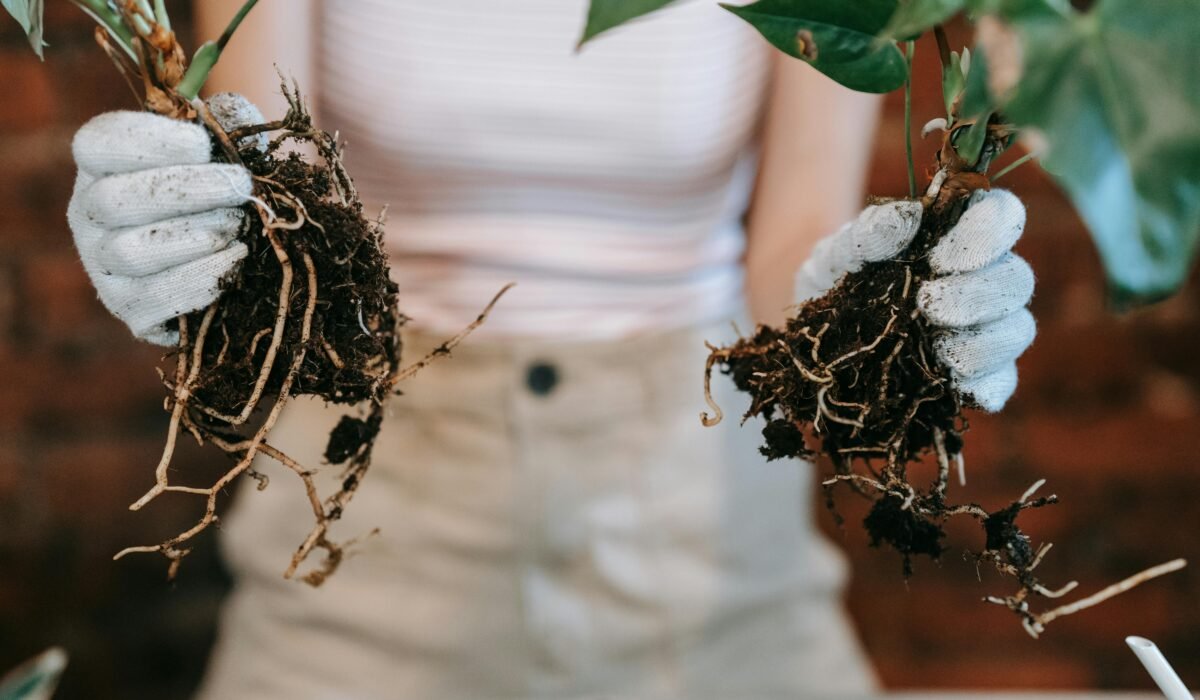
Few things strike fear into a gardener’s heart quite like the prospect of root rot, but learning to diagnose treat root rot is a critical skill for plant health. This comprehensive guide will equip you with the knowledge to identify, effectively treat, and prevent this common plant problem, ensuring your green companions thrive.
What is Root Rot and Why Do Plants Get It?
Root rot is a devastating plant problem characterized by the decay of a plant’s root system, often leading to its demise if not addressed swiftly. It is primarily a fungal infection, though certain bacteria can also contribute to the issue. This condition is triggered when roots are deprived of oxygen, most commonly due to consistently wet soil.
The main culprits behind root rot are various plant pathogens, with common genera including Fusarium, Phytophthora, Pythium, and Rhizoctonia. These fungi thrive in anaerobic (oxygen-deprived) environments created by poor drainage or overwatering. Phytophthora, in particular, is notorious for its aggression, capable of killing even established trees and shrubs.
What most people miss is that root rot isn’t always about “too much water” alone. As Christian Douglas, founder of Christian Douglas Design, explains, it’s often “the result of poor drainage, low soil oxygen, and systems that don’t account for how water behaves underground.” This means both biotic factors (pathogens) and abiotic factors (environmental problems like flooding) play a role in its development, making soil aeration crucial for prevention.
How to Diagnose Root Rot: Key Signs & Symptoms
Identifying root rot early is crucial for plant recovery. The signs often appear above ground first, mimicking other plant problems like nutrient deficiencies or underwatering, which can be confusing. However, a closer inspection reveals the true issue.
Above-Ground Symptoms: The Early Warning Signs
- Wilting and Drooping Leaves: Even if the soil feels moist, leaves may wilt, turn yellow, or brown, starting from the tips or edges. This happens because damaged roots can’t absorb water effectively.
- Stunted Growth: Affected plants will often stop growing or show significantly reduced vigor. New growth may be sparse or discolored.
- Leaf Discoloration: Leaves may develop a pale green, yellow, or even brown hue, often with a mushy texture. They might also drop prematurely.
- Foul Odor: A distinct, unpleasant smell emanating from the soil can indicate decaying organic matter and roots. This is a strong indicator of advanced root rot.
Below-Ground Symptoms: The Definitive Diagnosis
The most reliable way to diagnose root rot is by inspecting the roots themselves. Carefully remove the plant from its pot or gently dig around the base if it’s in the ground. Brush away excess soil to get a clear view.
- Root Appearance: Healthy roots are typically firm, white, or tan, and have a fresh, earthy smell. Roots affected by root rot will be dark brown or black, mushy, slimy, and often emit a strong, foul odor.
- Texture: Gently squeeze a suspicious root. If it’s healthy, it will be firm. If it’s rotted, it will feel soft and squishy, and the outer layer may slough off, revealing a thin, stringy core.
Understanding the difference between root rot vs overwatering is key here. While overwatering causes root rot, the symptoms can appear similar to underwatering (wilting). The critical distinction lies in checking the soil moisture and the roots themselves; overwatered soil will be perpetually soggy, and the roots will show the characteristic decay.
Can a Plant Recover from Root Rot?
The short answer is: yes, many plants can recover from root rot if caught early enough. Expert consensus suggests that if a third or less of a plant’s root system is affected and action is taken quickly, there’s a good chance of rescue. This is especially true for more resilient plant types.
However, if more than half of the root system is brown, mushy, and devoid of firm, healthy roots, plant recovery becomes significantly less likely, particularly for smaller or delicate plants. In these severe cases, it might be more pragmatic to propagate any healthy stems or leaves if possible, rather than attempting to save the entire plant. Your success hinges on prompt intervention and thorough treatment.
How to Treat Root Rot: A Step-by-Step Gardener’s Guide
Once you’ve diagnosed root rot, swift and decisive action is necessary to save your plant. The process typically involves removing the plant, trimming damaged roots, and repotting it into fresh, well-draining potting mix.
Step-by-Step Treatment Process
- Carefully Remove the Plant: Gently ease the plant out of its pot. If it’s in the ground, carefully dig around the root ball, trying to keep as much soil intact as possible initially.
- Inspect and Rinse Roots: Gently remove as much of the old, contaminated soil from the roots as you can. Rinse the root ball under lukewarm running water to wash away remaining soil and get a clear view of the damage.
- Trim Away Rotted Roots: Using sterilized shears or pruners, cut away all soft, mushy, black, or brown roots. Make clean cuts into healthy, firm root tissue. Sterilizing your tools between cuts with rubbing alcohol prevents spreading the fungal infection.
- Treat with Hydrogen Peroxide (Optional but Recommended): For an added boost, you can spray or soak the remaining healthy roots in a diluted hydrogen peroxide solution. Mix 3% hydrogen peroxide with water at a 2:1 ratio (2 parts water to 1 part peroxide) for a spray, or 1:1 for a quick soak. This helps kill fungal spores and bacteria, and temporarily increases oxygen around the roots.
- Repot with Fresh Potting Mix: Choose a clean pot (disinfect old pots with a 1:9 bleach solution or hot, soapy water). Use a fresh, well-draining potting mix specifically designed for your plant type. For plants prone to root rot, consider a mix with added perlite, pumice, or sand for improved drainage and soil aeration.
- Water Sparingly: After repotting, water lightly. Do not drench the soil. Allow the top inch or two of soil to dry out completely before watering again. This encourages the plant to establish new, healthy roots.
- Provide Aftercare: Place the recovering plant in a location with good air circulation and appropriate light. Avoid direct, harsh sunlight initially. Refrain from fertilizing until you see signs of new, healthy growth.
How to Save a Plant with Root Rot Without Repotting
While repotting is generally the most effective method to diagnose treat root rot, it’s not always feasible, especially for large outdoor plants or if you want to avoid stressing a delicate houseplant further. For potted plants, you can try to improve drainage by carefully tilting the pot to drain excess water, or by gently aerating the soil with a chopstick or skewer. For outdoor plants, improving surrounding soil drainage by digging shallow trenches or amending the top layer can help.
You can also apply diluted hydrogen peroxide to the soil surface to help oxygenate the root zone and kill pathogens without disturbing the roots too much. However, understand that without physically removing the decayed roots, recovery is often slower and less certain. This approach is best for very early stages of root rot or as a supplementary measure.
Effective Root Rot Treatments: Fungicides & Natural Cures
Beyond the physical removal of diseased roots, several agents can help combat the fungal infection and promote plant recovery. The choice between synthetic fungicides and natural alternatives often depends on the severity of the infection and your gardening philosophy.
Fungicides for Root Rot
General fungicides are recommended for treating root rot, especially when the infection is widespread or persistent. These come in various forms:
- Systemic Fungicides: Absorbed by the plant and transported through its tissues, offering internal protection. They are effective against established infections.
- Contact Fungicides: Work on the surface of the roots and soil, preventing new infections and killing existing surface fungi.
For persistent or severe cases, especially in garden beds, consulting local University extension offices is recommended to identify the specific fungi causing root rot. They can provide tailored advice on the most suitable and effective fungicide for your situation. When choosing a root rot fungicide for houseplants, always look for products specifically labeled for indoor use and follow dilution instructions precisely to avoid harming your plant.
Natural Antifungal Alternatives
For gardeners preferring organic solutions or for mild cases, several natural remedies can be effective:
- Cinnamon: This common spice acts as a natural antifungal. After trimming away rotted roots, you can dust the cut surfaces with cinnamon powder to disinfect and protect them from further infection.
- Neem Oil: A natural pesticide and fungicide, neem oil can be diluted and applied as a soil drench to help control fungal pathogens. It also acts as a systemic treatment when absorbed by the roots.
- Hydrogen Peroxide: As mentioned, diluted 3% hydrogen peroxide (often 1:1 or 2:1 water to peroxide) can be used to spray or soak roots. It releases oxygen, which is toxic to anaerobic fungi and beneficial for oxygen-starved roots.
While natural cures can be effective, they often require more consistent application and may not be strong enough for aggressive fungal infections like those caused by *Phytophthora*.
Preventing Root Rot: Advanced Strategies for Healthy Soil
Prevention is always better than cure when it comes to root rot. Focusing on optimal soil health and proper watering practices will drastically reduce your plant’s susceptibility.
Optimizing Soil Drainage and Aeration
The foundation of root rot prevention lies in providing a well-draining environment. This means ensuring water can flow through the soil without becoming waterlogged, allowing roots access to vital oxygen.
- Choose the Right Potting Mix: For potted plants, use a high-quality, well-draining potting mix. Succulent or cacti soil mixes are excellent for their light, sandy nature and superior drainage. For other plants, ensure your potting mix contains ingredients like perlite, pumice, or coarse sand to improve drainage and soil aeration.
- Enhance Garden Soil: For in-ground planting and raised beds, amend heavy clay soils with plenty of organic matter such as compost, aged bark, or well-rotted manure. This improves soil structure, creating air pockets and enhancing drainage. Biochar can also be an excellent long-term amendment for improving soil structure and microbial health.
- Consider Raised Beds: For areas with naturally poor drainage, raised beds offer a fantastic solution. Ensure your raised bed soil is a high-quality blend designed for good drainage. To further prevent root rot in raised beds, consider adding a layer of coarse gravel or expanded clay aggregate at the bottom before filling with soil, although this is often debated for its effectiveness in true drainage improvement.
- Proper Potting Techniques: Always use pots with drainage holes. Avoid placing gravel at the bottom of pots, as this can create a perched water table, ironically making root rot more likely by keeping the soil above it soggy.
Building healthy soil organically is an ongoing process that yields resilient plants. Regular soil testing can also help you understand your soil’s composition and guide your amendment choices.
Smart Watering Practices
Overwatering is the single biggest contributor to root rot. Adopting smart watering habits is paramount.
- Water Thoroughly, Then Let Dry: Christian Douglas advises to “water thoroughly and then let soil dry slightly between sessions, which encourages deeper, more resilient root systems.” This practice helps roots search for water, making them stronger.
- Check Soil Moisture: Before watering, always check the soil moisture level. Stick your finger 2-3 inches deep into the soil. Water only when it feels dry to the touch. Moisture meters can also be helpful.
- Understand Plant Needs: Different plants have different water requirements. Research your specific plant’s needs and adjust your watering schedule accordingly. Learn how to water indoor plants effectively to avoid common pitfalls.
- Consider Environmental Factors: Humidity, temperature, and light levels all affect how quickly soil dries out. Adjust your watering frequency based on seasonal changes and indoor conditions.
Root Rot in Different Plants: Outdoor, Houseplants & More
While the core principles of root rot diagnosis and treatment remain consistent, specific considerations apply to different plant types and growing environments.
Houseplants (e.g., Snake Plants, Fiddle Leaf Figs)
Houseplants are particularly susceptible to root rot due to limited drainage in pots and often stagnant indoor air. Overwatering is the most common cause. Many articles focus on specific houseplants like snake plants because they are popular and often fall victim to this problem. Pay close attention to the pot’s drainage holes and the potting mix. For plants like orchids, which are epiphytes, very coarse, airy media like bark chips are essential to prevent root rot.
Outdoor Plants & Garden Beds (e.g., Vegetables, Shrubs, Trees)
Signs of root rot in outdoor plants can be harder to spot, as wilting might be attributed to heat or drought. However, persistent yellowing, stunted growth, or sudden decline in a specific area of the garden can indicate an issue. For trees and shrubs, look for thinning canopies, premature leaf drop, or cankers near the soil line. Improving overall garden bed drainage with organic matter and ensuring proper grading away from plant bases are critical preventative measures. Remember, *Phytophthora* can be especially aggressive in outdoor settings, killing established plants.
Succulents & Cacti
These plants are highly adapted to arid conditions and are extremely sensitive to overwatering. Root rot is their most common killer. They require extremely well-draining soil (a gritty mix with lots of perlite, pumice, or coarse sand) and infrequent watering. When treating root rot in succulents, be very aggressive in trimming away all affected tissue; they are often resilient enough to regrow from healthy sections.
Frequently Asked Questions
How do you treat root rot?
To treat root rot, you must first carefully remove the plant from its pot or soil and gently rinse the roots. Then, use sterilized shears to trim away all dark, mushy, or slimy roots, cutting back to healthy, firm tissue. Finally, repot the plant in fresh, well-draining potting mix in a clean pot and adjust your watering habits to allow the soil to dry out between waterings.
Can a plant recover from root rot?
Yes, a plant can often recover from root rot, especially if the problem is diagnosed and treated early. If less than a third of the root system is affected and you act quickly to remove diseased roots and provide optimal growing conditions, most plants have a good chance of survival. However, severe infections affecting more than half of the roots make recovery much less likely.
What is the best treatment for root rot?
The best treatment for root rot involves a combination of physical removal of diseased roots and environmental correction. This includes carefully trimming all affected root tissue, repotting into fresh, well-draining soil, and ensuring proper watering practices to prevent waterlogging. Supplemental treatments like diluted hydrogen peroxide or natural antifungals like cinnamon can also aid in recovery.
What kills root rot?
Root rot is primarily killed by eliminating the anaerobic conditions and fungal pathogens that cause it. Physically removing decayed roots, ensuring excellent soil aeration, and allowing soil to dry between waterings are crucial. Fungicides, both synthetic and natural (like hydrogen peroxide or cinnamon), can directly kill fungal spores and bacteria responsible for the infection.
Mastering the ability to diagnose treat root rot is a cornerstone of successful gardening, transforming a potential tragedy into a manageable challenge. By understanding the causes, recognizing the symptoms, and applying these expert strategies, you can prevent future plant problems and ensure your garden thrives. Keep a watchful eye, maintain healthy soil, and your plants will reward you with vibrant growth.







