Do you ever wonder if your small urban space can truly make a difference for nature? Creating a balcony pollinator garden is not just a rewarding hobby; it’s a vital contribution to urban ecosystems, helping to sustain the very creatures that support our planet’s biodiversity.
Why Your Balcony Pollinator Garden Matters for Urban Ecosystems
The health of our global ecosystems is inextricably linked to pollinators, yet these essential creatures are facing unprecedented threats. Over 40% of invertebrate pollinator species are confronting extinction globally, with a staggering 34.7% of native North American bees at elevated risk, according to recent assessments.
Here’s the thing: your small space can be a powerful antidote to this decline. Urban gardens, including balconies, account for 90% of the nectar found in cities, making them critical refueling stations for bees and butterflies. Converting even a tiny area into a pollinator-friendly habitat can boost local bee populations by 30%.
As the U.S. Fish & Wildlife Service aptly puts it, “No matter how small your space, you can provide resources for pollinators by planting a pollinator garden.” Imagine the collective impact if every household created a small space pollinator garden; it would add over 120 million additional plants for habitat across the United States alone.
What most people miss is how urban landscapes, despite their concrete, are actually “hotspots of nectar diversity.” Research by Katherine Baldock from the University of Bristol reveals that cities often host a wider variety of flowering plants than surrounding farmlands, providing a balanced diet for pollinators. This makes your urban bee garden balcony an incredibly valuable asset.
How to Attract Bees and Butterflies to Your Small Balcony Garden
Transforming your balcony into a vibrant hub for bees and butterflies is simpler than you might think, even with limited space. The key is to mimic natural environments by providing essential resources: food, water, and shelter. Attracting butterflies to apartment balcony spaces requires a thoughtful approach to plant selection and design.
First, observe your balcony’s sun exposure throughout the day. Most pollinator-friendly plants thrive in at least six hours of direct sunlight. Consider the wind patterns too; sheltered spots will be more inviting for delicate insects. Choose pollinator friendly pots that offer good drainage and sufficient space for root growth, as healthy roots lead to abundant blooms.
Diversity is crucial when planning your balcony pollinator garden. Aim for a continuous bloom cycle from spring through fall, ensuring there’s always a food source available. Think about varying flower shapes, sizes, and colors to appeal to a wide range of pollinators, from long-tongued butterflies to short-tongued native bees.
What Are the Best Plants for a Balcony Pollinator Garden?
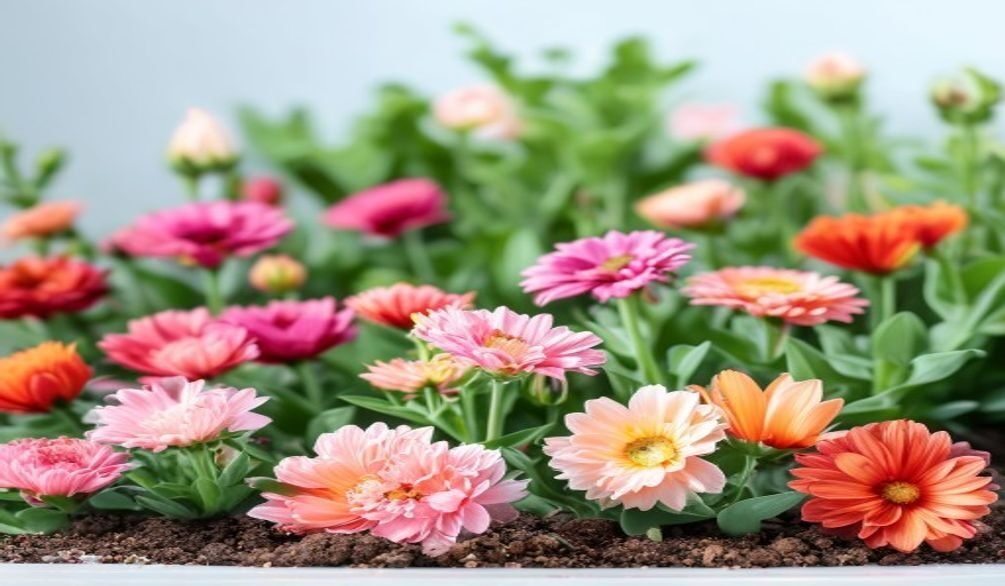
Selecting the right flora is paramount for a thriving pollinator haven. The best container plants for bees and butterflies offer abundant nectar and pollen, and many are surprisingly well-suited for pots. Focusing on native plants for balcony containers is often the most effective strategy, as local pollinators are already adapted to them.
Here are some top balcony pollinator plants that flourish in containers:
- Bee Balm (Monarda spp.): A magnet for bees and hummingbirds, providing vibrant color and a long bloom time. Dwarf varieties are excellent for pots.
- Salvia (Salvia spp.): With its spires of purple, red, or blue flowers, Salvia is a go-to for both bees and butterflies. Many varieties are drought-tolerant once established.
- Milkweed (Asclepias spp.): Essential for Monarch butterflies, serving as both a nectar source and a crucial host plant for their caterpillars. Look for compact varieties suitable for containers.
- Sunflowers (dwarf varieties): These cheerful blooms attract a wide array of bees and provide seeds for birds later in the season.
- Asters (Symphyotrichum spp.): Offering late-season nectar when other flowers fade, Asters are vital for preparing pollinators for winter.
- Coneflowers (Echinacea spp.): Their distinctive cone-shaped centers are packed with pollen and nectar, attracting bees and butterflies.
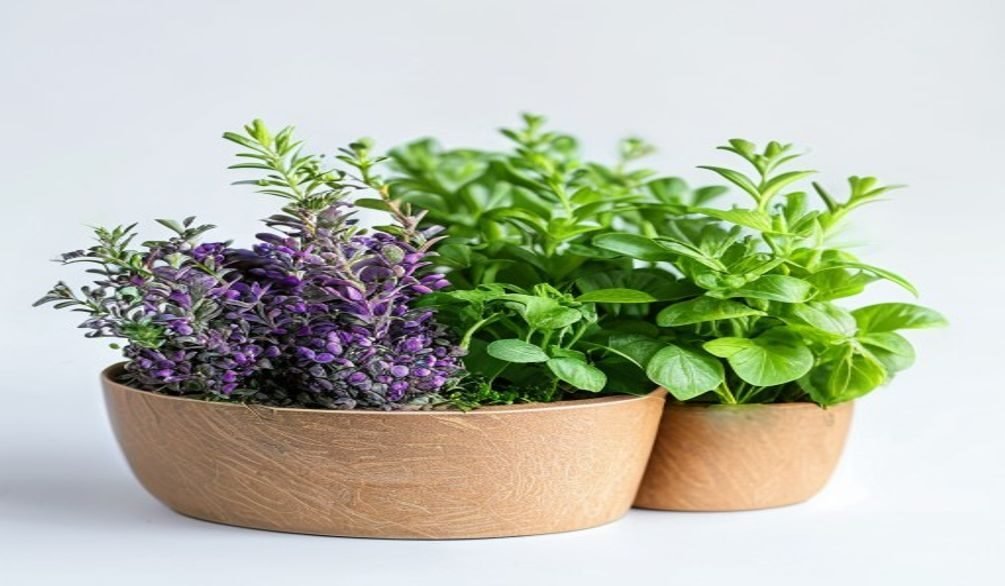
- Lavender (Lavandula spp.): A classic choice, lavender is a universal attractant for bees and butterflies, and its fragrant blooms are a treat for you too.
Remember to choose balcony bee friendly plants that are well-adapted to your local climate and sunlight conditions. A mix of annuals and perennials will provide both immediate impact and long-term sustenance for your winged visitors.
Creating Safe Habitats: Bee Hotels & Water Sources (Avoiding Ecological Traps)
Providing shelter and water goes hand-in-hand with planting a vibrant balcony pollinator garden. However, it’s crucial to design these elements carefully to ensure they are beneficial, not harmful. Many well-intentioned additions can inadvertently become “ecological traps” if not properly managed.
Safe Bee Hotel Construction
While a diy balcony bee hotel can be a fantastic way to support solitary bees, not all designs are created equal. Many commercial bee hotels can become breeding grounds for disease and parasites if they aren’t cleanable. To avoid creating an ecological trap, opt for designs where nesting tubes can be replaced or cleaned annually.
Ceramic bee hotels are a durable, non-toxic option, with success stories like a schoolyard in Sweden seeing increased biodiversity after installation. Alternatively, drill holes of varying sizes (2 to 10 mm) into untreated lumber blocks. This safe bee hotel construction caters to different species of wild bees. Ensure the hotel is placed in a sunny, sheltered spot, preferably facing south or southeast, and secure it firmly to prevent swaying.
Drowning-Proof Water Sources for Bees on Balcony
Pollinators, like all living creatures, need water, especially during hot weather. A simple dish of water, however, can quickly become a drowning hazard for bees. The solution is to create a water source for bees on balcony that allows safe access.
Use a shallow dish or a bird bath and fill it with pebbles, marbles, or small stones. Arrange them so they break the water’s surface, providing landing pads for bees and butterflies to drink without falling in. Replenish the water daily to keep it fresh and clean, preventing mosquito breeding and water stagnation.
Beyond Nectar: Building a Holistic Balcony Ecosystem
To truly maximize the impact of your small space pollinator garden, think beyond just nectar and pollen. A holistic approach creates a micro-ecosystem that supports pollinators through every life stage, fostering a more resilient urban pollinator habitat design.
Integrating Host Plants for Caterpillars
While nectar fuels adult butterflies, their offspring, caterpillars, require specific “host plants” to survive and grow. Providing butterfly host plants for containers is a critical step often overlooked. For instance, Milkweed (Asclepias spp.) is indispensable for Monarch butterfly caterpillars.
Another “secret weapon” for urban butterfly gardens is common ivy. Research by Dr. Fox on butterflies in British gardens, published in April 2024, highlighted that ivy significantly boosts populations of Holly Blue, Red Admiral, and Comma butterflies by offering both caterpillar food and crucial late-season nectar. Consider allowing a patch of ivy to grow in a container or up a small trellis on your balcony, if suitable. This approach is similar to how “rewilded lawns provide an important breeding habitat for butterflies,” a principle adaptable to your containers by allowing some plants to go to seed.
Providing Shade and Shelter
Beyond sunlight requirements for plants, consider how your balcony offers shelter for pollinators themselves. Butterflies need protection from wind and rain, and bees seek refuge from harsh sun or sudden storms. Taller plants or strategic placement of containers can create microclimates.
Leaving some dead plant stems or a small pile of leaves in a corner of your balcony can provide natural shelter and overwintering sites for certain insects. This thoughtful integration of diverse elements transforms your balcony from just a collection of pots into a functional, living habitat.
For more tips on maintaining a healthy garden ecosystem, consider exploring organic pest control for terrace gardens, which aligns perfectly with supporting beneficial insects.
Year-Round Care for Your Balcony Pollinator Garden
A thriving balcony pollinator garden isn’t a one-season wonder; it requires continuous attention to provide year-round support. This holistic approach ensures your small space remains a vital resource for bees and butterflies through all seasons, extending beyond just the summer months.
Continuous Bloom and Overwintering Strategies
To ensure a constant food supply, plan your plants for successive blooms from early spring to late fall. When some plants begin to fade, others should be just starting to flower. This ensures that pollinators always have access to nectar and pollen, even as seasons change.
For perennials in containers, overwintering often means providing protection from extreme cold. You might need to move pots to a more sheltered spot, wrap them in burlap, or even bring some indoors if your climate is particularly harsh. Ensuring proper balcony plant drainage solutions is especially critical during winter to prevent root rot in dormant plants.
Leaving Debris for Shelter
One of the easiest ways to provide year round balcony gardening for pollinators is to resist the urge to “tidy up” too much. Dead plant stems, fallen leaves, and spent flower heads offer crucial overwintering sites for many beneficial insects. Many solitary bees and butterfly pupae will shelter in hollow stems or leaf litter.
Allowing some seed heads to remain also provides a valuable food source for birds during winter, adding another layer of biodiversity to your balcony ecosystem. This natural approach to maintenance supports the entire life cycle of your pollinator friends.
Maximizing Space: Vertical Gardening & Container Strategies
Balcony gardening has surged in popularity, with a 40% increase in apartments embracing this green trend. With about 60% of urban dwellers gardening on balconies or terraces, maximizing every inch of space is key to creating an impactful balcony pollinator garden.
Utilizing Vertical Elements
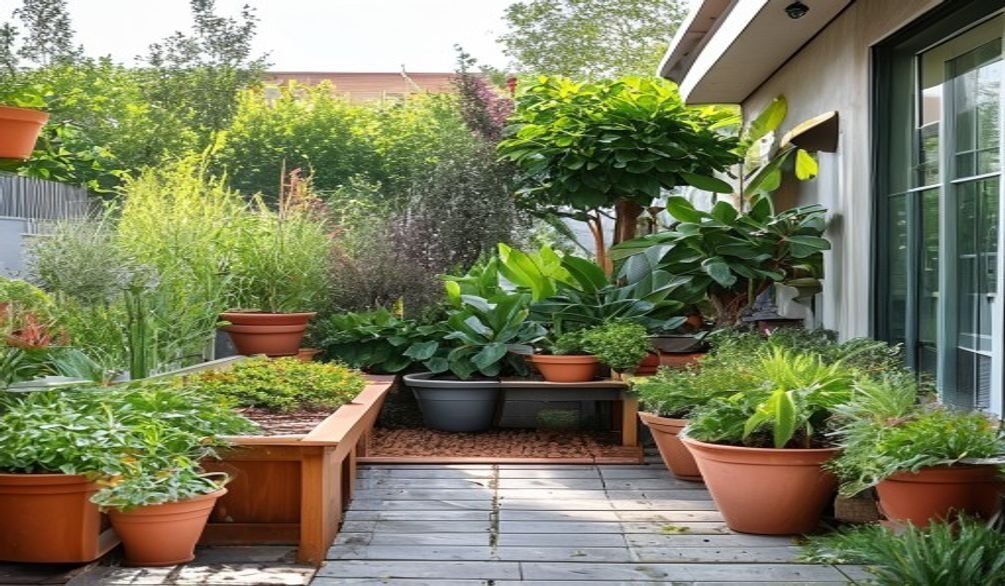
Vertical gardening techniques are perfect for small spaces, allowing you to cultivate more plants without expanding your footprint. Install trellises against walls for climbing plants like clematis or passionflower, which can offer both nectar and host plant opportunities. Wall planters and hanging baskets are excellent for adding layers of diverse blooms, from trailing nasturtiums to vibrant petunias.
Layering plants at different heights also mimics natural habitats, providing varied foraging opportunities and shelter. This creates dynamic and aesthetically pleasing balcony butterfly garden ideas that are both beautiful and functional. For inspiration on optimizing vertical space, explore resources on vertical herb garden for small spaces, as many herbs are also excellent pollinator attractants.
Smart Container Choices
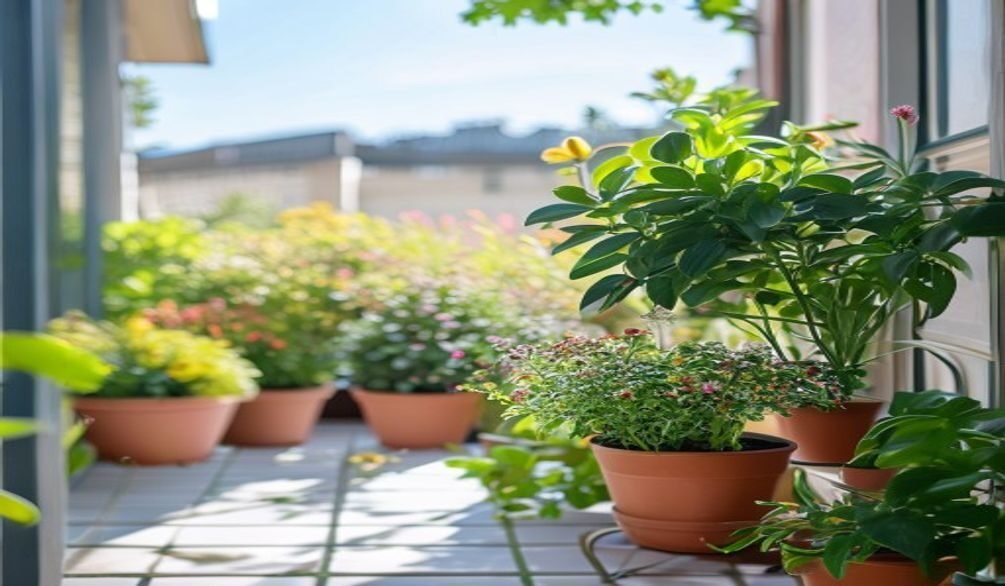
Beyond verticality, thoughtful container selection can significantly enhance your garden’s potential. Opt for larger pots where possible, as they offer more soil volume, retain moisture better, and provide a stable environment for plants. Grouping several pots together can create a microclimate that benefits plants and pollinators alike.
Consider self-watering pots, which can be particularly useful for busy urban gardeners, ensuring plants remain hydrated. The goal is to create a dense, diverse planting that offers a continuous feast for pollinators, proving that even a small balcony can host a vibrant, buzzing ecosystem.
Frequently Asked Questions
What plants attract bees and butterflies to a balcony?
To attract bees and butterflies to your balcony, focus on nectar-rich plants like Bee Balm, Salvia, Coneflowers, and Lavender. For butterflies specifically, also include host plants like Milkweed for Monarch caterpillars. A diverse selection with varied bloom times ensures a continuous food source.
How do you attract pollinators to a small balcony?
Attract pollinators to a small balcony by providing a consistent supply of flowering plants, a safe water source with landing spots, and shelter from wind. Choose native plants, avoid pesticides, and consider vertical gardening to maximize plant diversity in limited space.
Do balcony gardens attract pollinators?
Yes, balcony gardens absolutely attract pollinators, and they are increasingly vital for supporting urban ecosystems. Urban gardens provide up to 90% of the nectar found in cities, making even a small balcony a crucial lifeline for bees, butterflies, and other beneficial insects.
What flowers attract bees and butterflies in pots?
Flowers that attract bees and butterflies in pots include Bee Balm (Monarda), Salvia, dwarf Sunflowers, Asters, and Lavender. These varieties are well-suited for container growing and provide abundant nectar and pollen, making your pots irresistible to pollinators.
Creating a balcony pollinator garden is an accessible and impactful way to contribute to local biodiversity and enjoy the beauty of nature right outside your door. By choosing the right plants, providing safe habitats, and thinking holistically about your urban micro-ecosystem, you become a crucial steward for bees and butterflies. Start small, observe, and watch your balcony come alive with the vibrant dance of pollinators.