Embarking on the rewarding journey of growing your own food is exciting, but knowing which essential tools for vegetable garden success can feel overwhelming for beginners. You want to cultivate a thriving space without buying unnecessary gadgets, and this guide will equip you with the knowledge to make smart choices, ensuring your garden flourishes from day one.
What Essential Tools Do You Need for a Thriving Vegetable Garden?
Starting a vegetable garden doesn’t require a shed full of expensive equipment; instead, it demands a thoughtful selection of versatile tools that perform multiple tasks. The truth is, a few key items will handle almost every job from planting seeds to harvesting your bounty. This focused approach not only saves money but also simplifies your gardening routine, making it more enjoyable.
Globally, the gardening tools market is booming, projected to reach USD 39.8 billion by 2032, a clear sign of growing interest in cultivating green spaces. For beginners, the focus should be on foundational tools that address core gardening tasks: preparing soil, planting, weeding, watering, and harvesting. What most people miss is that investing in quality from the start prevents frustration and repeat purchases down the line.
Hand Tools: Your Everyday Garden Companions
When it comes to daily tasks in your vegetable patch, hand tools are your most frequent allies. These compact, versatile implements are indispensable for precision work, making them a cornerstone of any beginner gardening tools kit. They are especially useful if you’re working with small spaces or raised garden beds.
Garden Gloves: Your First Line of Defense
Protecting your hands is paramount, and a good pair of garden gloves is non-negotiable. They shield against thorns, blisters, dirt, and potential irritants in the soil. Master Gardener Schweiger recommends lightweight yet protective options like Showa Atlas 360 Garden Gloves for warm weather, emphasizing comfort and dexterity.
Look for gloves that fit snugly but allow for movement, with durable material on the palms and breathable fabric on the back. This ensures you can comfortably handle everything from pulling weeds to spreading compost without discomfort.
Trowel: The Versatile Planter
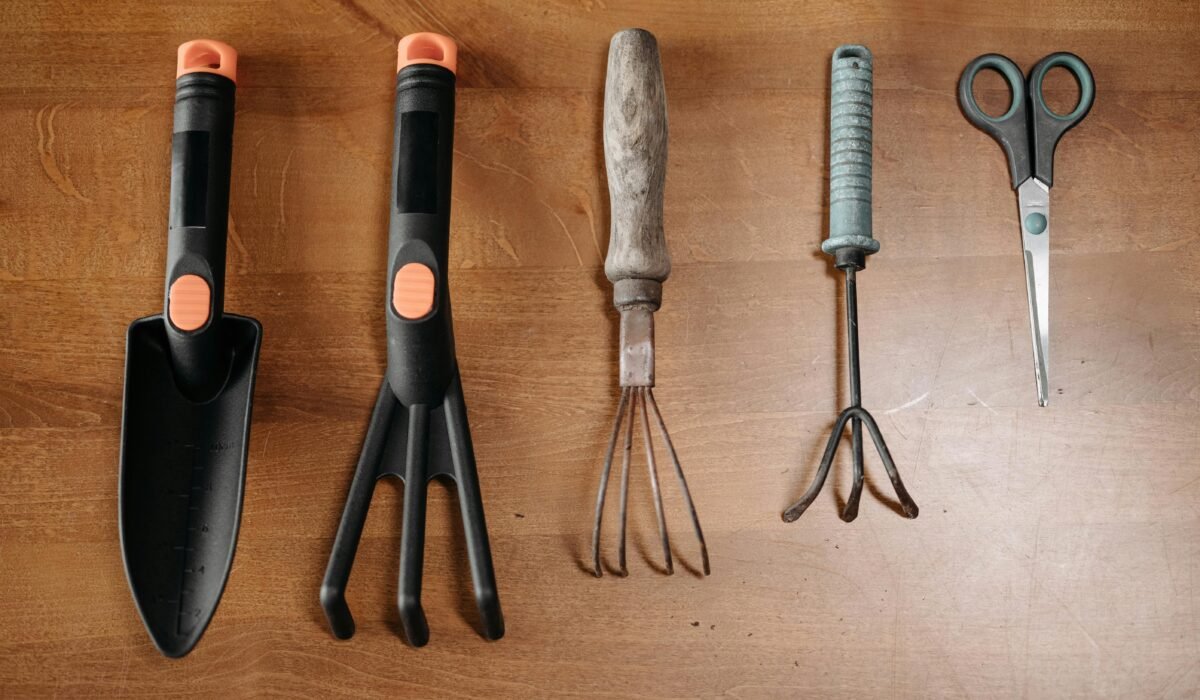
A trowel is arguably the most important tool in any gardener’s arsenal, as highlighted by gardening experts in Business Insider. This small, scoop-shaped tool is perfect for digging small holes for seedlings, transplanting, and scooping soil or fertilizer. Look for a sturdy, one-piece design that resists bending and has a comfortable handle.
Some trowels, like the Corona Transplanter, even feature measurements on the blade, which is incredibly useful for ensuring consistent planting depths. A durable stainless steel or high-carbon steel trowel will serve you for years.
Hand Fork/Cultivator: Aerating and Weeding
Often overlooked, a hand fork or cultivator is excellent for breaking up compacted soil, aerating around plants, and gently removing weeds. Its tines allow you to loosen soil without disturbing delicate roots too much. This is particularly effective in raised garden beds where soil tends to be lighter.
Choose one with strong, unbending tines and an ergonomic handle. It’s a fantastic tool for integrating organic fertilizers or amendments directly into the top layer of soil.
Pruners (Hand Shears): Precision Cutting
For maintaining plant health, harvesting, and light pruning, a sharp pair of pruners is indispensable. These allow for clean cuts that promote healing and prevent disease. Erin Benzakein, founder of Floret, swears by Felco pruners, noting their sharpness and longevity.
Invest in bypass pruners, which make clean, scissor-like cuts, ideal for living plant material. Ratchet pruners, like The Gardener’s Friend, are also a great option for those who need extra leverage or are looking for gardening tools for seniors, as they reduce hand strain.
Hori Hori Knife: The Multi-Tasking Marvel
The hori hori knife, a Japanese “dig-dig” knife, is a true jack-of-all-trades. With a sharp, serrated edge on one side and a straight edge on the other, it excels at transplanting, weeding, dividing perennials, cutting twine, and even opening bags of soil. It’s an investment that consolidates several tools into one.
Its versatility makes it a favorite among experienced gardeners, and it quickly becomes an essential tool for vegetable garden tasks. Look for a full-tang blade for maximum durability and a comfortable grip.
Digging & Cultivating Tools: Preparing Your Soil for Success
Proper soil preparation is the foundation of a productive vegetable garden. These larger digging tools help you break ground, amend soil, and manage larger areas efficiently. They are crucial for creating the ideal environment where roots can thrive.
Shovel: Breaking Ground and Moving Earth
A sturdy shovel is essential for turning soil, digging planting holes, moving compost, and general earth-moving tasks. For gardening, a round-point shovel is generally more versatile than a flat spade, making it easier to penetrate compacted soil. Bully Tools are known for their strong 14-gauge round point shovels.
Choose a shovel with a strong handle, ideally fiberglass or hardwood, and a durable steel blade. A good shovel makes light work of preparing new beds or expanding existing ones.
Garden Fork: Loosening and Aerating
A garden fork (also known as a digging fork) is superior to a shovel for breaking up heavy, compacted soil and aerating garden beds without completely inverting the soil layers. It’s also excellent for digging up root crops like potatoes or carrots, minimizing damage to the vegetables. The Tabor Tools Digging Fork is a quality option often recommended.
Its tines penetrate dense soil more easily than a shovel blade, making it ideal for incorporating organic matter like compost or manure into your garden beds. This process is vital for improving soil structure and drainage.
Hoe: Weeding and Cultivating Large Areas
For larger garden spaces, a hoe is incredibly efficient at weeding and shallow cultivation. There are various types, but a sturdy stirrup hoe or a classic Dutch hoe can make quick work of keeping weeds at bay. It allows you to work standing up, reducing back strain.
While not strictly necessary for a very small garden, a hoe becomes an essential tool for vegetable garden maintenance as your growing space expands. It’s particularly useful for preventing weeds before they get established.
Watering & Support: Keeping Your Vegetable Garden Hydrated and Healthy
Water is life for your plants, and having the right watering equipment ensures your vegetables receive consistent moisture. Beyond hydration, providing physical support helps many vegetable plants grow strong and produce abundant harvests.
Watering Can: Gentle and Precise Hydration
For seedlings, containers, or small garden patches, a watering can provides gentle and precise hydration. Look for one with a fine rose (sprinkler head) to avoid washing away delicate soil or damaging young plants. A capacity of 1-2 gallons is usually sufficient for a beginner.
Using a watering can allows you to deliver water directly to the plant’s base, minimizing waste and helping to prevent fungal diseases that can arise from wet foliage. It’s also great for applying liquid organic fertilizers.
Garden Hose with Nozzle: Efficient Coverage
For larger areas, a good quality garden hose with an adjustable nozzle is invaluable. Choose a hose that is kink-resistant and long enough to reach all parts of your garden without stretching. A nozzle with multiple spray patterns allows you to switch from a gentle shower for new plants to a stronger stream for established beds.
Consider a durable, all-weather hose that can withstand sunlight and varying temperatures. This is a critical piece of equipment for consistent and efficient watering, especially during dry spells.
Plant Supports: Stakes, Cages, and Trellises
Many popular vegetables, such as tomatoes, cucumbers, peas, and pole beans, benefit greatly from physical support. Stakes, cages, and trellises keep plants upright, improve air circulation, prevent disease, and make harvesting easier. This is especially true in essential gardening tools for raised beds where space might be at a premium.
Choose supports appropriate for the mature size of your plants. Tomato cages are common, while trellises are excellent for climbing vines. Providing support from an early stage encourages stronger growth and prevents plants from sprawling on the ground.
Prioritizing Your Purchases: Building Your Beginner’s Tool Kit in Phases
You don’t need to buy every tool at once. A smart approach involves building your beginner gardening tools kit in phases, focusing on the absolute essentials first and expanding as your garden grows and your needs evolve. This strategy helps manage your budget and prevents impulse buys.
Phase 1: Absolute Essentials (Under $50-$100)
Start with the core items that will get you through most basic gardening tasks. These are the tools you’ll use constantly. This phase focuses on getting your hands dirty and establishing your first plants.
- Garden Gloves: Protect your hands immediately.
- Hand Trowel: For planting and digging small holes.
- Pruners: For harvesting and light pruning.
- Watering Can or Basic Hose with Nozzle: For essential hydration.
With these few items, you can successfully plant seeds (perhaps after starting them indoors), transplant seedlings, weed, and water your nascent garden. This minimal setup covers the most frequent actions you’ll take.
Phase 2: Expanding Your Toolkit (Adding Versatility)
Once you’re comfortable with the basics, consider adding tools that enhance efficiency and tackle slightly more demanding tasks. This phase is about making your gardening life easier and more productive.
- Garden Fork or Hand Cultivator: For aerating and breaking up soil.
- Shovel: For larger digging tasks and moving materials.
- Hori Hori Knife: A versatile multi-tool that combines several functions.
- Plant Supports: Stakes, cages, or trellises for climbing vegetables.
This phased approach allows you to gradually acquire the essential tools for vegetable garden care, learning what you truly need as you gain experience. Remember, the global hand tools segment dominates the market, accounting for over 50% of revenue, underscoring their foundational importance.
Tool Care & Maintenance: Making Your Garden Tools Last a Lifetime
Buying quality tools is only half the battle; proper tool maintenance ensures they remain effective and last for years, saving you money and frustration. A little care after each use goes a long way in preserving your investment. This is a crucial aspect of the “Smart Start, Sustainable Growth” philosophy.
In practice, neglecting tool care leads to rust, dull blades, and decreased efficiency, turning enjoyable gardening tasks into chores. Just a few minutes of cleaning can significantly extend the lifespan of your equipment.
Simple Steps for Longevity:
- Clean After Each Use: Remove all soil and plant debris from blades and tines. A stiff brush or even an old rag works well.
- Dry Thoroughly: Moisture is the enemy of metal. Ensure tools are completely dry before storage to prevent rust.
- Oil Metal Parts: Periodically wipe metal surfaces with a light coating of oil (linseed oil or mineral oil works) to protect against rust. This is especially important for pruners and shovels.
- Sharpen Blades: Keep cutting edges, like those on pruners and hori hori knives, sharp. A sharpening stone or file makes a huge difference in performance and reduces strain on your hands.
- Store Properly: Hang tools in a dry, protected area. This keeps them organized, prevents them from getting lost, and protects them from the elements.
These straightforward maintenance routines are easy for any beginner to adopt. They not only extend the life of your tools but also make gardening tasks more efficient and enjoyable.
Choosing Quality: Ergonomics, Durability, and Budget for Your Essential Vegetable Garden Tools
When selecting your essential tools for vegetable garden work, don’t just grab the cheapest option. Consider how the tool feels, how long it will last, and how it fits into your budget. This thoughtful approach ensures you get the best budget gardening tools for beginners without sacrificing quality.
Ergonomics: Comfort for Long-Term Gardening
Your hands and body will thank you for choosing ergonomic tools. These are designed to fit comfortably in your hand, reduce strain, and minimize fatigue, especially important for gardening tools for seniors or anyone with hand limitations. Look for features like padded grips, angled handles, or lighter weights.
Try out tools in person if possible to see how they feel in your hand. A comfortable tool makes gardening a joy, not a chore, encouraging you to spend more time tending your plants.
Durability: Built to Last
Investing in durable tools means fewer replacements and better performance. Look for materials like stainless steel, high-carbon steel, or forged steel for metal parts, and sturdy hardwoods or fiberglass for handles. Avoid tools with flimsy plastic components that are prone to breaking.
Brands like Felco (pruners), Bully Tools (shovels), and Corona (trowels) are often recommended for their robust construction. A well-made tool might cost a little more upfront, but it pays for itself many times over in reliability and longevity.
Budget: Smart Spending for Beginners
While quality is key, you don’t need to break the bank. Many excellent tools offer a great balance of durability and affordability. For instance, while Felco pruners are top-tier, quality options from brands like Fiskars or even budget-friendly Husky trowels can perform admirably for beginners.
Prioritize your budget on the tools you’ll use most frequently, like a good trowel and pruners. You can always upgrade or expand your collection as your gardening passion grows and your needs become clearer. Remember, the goal is a “Smart Start,” not a spendy one.
Frequently Asked Questions
What 5 tools do I need for gardening?
For essential gardening tasks, you primarily need garden gloves, a hand trowel, pruning shears, a sturdy hand fork or cultivator, and a reliable watering can or hose. These five tools cover the most common actions from planting and weeding to harvesting and hydrating your plants, forming a solid foundation for any beginner.
What is the most important gardening tool?
Many experts agree that the most important gardening tool is a good quality hand trowel. This versatile tool is indispensable for digging small holes for planting, transplanting seedlings, and scooping soil or amendments. It’s the workhorse for nearly all close-up planting tasks in a vegetable garden.
What tools do I need for a small vegetable garden?
For a small vegetable garden, focus on compact and precise hand tools. Essential items include garden gloves, a hand trowel, hand pruners for harvesting, a hand fork for weeding and aerating, and a watering can. These tools are perfectly suited for working in confined spaces or raised garden beds without needing large, cumbersome equipment.
What tools do you need for a raised garden bed?
For a raised garden bed, you’ll primarily need hand tools that allow for precision and comfortable reach. A high-quality hand trowel, garden gloves, hand pruners, and a small hand fork or cultivator are crucial. A hori hori knife is also excellent for its versatility in raised beds, handling everything from weeding to transplanting within the confined space.
Cultivating a thriving vegetable garden is an incredibly rewarding endeavor, and with the right essential tools for vegetable garden care, you’re set for success. By choosing quality, maintaining your equipment, and building your toolkit thoughtfully, you’ll enjoy a lifetime of productive and joyful gardening. Now, gather your chosen tools, dig in, and watch your garden flourish!