Dreaming of fresh, chemical-free produce right from your backyard? Starting an organic vegetable garden for beginners is not only achievable but incredibly rewarding, transforming your outdoor space into a vibrant, living pantry. This comprehensive guide will walk you through every essential step, empowering you to cultivate healthy, delicious vegetables while nurturing the environment.
Why Start an Organic Vegetable Garden?
Embarking on the journey of an organic vegetable garden offers a multitude of benefits, extending far beyond simply growing food. You’re not just cultivating plants; you’re fostering a healthier ecosystem and providing nourishment for yourself and your family.
One primary motivation is the undeniable health advantage: organic produce is grown without synthetic pesticides, herbicides, or fertilizers. This means fewer unwanted chemicals on your plate, leading to more wholesome, nutrient-rich meals.
Beyond personal health, organic gardening significantly contributes to environmental well-being. By focusing on natural processes, you enhance local biodiversity, support pollinators, and improve soil health, which in turn helps combat climate change. In practice, every act of composting or attracting beneficial insects directly contributes to a more sustainable local ecosystem.
The global shift towards organic practices highlights this growing awareness: the global organic farming area increased by 2.6% in 2023, reaching almost 99 million hectares, according to FiBL and IFOAM – Organics International. This trend underscores a collective recognition of organic gardening’s profound positive impact.
How Do I Start an Organic Vegetable Garden from Scratch?
Starting an organic vegetable garden for beginners might seem daunting, but it’s a series of manageable steps that begin with thoughtful planning. The key is to approach it systematically, ensuring each decision supports your organic goals.
Location, Location, Location: Sunlight and Water Access
First, identify the ideal spot in your yard. Most vegetables require at least 6-8 hours of direct sunlight daily to thrive, so observe your chosen area throughout the day. Proximity to a water source is also crucial for efficient watering techniques garden, minimizing effort and ensuring your plants stay hydrated.
What most people miss is considering the long-term implications of your chosen site, like potential shade from mature trees in a few years or drainage patterns during heavy rains. Choose a spot that offers both ample sun and good water management.
Essential Tools for Your Organic Journey
You don’t need an arsenal of expensive equipment to begin. A few essential tools will get you started efficiently. For a comprehensive list, you might find our guide on Essential Tools for Vegetable Garden: Beginner’s Smart Start helpful.
- Hand Trowel: Indispensable for planting seedlings, transplanting, and precision weeding.
- Hand Cultivator or Rake: Ideal for breaking up soil, leveling beds, and removing small weeds.
- Pruners: For harvesting vegetables and trimming plants to encourage bushier growth.
- Watering Can or Hose with a Gentle Sprayer: Essential for consistent, controlled watering.
Garden Planning Organic: Layout and Crop Rotation
Before digging, sketch out your garden layout. Consider how much space each plant needs, how tall they will grow, and how they might shade neighboring plants. Planning helps maximize your yield and efficiency.
For a healthy, sustainable garden, incorporate crop rotation into your garden planning organic strategy. This means not planting the same type of vegetable in the same spot year after year, which helps prevent pest buildup and nutrient depletion. Cindy Conner, author of *Grow a Sustainable Diet*, advises, “If you want to have a balanced garden, feed the soil and build the ecosystem,” reinforcing the importance of thoughtful planning from the outset.
What is the First Step in Organic Gardening?
The short answer is unequivocally: soil preparation organic. A successful organic garden hinges on healthy, living soil. As Mathieu Ngouajio, national program leader for organic agriculture at USDA’s National Institute of Food and Agriculture (NIFA), states, “a successful garden begins with healthy soil texture and structure.”
Understanding and Improving Your Soil
Start by assessing your existing soil. Is it sandy, clay-heavy, or somewhere in between? You can do a simple jar test by mixing soil and water to see the layers. Well-draining soil, comprised of sand, silt, clay, and ample organic matter, is ideal for most vegetables.
The most impactful way to improve your soil is by incorporating organic matter. This is where compost for beginners becomes your best friend. Compost enriches the soil with essential nutrients, improves drainage in clay soils, and boosts water retention in sandy soils. It’s the foundation of any thriving organic vegetable garden for beginners.
You can make your own compost from kitchen scraps and yard waste, or purchase high-quality organic compost. Aim for at least a 2-4 inch layer of compost worked into the top 6-12 inches of your garden bed. For more in-depth information, check out our guide on Garden Soil Types for Beginners: A Simple Guide.
For ongoing soil health, consider using organic fertilizer types. Brands like Down to Earth, Jobe’s Organics, and Espoma offer OMRI-certified options that nourish your plants naturally without synthetic chemicals.
Choosing Organic Vegetables: Easiest Options for Beginners
When you’re just starting an organic vegetable garden for beginners, selecting the right plants can make all the difference in building confidence and ensuring success. Focus on varieties known for their resilience and ease of growth.
Easy Organic Vegetables to Grow for Beginners
These plants are forgiving, productive, and generally less susceptible to common pests and diseases, making them ideal for new organic gardeners:
- Leafy Greens: Lettuce, spinach, and Swiss chard are fast-growing and can be harvested multiple times.
- Radishes: Quick to mature, often ready in under a month.
- Bush Beans: Produce abundant yields and require minimal support.
- Zucchini & Summer Squash: Very prolific, just be ready for a bounty!
- Cherry Tomatoes: Easier to grow than larger varieties and produce continuously.
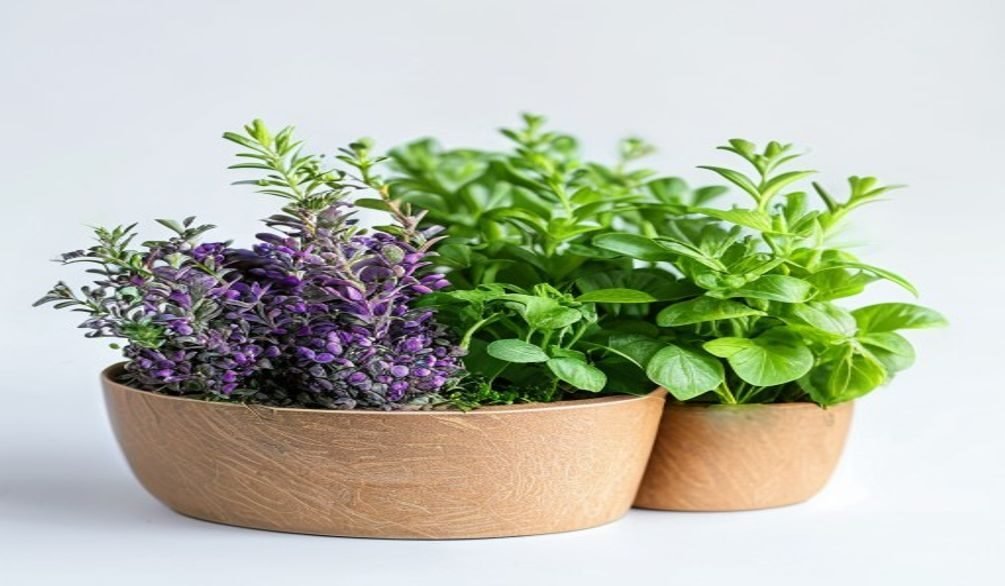
- Herbs: Basil, mint, and parsley are robust and add flavor to your cooking.
In practice, starting with just a few of these easy organic vegetables to grow for beginners will prevent overwhelm and allow you to learn fundamental organic gardening practices effectively.
Organic Seeds and Seedlings: Heirloom Varieties
Always opt for certified organic seeds or seedlings to ensure your garden remains chemical-free from the start. Look for companies that specialize in heirloom seeds organic, as these varieties often offer superior flavor and genetic diversity, having been passed down for generations. They are also typically open-pollinated, meaning you can save their seeds for future planting.
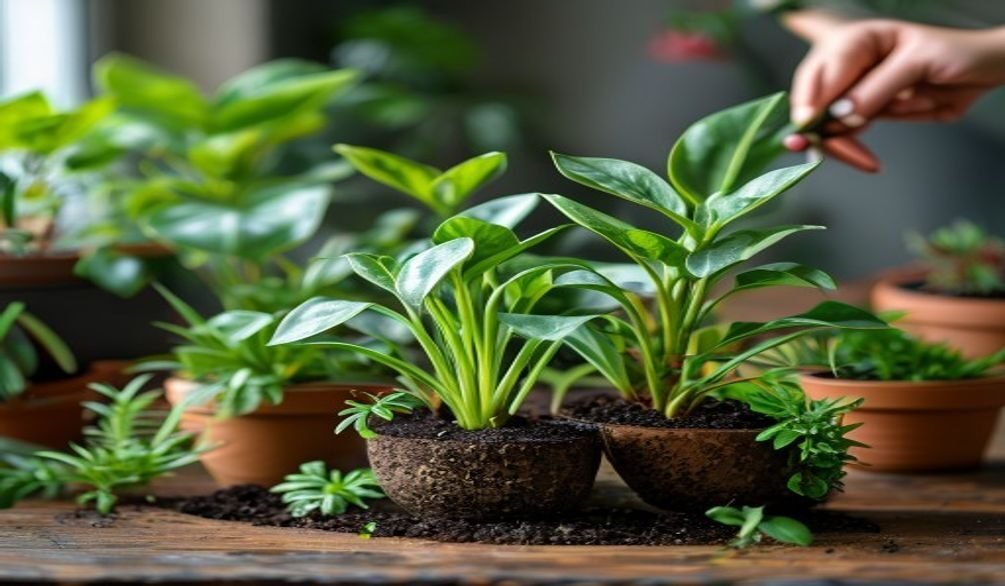
When purchasing seedlings, check for any signs of disease or pests, and ensure they are labeled as organic. This small step ensures you’re building a truly organic foundation.
Organic Pest Control & Disease Management for Beginners
One of the biggest concerns for new organic gardeners is how to handle pests and diseases without resorting to synthetic chemicals. The good news is that effective organic pest control methods rely on working with nature, not against it.
Natural Pest Deterrents and Remedies
The first line of defense is vigilance. Susan Mulvihill, a garden expert, emphasizes the importance of regular garden monitoring to spot problems early, allowing for more options in dealing with them. Hand-picking larger pests like tomato hornworms is surprisingly effective if caught early.
For common issues, consider these organic pest control methods:
- Bacillus thuringiensis (Bt): A natural bacterium effective against caterpillars like cabbage worms.
- Neem Oil: A broad-spectrum organic repellent and suffocant for soft-bodied insects like aphids and whiteflies.
- Diatomaceous Earth: A natural powder that dehydrates slugs, snails, and crawling insects.
- Insecticidal Soap: Good for aphids, spider mites, and other sap-sucking pests.
You can find more detailed advice on specific solutions in our guide to Organic Pest Control for Gardens: Natural & Effective.
Attracting Beneficial Insects Garden
Creating a diverse garden ecosystem is crucial for natural pest management. Beneficial insects garden are your allies, preying on common garden pests. Susan Mulvihill refers to them as “heroes” in the garden, and for good reason.
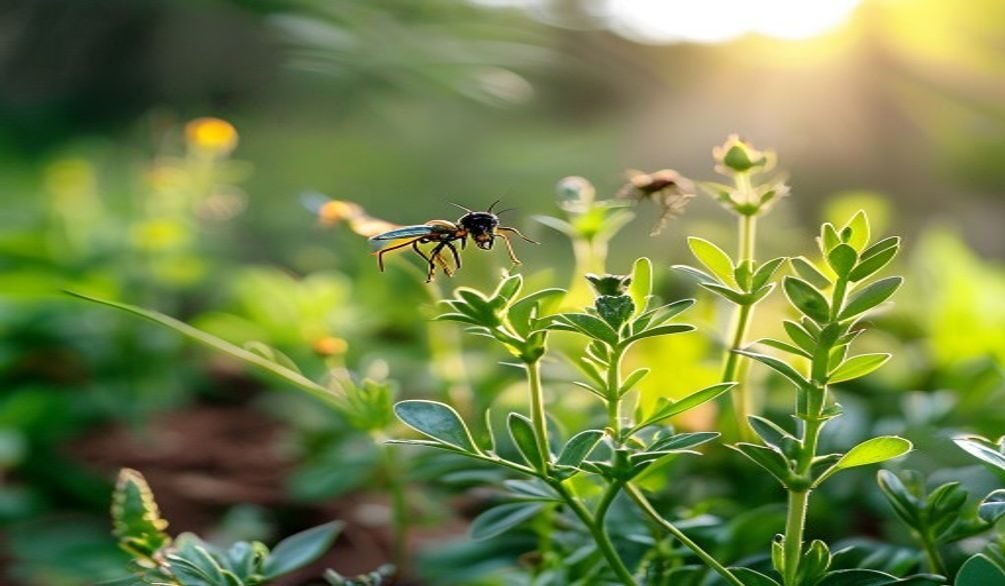
Planting flowering herbs and native flowers near your vegetables will attract ladybugs, lacewings, and parasitic wasps, which help keep pest populations in check. Think of it as inviting a natural clean-up crew to your garden. This strategy is a cornerstone of organic pest control for vegetable garden beginners.
Small-Space & Container Organic Gardening Solutions
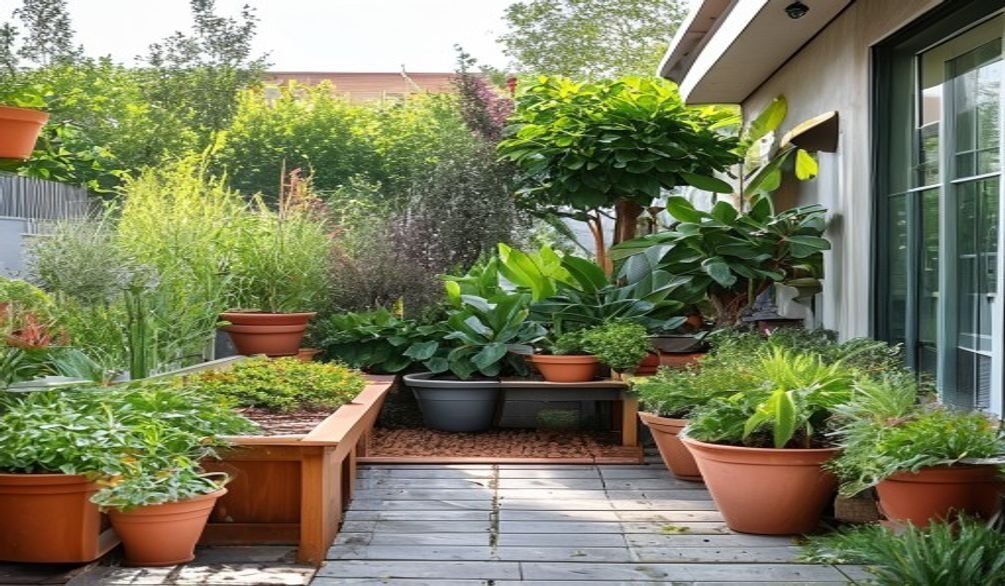
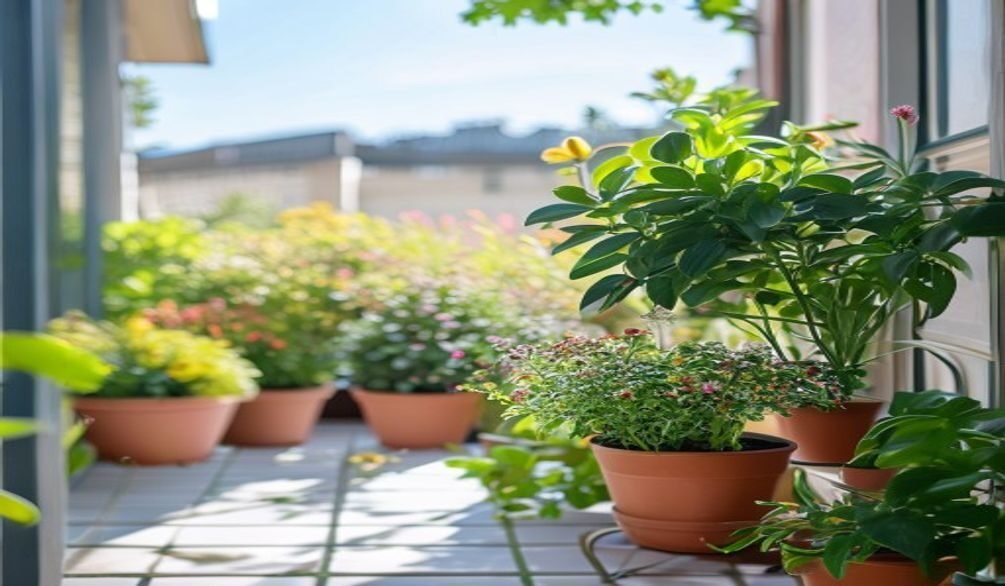
Don’t have a sprawling backyard? No problem. An organic vegetable garden for beginners is entirely possible even in the smallest of spaces, from balconies to patios. This caters to a growing urban gardening demographic, proving that limited space doesn’t limit your organic ambitions.
Raised Garden Beds Organic
Raised garden beds organic are an excellent solution for small spaces and for creating ideal soil conditions from scratch. They offer better drainage, warm up faster in spring, and reduce bending, making gardening more accessible. You can fill them with a custom blend of organic soil and compost, ensuring optimal growing conditions.
For those starting an organic garden on a budget, simple untreated wood or even upcycled materials can serve as frames for raised beds.
Container Gardening Organic
Container gardening organic is perfect for patios, balconies, or even sunny windowsills. Almost any vegetable can be grown in a container, provided it’s the right size and has good drainage. Here’s the thing: container size matters significantly for root development and moisture retention.
Look for grow bags, large pots, or even vertical planters. Brands like the GreenStalk 7-Tier Vertical Planter are practical examples of vertical gardening systems that maximize yield in minimal footprint. For more options, explore our Vertical Garden Structure Buyer’s Guide.
When selecting plants for containers, choose compact varieties. Good options include bush beans, cherry tomatoes, herbs, lettuce, and peppers. Remember that containers dry out faster, so consistent watering techniques garden are especially important.
Common Beginner Mistakes and How to Avoid Them
Every gardener makes mistakes, especially when starting out. Recognizing common beginner organic gardening mistakes to avoid can save you frustration and lead to a more successful harvest.
Overwatering or Underwatering
One of the most frequent issues is incorrect watering. New gardeners often either drown their plants with too much water or let them dry out completely. The trick is to feel the soil before watering; if the top inch or two feels dry, it’s time to water.
Nutrient deficiencies, poor soil structure, and pH imbalances are common challenges for organic gardeners. Consistent, deep watering encourages strong root growth, which in turn helps plants access nutrients more effectively.
Ignoring Soil Health from the Start
As emphasized earlier, healthy soil is the backbone of organic gardening. A common mistake is planting in depleted soil without proper amendment. Taking the time to learn how to prepare soil for organic vegetable garden with ample compost and organic matter will pay dividends in plant vigor and yield. Don’t skip this foundational step.
Overcrowding Plants
It’s tempting to plant everything close together to maximize space, but overcrowding leads to poor air circulation, increased disease risk, and competition for nutrients. Always refer to seed packet instructions for proper spacing. Giving your plants room to grow ensures they get adequate sunlight and air, reducing stress and promoting health.
Neglecting Regular Monitoring
As Susan Mulvihill pointed out, regular observation is critical. Many beginners wait until a pest or disease problem is severe before acting. Spend a few minutes in your garden daily, inspecting leaves, stems, and soil. Early detection means simpler, more effective organic solutions.
What are the 5 Principles of Organic Gardening?
Understanding the core tenets of organic gardening provides a philosophical framework for your practices, ensuring you’re working in harmony with nature. These principles guide every decision you make in your organic vegetable garden for beginners.
- Health: This principle emphasizes the health of soil, plants, animals, and humans as one and indivisible. Healthy soil produces healthy plants, which in turn nourish healthy people.
- Ecology: Organic gardening works with living ecological systems and cycles, emulating and sustaining them. This means promoting biodiversity and maintaining ecological balance within your garden.
- Fairness: Organic practices should build on relationships that ensure fairness with regard to the common environment and life opportunities. While often applied to larger farming, for home gardeners, this translates to respectful resource use.
- Care: Organic gardening should be managed in a precautionary and responsible manner to protect the health and well-being of current and future generations and the environment. This means adopting practices that are sustainable long-term.
- Diversity: Encouraging a wide variety of plants, beneficial insects, and microorganisms within your garden strengthens its resilience and natural defenses against pests and diseases. This is why companion planting and attracting beneficial insects garden are so important.
These principles, championed by organizations like IFOAM – Organics International, are the bedrock of truly sustainable and productive organic gardening.
Frequently Asked Questions
What is the easiest organic vegetable to grow for beginners?
For beginners, leafy greens like lettuce and spinach, along with radishes and bush beans, are among the easiest organic vegetables to grow. They mature quickly, are relatively low-maintenance, and provide satisfying yields, boosting confidence for new gardeners.
How do I start an organic vegetable garden from scratch?
Starting an organic vegetable garden from scratch involves choosing a sunny location, preparing your soil with ample organic matter like compost, selecting easy-to-grow organic seeds or seedlings, and planning your garden layout. Focus on building healthy soil first, as it’s the foundation for all subsequent success.
What is the first step in organic gardening?
The very first step in organic gardening is always soil preparation. Investing time in improving your soil’s structure, fertility, and microbial life with organic amendments like compost will create an ideal environment for your plants to thrive naturally.
What are the 5 principles of organic gardening?
The 5 principles of organic gardening are Health, Ecology, Fairness, Care, and Diversity. These principles guide gardeners to foster healthy ecosystems, work with nature’s cycles, ensure responsible resource use, and promote biodiversity for sustainable and productive gardens.
Embarking on your organic vegetable garden journey is a commitment to healthier eating, a thriving environment, and a deeper connection to nature. By focusing on healthy soil, choosing resilient plants, and embracing natural pest control, you’re setting yourself up for a bountiful harvest. Start small, observe often, and enjoy the process of growing your own organic food.