Struggling to keep your orchard healthy and vibrant without relying on harsh chemicals? Discover the secrets of companion planting for fruit trees, a time-tested organic method that leverages nature’s wisdom to boost your garden’s vitality. This comprehensive guide will walk you through the best companion plants for fruit trees, helping you create a thriving, resilient ecosystem right in your backyard.
What is companion planting for fruit trees and why do it?
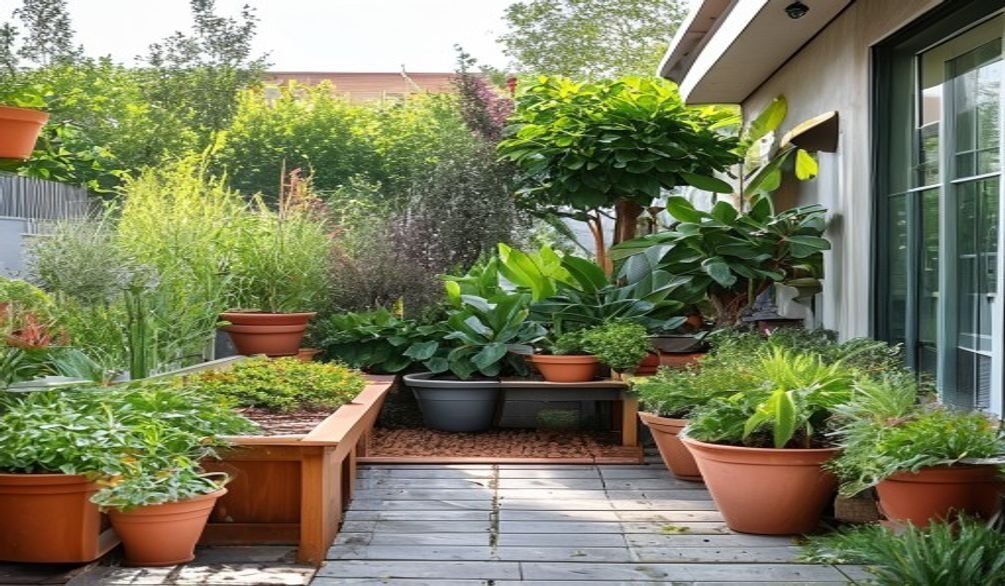
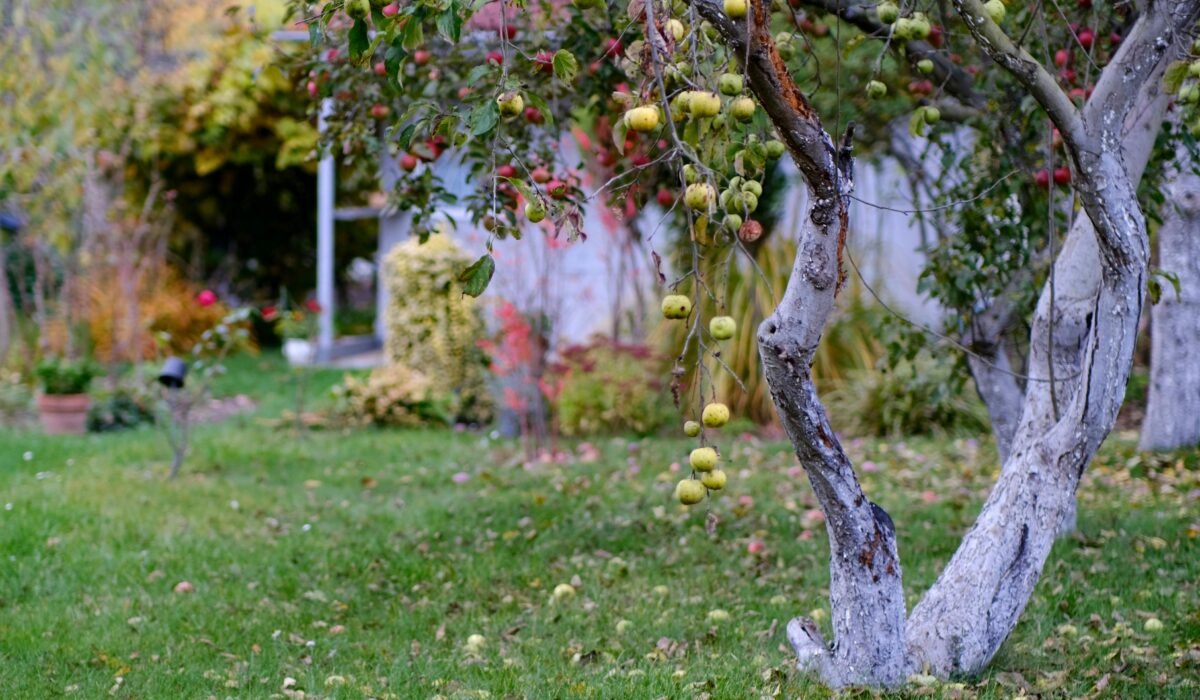
Companion planting for fruit trees involves strategically placing different plant species near each other to create mutually beneficial relationships. Think of it as building a supportive community around your fruit trees, where each plant plays a vital role in the overall health of the orchard. This practice often forms what’s known as a fruit tree guild, a mini-ecosystem designed to mimic natural forest edges.
The primary goal is to enhance growth, deter pests, improve soil health for fruit trees, and attract beneficial insects without relying on synthetic inputs. It’s a cornerstone of organic pest control for fruit trees and sustainable gardening, offering a holistic approach to orchard management. As landscape designer Katherine Aul Cervoni notes, “a garden thrives with biodiversity,” underscoring the importance of inter-planting for a resilient system.
What are the benefits of companion planting for fruit trees?
The advantages of thoughtfully selecting the best companion plants for fruit trees extend far beyond simple aesthetics. These synergistic pairings contribute significantly to the vitality and productivity of your orchard.
- Natural Pest Deterrence: Many companion plants act as pest repellent plants for fruit trees, emitting scents or compounds that confuse or repel common orchard pests. For instance, studies show that intercropping with onions can significantly reduce aphid infestations, while also attracting beneficial insects like ladybirds. Research in the Journal of Chemical Ecology highlights how certain plants release allelochemicals that naturally control pest populations. If you’re looking to reduce reliance on chemicals, this is a key strategy for organic pest control for gardens.
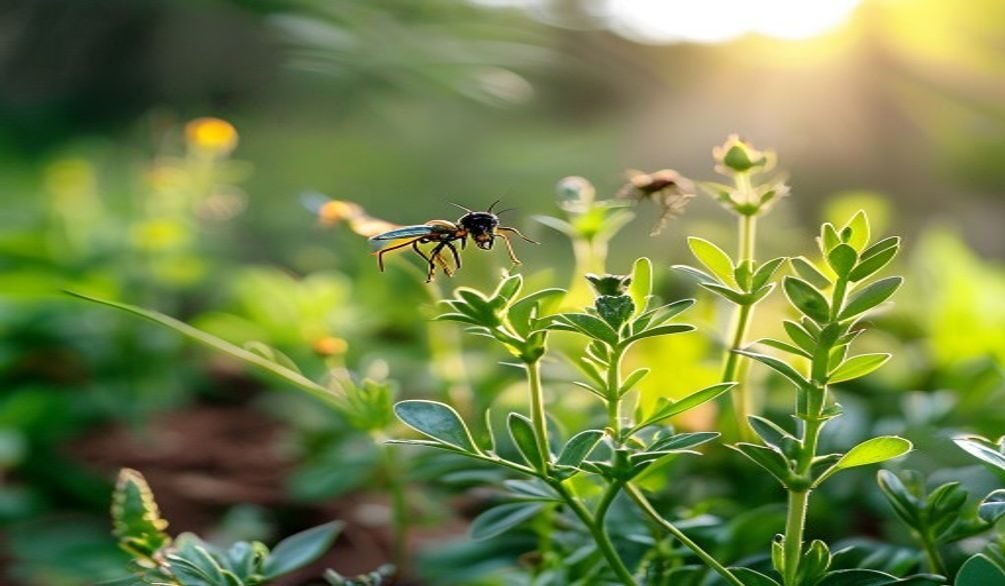
- Attracting Pollinators: A diverse array of flowering companions serves as pollinator attractors for orchards, bringing in bees, butterflies, and other essential insects. These tiny workers are responsible for an incredible 35% of global food crop yields, directly impacting your fruit production.
- Soil Health and Nutrient Cycling: Certain plants, particularly nitrogen-fixing plants for orchards like legumes, convert atmospheric nitrogen into a form usable by other plants, enriching the soil naturally. Other companions, known as dynamic accumulator plants, draw essential minerals from deep in the soil, making them available to shallow-rooted fruit trees when their leaves decompose. This continuous nutrient cycling improves overall soil fertility and structure.
- Weed Suppression: Groundcover companion plants can outcompete weeds for light and nutrients, reducing the need for manual weeding or herbicides. This helps maintain consistent moisture levels and prevents erosion around your valuable fruit trees.
- Microclimate Regulation: Taller companions can provide shade during intense heat, while dense underplantings can help retain soil moisture, creating a more stable microclimate for young fruit trees.
What should you not plant near fruit trees?
While the benefits of companion planting are extensive, it’s equally important to understand what to avoid. Some plants can actively harm your fruit trees by competing for resources, harboring pests, or inhibiting growth. These are the “plants to avoid near fruit trees” that can undermine your orchard’s health.
One critical consideration is the root system. Fruitstitute Founder J. Glovinsky points out that “modern day fruit tree rootstock has its feeder roots in the top 3″ of soil,” making them highly sensitive to competition. Therefore, it’s generally advised against planting anything within 2-3 feet of conventional fruit tree trunks, especially vigorous competitors.
Here are some common plants to avoid:
- Black Walnut (Juglans nigra): This tree releases juglone, a potent chemical that is toxic to many plants, including apples and other fruit trees.
- Fennel: Known to inhibit growth in many plants, including most fruit trees. It’s best kept isolated.
- Potatoes: They are heavy feeders and can compete intensely for nutrients. They also attract pests like blight, which can spread to fruit trees.
- Corn: Another heavy feeder that depletes soil nutrients and can attract pests like corn earworms, which might then move to fruit.
- Asparagus: While a great perennial, it can be a strong competitor for nutrients and space, especially with young fruit trees.
- Brassicas (Cabbage, Broccoli, Kale): These can attract pests like cabbage worms, which might then become a nuisance in your orchard.
How to design and build a fruit tree guild?
Designing a fruit tree guild is like creating a miniature, self-sustaining ecosystem around your chosen fruit tree. This thoughtful fruit tree guild design involves selecting plants that work together in layers, supporting the central tree’s health and productivity. Permaculture educator Ryan Blosser emphasizes choosing companions strategically, including dynamic accumulators, barrier plants, and beneficial insect attractors.
Steps for Effective Fruit Tree Guild Design:
- Choose Your Anchor Tree: Start with the fruit tree you want to support. Consider its mature size, sun requirements, and specific needs (e.g., nitrogen-hungry citrus, pest-prone apples).
- Define the Drip Line: The drip line is the area directly beneath the outer canopy of your tree. This is the primary zone for your guild, as it defines the tree’s root spread. Remember Glovinsky’s advice to avoid planting too close to the trunk.
- Select Groundcovers: These plants suppress weeds, retain soil moisture, and can add nutrients. Consider clover for nitrogen fixation or creeping thyme for pest deterrence.
- Incorporate Dynamic Accumulators: These deep-rooted plants, like comfrey or yarrow, pull minerals from lower soil layers, making them available to the fruit tree when their leaves are chopped and dropped as mulch.
- Add Nitrogen Fixers: Bush beans, peas, or various clovers are excellent choices for nitrogen-fixing plants for orchards, enriching the soil and feeding your fruit tree.
- Include Pest Deterrents & Pollinator Attractors: Integrate herbs like garlic or chives to repel pests, and flowering plants like borage or marigolds to draw in beneficial insects.
- Consider Support Plants: Some plants can provide physical support or create microclimates. For example, a nitrogen-fixing shrub can act as a nurse plant for a young fruit tree.
- Plan for Succession: A guild is not static. Consider how plants will grow and evolve over time, and be prepared to prune or replace companions as needed. For example, some benefits, like improved soil fertility, can take 2-3 years to fully mature.
When selecting your guild members, aim for a diversity of heights, root depths, and functions to maximize mutual benefits and create a truly resilient orchard system.
Best companion plants for specific fruit tree varieties
Understanding the specific needs of your fruit tree varieties is key to selecting the best companion plants for fruit trees. Tailoring your underplanting fruit trees strategy to individual types ensures maximum benefit, addressing unique pest pressures, nutrient demands, and growth habits.
Apple Trees
- Chives: Highly recommended for apple trees due to their antifungal properties, which can help prevent apple scab. They also deter aphids, a common apple pest.
- Dill: Attracts beneficial insects like parasitic wasps and ladybugs, which are natural predators of apple maggots and aphids.
- Nasturtiums: Act as a trap crop for aphids, luring them away from your apple trees.
- Comfrey: A dynamic accumulator that brings up nutrients from deep in the soil, benefiting nutrient-hungry apple trees when chopped and dropped.
Peach Trees
- Marigolds: Known to repel nematodes, microscopic soil worms that can damage peach tree roots.
- Garlic or Garlic Chives: Can repel peach tree borers and other chewing insects with their strong scent.
- Basil: Believed to improve the growth and flavor of peach trees while deterring flies and mosquitoes.
- Comfrey: Provides mulch and attracts pollinators, supporting overall peach tree health.
Citrus Trees (Oranges, Lemons, Limes)
- Legumes (Peas & Beans): Excellent nitrogen-fixing plants for orchards, providing essential nutrients for nitrogen-hungry citrus trees.
- Borage: Attracts pollinators, especially bees, which are crucial for citrus fruit set. It also enriches the soil with minerals.
- Marigolds: Beneficial for tackling nematodes, a common issue in citrus groves.
- Dill: Attracts beneficial insects that prey on common citrus pests.
General Orchard Health Boosters
- Comfrey (Sterile Russian Comfrey variety): An invaluable dynamic accumulator, pulling nutrients from deep soil, acting as a “chop and drop” mulch to enrich topsoil, and attracting bees. It’s vital to choose a sterile variety to prevent invasiveness.
- Yarrow: Attracts beneficial insects, supports soil health, and handles drought conditions, making it a resilient guild member.
- Daffodils: Deter rodents like gophers and voles with their toxic bulbs. They can also help repel fruit tree borers.
- White Clover: A low-growing nitrogen-fixer that also acts as a living mulch, suppressing weeds and conserving moisture.
What herbs are good for fruit trees?
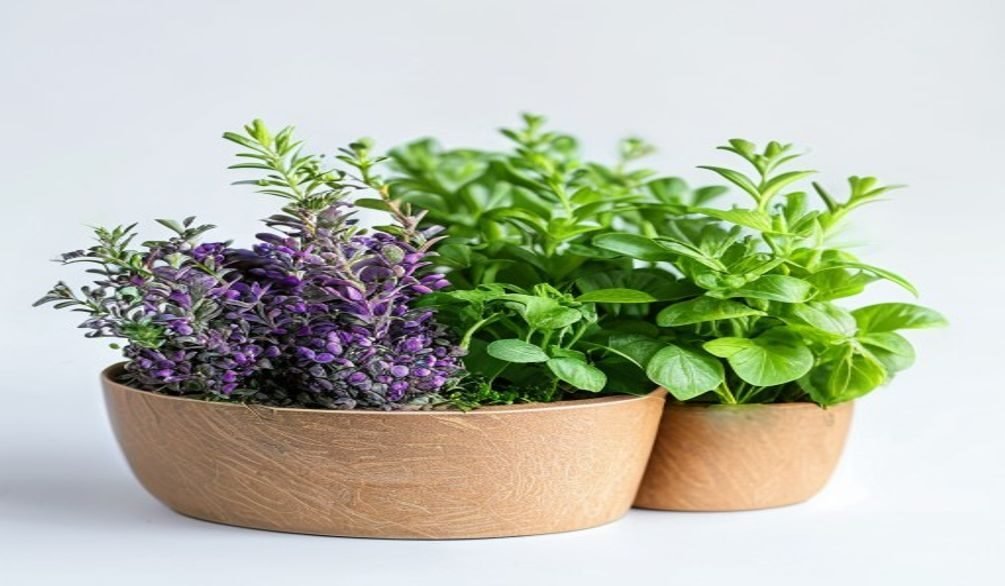
Herbs are powerhouse companion plants, offering a range of benefits from pest deterrence to attracting beneficial insects and even improving soil health. Integrating herbs into your orchard is a simple yet effective strategy for natural pest control and boosting overall tree vitality. Many of these can also be harvested for culinary or medicinal use, adding another layer of value to your garden. For tips on maximizing your herb harvest, explore pruning herbs for bushier growth.
- Chives: Excellent for apple trees, deterring aphids and helping to prevent fungal diseases like apple scab. Their strong scent confuses pests.
- Garlic: Repels a wide array of pests, including nematodes, aphids, and even peach tree borers. Its sulfur compounds have natural fungicidal properties.
- Basil: Known to improve the growth and flavor of nearby fruit trees, particularly peaches, while also deterring flies and mosquitoes.
- Dill: A magnet for beneficial insects such as parasitic wasps, ladybugs, and hoverflies, all of which prey on common fruit tree pests like aphids and apple maggots.
- Feverfew: Its strong aroma can deter various insect pests from your fruit trees.
- Mint (contained): While a vigorous spreader, mint can deter aphids and ants. Plant it in pots sunk into the ground to prevent it from taking over.
- Yarrow: Attracts beneficial insects and is known for its ability to improve soil health, acting as a dynamic accumulator of minerals.
What flowers are good for fruit trees?
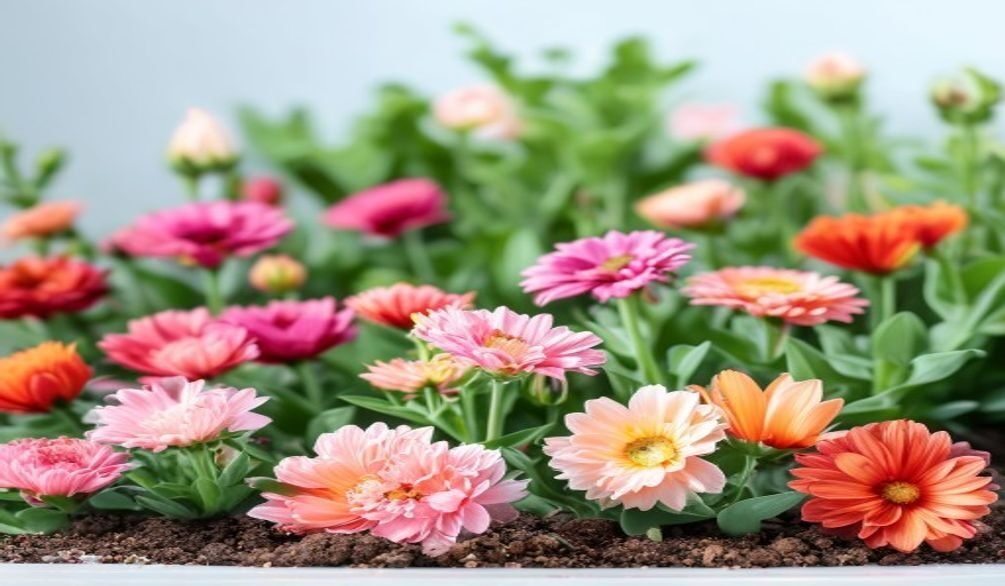
Beyond their beauty, flowers serve crucial roles in a healthy orchard ecosystem, primarily as pollinator attractors for orchards and pest repellent plants for fruit trees. Many also contribute to soil health and act as dynamic accumulators. Incorporating a diverse range of flowering plants creates a vibrant, resilient environment for your fruit trees. If you’re new to cultivating blooms, consider our guide on growing flowers from seed.
- Marigolds (especially French Marigolds): Renowned for their ability to repel nematodes in the soil, which can damage the roots of many fruit trees, including peaches and citrus.
- Borage: A fantastic pollinator attractor, especially for bees, which are vital for fruit set. Borage also acts as a dynamic accumulator, bringing up calcium and other minerals from deep in the soil, and its decaying leaves enrich the topsoil.
- Nasturtiums: Often used as a trap crop, luring aphids away from your fruit trees. They are also edible and add a peppery flavor to salads.
- Daffodils: Their bulbs are toxic to rodents like gophers and voles, providing a natural barrier against root damage. They can also deter fruit tree borers.
- Calendula: Attracts beneficial insects like hoverflies and ladybugs, which feast on aphids. It’s also known for its medicinal properties.
- Sunflower: Can provide shade for young trees and attract beneficial insects. However, ensure they don’t overshadow your fruit trees excessively.
- Yarrow: Attracts a wide range of beneficial insects, including predatory wasps and ladybugs. It’s also a deep-rooted dynamic accumulator, improving soil structure and nutrient availability. According to Utah State University Extension, these benefits like attracting pollinators and deterring pests are well-documented.
Long-term care and evolution of your fruit tree guild
A fruit tree guild is not a “plant it and forget it” system; it’s a living, evolving ecosystem that requires ongoing attention and adaptation. The true benefits of companion planting, particularly concerning soil health for fruit trees and robust pest resistance, often take several years to fully materialize. What most people miss is that a guild matures and changes, just like any natural environment.
In practice, this means regularly observing your plants and making adjustments. You might need to prune aggressive companions to prevent them from outcompeting your fruit tree, or replace annuals that have completed their life cycle. For instance, chopping and dropping dynamic accumulators like comfrey multiple times a season is crucial to release their stored nutrients into the topsoil. This continuous mulching process not only feeds your trees but also builds organic matter, enhancing the soil’s structure and water retention over time.
Monitor for signs of pest outbreaks or nutrient deficiencies, which might signal a need to introduce new companion plants or adjust existing ones. Remember, the goal is to create a self-sustaining system, but it’s one that benefits from your informed guidance. The long-term success of your orchard truly lies in understanding and responding to the dynamic interplay within your fruit tree guild.
Frequently Asked Questions
What should you not plant near fruit trees?
You should avoid planting species that are strong competitors for nutrients or water, or those that harbor diseases or pests harmful to fruit trees. Examples include black walnuts due to juglone toxicity, and vigorous feeders like potatoes or corn which can deplete essential resources. Additionally, avoid plants that attract specific pests that could then spread to your fruit trees.
What is a fruit tree guild?
A fruit tree guild is a permaculture concept where a central fruit tree is surrounded by a community of beneficial companion plants that support its health and productivity. This guild typically includes layers of plants that deter pests, attract pollinators, fix nitrogen, accumulate nutrients, and suppress weeds, creating a self-sustaining ecosystem. It’s a strategic fruit tree guild design aimed at enhancing the orchard’s overall resilience.
What herbs are good for fruit trees?
Many herbs are excellent companions for fruit trees, offering pest deterrence, attracting beneficial insects, and improving soil health. Chives and garlic are great for repelling aphids and borers, while basil can enhance peach tree growth. Dill attracts predatory wasps, and yarrow acts as a dynamic accumulator, making these versatile additions to your orchard ecosystem.
What flowers are good for fruit trees?
Flowers play a vital role in attracting pollinators and deterring pests, making them invaluable for fruit trees. Marigolds are effective against nematodes, borage attracts bees and enriches soil, and nasturtiums can act as a trap crop for aphids. Daffodils deter rodents, while calendula and yarrow bring in beneficial insects, all contributing to a healthier and more productive orchard.
Embracing companion planting for fruit trees is a powerful step towards a healthier, more resilient orchard. By understanding the specific needs of your trees and thoughtfully selecting their plant partners, you can create a thriving ecosystem that yields abundant, delicious fruit with less effort and fewer chemicals. Start experimenting with these best companion plants for fruit trees today, and watch your garden flourish.