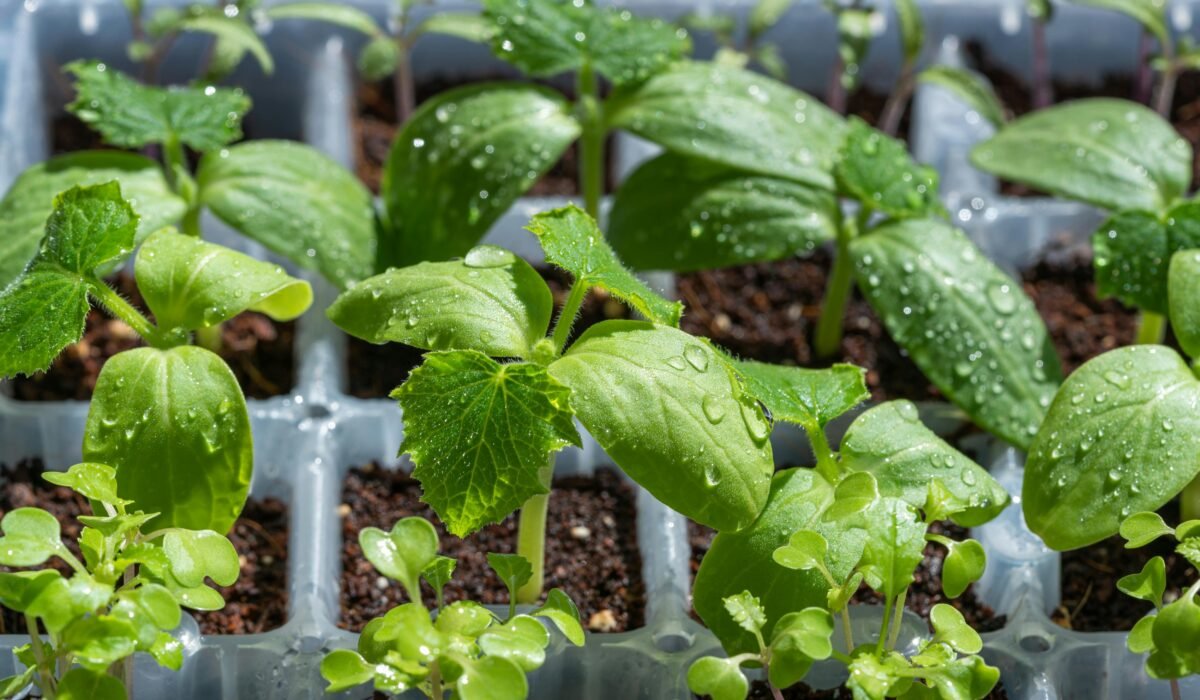
Seeing your young plants droop can be incredibly disheartening, leaving you wondering, “Why are my seedlings wilting? Causes and cures are what I need right now!” This common issue can quickly turn a promising start into a sad end for your garden dreams. This comprehensive guide will help you diagnose the problem, understand the underlying causes, and provide actionable solutions to revive wilting seedlings and prevent future problems, ensuring your plants thrive from the very beginning.
Why Are My Seedlings Wilting Suddenly? A Quick Diagnostic Guide
When your vibrant young plants unexpectedly sag, it’s a clear distress signal that demands immediate attention. Understanding why your seedlings are wilting suddenly is the first step toward saving them. Often, a rapid change in their environment or a sudden onset of disease can cause healthy seedlings to collapse overnight.
The key is to observe closely and act quickly, as early intervention significantly increases your chances of recovery. For instance, whether you’re seeing tomato seedlings wilting or delicate pepper seedlings struggling, the underlying cause is often one of a few common culprits. What most people miss is that the speed of onset can itself be a diagnostic clue.
Diagnostic Flowchart: Pinpointing Your Seedling’s Problem
Navigating the various reasons for wilting can feel overwhelming, especially for new gardeners. This simple diagnostic flowchart helps you systematically identify the most likely cause of your seedling’s distress. By answering a few questions, you can narrow down the possibilities and move towards an effective solution for your seedling care guide.
- Is the soil bone dry?
- Yes: Likely underwatering. Proceed to rehydration.
- No (soil is moist or wet): Move to the next question.
- Is the seedling collapsing at the soil line, appearing pinched or mushy?
- Yes: High probability of damping off disease. Immediate action needed.
- No: Move to the next question.
- Have you recently transplanted the seedling?
- Yes: Likely transplant shock. Ensure gentle handling and proper watering.
- No: Move to the next question.
- Are leaves yellowing, or is growth stunted, despite adequate watering?
- Yes: Consider nutrient deficiencies or soil problems.
- No: Move to the next question.
- Have there been recent drastic changes in temperature, light, or humidity?
- Yes: Environmental stress (temperature stress seedlings, light issues). Adjust conditions.
- No: Inspect closely for pests (tiny insects, webbing) or subtle signs of disease.
This step-by-step approach simplifies troubleshooting, helping you pinpoint the problem efficiently.
Common Causes: Overwatering, Underwatering & Damping Off Disease
These three issues are responsible for a significant percentage of seedling wilting, making them the first suspects to investigate. Correctly identifying which one is at play is crucial for successful intervention.
Overwatering: The Silent Killer
It’s a common misconception that more water is always better for plants. However, overwatering seedlings is a leading cause of wilting because it deprives roots of essential oxygen. When the soil is constantly saturated, air pockets disappear, leading to what’s known as hypoxia in the root zone.
As Natalie Hoidal, University of Minnesota Extension Educator, explains, “Epinasty occurs due to the generation of ethylene gas, which happens when the root zone becomes hypoxic (oxygen-limited) due to overwatering.” This oxygen deprivation suffocates the roots, causing them to rot and become unable to absorb water, even if it’s abundant. The leaves may appear dull and have a “rubbery” feel before they visibly wilt, as noted by the Mississippi State University Extension Service.
Underwatering: A Thirsty Problem
Conversely, simply not providing enough moisture will also cause your seedlings to wilt. If the soil is dry to the touch, and the seedling’s leaves look limp and crispy, a lack of water is the obvious culprit. Underwatering seedlings causes cells to lose turgor pressure, leading to a droopy appearance.
The good news is that underwatering is often the easiest problem to fix; a thorough but gentle watering can sometimes revive seemingly dead plants within hours. However, prolonged severe underwatering can cause irreversible damage to the delicate root hairs.
Damping Off Disease: A Fungal Foe
This dreaded disease is a nightmare for anyone starting seeds, often causing seedlings to wilt and collapse at the soil line seemingly overnight. Damping off is caused by several soil-borne fungi (like Pythium, Rhizoctonia, and Fusarium) that attack the stem at the point where it emerges from the soil. Kevin Espiritu of Epic Gardening warns that “Damping-off is a devastating fungal disease that can strike seedlings seemingly overnight, leaving behind a trail of wilted, collapsed stems.”
Crucially, he emphasizes that “there is no cure for damping off once it has started, nor are there fungicides available,” making damping off prevention paramount. This highlights why starting with DIY Indoor Plant Potting Mixes or specialized sterile seed-starting mixes is so important.
Environmental Stress: Light, Temperature & Humidity Issues Affecting Seedlings
Beyond watering, the surrounding environment plays a massive role in seedling health. Imbalances in light, temperature, or humidity can quickly lead to stress and wilting.
Light Levels: Too Much or Too Little
Seedlings need adequate light to photosynthesize and grow strong. Too little light often results in “leggy” seedlings that stretch towards a light source, making them weak and prone to wilting. On the other hand, excessive, intense light can also cause wilting as seedlings struggle to cope with the heat and rapid moisture loss, particularly if they haven’t been properly hardened off. Finding the “sweet spot” is critical for robust growth.
Temperature Stress: Hot & Cold Extremes
Seedlings are incredibly sensitive to temperature fluctuations. If your seedlings are wilting from heat, it’s likely due to their delicate leaves losing water faster than their roots can absorb it, especially in direct, scorching sunlight or near a heat vent. Conversely, cold temperatures can shock seedlings, slowing down metabolic processes and causing them to droop. Consistent, moderate temperatures, typically between 65-75°F (18-24°C), are ideal for most varieties.
Humidity: The Invisible Factor
Proper humidity is often overlooked but plays a vital role in preventing wilting. Very low humidity can cause seedlings to transpire (lose water through their leaves) too quickly, leading to dehydration and wilting, even if the soil is moist. High humidity, however, can promote fungal growth, including damping off. Maintaining a moderate humidity level, often achievable with a clear plastic dome over trays initially, helps seedlings retain moisture without encouraging disease.
Nutrient Deficiencies, Soil Problems & Pests Causing Wilting
Sometimes, the issue isn’t just about water or environment, but what’s happening within the soil or on the plant itself. These less obvious culprits can also cause your seedlings to wilt.
Nutrient Deficiencies: Hungry Roots
While seed starting mixes are usually low in nutrients to prevent “burning” delicate roots, prolonged growth in nutrient-poor conditions can lead to a seedling nutrient deficiency. Young plants need a balanced diet of macro and micronutrients for healthy development. Wilting can be a symptom of a lack of essential elements, as the plant struggles to perform vital functions. Data from WinField United shows that early protection and nutrient uptake, such as a 4.7 bushel per acre yield advantage with zinc seed treatment in corn, significantly contribute to overall plant vigor and resilience. Specialized products like Dr. JimZ Seedling Grow™ Seedling Fertilizer offer gentle foliar sprays to provide these nutrients without overwhelming young root systems.
Soil Problems: Beyond Water Retention
The quality of your soil or seed starting mix profoundly impacts seedling health. Poorly draining soil leads to the overwatering issues discussed earlier, while overly compacted soil can restrict root growth and oxygen flow. The wrong pH level can also “lock up” nutrients, making them unavailable to the plant even if present. Choosing the best soil for seedlings involves finding a light, well-draining, and consistent medium. Many gardeners find success with specialized seed starting mixes like Espoma Organic Premium Seed Starter or Purple Cow Organics All-Natural Seed Starter, which offer ideal texture and moisture retention. For those who prefer to mix their own, understanding DIY Indoor Plant Potting Mixes can be invaluable.
Pests & Diseases: Tiny Threats
Even tiny pests can wreak havoc on young seedlings. Common culprits like aphids, spider mites, or fungus gnats can suck the sap from leaves and stems, weakening the plant and causing it to wilt. Beyond damping off, other root-rot diseases caused by pathogens like Pythium spp., Fusarium root rot, and Rhizoctonia root rot are significant challenges that undermine seedling vigor. Companies like BASF and Syngenta offer advanced seed treatments, such as BASF’s Obvius® Fungicide Seed Treatment, to protect against these early-season diseases. Regular inspection and early intervention with DIY Organic Pest Control methods are crucial for preventing widespread damage.
Why Are My Seedlings Wilting After Transplanting? Solutions for Shock
One of the most common times for seedlings to wilt is immediately after moving them to a new location. This phenomenon, known as transplant shock, happens because the plant experiences a significant environmental change and often some root disturbance. Seedlings wilting after transplanting is a natural response as they adjust to their new home.
The roots, which are responsible for water uptake, can be damaged during the move, or the plant may struggle to adapt to different light, temperature, or humidity levels in its new environment. To mitigate this, always “harden off” your seedlings by gradually exposing them to outdoor conditions over a week or two before planting. Handle them gently to minimize root disturbance, and water them thoroughly immediately after transplanting to help settle the soil around their roots. Learning how to repot herbs or other plants correctly can significantly reduce this stress.
How to Revive Wilting Seedlings & Prevent Future Problems
Once you’ve diagnosed the cause, it’s time for action. Some wilting seedlings can be saved with prompt and appropriate care, while others may be too far gone.
Immediate Steps to Revive Wilting Seedlings
If your seedlings are wilting, try these steps to bring them back:
- Assess Moisture: If the soil is dry, gently water from the bottom or provide a light overhead watering. If the soil is soggy, stop watering immediately and allow the top inch to dry out. Increase air circulation.
- Adjust Environment: Move stressed seedlings away from direct drafts, intense sunlight, or cold windows. Ensure they are in their ideal temperature range.
- Improve Airflow: Gentle air circulation from a small fan can help strengthen stems, prevent fungal diseases like damping off, and aid in drying overly wet soil.
- Provide Humidity: If the air is very dry, a humidity dome or misting can help, but ensure good ventilation to avoid fungal issues.
- Inspect for Pests: Look closely for any tiny insects or signs of damage. Address any pest infestations promptly using organic methods.
Patience is key; it might take a few hours or even a day for them to perk up.
Proactive Prevention Strategies
The best cure is always prevention. Implementing a robust seedling care guide from the start will significantly reduce the chances of wilting.
- Use Sterile Seed Starting Mix: Always start seeds in a fresh, sterile mix to prevent damping off disease. Brands like Miracle-Gro Seed-Starting Potting Mix are popular for their fine texture and consistency.
- Monitor Watering Closely: Feel the soil daily. Water only when the top layer starts to feel dry, and avoid overwatering.
- Ensure Proper Drainage: Use trays with drainage holes and never let seedlings sit in standing water.
- Provide Adequate Light: Use grow lights for 12-16 hours a day, keeping them at the recommended distance (usually 2-4 inches above seedlings) to prevent leggy growth.
- Control Temperature & Humidity: Maintain consistent temperatures and use humidity domes initially, removing them once true leaves appear.
- Harden Off Seedlings: Gradually acclimate seedlings to outdoor conditions before transplanting to prevent transplant shock.
By focusing on these preventive measures, you establish a strong foundation for healthy, resilient plants.
Fostering a Healthy Soil Microbiome for Resilient Seedlings
Beyond sterile soil, cultivating a healthy soil microbiome is a powerful, yet often overlooked, strategy for preventing wilting and promoting vigorous growth. A diverse community of beneficial microorganisms—including bacteria, fungi, and protozoa—in the soil creates a living ecosystem that actively supports plant health.
These microbes help break down organic matter, making nutrients more available to your seedlings. They can also form symbiotic relationships with roots, enhancing water and nutrient uptake. Crucially, a robust microbiome can even suppress harmful pathogens that cause diseases like damping off, offering a natural form of protection against root-rot diseases. Using compost-based seed starting mixes, like Purple Cow Organics All-Natural Seed Starter, introduces these beneficial organisms from the outset. Over time, encouraging a healthy soil microbiome through organic practices contributes to overall plant resilience, helping your seedlings withstand various stressors and flourish.
Frequently Asked Questions
Why are my seedlings suddenly wilting?
Seedlings often wilt suddenly due to rapid environmental changes or acute issues like overwatering, underwatering, or damping off disease. Overwatering suffocates roots, while underwatering causes dehydration; both lead to wilting. Damping off is a fungal disease that causes the stem to collapse at the soil line.
Can overwatering cause wilting seedlings?
Yes, overwatering is a very common cause of wilting seedlings. When the soil remains saturated, it deprives the delicate roots of oxygen, leading to root rot and an inability to absorb water, even if it’s abundant. This oxygen deprivation causes the seedling to droop as if it’s thirsty.
Can underwatering cause wilting seedlings?
Absolutely, underwatering is another primary reason seedlings wilt. Without enough moisture, plant cells lose their turgor pressure, causing the leaves and stems to become limp and sag. Fortunately, if caught early, underwatering is often easily remedied by providing a thorough, gentle watering.
How do you revive wilting seedlings?
To revive wilting seedlings, first diagnose the cause. If dry, water thoroughly but gently. If soggy, stop watering and improve airflow. Adjust environmental factors like light and temperature to their ideal range, and check for pests. With prompt action and the right care, many wilting seedlings can recover.
Understanding why your seedlings are wilting, causes and cures, is a fundamental skill for any gardener. By learning to observe your plants, diagnose problems quickly, and implement both reactive solutions and proactive prevention strategies, you empower your seedlings to grow into strong, healthy plants. Embrace these insights, and watch your garden flourish from the ground up.