Discovering unwelcome visitors or mysterious spots on your beloved plants can be disheartening, but effectively troubleshooting common herb garden pests and diseases is well within your reach. This comprehensive guide will equip you with the knowledge to identify, treat, and prevent these issues, ensuring your culinary and medicinal herbs thrive organically.
What are the Most Common Herb Garden Pests?
Understanding which pests frequently target herbs is the first step in effective management. Many of these tiny invaders are sap-suckers or chewers, weakening your plants and sometimes transmitting diseases. Identifying herb plant problems quickly can prevent widespread infestations.
Aphids on Herbs
Aphids are tiny, pear-shaped insects that cluster on new growth and the undersides of leaves, sucking out plant sap. They excrete a sticky substance called honeydew, which can lead to sooty mold. You’ll often find them on basil, mint, and parsley. A 2026 survey of greenhouse growers indicated aphids are expected to be a significant concern.
Spider Mites
These minuscule arachnids are almost invisible to the naked eye, often detected by the fine webbing they spin on leaves. Spider mites thrive in hot, dry conditions, causing stippling (tiny yellow or white dots) on leaves, which eventually turn bronze and drop. Rosemary and thyme are particularly susceptible. If you’re seeing these signs, you might want to check out our guide on how to get rid of spider mites in your garden.
Whiteflies
Whiteflies are small, white, winged insects that fly up in a cloud when disturbed. They also feed on plant sap, causing yellowing and stunted growth, and leave behind honeydew. Basil and sage are common targets.
Caterpillars and Slugs
While larger, caterpillars and slugs can cause significant damage by chewing holes in leaves and stems. Slugs are often active at night, leaving slimy trails. Worms, including caterpillars, accounted for 17.5% of top pest issues in late 2024, according to a 2025 vegetable pest management survey.
How Do You Identify Common Herb Diseases?
Diseases in herbs are typically caused by fungi, bacteria, or viruses, often exacerbated by environmental conditions like too much moisture or poor air circulation. Recognizing the symptoms early is crucial for effective treatment.
Powdery Mildew on Herbs
This is one of the most common fungal diseases, appearing as a white, powdery coating on leaves and stems. It can stunt growth and reduce yields. Mint, basil, and sage are frequently affected. Powdery mildew consistently ranks as a top disease issue for growers, topping lists in 2025 and expected to be a bigger concern in 2026.
Root Rots and Damping-Off
Root rots cause wilting, yellowing leaves, and stunted growth, often despite adequate watering. The roots appear brown and mushy. Damping-off affects seedlings, causing them to collapse at the soil line. These are often soilborne diseases, with Pythium, Fusarium, and Rhizoctonia frequently mentioned as culprits. Overwatering is a primary cause; remember that watering vegetable garden best practices apply to herbs too.
Leaf Spots and Blights
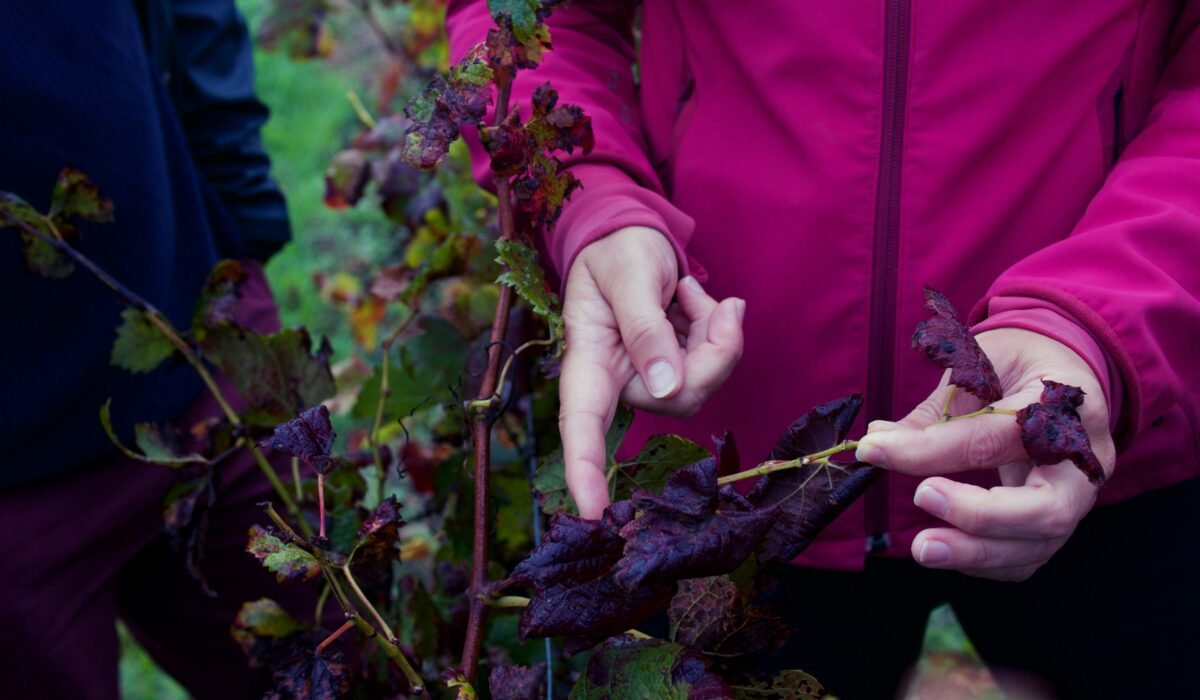
Various fungal or bacterial infections can cause dark spots, lesions, or blighted areas on leaves. These can spread rapidly, especially in humid conditions, leading to defoliation. Basil downy mildew, for example, causes yellow patches on the upper leaf surface and fuzzy gray spores underneath.
Natural Remedies: How to Get Rid of Pests on Herbs
When dealing with edible plants, using organic chemical-free herb garden solutions is paramount. Fortunately, several effective and safe pest control for edible plants methods exist. The short answer is to intervene early with non-toxic options.
Homemade Insecticidal Soap for Herbs
This simple solution is highly effective against soft-bodied pests like aphids, whiteflies, and spider mites. Mix 1-2 teaspoons of mild liquid soap (like Castile soap) with 1 quart of water. Spray thoroughly, ensuring coverage on the undersides of leaves. Always test on a small area first to ensure your herb doesn’t react negatively. Rinse the plants a few hours after application.
Neem Oil Spray
Derived from the neem tree, neem oil acts as an antifeedant, growth disruptor, and repellent for many pests, including aphids, whiteflies, and caterpillars. It also possesses antifungal properties. Mix according to package directions and apply every 7-10 days until the infestation is controlled. It’s a fantastic organic solution for herb diseases and pests.
Garlic and Hot Pepper Solutions
The Peace Corps provides recipes for homemade solutions using common ingredients like garlic and hot peppers. A garlic oil spray, made by steeping minced garlic in oil, then diluting with water and a touch of soap, can deter aphids, whiteflies, and spider mites. Hot pepper solutions work as a repellent due to capsaicin. These are excellent natural pest control for herbs.
Introducing Beneficial Insects for Herbs
This biological control method involves attracting or releasing natural predators into your garden. Ladybugs, lacewings, and predatory wasps feast on aphids, mites, and caterpillars. Planting flowers that attract these beneficial insects can create a self-sustaining pest management system.
Treating Common Herb Garden Diseases Organically
Organic solutions for herb diseases focus on using natural compounds and fostering a healthy plant environment. Timely action can prevent minor issues from becoming major problems.
Addressing Powdery Mildew
For powdery mildew on herbs, a solution of baking soda (1 teaspoon per quart of water with a few drops of mild soap) can be sprayed on affected leaves. Commercial organic fungicides, like Arber Organic Bio Fungicide (which uses beneficial bacteria like Bacillus amyloliquefaciens strain F727), are also effective. Earth’s Ally Disease Control, a citric acid-based product, is another option that treats powdery mildew and downy mildew. For specific issues like how to get rid of powdery mildew on mint, these methods work wonderfully.
Managing Root Rots and Damping-Off
The most effective treatment for root rots is prevention. Once established, they are hard to cure. For affected plants, improve drainage and reduce watering frequency. Remove severely affected plants to prevent spread. When repotting herbs, ensure good quality, well-draining soil. The University of Connecticut notes that “Herbs generally prefer a drier growing media… Drier growing conditions help prevent diseases such as root rots and Botrytis.”
Sanitation and Pruning
Remove and destroy any infected plant parts immediately to prevent the spread of spores or bacteria. Sterilize your pruning shears between cuts, especially if you suspect a disease. This simple act of sanitation is a powerful defense against many common herb garden pests and diseases.
Integrated Pest Management (IPM) for Your Herb Garden
Integrated Pest Management (IPM) for herbs is a holistic, long-term approach that combines various strategies to minimize pest and disease problems with the least possible hazard to people, property, and the environment. What most people miss is that IPM isn’t just about remedies; it’s a proactive mindset.
The DIY IPM Blueprint for Your Herb Garden
The University of Connecticut’s IPM program emphasizes that “High quality herbs can be grown by using regular monitoring, accurate problem identification, sound cultural practices, and timely implementation and evaluation of appropriate management strategies.” Here’s a practical plan:
- Monitoring: Regularly inspect your herbs (at least weekly) for early signs of pests or diseases. Look under leaves and check new growth. Early detection means easier treatment.
- Identification: Accurately identify the pest or disease. Different problems require different solutions. Oregon State University Extension Service offers valuable resources for diagnosing plant diseases.
- Thresholds: Understand when to intervene. A few aphids might be tolerable, but a rapidly growing population demands action.
- Cultural Controls: Optimize growing conditions. This includes proper watering, adequate light, good air circulation, and appropriate soil fertility. Fairfax County Master Gardeners recommend proper growing conditions, sanitation, and removal of weak or infected foliage as defenses.
- Biological Controls: Introduce or encourage beneficial insects.
- Physical/Mechanical Controls: Hand-picking larger pests, using sticky traps, or blasting aphids with a strong stream of water.
- Chemical Controls (Least Toxic First): If all else fails, use organic solutions like insecticidal soap or neem oil. Always choose safe pest control for edible plants.
Preventing Herb Garden Pests & Diseases: A Proactive Approach
Prevention will always be your best approach, as Tammi Hartung, author of *Homegrown Herbs*, wisely states. Proactive measures minimize the chances of your herbs succumbing to common issues, reducing the need for reactive treatments. This is key to a thriving, low-maintenance herb garden.
Strategic Companion Planting Herbs
Certain herbs and flowers can repel pests or attract beneficial insects. For example, chives repel aphids, deer, and carrot flies. Marigolds deter squash bugs and nematodes while attracting pollinators. Lavender repels mosquitoes and moths. This is a powerful form of natural pest control for herbs.
Optimal Growing Conditions
Healthy plants are more resistant to pests and diseases. Ensure your herbs receive adequate sunlight, well-draining soil, and proper watering. Avoid over-fertilizing with nitrogen, which can encourage lush, tender growth that attracts sap-sucking pests. For more on ensuring healthy growth, consider our article on why are my seedlings wilting, as similar principles apply to mature herbs.
Good Garden Hygiene
Keep your garden clean by removing plant debris, weeds, and diseased foliage. Weeds can harbor pests and diseases. Sterilize tools regularly, especially after working with infected plants. This simple practice significantly reduces the spread of problems.
Specific Herb Vulnerabilities & Resistant Varieties
While general advice is helpful, understanding the specific weaknesses of popular herbs can further refine your prevention and treatment strategies. Not all herbs are created equal when it comes to resilience against common herb garden pests and diseases.
Basil: Downy Mildew & Japanese Beetles
Basil is particularly susceptible to downy mildew, which causes yellowing and fuzzy gray spores. Look for resistant varieties like ‘Prospera DMR’ or ‘Rutgers Devotion DMR’. Japanese beetles are also a common pest, skeletonizing leaves. Hand-picking is often the best organic solution.
Mint: Powdery Mildew & Rust
Mint, especially in humid conditions, can suffer from powdery mildew and mint rust, characterized by orange-brown pustules on the undersides of leaves. Ensuring good air circulation and avoiding overhead watering helps. Consider varieties like ‘Mojito’ mint, which shows some resistance to rust.
Rosemary: Spider Mites & Root Rot
Rosemary prefers dry, well-draining conditions. Overwatering can quickly lead to root rot. In hot, dry climates, spider mites can be a persistent issue. Varieties like ‘Arp’ rosemary are known for their hardiness and disease resistance. Preventing aphids on rosemary is also a common concern, often addressed by strong water sprays.
Parsley & Cilantro: Aphids & Leaf Miners
These leafy herbs are a favorite of aphids and leaf miners, which create winding tunnels within the leaves. Regular inspection and prompt removal of affected leaves are crucial. Companion planting with chives can help deter aphids.
Seasonal Troubleshooting for Your Herb Garden
Pest and disease pressures often fluctuate with the seasons, making seasonal troubleshooting an essential part of maintaining a healthy herb garden. A truly expert gardener adapts their strategies throughout the year.
Spring: New Growth, New Vulnerabilities
As temperatures rise and new, tender growth emerges, aphids and other sap-suckers become more active. Monitor young plants closely. This is an ideal time for companion planting and introducing beneficial insects to establish a strong defense. Ensure proper drainage as spring rains can exacerbate root rot issues for newly planted herbs.
Summer: Heat Stress & Dry-Loving Pests
Hot, dry conditions favor spider mites. Increase monitoring during heatwaves, especially for rosemary and thyme. Conversely, high humidity combined with heat can accelerate fungal diseases like powdery mildew. Ensure good air circulation and avoid overhead watering in the evenings. Proper watering techniques are critical; consider our guide on watering vegetable garden best practices.
Fall: Preparing for Dormancy & Overwintering Pests
As the growing season winds down, remove any dead or diseased plant material to prevent pests and pathogens from overwintering. This is also a good time to assess soil health and prepare for the next season. Some pests may seek shelter in garden debris.
Winter: Indoor Challenges & Dormant Threats
If you bring herbs indoors, be vigilant for common indoor pests like spider mites and whiteflies, which thrive in dry indoor air. Maintain humidity around indoor plants and inspect them frequently. For outdoor herbs, ensuring good drainage is key to preventing root rot during wet, cold periods. How to repot herbs correctly can be vital for winter survival indoors.
Frequently Asked Questions
How do you get rid of pests on herbs naturally?
To naturally eliminate pests on herbs, start with physical removal like hand-picking or a strong water spray. Follow up with homemade insecticidal soap or neem oil applications, which are safe for edible plants. Encouraging beneficial insects through companion planting or release is also a highly effective long-term strategy.
What is the most common disease in herbs?
The most common disease affecting herbs is often powdery mildew, which appears as a white, powdery coating on leaves. Root rots are also highly prevalent, especially in overwatered or poorly drained conditions. These fungal diseases thrive in specific environmental conditions that can often be managed with good cultural practices.
How do I keep bugs off my outdoor herbs?
Keeping bugs off outdoor herbs involves a multi-faceted approach: regular monitoring, good garden hygiene (removing weeds and debris), companion planting with repellent herbs like chives or marigolds, and establishing beneficial insect populations. If pests appear, use organic solutions like insecticidal soap or neem oil as a first line of defense.
How do you get rid of powdery mildew on herbs?
To get rid of powdery mildew on herbs, improve air circulation around plants and avoid overhead watering, especially in the evening. Apply an organic fungicide, such as a baking soda solution (1 tsp baking soda, 1 quart water, few drops soap) or a neem oil spray. Commercial organic bio-fungicides containing beneficial bacteria are also highly effective.
Mastering the art of troubleshooting herb garden pests and diseases is a journey of observation, learning, and proactive care. By implementing these expert-backed strategies, from diligent monitoring to embracing organic solutions and understanding seasonal vulnerabilities, you can cultivate a resilient, thriving herb garden. Don’t let pests or diseases deter you; instead, use this guide as your blueprint for success, ensuring your fresh herbs are always ready for harvest. Take action today to protect your green treasures!