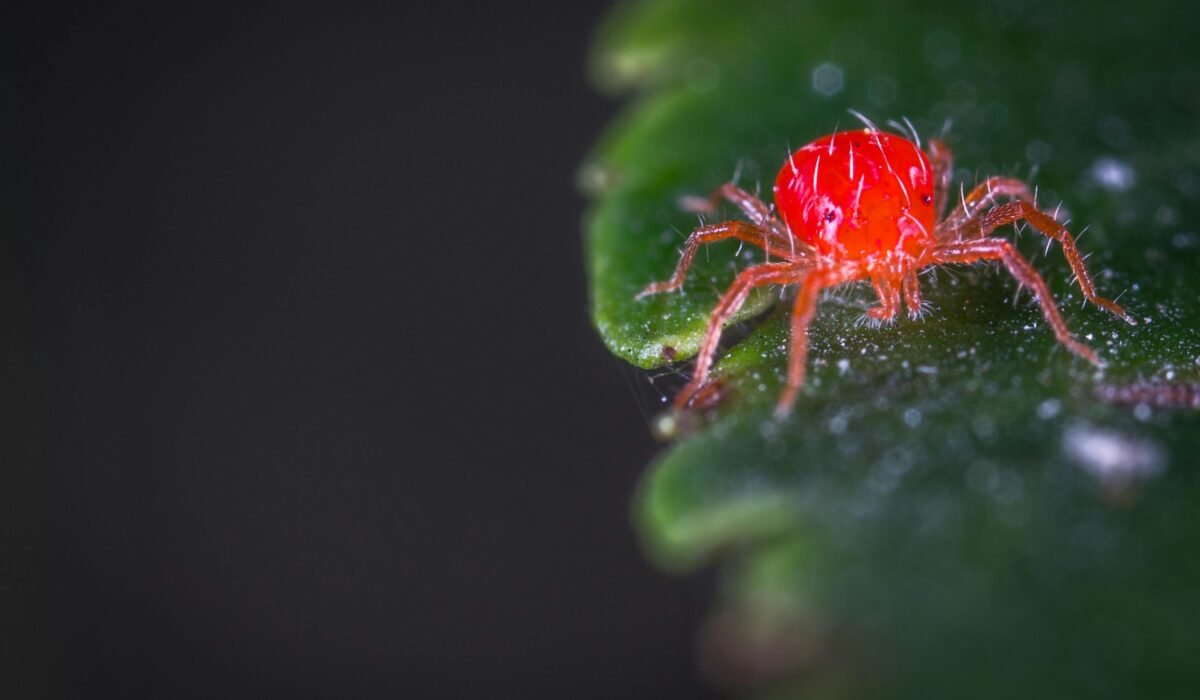
Are you wondering how to get rid of spider mites in your garden before they decimate your beloved plants? These microscopic pests can quickly turn a thriving green space into a struggling one, but with the right knowledge, you can effectively identify, prevent, and eradicate them. This comprehensive guide will equip you with expert strategies to protect your garden from these persistent arachnids.
What are Spider Mites and Why Are They a Problem?
Spider mites are not insects, but rather tiny arachnids closely related to spiders and ticks, belonging to the family Tetranychidae. These minuscule garden invaders, often no larger than a pinpoint, typically range in color from red and green to yellow or brown, making them incredibly difficult to spot with the naked eye.
What most people miss is just how quickly these tiny pests can go from a minor nuisance to a full-blown crisis. Their rapid spider mite life cycle, which can be as short as five days in warm conditions, allows for multiple generations to emerge within a single growing season. This exponential reproduction rate means a small initial infestation can explode into a severe problem in a matter of weeks, causing significant spider mite damage.
Spider mites are sap-suckers, using their piercing mouthparts to feed on the chlorophyll-rich cells of plant leaves. This feeding habit stresses plants, interfering with photosynthesis and overall vitality. Without intervention, they can defoliate plants, stunt growth, and even lead to the death of vulnerable specimens, making prompt action crucial for garden health.
How to Identify Spider Mites and Their Damage
Early spider mite identification is your best defense against widespread destruction. Because of their minute size, a magnifying glass or jeweler’s loupe can be an invaluable tool for spotting these pests before their numbers become overwhelming.
Visual Identification of Spider Mites
To confirm their presence, hold a white piece of paper under a suspect leaf and gently tap the leaf. If tiny specks fall onto the paper and begin to crawl around, you’ve likely found spider mites. You might also notice their characteristic fine, silken webbing, especially on the undersides of leaves or between stems, which gives them their name.
This webbing is a definitive sign of spider mites, though it typically appears when an infestation is already well-established. Different species of spider mites can vary in appearance, but their common thread is their size and the tell-tale webs they spin.
Signs of Spider Mite Damage
The earliest spider mite identification symptoms are often seen on the leaves. Look for tiny, pale yellow, white, or silvery dots, known as stippling, on the upper surfaces of leaves. This damage occurs as the mites extract chlorophyll from the plant cells.
As the infestation progresses, leaves may begin to turn yellow, bronze, or brown, eventually curling, drying out, and dropping prematurely. In practice, by the time you see significant webbing and widespread leaf discoloration, the infestation is already quite advanced, and your plants are under severe stress. Regular inspection, particularly of the undersides of leaves, is key to catching them early.
What Causes Spider Mites in Your Garden?
Understanding the conditions that favor spider mites can help you disrupt their life cycle and prevent future outbreaks. Here’s the thing about spider mites: they thrive on neglect and imbalance, often exploiting environmental stressors that weaken your plants.
Dry, dusty conditions are a primary culprit. Spider mites prefer hot, arid environments and often proliferate during periods of drought or in dusty areas of the garden. Lack of humidity makes plants more susceptible and creates an ideal breeding ground for these pests.
Stressed plants are an open invitation. Plants that are already weakened by improper watering (both under and over), nutrient deficiencies, or other diseases are less able to defend themselves against pest attacks. A healthy, vigorous plant is naturally more resistant.
Another significant factor is the lack of natural predators. Overuse of broad-spectrum pesticides can eliminate beneficial insects that naturally prey on spider mites, such as ladybugs, lacewings, and predatory mites, leaving a vacuum for spider mites to multiply unchecked. Introducing new plants without proper inspection can also inadvertently introduce spider mites into your garden, allowing them to establish a foothold.
Effective Ways to Prevent Spider Mites
Preventing spider mite infestations is far easier than eradicating an established one. A proactive approach focuses on creating a healthy garden ecosystem that naturally deters these pests. This is truly the best way to prevent spider mites naturally.
Cultural Practices to Deter Mites
Regular watering is paramount, especially during dry spells. Misting plants, particularly the undersides of leaves, can help increase humidity and dislodge mites, making the environment less hospitable for them. Ensure your plants receive adequate water to keep them robust and less susceptible to stress.
Maintaining overall plant health through proper fertilization, adequate light, and good air circulation also strengthens their natural defenses. Regularly inspect your plants, paying close attention to new growth and the undersides of leaves, to catch any early signs of infestation. Promptly remove any heavily infested leaves or plants to prevent spread.
Biological Prevention with Beneficial Insects
The short answer is, a healthy ecosystem is your best defense. Encouraging and introducing beneficial insects for spider mites is an incredibly effective strategy. Predatory mites (e.g., Phytoseiulus persimilis) are specialized predators that feed exclusively on spider mites and can be purchased and released into your garden.
Ladybugs, lacewing larvae, and minute pirate bugs also feast on spider mites and their eggs. You can attract these helpful allies by planting a diverse range of flowering plants that provide nectar and pollen, or by intentionally releasing them. Learn more about cultivating a pest-resistant garden by reading our guide on Attracting Beneficial Insects: Organic Garden Pest Prevention.
How to Get Rid of Spider Mites: Organic & Natural Methods
When prevention isn’t enough, organic and natural methods offer effective ways to how to get rid of spider mites in garden without resorting to harsh chemicals. Many gardeners jump straight to chemicals, but often, the most effective long-term solutions are found in nature, promoting a healthier garden overall.
Manual Removal and Water Blasting
For minor infestations or as a first line of attack, a strong stream of water can dislodge spider mites from your plants. Focus on the undersides of leaves where they tend to congregate. Repeat this every few days until the infestation subsides. For delicate plants, gently wipe leaves with a damp cloth to remove mites and their webbing.
Organic Sprays & Treatments
Several natural solutions provide excellent natural spider mite control and are safe for use around food crops and pets.
- Neem Oil: A powerful botanical insecticide, neem oil for spider mites works as an anti-feedant, growth disruptor, and repellent. Mix cold-pressed neem oil with water and a small amount of mild liquid soap (as an emulsifier) according to package directions. Spray thoroughly, ensuring complete coverage of all plant surfaces, especially leaf undersides. Reapply every 5-7 days until the infestation is gone.
- Insecticidal Soap: These soaps work by suffocating mites and disrupting their cell membranes. Look for brands like Safer Brand Insecticidal Soap. Mix and apply as directed, ensuring good coverage. This is a great option for organic spider mite treatment.
- Homemade Spider Mite Spray: A simple yet effective homemade spider mite spray can be made by mixing 1-2 teaspoons of mild dish soap (avoid detergents with degreasers) per gallon of water. Spray plants thoroughly, again focusing on the undersides of leaves. Always test on a small area first to ensure no plant damage.
- Essential Oils: Some essential oils, like peppermint, rosemary, and eucalyptus, have shown repellent properties against spider mites. Dilute a few drops in water with a small amount of soap and spray cautiously. Always research plant compatibility and dilution rates before widespread application.
These natural remedies for spider mites are highly effective for spider mite control organic, but consistency is key. You’ll need to reapply regularly to target newly hatched mites and break their rapid life cycle.
Chemical Control for Stubborn Spider Mite Infestations
While organic methods are often preferred, sometimes a severe or persistent infestation requires a more aggressive approach. Using chemical controls is a last resort, and it requires precision to be effective without causing more harm than good. When considering chemical intervention, it’s crucial to select products specifically designed to target mites.
These specialized pesticides are called miticides (or acaricides), and they are formulated to kill mites without necessarily harming beneficial insects as much as broad-spectrum insecticides might. Look for active ingredients such as spiromesifen, abamectin, or bifenthrin, which are common in effective miticides. When seeking the best spider mite killer, remember that effectiveness often depends on the specific mite species and resistance levels in your area.
Always read and follow product labels meticulously, paying attention to application rates, safety precautions, and re-entry intervals. Rotate different types of miticides if you need to apply them multiple times; this helps prevent mites from developing resistance to a single chemical. Be aware that even miticides can harm beneficial insects, so use them judiciously and only when necessary to protect your garden from severe damage.
When to Call in Professional Pest Control?
For most home gardeners, the organic and chemical methods outlined above are sufficient to manage spider mite problems. However, there are instances when calling in professional pest control is the wisest course of action. Knowing when to call in the cavalry isn’t a sign of defeat, but rather smart garden management, especially when significant investments or emotional attachments are involved.
Consider professional help if you have a large, established garden with many valuable plants at risk, or if you’re dealing with a particularly stubborn, widespread infestation that repeatedly returns despite your best efforts. Professionals have access to stronger, more targeted treatments and specialized equipment that may not be available to the average homeowner.
Furthermore, if you lack the time, expertise, or physical ability to consistently apply treatments, a professional service can provide the ongoing management needed to eradicate and prevent future outbreaks. They can accurately identify the specific mite species and tailor a treatment plan that considers your garden’s unique ecosystem, ensuring effective and safe eradication.
Frequently Asked Questions
Can spider mites spread to other plants easily?
Yes, spider mites can spread very easily to other plants. They are tiny and can be carried by wind, on gardening tools, on clothing, or by animals moving between plants. Their rapid reproduction cycle means that a small infestation on one plant can quickly become a problem for neighboring plants if not addressed promptly.
How fast do spider mites spread and reproduce?
Spider mites spread and reproduce incredibly fast, especially in warm, dry conditions. Their life cycle from egg to adult can be completed in as little as 5-7 days, allowing multiple generations to emerge within a single growing season. This rapid turnover means populations can explode exponentially, turning a minor issue into a severe infestation in just a couple of weeks.
Is neem oil safe for all garden plants?
Neem oil is generally considered safe for most garden plants, including edibles, when used according to label directions. However, some delicate plants or plants under stress can be sensitive to neem oil, especially if applied in direct sunlight or at high concentrations. Always perform a patch test on a small, inconspicuous area of the plant and wait 24-48 hours before treating the entire plant to check for adverse reactions.
What are the first signs of spider mites on plants?
The very first signs of spider mites on plants are usually tiny, pale yellow or white speckles, known as stippling, on the upper surfaces of leaves. These dots are where the mites have sucked out chlorophyll. Upon closer inspection, you might also see tiny moving dots on the undersides of leaves, or fine, almost invisible webbing, indicating their presence.
Don’t let spider mites take over your garden. By understanding their habits, identifying them early, and applying the right prevention and eradication strategies, you can maintain a thriving and healthy outdoor space. Start implementing these expert strategies today and reclaim your garden from spider mites, ensuring your plants flourish all season long!