Are your berry bushes producing fewer fruits each year, or smaller, less flavorful ones? The secret to transforming your harvest lies in understanding the art of pruning berry bushes for abundant fruit. This guide will walk you through the essential techniques to ensure your plants are vigorous, healthy, and overflowing with delicious berries season after season.
Why Pruning Berry Bushes is Crucial for Abundant Fruit
Many new gardeners overlook pruning, viewing it as a daunting task, but it’s arguably the single most important practice for maximizing your berry harvest. Pruning redirects the plant’s energy from producing excessive foliage or weak canes to developing robust, fruit-bearing wood. This strategic removal of select branches ensures that the plant’s resources are channeled efficiently, leading to larger, sweeter, and more numerous berries.
Beyond just quantity, pruning significantly impacts fruit size berry bushes produce and overall berry plant health. Research published in *HortScience* on highbush blueberry cultivars ‘Berkeley’ and ‘Bluecrop’ showed that while un-pruned plants might have a greater total yield, they produced berries that were 19% to 27% smaller. This highlights a clear trade-off: conventional pruning leads to significantly larger, higher-quality fruit. Furthermore, proper pruning improves air circulation within the bush, which is a critical factor in disease prevention berry bushes. It reduces humidity around leaves and fruit, making it harder for fungal diseases to take hold. As Jeremy DeLisle, a fruit and vegetable production specialist for UNH Extension, wisely states, “We often say, ‘The worst pruning cuts are the ones we don’t make,’ meaning that regular, annual pruning is critical to maintaining healthy, productive plants.”
When to Prune Berry Bushes: Seasonal Guide
Knowing *when* to prune is as important as knowing *how*. The general rule for most berry bushes is to perform dormant pruning berry bushes during late winter or early spring, before new growth begins. This timing minimizes stress on the plant and allows you to clearly see the plant’s structure without leaves.
However, the specific timing can vary depending on the berry type and whether it fruits on primocanes (first-year canes) or floricanes (second-year canes). For instance, summer-bearing raspberries are pruned differently from everbearing varieties. What most people miss is that pruning isn’t a one-time annual event for all berries; some require attention immediately after harvest. This seasonal guide ensures you hit the optimal window for each berry type, supporting vigorous growth and plentiful fruit.
Essential Tools for Effective Berry Bush Pruning
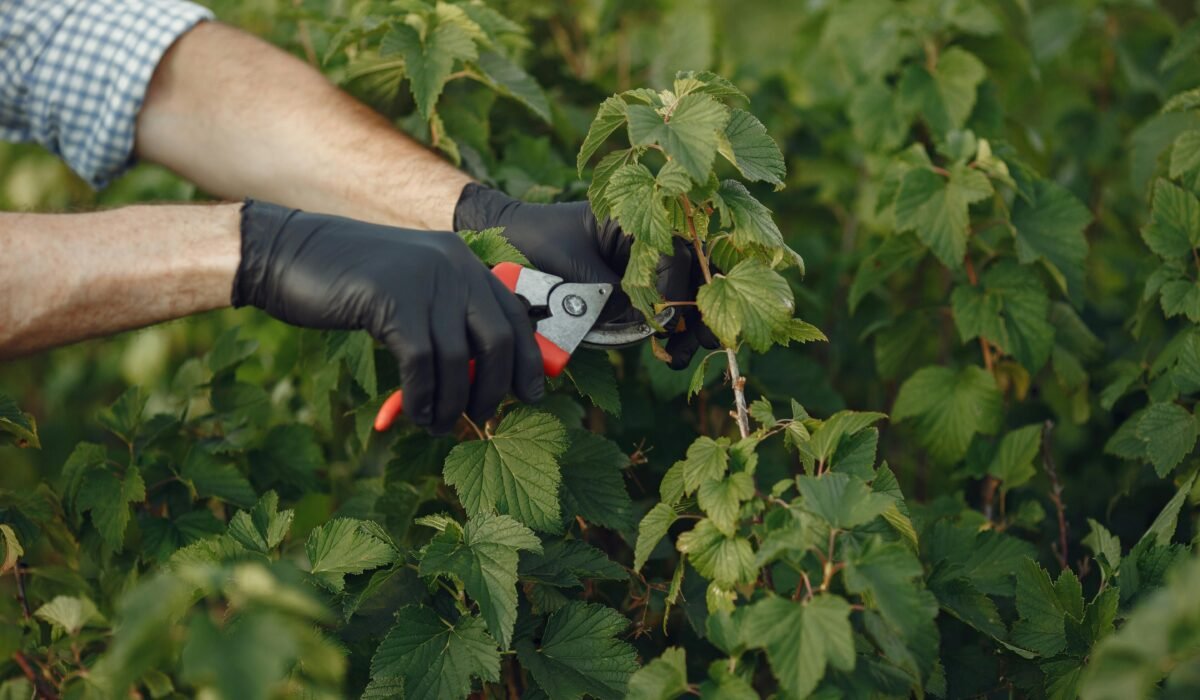
Having the right gear makes all the difference when you’re tackling your berry patch. Using sharp, clean tools not only makes the job easier but also ensures clean cuts that heal quickly, preventing disease entry points. Investing in quality pruning tools for berry bushes is a smart move for any serious gardener.
Here’s a basic toolkit you’ll need:
- Hand Pruners (Bypass or Anvil): Ideal for smaller canes, up to about 1/2 inch thick. Bypass pruners offer a cleaner cut, like scissors, which is generally preferred for living wood.
- Loppers: For thicker canes, up to 1 1/2 inches in diameter. Their long handles provide extra leverage, making cuts through tougher wood much easier.
- Pruning Saw: Essential for very thick, old canes that loppers can’t handle. A folding saw is often convenient for storage and safety.
- Heavy-Duty Gloves: Protect your hands from thorns (especially with blackberries and some raspberries) and sap.
- Rubbing Alcohol or Bleach Solution: Crucial for sanitizing your tools between plants, or even between cuts on a diseased plant, to prevent the spread of pathogens.
Always ensure your tools are sharp and clean. Dull blades can crush stems, leaving jagged wounds that are slow to heal and susceptible to disease.
How to Prune Specific Berry Bushes for Maximum Yield
The true art of pruning berry bushes for abundant fruit lies in understanding the unique fruiting habits of each type. Pruning isn’t a one-size-fits-all approach; what works for a blueberry won’t work for a raspberry. This tailored approach ensures you’re encouraging the right kind of growth for peak production.
How to Prune Blueberry Bushes for Best Fruit
Blueberries are unique because they produce fruit on wood that grew the previous year. For young plants (under 3 years), minimal pruning beyond removing dead, damaged, or weak growth is best. The goal is to establish a strong framework.
For mature plants, annual blueberry pruning techniques are crucial. A 6-year trial on ‘Legacy’ highbush blueberry in western Oregon found that recommended pruning methods increased yield to 9.3 kg/plant compared to other methods, confirming the importance of consistent care. Here’s how:
- Remove Oldest Canes: Each winter, identify 2-3 of the oldest, thickest, and least productive canes (often gray and gnarled). Cut these back to the ground. This encourages new, vigorous growth from the base.
- Thin Out Weaker Canes: Remove any weak, twiggy growth, especially around the base, that isn’t likely to produce good fruit.
- Open the Center: Remove any crossing branches or those growing inwards to improve light penetration and air circulation. Aim for an open, vase-like shape.
- Tip Pruning: Lightly prune back the tips of some remaining canes to encourage branching and more fruiting wood, but avoid heavy heading cuts that can stimulate excessive vegetative growth.
When to Prune Raspberries for Maximum Yield
Raspberries, or caneberries, are primarily pruned based on their fruiting habit: summer-bearing (floricane-fruiting) or everbearing (primocane-fruiting). Understanding primocane vs floricane pruning is key here.
Summer-Bearing Raspberries (Floricane-fruiting)
These varieties produce fruit on floricanes (second-year canes) in the summer.
- After Harvest: Immediately after the summer harvest, cut all floricanes that have just fruited back to the ground. These canes will die anyway, and removing them directs energy to new primocanes.
- Late Winter/Early Spring: Thin primocanes, leaving 6-8 of the strongest canes per foot of row. Remove weak, damaged, or diseased canes. You can also tip back remaining primocanes by about 1/4 to encourage lateral branching.
This raspberry pruning schedule ensures robust canes for the next season.
Everbearing Raspberries (Primocane-fruiting)
These varieties fruit on primocanes (first-year canes) in the fall, and sometimes again on those same canes (now floricanes) the following summer.
- Single Fall Crop: For a single, larger fall crop, simply cut all canes back to the ground in late winter/early spring before new growth appears. This is the easiest method and often yields the best fall harvest.
- Two Smaller Crops (Summer & Fall): After the fall harvest, remove only the fruited tips of the primocanes. The following summer, these canes (now floricanes) will produce a summer crop. After their summer crop, cut these floricanes back to the ground.
Annual pruning of raspberry bushes is essential for high quality fruit production, as emphasized by OSU Extension for caneberries.
Blackberry Pruning Primocane vs Floricane
Like raspberries, blackberries are pruned based on their fruiting habit. Many thornless, semi-erect varieties, such as those grown by Fort Vannoy Farms in Oregon, are floricane-fruiting and benefit from dormant season pruning.
Floricane-fruiting Blackberries (Most Common)
These fruit on second-year canes (floricanes).
- After Harvest: Cut floricanes that have finished fruiting back to the ground.
- Late Winter/Early Spring: Thin primocanes, leaving 4-6 strong canes per foot of row. Tip primocanes when they reach about 3-5 feet tall to encourage lateral branching. Remove any weak, crossing, or diseased canes.
- Lateral Pruning: Shorten lateral branches to 12-18 inches to encourage more fruiting spurs.
For trailing or semi-erect blackberries, trellising is highly recommended to manage canes, improve airflow, and make harvesting easier. Consider a simple two-wire trellis to keep your patch manageable and productive. You might find more ideas for improving vertical growth in your garden by exploring vertical garden trellis ideas.
What Happens If You Don’t Prune Berry Bushes?
Ignoring your berry bushes might seem like less work, but it quickly leads to a tangled, unproductive mess. Without regular pruning, several detrimental outcomes are almost guaranteed. Firstly, you’ll experience a significant reduction in fruit production and quality. The plant’s energy will be spread thin across too many canes, many of which are old, weak, or unproductive, resulting in smaller, less flavorful berries – if any at all.
Secondly, unpruned bushes become dense and overgrown, severely limiting air circulation and sunlight penetration. This creates a perfect breeding ground for pests and diseases, turning your potential harvest into a health hazard for the plant itself. University extension services consistently advise that “Pruning yearly means maintaining a vigorous, healthy plant that produces loads of big juicy berries!” Without it, your plants become more susceptible to fungal infections and insect infestations. Finally, an overgrown bush is much harder to harvest from, with canes tangling and fruit often hidden or inaccessible.
Renovating Overgrown Berry Bushes
If you’ve inherited an old berry patch or simply let your bushes get out of hand, don’t despair! Renovating old berry bushes is entirely possible, though it might take a season or two to bring them back to peak production. This process is more aggressive than routine maintenance pruning, but it’s often the only way to restore vigor and yield.
The key to successfully renovating overgrown berry bushes is a strategic, multi-year approach rather than a single drastic cut. Start by removing all dead, diseased, or damaged canes. Then, identify the oldest, thickest, and least productive canes – these often have rough bark and few fruiting spurs. Cut these back to the ground using loppers or a pruning saw. Aim to remove about one-third of the total canes in the first year, focusing on the oldest growth. The goal is to open up the bush, allowing light and air to penetrate, and to stimulate new, productive growth from the base. Continue this process over two to three dormant seasons, gradually removing old wood and shaping the bush. Remember to sanitize your tools frequently, especially when dealing with potentially diseased wood.
Beyond the Basics: Advanced Pruning Tips & Troubleshooting
Once you’ve mastered the foundational techniques, you can fine-tune your approach to truly optimize your berry harvest. Advanced pruning often involves subtle adjustments that consider your specific growing conditions and plant responses. For instance, the severity of your pruning can directly impact fruit weight and volume; for other fruit trees like ‘Valencia’ orange, a 75% pruning severity resulted in significantly higher fruit weight and total yield compared to less severe pruning. While not a direct comparison, it illustrates how strategic removal can concentrate energy for better fruit.
One common challenge is managing suckers, especially with raspberries and blackberries. These are new shoots that emerge from the roots away from the main plant. While some suckers can be allowed to grow to replace old canes, excessive suckers can create a dense, unproductive thicket. Regularly remove unwanted suckers by cutting them below the soil line to maintain an organized patch and focus the plant’s energy on desired canes. Another tip is to consider trellising for brambles; this not only makes harvesting easier but also improves airflow and sunlight exposure, further aiding in disease prevention berry bushes. For instance, Fort Vannoy Farms annually prunes their thornless blackberry varieties during the dormant season and trellises them to maintain plant integrity and concentrate energy for bigger, better-tasting fruit.
Frequently Asked Questions
Why do you prune berry bushes?
You prune berry bushes primarily to increase fruit production, improve fruit quality (size and flavor), and maintain overall plant health. Pruning redirects the plant’s energy to developing robust, fruit-bearing wood and improves air circulation, which is crucial for disease prevention. It also makes harvesting easier and keeps the plant vigorous for years.
What happens if you don’t prune berry bushes?
If you don’t prune berry bushes, they will become overgrown, tangled, and less productive. The plant’s energy will be wasted on too many weak canes, leading to smaller, fewer, and less flavorful fruits. Unpruned bushes also suffer from poor air circulation, making them highly susceptible to pests and fungal diseases.
What month do you prune berry bushes?
The best month for pruning berry bushes generally depends on the berry type and your climate, but late winter to early spring (typically February to April in many regions) is ideal for dormant pruning. This is before new growth begins, allowing you to clearly see the plant’s structure. Some berries, like summer-bearing raspberries and blackberries, also require pruning immediately after their summer harvest.
How do you prune overgrown berry bushes?
To prune overgrown berry bushes, begin by removing all dead, diseased, or damaged canes back to the ground. Then, identify and remove the oldest, thickest, and least productive canes, cutting about one-third of the total canes to the ground over one to two dormant seasons. This gradual renovation process opens up the bush, stimulates new growth, and restores vigor without shocking the plant.
Mastering the art of pruning berry bushes for abundant fruit is a skill that pays dividends in your garden. By understanding the specific needs of each berry type and consistently applying these techniques, you’re not just cutting branches; you’re cultivating health, vigor, and an incredible harvest. Don’t be afraid to make those cuts – your plants, and your taste buds, will thank you. Get out there this dormant season and give your berry bushes the attention they deserve!