Tired of sprawling plants taking over your garden, or wishing you could grow more in a small space? Exploring vertical garden trellis ideas is the game-changer you need to maximize your yield and transform your gardening experience. This guide will walk you through building and optimizing resilient, sustainable trellis systems that support your climbing plants upwards, ensuring bountiful harvests and a stunning garden for years to come.
Why Use Vertical Garden Trellises for Climbing Plants?
Vertical garden trellises are much more than just decorative garden structures; they are essential tools for efficient and healthy plant growth. By directing climbing plants upwards, you unlock significant advantages, especially for small space gardening solutions. This method effectively transforms square footage into vertical square footage.
One of the biggest benefits is increased yield in limited areas. As Texas A&M AgriLife Extension notes, while vine crops might typically be planted 4 feet apart, vertical gardening allows for closer spacing, often 2-3 feet apart, optimizing every inch. This density means more food from the same footprint.
Beyond space, vertical trellises offer crucial plant health benefits. The Virginia Cooperative Extension highlights that getting plants off the ground minimizes pest problems and improves airflow, which can significantly reduce disease issues. Nebraska Extension in Lancaster County echoes this, emphasizing better air circulation and easier inspection for insects.
Types of Vertical Garden Trellis Systems for Every Space
Choosing the right vertical garden trellis ideas depends heavily on your available space, aesthetic preferences, and the types of climbing plants you intend to grow. From simple DIY trellis designs to elaborate permanent fixtures, there’s a solution for every gardener. Consider how each system integrates with your garden’s overall design.
Freestanding Trellises
Freestanding trellises are versatile and can be moved around as needed, making them excellent for container gardens or temporary setups. Examples include obelisks, A-frame trellises, or simple grid panels supported by stakes. The Alcott Hill Izabella Iron Flare Trellis is a commercial example, perfect for lighter climbers or as a decorative element.
Wall-Mounted Trellises
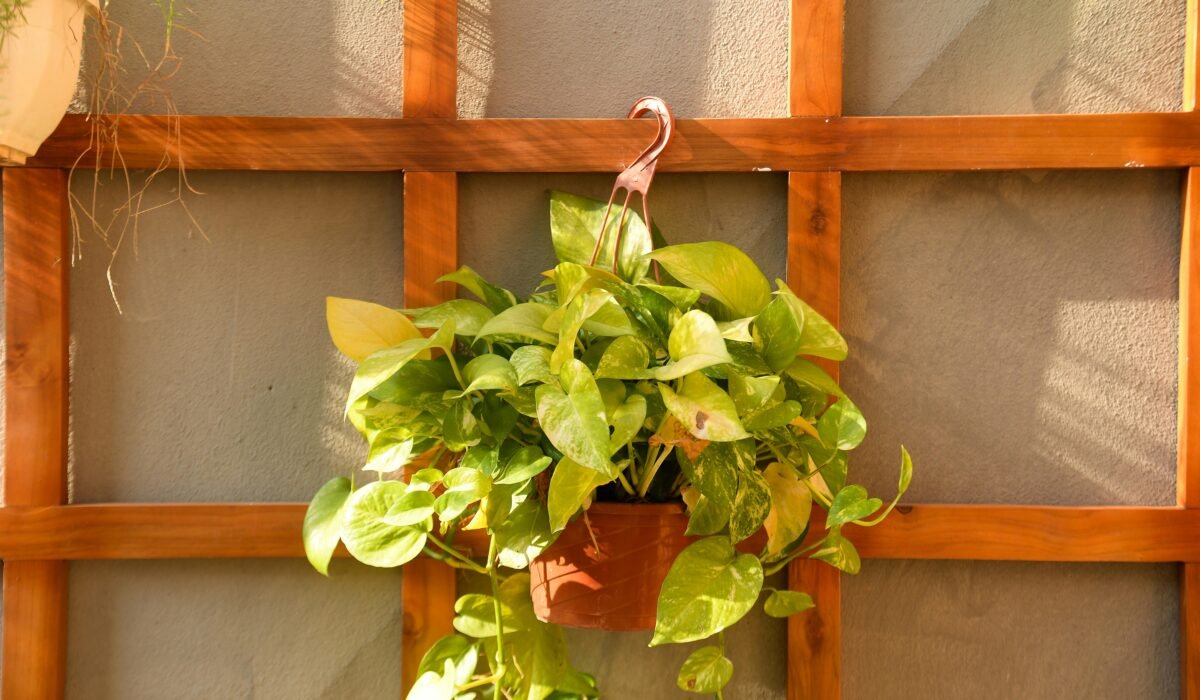
Ideal for maximizing vertical gardening benefits against a fence, wall, or shed, these trellises are securely attached to a surface. They can be simple wire grids, wooden lattices, or even custom-welded rebar structures. Angela Judd from Growing In The Garden uses permanent rebar wall trellises to soften hot block walls and provide substantial support for ornamental vines and grapes.
Arbor and Arch Trellises
These grander structures create stunning focal points and offer ample climbing plants support. They’re perfect for creating shaded walkways or dramatic entrances within your garden. Gardenary offers several pre-designed options like the Modern Arch Trellis or Tunnel Arch Trellis, showcasing diverse styles and functionalities.
DIY Vertical Garden Trellis Solutions
For those who love a project, DIY vertical garden trellis options are abundant and often more affordable. Cattle panel trellises are a popular choice, known for their sturdiness and versatility. Jessica Sowards from Roots and Refuge frequently uses cattle panels, noting their durability and ability to handle significant weight, making them excellent for heavy vines support.
Choosing the Best Materials for Your Vertical Trellis
The longevity and effectiveness of your vertical garden trellis ideas largely depend on the materials you select. A thorough trellis materials comparison reveals options ranging from natural wood to durable metals and synthetic composites, each with distinct advantages and drawbacks. Your choice impacts not only aesthetics but also the trellis’s ability to withstand weather and plant weight.
Wood Trellises
Classic and aesthetically pleasing, wood trellises blend naturally into any garden. Cedar and redwood are popular choices due to their natural resistance to rot and insects. However, wood requires regular maintenance, such as sealing or painting, to prevent decay and extend its lifespan. What most people miss is that even pressure-treated wood needs periodic inspection for wear.
Metal Trellises
Steel and wrought iron trellises offer superior strength and durability, making them ideal for best trellises for heavy climbing plants. Powder-coated steel, like the heavy-duty Garden in Minutes Tomato Cages, resists rust and provides excellent support. While initially more expensive, metal trellises often last for decades with minimal maintenance.
Plastic and Vinyl Trellises
Lightweight, affordable, and virtually maintenance-free, plastic and vinyl options are great for temporary setups or lighter plants. They won’t rot or rust, but can become brittle over time due to UV exposure, especially in harsh climates. These are often considered for vertical gardening for small spaces where budget and ease are priorities.
Natural Materials (Bamboo, Willow)
For a rustic, eco-friendly approach, bamboo or willow branches can be woven into attractive and functional supports. These are excellent sustainable garden practices, but their durability is typically lower than treated wood or metal, often requiring replacement every few years. They are perfect for annuals or lighter vegetable vines.
How to Build a Resilient Vertical Garden Trellis
Building a sturdy vertical garden trellis involves more than just assembling materials; it requires thoughtful planning for stability, plant growth, and long-term resilience. Whether you’re constructing a DIY vertical garden trellis or assembling a kit, focusing on robust construction will pay dividends.
Here’s how to build a sturdy garden trellis that stands the test of time:
- Foundation First: For any significant trellis, especially one supporting heavy vines, a strong foundation is non-negotiable. Post-hole diggers or concrete footings are often necessary for freestanding structures. Wall-mounted trellises need to be anchored into studs or with appropriate heavy-duty wall anchors.
- Material Selection: As discussed, choose materials suitable for your climate and plant weight. For a DIY cattle panel trellis, ensure the panels are galvanized to prevent rust. For wood, use exterior-grade screws and hardware, not just nails, for superior holding power.
- Structural Integrity: Design your trellis with cross-bracing or A-frame shapes for inherent stability against wind and heavy loads. A common mistake is underestimating the leverage a strong gust of wind can exert on a tall, leafy structure.
- Assembly and Fasteners: Use rust-resistant screws, bolts, and heavy-duty zip ties or wire where appropriate. Double-check all connections for tightness. For permanent structures, consider professional welding for metal components if you lack the expertise.
In practice, a well-built trellis should feel absolutely solid, with no wobbling or flex, even before plants begin to climb.
Supporting Heavy Plants & Maximizing Yield on Trellises
Supporting heavy plants and maximizing plant yield optimization on trellises requires strategic planning beyond just building a strong structure. Large fruiting vegetables like pumpkins, squash, and indeterminate tomatoes need specific considerations to prevent collapse and ensure successful harvests. The short answer is, you need to think about more than just the main stem.
For best trellises for heavy climbing plants, consider these techniques:
- Reinforce with Secondary Supports: As fruits develop, they can become incredibly heavy. Use slings made from old pantyhose, netting, or fabric strips to cradle individual fruits and tie them back to the main trellis structure. This distributes the weight and prevents stems from breaking.
- Choose Appropriate Trellis Design: Cattle panel trellises, rebar grids, or heavy-gauge wire mesh are excellent for heavy vines support because they offer numerous attachment points and inherent strength. Avoid flimsy netting or thin bamboo for these crops.
- Strategic Pruning: Prune your heavy vines to manage their growth and direct energy into fruit production rather than excessive foliage. This also improves air circulation, further reducing disease risk.
- Anchoring for Extreme Weather: In areas prone to high winds or heavy snow, your trellis needs extra anchoring. Deeply set posts, concrete footings, or even guy wires can prevent your entire structure from toppling. Remember, a trellis loaded with plants catches a lot of wind.
Angela Judd observes that the right permanent trellises can support heavy vines and make harvesting easier, directly contributing to higher yields.
Long-Term Maintenance for Trellis Durability & Longevity
Ensuring the durability and longevity of your vertical garden trellis ideas is crucial for a sustainable and thriving garden. What most people miss is that maintenance extends beyond just fixing what’s broken; it’s about proactive care that prevents issues and maximizes your investment.
Here’s how to maintain various trellis types for sustained performance:
* **Wood Trellises:** Inspect annually for signs of rot, loose joints, or insect damage. Reapply a weather-resistant sealant or paint every 1-3 years, depending on your climate. Pay close attention to ground contact points, as these are often the first to decay.
* **Metal Trellises:** Check for rust, especially at joints or where the coating might be chipped. Touch up rusted spots with rust-inhibiting paint. Ensure all fasteners remain tight. For wall-mounted systems, periodically check the integrity of the anchors in the wall.
* **Plastic/Vinyl Trellises:** While largely maintenance-free, inspect for brittleness or cracks, particularly after harsh winters or intense summers. Clean with mild soap and water to prevent algae or mildew buildup.
* **General Checks:** After each growing season, remove all plant debris from the trellis. This prevents diseases and pests from overwintering and reduces unnecessary load. Always check the stability of the entire structure, especially before the next growing season. For instance, if you’re growing tomatoes, you might also want to check out our guide on Diagnose & Treat Early Blight on Tomato Plants to ensure healthy growth.
Sustainable & Smart Trellis Integration for Modern Gardens
Integrating vertical garden trellis ideas with sustainable garden practices and smart technology is the future of modern gardening. The global vertical garden construction market is booming, projected to reach USD 3.27 Billion by 2035, indicating a strong demand for innovative and environmentally conscious solutions.
Embracing Sustainable Materials
Focus on trellis materials comparison that considers the entire lifecycle of the product. Seek out options made from recycled content, like certain plastics or metals, or sustainably harvested wood. Repurposing materials, such as old rebar or cattle panels, is an excellent way to reduce waste. This aligns with the broader trend of green building, where 64% of commercial buildings integrate green wall systems.
Smart Technology Integration
While the market faces challenges like high installation complexity and water management inefficiencies in vertical gardens, smart solutions can help. Consider trellises integrated with:
* **Automated Irrigation:** For wall-mounted or living wall trellises, drip irrigation systems connected to smart timers can optimize water usage, addressing water management inefficiencies (cited by 41% of developers).
* **Environmental Sensors:** Sensors can monitor soil moisture, light levels, and air temperature around your climbing plants support, providing data to ensure optimal plant health.
* **Vertical Farming Principles:** Drawing inspiration from the rapidly growing vertical farming market (projected to reach $18-40 billion by the early 2030s), home gardeners can apply principles of controlled environments to their trellised plants. This includes using efficient grow lights for supplemental light or optimized nutrient delivery.
By adopting these approaches, your garden not only thrives but also contributes to a more eco-conscious lifestyle. For more ideas on creating an urban oasis, explore Sustainable Terrace Garden Design Tips.
Best Climbing Plants for Vertical Trellises
Choosing the right climbing plants for vertical trellises is essential for a successful vertical garden. Different plants have varying climbing habits and weight, so matching them to appropriate vertical garden trellis ideas ensures both plant health and trellis longevity.
Here are some of the best climbing plants for vertical trellises:
* **Vegetables:** Many popular vegetables thrive on trellises, maximizing yield and keeping produce clean.
* Cucumbers: Excellent for most trellis types, especially cattle panels or sturdy wire.
* Pole Beans: Quick growers that wrap easily around poles or netting.
* Peas: Prefer lighter netting or chicken wire, gripping with tendrils.
* Indeterminate Tomatoes: Require strong support like tomato cages (e.g., Garden in Minutes Tomato Cages) or rebar trellises, as their heavy fruit can easily break weaker structures.
* Winter Squash/Small Pumpkins: Need extremely strong trellises and often benefit from individual fruit slings to prevent heavy vines support from breaking.
* **Fruits:**
* Grapes: Require robust, long-lasting trellises or arbors due to their woody stems and heavy fruit clusters. Permanent rebar trellises are ideal.
* Raspberries/Blackberries: Can be trellised to keep canes tidy and improve air circulation, though they may require tying.
* Espalier Fruit Trees: While a distinct training method, espalier uses trellising principles to grow fruit trees flat against a wall or fence, perfect for small space gardening.
* **Ornamentals:**
* Clematis: Various types thrive on trellises, using their leaf petioles to climb.
* Morning Glory/Sweet Pea: Fast-growing annuals that need light support like netting or string.
* Climbing Roses: Require sturdy support and often benefit from being tied to the trellis.
When selecting plants, consider their mature size and weight to ensure your chosen vertical garden trellis ideas can adequately support them.
Frequently Asked Questions
What can I use for a vertical garden trellis?
You can use a variety of materials for a vertical garden trellis, including wood lattices, metal grids (like cattle panels or rebar), heavy-gauge wire mesh, or even repurposed items such as old ladders or branches. The best choice depends on the plant’s weight and climbing habit, as well as your aesthetic preference and budget for DIY trellis designs.
What is the best material for a vertical garden trellis?
The best material for a vertical garden trellis depends on the specific needs of your plants and climate. For heavy climbing plants and long-term durability, galvanized steel or wrought iron are excellent choices due to their strength and resistance to weather. For a more natural look, rot-resistant woods like cedar or redwood are popular, though they require more maintenance.
How do you build a vertical garden trellis?
To build a vertical garden trellis, first, choose a design (e.g., A-frame, flat panel, arch) and select appropriate materials like wood or metal. Ensure a sturdy foundation by sinking posts into the ground or securely attaching the trellis to a wall. Assemble the frame using strong fasteners, adding cross-bracing for stability, and ensure the grid or support structure is suitable for your climbing plants.
What is the best way to support climbing plants?
The best way to support climbing plants is by providing a sturdy vertical garden trellis that matches their growth habit and mature weight. For vining plants, offer a grid or mesh for tendrils to grasp. For heavier plants, ensure the trellis has robust structural integrity and consider additional support methods like slings for individual fruits to prevent breakage.