If you’re looking to start an organic no-till garden, you’re likely tired of constant digging and yearning for a more sustainable, less labor-intensive way to grow food while significantly improving your soil. This comprehensive guide will walk you through the practical steps to establish a thriving no-till system, detailing everything from initial setup to long-term soil health strategies for bountiful harvests.
What is Organic No-Till Gardening and Why Does it Matter?
Organic no-till gardening is a method of growing plants without disturbing the soil structure through digging, plowing, or heavy cultivation. Instead, gardeners focus on building soil health from the top down, mimicking natural ecosystems. This approach matters immensely because it fosters a living, breathing soil ecology, as described by Christian County extension agent Matt Futrell.
Traditional tilling disrupts the intricate network of microorganisms, fungi, and earthworms vital for nutrient cycling and plant immunity. By adopting no-till practices, you protect these crucial soil dwellers, allowing them to create stable soil aggregates, improve water infiltration, and enhance nutrient availability. This leads to more resilient plants and reduced reliance on external inputs.
How Do You Start an Organic No-Till Garden?
Beginning your journey into organic no-till gardening for beginners involves a few straightforward steps focused on layering organic materials and establishing a healthy soil foundation. The goal is to suppress weeds, enrich the soil, and create an ideal environment for planting without ever turning the earth. You’ll quickly discover that these initial efforts lay the groundwork for long-term success.
Site Selection and Initial Preparation
Choose a sunny spot in your garden, ideally receiving 6-8 hours of direct sunlight daily. Before you really start an organic no-till garden, clear any existing vegetation by cutting it down at soil level, leaving roots intact. This initial clearing is crucial for minimizing competition.
Building Your No-Till Beds
One of the most popular and effective no till gardening methods for establishing new beds is “lasagna gardening no till.” This involves layering organic materials directly on top of your chosen site.
Follow these steps for a robust start:
- Lay down a weed barrier: Start with flattened cardboard (remove all tape and labels) or several layers of newspaper directly on the ground. Water it thoroughly to help it settle and begin decomposing.
- Add a nitrogen layer: Spread a 2-4 inch layer of green materials like grass clippings, fresh manure, or kitchen scraps. This provides essential nutrients for decomposition.
- Introduce a carbon layer: Follow with a 4-6 inch layer of brown materials such as straw, shredded leaves, wood chips, or old hay. This layer balances the nitrogen and helps suppress weeds.
- Incorporate compost: Spread a 2-3 inch layer of finished compost for no-till gardening. This introduces beneficial microbes and a rich nutrient source.
- Repeat layers: Continue alternating nitrogen and carbon layers, topping with compost, until your bed is 18-24 inches high. Remember, it will settle significantly.
- Top with planting medium: Finish with a 4-6 inch layer of high-quality organic potting mix or fine compost. This is where you’ll plant your seeds or seedlings.
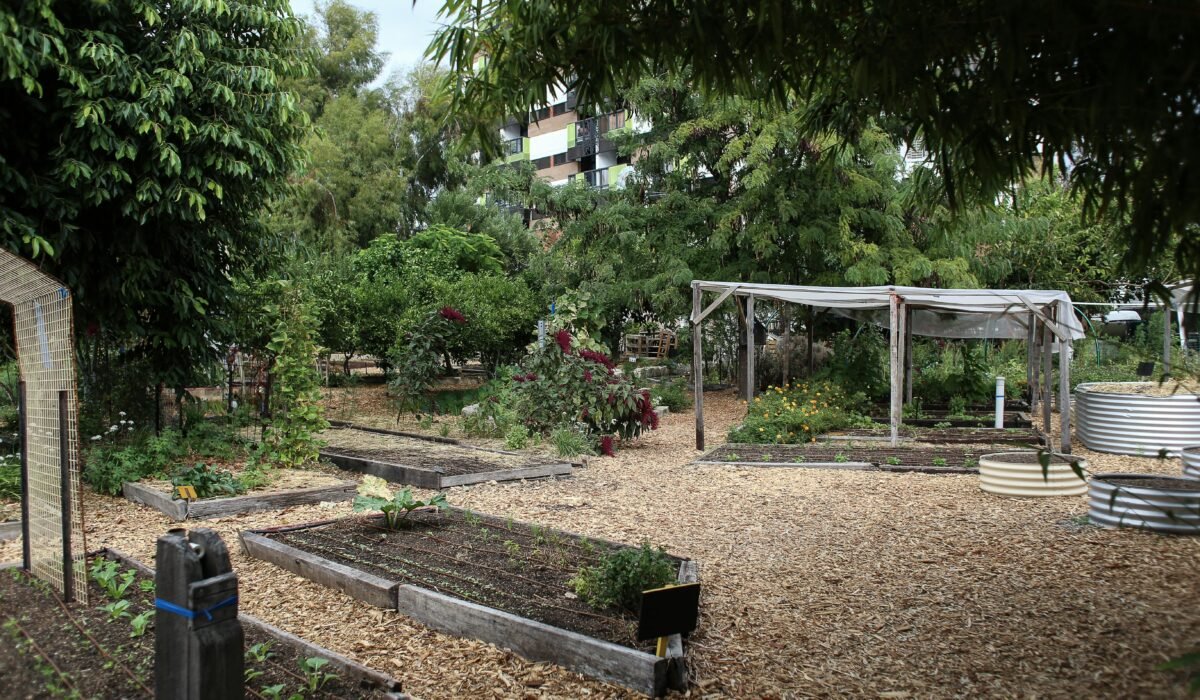
This method, exemplified by Christopher Nyerges’s success in improving terrible soil by piling organic material, creates an instant fertile bed. For those considering no till raised beds, the same layering principles apply within the confines of your bed structure.
What Are the 3 Main Principles of No-Till Farming?
Understanding the core principles of no-till farming helps you cultivate a truly regenerative system in your garden. These principles are interconnected and work in harmony to foster robust soil organic matter and thriving plant life. Applying them consistently is key to reaping the full benefits.
The three main principles are:
- Minimal Soil Disturbance: This is the cornerstone. Avoid any action that inverts or deeply disrupts the soil layers. Tilling, even shallowly, destroys the intricate fungal networks and microbial communities that build soil structure and facilitate nutrient exchange. As Erica Chernoh from Oregon State University emphasizes, tilling “disrupts the microorganisms and other soil dwellers… essential for soil and plant health.”
- Permanent Soil Cover: Keep the soil surface covered at all times, either with living plants (like cover crops) or organic residues (like mulch gardening). This cover protects the soil from erosion, regulates temperature and moisture, suppresses weeds, and feeds the soil food web.
- Crop Diversity: Implement diverse crop rotations and intercropping. This practice prevents pest and disease build-up, utilizes different nutrient depths, and provides varied root exudates that feed a broader range of soil microorganisms.
These principles, when applied together, dramatically improve soil structure, increase water retention, and foster healthy earthworm populations, ultimately leading to more productive and resilient gardens.
What Are the Disadvantages of Organic No-Till Gardening?
While the benefits of organic no-till are substantial, it’s important to acknowledge potential drawbacks, especially for those transitioning from conventional methods. Being aware of these challenges allows you to proactively address them and ensure a smoother transition. What most people miss is that many “disadvantages” are often temporary or manageable with proper techniques.
One common concern is initial weed control no-till. Without tilling to bury weed seeds, you might experience increased weed pressure in the first year or two. This is particularly true if your site has a high existing weed seed bank. However, consistent mulching and strategic use of tools like silage tarps can effectively manage this.
Another perceived disadvantage is the potential for slower soil warming in spring due to the insulating layer of mulch. This can slightly delay planting for some crops. However, this effect is often mitigated by the improved overall soil health and moisture retention throughout the growing season. Also, some gardeners worry about soil compaction, especially in heavy clay soils. While initial compaction can be an issue, the long-term increase in soil organic matter and earthworm activity naturally alleviates this. Charles Wortmann, a UNL soils scientist, suggests that “one-time tillage, conducted once in 10 or more years, might be justified to correct a problem,” but otherwise should be avoided.
Overcoming Common Challenges in Your No-Till Garden
Transitioning to an organic no-till system can present a few hurdles, but with the right strategies, you can easily overcome them. The key is to understand the underlying principles and adapt your approach. This section provides actionable solutions for common issues that arise when you start an organic no-till garden.
Managing Weeds Organically
Effective weed control no-till is paramount.
Here are proven strategies:
- Thick Mulch Layers: A 4-6 inch layer of organic mulch (straw, wood chips, shredded leaves) is your best defense against weeds. Replenish it regularly.
- Silage Tarps: For stubborn perennial weeds or clearing new areas, black polyethylene tarps (like those from Farmer’s Friend) can be used to solarize and smother weeds effectively.
- Flame Weeding: For quick annual weed suppression before planting or between rows, a flame weeder (e.g., from FlameWeeders.com) offers a chemical-free solution without disturbing the soil.
- Targeted Hand Weeding: When weeds do emerge, pull them gently by hand, disturbing the soil as little as possible. Catch them when they are small.
Addressing Soil Compaction
While no-till improves soil structure over time, initial compaction can be a concern. A broadfork is an invaluable tool for this. Jean-Martin Fortier, known for The Market Gardener Institute, uses a broadfork to loosen soil every few years, achieving “the benefits of deep tillage without really tilling.” This tool aerates the soil without inverting layers, allowing air and water to penetrate deeper.
Dealing with Pests and Diseases
In a healthy no-till system, pest and disease issues often diminish over time due to a balanced ecosystem. However, for specific problems:
- Promote Beneficial Insects: Plant flowering herbs and native plants to attract predators of common garden pests.
- Crop Rotation: Rotate your vegetables to break pest and disease cycles.
- Organic Sprays: Use targeted organic solutions like neem oil or insecticidal soap for outbreaks, always as a last resort.
Remember, a thriving soil health system supports robust plant immunity, making your organic no till vegetables less susceptible to problems.
Integrating Other Regenerative Practices for Peak Soil Health
To truly maximize your garden’s potential and achieve peak soil health, consider weaving organic no-till with other regenerative agriculture practices. These synergistic methods enhance biodiversity, nutrient cycling, and resilience, creating a garden that thrives with minimal intervention. It’s about creating a holistic ecosystem.
Cover Cropping and Green Manures
Cover crops are non-cash crops grown specifically to improve soil health. They protect bare soil, suppress weeds, add organic matter, and can even fix nitrogen. For example, a mix of winter rye and hairy vetch can be grown over winter, then crimped down in spring to form a natural mulch for your next crop. The Rodale Institute pioneered the roller/crimper specifically for this purpose, mechanically killing cover crops without tilling.
Composting and Vermicomposting
Regularly adding high-quality compost for no-till is fundamental. Composting enriches your soil with vital nutrients and beneficial microorganisms. Consider vermicomposting (using worms) to produce nutrient-dense worm castings, which are excellent for top-dressing beds or using in potting mixes. This practice directly feeds your soil’s living organisms. If you’re looking for ways to produce your own compost, check out our guide on How to Compost on Balcony: Turn Scraps to Soil.
Beneficial Insect Habitats and Companion Planting
Design parts of your garden to attract and support beneficial insects. Planting flowers like calendula, dill, and cosmos provides nectar and pollen for pollinators and predatory insects that control pests. Companion planting, where specific plants are grown together for mutual benefit, can also deter pests, improve growth, and enhance flavor for your organic no till vegetables.
Long-Term Benefits & What to Expect from Your No-Till Journey
Embarking on an organic no-till journey is an investment, and the dividends grow significantly over time. While initial efforts might focus on establishing beds and managing weeds, the true rewards of regenerative agriculture become evident in the long run. Patience is key, but the payoff is immense.
One of the most profound long-term benefits is the dramatic improvement in soil organic matter. Research from California shows that 19 years of reduced tillage with cover crops increased surface soil carbon by 50% and nitrogen by 83%. This enhanced organic matter acts like a sponge, improving water retention and reducing the need for irrigation. You’ll notice your garden handles droughts better and requires less frequent watering.
You can also expect a significant reduction in labor. Once established, no-till systems require less weeding, less watering, and no heavy digging, freeing up your time. Frank Amaro’s garden in Kentucky, after three years of no-till, experienced “reduced time, effort, and costs.” Furthermore, no-till farming can reduce soil erosion by up to 90% compared to conventional methods, protecting your valuable topsoil for generations. According to a 30-year study at Michigan’s Kellogg Research Station, continuous no-till consistently out-yielded other tillage systems after 15 years, with yields dramatically increasing thereafter. This demonstrates that the benefits are not just environmental but also yield-focused.
Essential Tools for Your Organic No-Till Garden
While the essence of organic no-till gardening is minimal intervention, having the right tools can make your work more efficient and enjoyable. These tools are designed to work *with* your soil, rather than against it, supporting your efforts to start an organic no-till garden successfully. Think of them as extensions of your gentle gardening philosophy.
Here are some indispensable items for your no-till toolkit:
- Broadfork: This is a game-changer for aerating compacted areas without inverting soil layers. It’s excellent for improving drainage and root penetration. Jean-Martin Fortier highlights its utility for achieving deep tillage benefits without actual tilling.
- Hori Hori Knife: A versatile tool for weeding, digging, cutting, and planting. Its sharp edge and serrated side make it perfect for precise tasks without broad soil disturbance.
- Scuffle Hoe or Stirrup Hoe: Ideal for shallow weed control no-till, these hoes cut weeds just below the soil surface with minimal disruption. For more insights on weed management, you might find our article on Garden Weeding for Beginners: Strategic Guide to a Thriving Garden helpful.
- Wheelbarrow or Garden Cart: Essential for moving large quantities of mulch, compost, and other organic materials to build and top-dress your beds.
- Quality Pruners: For cutting down cover crops, harvesting, and general plant maintenance.
- Silage Tarps (Black Polyethylene Tarps): As mentioned, these are excellent for preparing new beds, suppressing weeds, and accelerating the decomposition of crop residues. Brands like Farmer’s Friend offer durable options.
- Hand Trowel and Dibber: For precise planting of seedlings and seeds, ensuring minimal disturbance to the surrounding soil.
Investing in quality versions of these tools will serve your organic no-till gardening efforts for many seasons, making your work easier and more effective.
Frequently Asked Questions
What are the disadvantages of no-till gardening?
The primary disadvantages often include initial challenges with weed control, as existing weed seeds are not buried by tilling, and potentially slower soil warming in spring due to mulch. However, these issues are typically temporary and manageable with consistent mulching, cover cropping, and strategic use of tools like silage tarps or flame weeders. Over time, the benefits of improved soil health often outweigh these initial hurdles.
What are the 3 main principles of no-till farming?
The three main principles of no-till farming are minimal soil disturbance, maintaining permanent soil cover (through living plants or organic residues), and promoting crop diversity through rotations and intercropping. These principles collectively foster a healthy soil ecosystem, improve soil structure, enhance nutrient cycling, and increase biodiversity, leading to more resilient and productive gardens.
How do you start a no-till organic garden?
To start a no-till organic garden, begin by selecting a sunny site and clearing existing vegetation by cutting it at soil level. Then, build your garden beds using the “lasagna gardening” method: layer cardboard, nitrogen-rich materials (grass clippings), carbon-rich materials (straw), and compost, repeating layers until the bed is established. Finish with a layer of high-quality organic potting mix for immediate planting.
What is the difference between no-till and organic no-till?
No-till gardening refers specifically to the practice of not disturbing the soil through tillage. Organic no-till gardening incorporates this principle while strictly adhering to organic standards, meaning it avoids synthetic fertilizers, pesticides, herbicides, and genetically modified organisms. It emphasizes natural inputs like compost and cover crops, focusing on building soil fertility and managing pests and diseases through ecological methods.
Your decision to start an organic no-till garden is a powerful step towards a more sustainable and productive growing space. By prioritizing soil health through minimal disturbance, consistent mulching, and thoughtful plant diversity, you’re not just growing food; you’re cultivating an entire living ecosystem. Embrace the journey, observe your soil, and watch as your garden transforms into a resilient, bountiful haven. Begin today by planning your first lasagna bed and gathering your organic materials.