Are you struggling with uninvited guests munching on your beautiful blooms, yet determined to keep your garden free from harsh chemicals? Achieving truly healthy flowers without synthetic pesticides is absolutely possible with effective organic flower garden pest control methods.
This comprehensive guide will equip you with the knowledge and strategies to identify common pests, implement preventative measures, and apply safe, natural treatments, ensuring your flower beds flourish organically.
What is Organic Flower Garden Pest Control?
Organic flower garden pest control refers to managing unwanted insects and diseases using methods and materials derived from natural sources, avoiding synthetic chemicals entirely. This approach prioritizes ecological balance, promoting a healthy garden ecosystem where plants, soil, and beneficial organisms thrive together.
What most people miss is that it’s not just about what you *don’t* use, but what you *do* use: practices that build soil health, foster biodiversity, and strengthen plant immunity. According to USDA Organic Standards, organic practices generally prohibit most synthetic fertilizers and pesticides, relying instead on physical, mechanical, or biological methods.
Why Choose Organic Methods for Your Flower Garden?
Opting for organic solutions safeguards your family, pets, and the local ecosystem from harmful chemical residues. A growing consumer demand for organic products, with global retail sales reaching 145.0 billion euros in 2024, highlights a collective shift towards sustainable living, extending naturally to our gardens.
Furthermore, organic methods help preserve beneficial insects and pollinators, which are vital for a thriving garden and broader environmental health. Chemical pesticides can indiscriminately kill these helpful creatures, disrupting the natural balance and often leading to worse pest problems in the long run.
Identifying Common Flower Garden Pests Organically
Effective organic pest management begins with accurate flower pest identification. Recognizing common culprits and understanding their life cycles allows you to choose the most targeted and least invasive organic bug spray for plants and treatment.
Here’s a quick guide to identifying some frequent visitors:
- Aphids: Small, soft-bodied insects, often green, black, or pink, clustered on new growth or undersides of leaves. They suck plant sap, causing distorted leaves and sticky honeydew. For more detailed information, consider our guide on How to Stop Aphids Organically.
- Spider Mites: Tiny arachnids that create fine webbing on leaves, causing stippling (tiny dots) and discoloration. They thrive in hot, dry conditions.
- Slugs and Snails: Leave silvery slime trails and ragged holes in leaves, particularly on hostas, delphiniums, and marigolds.
- Caterpillars (e.g., Cabbage Worms, Tomato Hornworms): Larvae of moths or butterflies that chew large holes in leaves and flowers. Identification often comes from their distinctive droppings (frass).
- Thrips: Minute, slender insects that cause silvery streaks and distorted petals, especially on roses and gladiolus.
- Whiteflies: Small, white, winged insects that fly up in a cloud when disturbed from the undersides of leaves, causing yellowing and stunted growth.
In practice, regularly inspecting your flowers is crucial. Look closely at new growth, leaf undersides, and flower buds. Catching pest problems early makes organic solutions far more effective.
Best Natural Pest Control for Flowers: Preventative Strategies
Prevention is the cornerstone of any successful natural pest control for flowers program. By creating a robust, resilient garden environment, you can significantly reduce the likelihood of pest outbreaks.
Building Healthy Soil and Strong Plants
Healthy soil is the foundation for healthy, pest-resistant flowering plants. Enrich your soil with organic compost and well-rotted manure to provide essential nutrients and improve drainage. Strong, well-nourished plants are naturally more resistant to pests and diseases, much like a healthy immune system in humans. Consider starting with organic no-till practices to build soil health, as detailed in our guide Start Organic No-Till Garden: Build Soil Health.
Strategic Planting and Site Selection
Choose flowering plants well-suited to your climate and garden conditions. Stressed plants are magnets for pests. Proper spacing ensures good air circulation, reducing fungal diseases which often attract secondary pests. Also, inspect new plants thoroughly for any signs of pests before introducing them to your garden, a key preventative step advised by the N.C. Cooperative Extension.
Companion Planting Pest Control
Utilize the power of companion planting, where certain plants deter pests or attract beneficial insects. This is one of the most effective eco-friendly flower pest solutions.
- Marigolds (Tagetes spp.): Especially French Marigolds, are renowned for repelling nematodes, whiteflies, and aphids with their strong scent and root secretions.
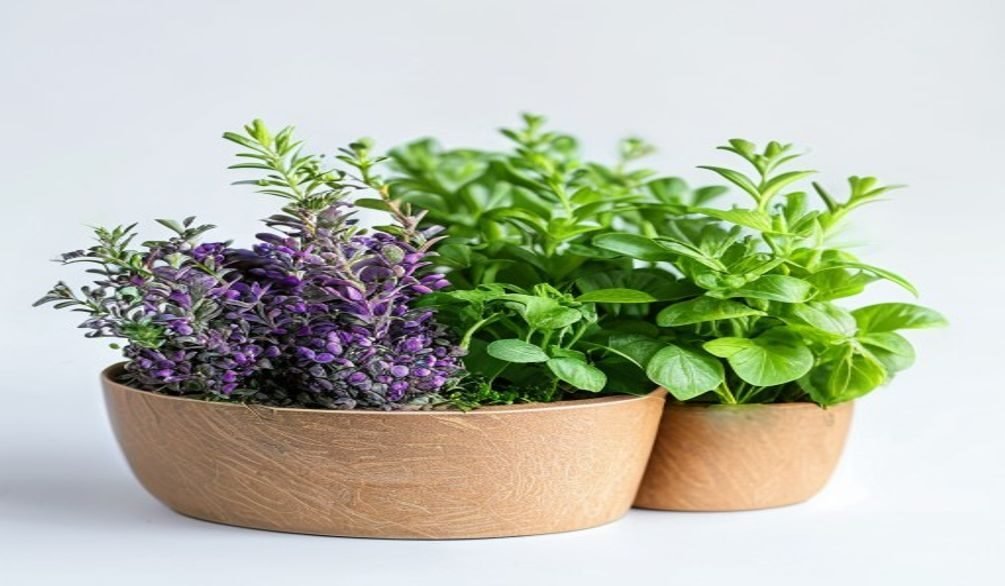
- Lavender: Deters mosquitoes, fleas, flies, and moths due to its aromatic oils.
- Chrysanthemums: Contain natural pyrethrins, which are neurotoxins to insects, making them excellent repellents for mosquitoes, beetles, and ticks.
- Sweet Alyssum: Acts as a living groundcover that attracts beneficial insects like hoverflies, which are voracious predators of aphids. Studies show its beneficial effect can spread up to 50 feet.
This strategy not only reduces pests but also adds beauty and diversity to your flower beds.
How to Get Rid of Pests on Flowers Organically: Treatment Methods
When preventative measures aren’t enough, several direct organic flower garden pest control methods can help you tackle infestations. The key is to act quickly and persistently.
Physical Removal and Barriers
For larger pests or small infestations, hand-picking insect pests is surprisingly effective. This is particularly useful for slugs, snails, and caterpillars. Simply remove them by hand and drop them into a bucket of soapy water. Physical barriers like row covers can protect young plants from flying insects, while copper tape around raised beds can deter slugs and snails.
Water Blasting
A strong stream of water from a hose can dislodge many soft-bodied pests like aphids, spider mites, and whiteflies from your plants. This method is simple, free, and highly effective for immediate relief. Just be sure to do it early in the day so foliage has time to dry, preventing fungal issues.
Trapping
Sticky traps, often yellow, are excellent for monitoring and catching flying insects like whiteflies, thrips, and fungus gnats. Place them near affected plants. For slugs and snails, shallow dishes of beer sunk into the soil can act as effective traps.
Top Organic Bug Sprays & Homemade Solutions for Flowers
When physical methods aren’t enough, organic bug spray for plants and homemade concoctions offer targeted relief without harsh chemicals. These solutions are generally safe treatments for rose pests and other delicate blooms.
Neem Oil for Flowers
Derived from the neem tree, neem oil is a powerful natural insecticide. It works by disrupting insects’ hormonal systems, making it difficult for them to feed and reproduce. It’s effective against a wide range of pests, including aphids, spider mites, whiteflies, and thrips, and is generally safe for beneficial insects once dry. Always follow product instructions for dilution and application, spraying in the evening to avoid harming pollinators.
Insecticidal Soap
Insecticidal soap is a contact killer, effective against soft-bodied insects like aphids, whiteflies, mealybugs, and spider mites. It works by coating their bodies, damaging cell membranes, and suffocating them. You can buy commercial insecticidal soaps or make your own homemade pest control plants spray by mixing a few teaspoons of mild liquid dish soap (avoid detergents) with a gallon of water. Test on a small area first to ensure no plant damage.
Diatomaceous Earth (DE)
This fine, powdery substance is made from the fossilized remains of diatoms. When crawling insects like beetles, ants, and slugs come into contact with it, the microscopic sharp edges of the diatom shells scratch their exoskeletons, causing dehydration. Apply food-grade diatomaceous earth garden dust around the base of affected plants when dry. Reapply after rain.
Bacillus thuringiensis (Bt)
Bt is a naturally occurring soil bacterium that produces a toxin lethal to specific insect larvae, particularly caterpillars. Different strains target different pests; Bt kurstaki (Btk) is effective against caterpillars like cabbage worms and tomato hornworms. It works by breaking down the insect’s gut lining when ingested. This is a highly selective pesticide, posing little to no risk to other insects, animals, or humans.
Attracting Beneficial Insects: Your Flower Garden’s Natural Allies
One of the most powerful strategies in organic flower garden pest control is inviting natural predators and parasites into your space. These beneficial insects provide constant, free pest management.
Creating a Beneficial Insect Habitat
Think beyond just planting; create an entire ecosystem that supports these helpful creatures. This includes providing diverse food sources (nectar and pollen from small, open flowers), water sources (a shallow bird bath or insect hotel with moist crevices), and shelter (leaf litter, brush piles, or specific insect hotels). A truly diverse garden will naturally foster a robust population of pest fighters.
Top Beneficial Insects for Your Flower Garden
- Ladybugs (Lady Beetles): Both adult ladybugs and their larvae are voracious predators of aphids, scale insects, and mealybugs. A single ladybug can consume up to 5,000 aphids in its lifetime.
- Green Lacewings: The larvae, often called “aphid lions,” are highly effective predators of aphids, mites, mealybugs, and other soft-bodied pests.
- Hoverflies (Syrphid Flies): Adult hoverflies resemble bees and feed on nectar, but their larvae are excellent aphid predators.
- Parasitic Wasps: Tiny wasps that lay their eggs inside or on pest insects like aphids, caterpillars, and whiteflies. The wasp larvae then consume the host from the inside.
- Ground Beetles: Nocturnal predators that feed on slugs, snails, cutworms, and other soil-dwelling pests.
To attract these allies, plant a diverse array of flowers with varied bloom times, ensuring a continuous supply of nectar and pollen. Flowers with flat, open forms like dill, fennel, cilantro, cosmos, and sunflowers are particularly appealing.
Implementing Integrated Pest Management (IPM) in Your Flower Garden
Integrated Pest Management (IPM) is a holistic, science-based approach to pest control that prioritizes prevention and minimizes environmental impact. For flower gardens, IPM means using a combination of strategies to manage pests effectively.
The University of Wisconsin-Madison describes IPM as a strategic, systems-based approach emphasizing pest prevention, identification, and systematic monitoring, which ultimately informs customized actions. This makes it a perfect framework for comprehensive flower garden IPM strategies.
The IPM Cycle for Organic Flower Gardens
- Monitor and Inspect: Regularly scout your garden for signs of pests or damage. Early detection is key. Knowing your University Extension resources can provide local insights into pest prevalence.
- Identify Accurately: Correctly identify the pest. Different pests require different organic solutions. For example, aphids organic treatment differs from slug control.
- Determine Action Thresholds: Decide how much pest activity you can tolerate before intervention. A few aphids might be acceptable; a full-blown infestation requires action.
- Implement Preventative Measures: This includes choosing pest-resistant flowering plants, practicing good sanitation, improving soil health, and companion planting.
- Choose the Right Control Method: Start with the least toxic options first: hand-picking, water sprays, or introducing beneficial insects. If necessary, move to organic bug spray for plants like neem oil or insecticidal soap.
- Evaluate and Adjust: Observe the results of your actions. Did the treatment work? Do you need to try something different? IPM is an ongoing process of learning and adaptation.
Rutgers University Extension emphasizes that identifying the root cause is the first step, and organic pesticides should be a last resort after correcting underlying problems and monitoring. This thoughtful approach ensures your garden remains vibrant and ecologically balanced.
Seasonal Organic Pest Control Calendar for Healthy Blooms
A seasonal approach to organic flower garden pest control helps you stay ahead of potential problems, adapting your strategies to the natural rhythms of pests and plants.
Spring: Foundation and Prevention
- Early Spring: As new growth emerges, inspect plants closely for overwintering pests or eggs. Clean up any remaining debris from winter. Amend soil with compost to boost plant vigor.
- Mid-Spring: Begin companion planting to establish natural bug repellent for flowers. Introduce beneficial insects like ladybugs if you anticipate aphid pressure. Apply diatomaceous earth garden dust around emerging plants if slugs or cutworms are a known issue.
- Late Spring: Monitor for early signs of aphids or thrips on new buds and leaves. Use water sprays or insecticidal soap as a first line of defense.
Summer: Vigilance and Treatment
- Early Summer: Continue regular inspections, especially during hot, dry spells when spider mites thrive. Ensure good air circulation around plants to deter powdery mildew on flowers and other fungal issues.
- Mid-Summer: Address any significant pest outbreaks with targeted organic bug sprays for plants like neem oil. Reapply diatomaceous earth after heavy rains. Maintain consistent watering to reduce plant stress.
- Late Summer: Watch for late-season pests like whiteflies. Continue encouraging beneficial insects by providing water and diverse blooms.
Fall: Cleanup and Preparation
- Early Fall: Clean up fallen leaves and spent plant material, as these can harbor overwintering pests and disease spores.
- Mid-Fall: Plant cover crops or add a fresh layer of compost to improve soil health over winter. Consider planting pest-resistant flowering plants for the following season.
- Late Fall: Perform a final garden cleanup before winter, removing any remaining dead plant material to reduce pest hiding spots.
By following this calendar, you proactively manage your garden, ensuring your blooms stay healthy and vibrant year-round.
Frequently Asked Questions
What is the best natural pest control for flowers?
The best natural pest control for flowers involves a multi-faceted approach, prioritizing preventative measures like healthy soil and companion planting. When pests appear, methods such as hand-picking, water sprays, and introducing beneficial insects are highly effective. Organic sprays like neem oil and insecticidal soap provide targeted treatment for persistent issues.
How do you get rid of pests on flowers organically?
To get rid of pests on flowers organically, start with physical removal methods like hand-picking or blasting pests off with a strong stream of water. For more widespread infestations, apply organic bug spray for plants such as insecticidal soap or neem oil. Attracting beneficial insects like ladybugs and lacewings also provides continuous natural pest control.
How do you keep bugs off flowers naturally?
Keeping bugs off flowers naturally involves creating a robust garden ecosystem. Implement companion planting with flowers like marigolds and lavender, which naturally repel many pests. Ensure your plants are healthy through good soil and proper care, as strong plants are less susceptible. Regularly inspect your garden and physically remove any pests you find to prevent infestations from taking hold.
What is a natural spray for flower bugs?
Two highly effective natural sprays for flower bugs are insecticidal soap and neem oil. Insecticidal soap works on contact to suffocate soft-bodied pests like aphids and whiteflies. Neem oil acts as an anti-feedant and growth disruptor, effective against a broader range of insects, and is generally safe for beneficials once dry. Always follow specific product instructions for safe and effective use.
Embracing organic flower garden pest control allows you to cultivate a stunning, thriving garden that is both beautiful and environmentally responsible. By integrating preventative strategies, natural treatments, and a keen eye for identification, your flower beds will flourish with vibrant, healthy blooms, free from synthetic chemicals.
Start implementing these strategies today and watch your garden transform into a balanced, pest-resistant haven!