Dealing with an aphid infestation can feel like a losing battle, but knowing how to stop aphids organically is absolutely achievable for any gardener. These tiny sap-sucking pests can quickly decimate your plants, leaving behind sticky residue and stunted growth. This guide will equip you with comprehensive, natural strategies to identify these culprits, treat active infestations, and implement long-term prevention, ensuring your garden thrives without harsh chemicals.
What are Aphids and How to Identify an Infestation?
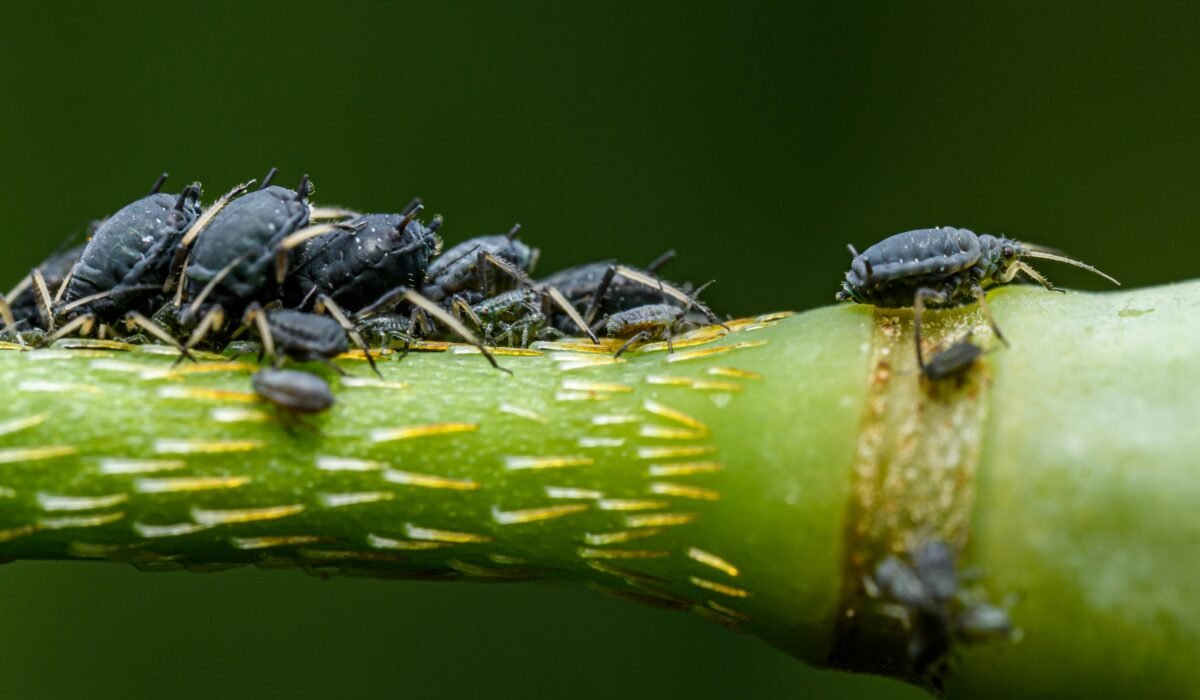
Aphids are small, soft-bodied insects, typically pear-shaped, that come in a surprising array of colors including green, black, yellow, brown, red, or even fuzzy white. These notorious garden pests, numbering some 1,351 species in the US and Canada, are easily spotted on the undersides of leaves, new growth, and stems, often clustered together. Their presence is the first step in effective aphid identification and damage control.
The tell-tale signs of an aphid infestation extend beyond just seeing the insects themselves. You’ll likely notice curled, stunted, or yellowing leaves, as aphids feed by sucking sap from plant tissues. A common symptom is a sticky, clear substance called honeydew, which aphids excrete as they feed. This sugary residue can then lead to the growth of sooty mold, a black fungus that further hinders plant photosynthesis and overall health. For instance, the green peach aphid (*Myzus persicae*) is not only a direct threat but also a vector for over 110 plant viruses, making early identification crucial.
Common Aphid Species and Their Preferred Hosts
Understanding which aphids might be targeting your plants can help you tailor your organic pest control approach. While many species are generalists, some have distinct preferences.
- Green Peach Aphid (*Myzus persicae*): A widespread pest, often found on a vast range of vegetables, fruits, and ornamental plants, including peaches, plums, broccoli, and peppers.
- Black Bean Aphid (*Aphis fabae*): Dark-bodied aphids that favor beans, beets, spinach, and poppies, frequently clustering on young shoots.
- Rose Aphid (*Macrosiphum rosae*): Typically green or pink, these larger aphids are almost exclusively found on roses, feeding on buds and new leaves.
- Cabbage Aphid (*Brevicoryne brassicae*): These waxy, grey-green aphids are specific to brassicas like cabbage, kale, and broccoli, often appearing in dense colonies.
Spotting these specific characteristics helps you confirm you’re dealing with aphids and not another garden visitor. Early detection is always your best defense in keeping your garden healthy and vibrant.
How to Get Rid of Aphids Organically: Immediate Treatment Methods
Once you’ve confirmed an aphid presence, immediate action is key to prevent populations from exploding. The good news is that several effective organic strategies can quickly reduce their numbers without harming your plants or the environment. When figuring out how to stop aphids organically, direct intervention is often the first step.
Manual Removal and Water Blasts
For smaller infestations or delicate plants, manual removal is highly effective. You can simply use your fingers to gently wipe or crush aphids from stems and leaves. A more efficient method, especially for larger plants, is a strong blast of water from a garden hose. This dislodges aphids, and once they’re off the plant, they struggle to return. Jonathan Foster, Special Project Assistant at UMaine Cooperative Extension, often suggests this as a simple, low-impact first step.
Homemade Insecticidal Soap Recipe
One of the most popular and effective DIY organic aphid control products is insecticidal soap. This mixture works by dissolving the aphid’s protective outer coating, leading to dehydration and death. It’s a fantastic solution for soft-bodied insects. To make your own insecticidal soap recipe:
- Mix 1 tablespoon of pure liquid soap (like Dr. Bronner’s Peppermint Castile Soap or a gentle, pure dish soap free of degreasers and perfumes) into 1 quart (about 1 liter) of water.
- Stir gently to combine, avoiding excessive suds.
- Pour the solution into a spray bottle.
- Apply thoroughly to all affected plant surfaces, ensuring direct contact with the aphids. Remember, this only works on contact, so coat both the tops and undersides of leaves.
As Jonathan Foster cautions, “it does require direct contact with the aphid to kill them and it washes off easily and must be reapplied.” You’ll likely need to repeat applications every 5-7 days until the infestation is under control. Always test a small area of the plant first to ensure it doesn’t cause damage, especially on sensitive varieties.
Comparing Organic Aphid Sprays: When to Use What?
Beyond the simple insecticidal soap, there are other powerful organic aphid control products available, each with its own benefits and best uses. Choosing the right one depends on the severity of your infestation, the type of plants, and your garden’s overall ecosystem.
Neem Oil for Aphids
Neem oil for aphids is a powerful multi-action organic insecticide derived from the neem tree. It acts as a repellent, an anti-feedant, and a growth disruptor, interfering with the aphids’ ability to feed and reproduce. Brands like Natria and Bonide offer effective neem oil sprays. The key is to use 100% cold-pressed neem oil, which contains the active ingredient azadirachtin, or clarified hydrophobic neem oil, which works on contact.
When using neem oil, apply it late in the evening or on a cloudy day to avoid burning foliage and to minimize harm to beneficial insects, which are less active at these times. While generally safe, concentrated neem oil can still affect some beneficial insect larvae if they come into direct contact. Always follow label instructions carefully for dilution and application.
Diatomaceous Earth (DE)
Diatomaceous earth is a natural, fine powder made from fossilized diatoms. On a microscopic level, it consists of tiny, sharp edges that cut through the waxy outer layer of soft-bodied insects like aphids, causing them to dehydrate and die. It’s a mechanical killer, not a chemical one.
To use DE, sprinkle a fine layer around the base of affected plants or dust it directly onto foliage where aphids are present. Always use food-grade DE and wear a mask during application to avoid inhaling the fine dust. It loses effectiveness when wet, so reapply after rain or heavy dew. Diatomaceous earth is particularly useful as a barrier against crawling pests, including ants that protect aphids.
When to Choose Which
- Insecticidal Soap: Best for immediate knockdown of visible aphid populations on contact. Ideal for localized infestations and when you need a quick solution. It washes off easily, so reapplication is often necessary.
- Neem Oil: Excellent for ongoing prevention and control, especially when you suspect aphid eggs or early stages. Its systemic and repellent properties offer longer-lasting protection. Use proactively or for moderate infestations.
- Diatomaceous Earth: Primarily effective as a physical barrier against crawling aphids and, crucially, against ants that protect aphids. Best used around plant bases or for widespread, light dusting where direct contact with beneficial flying insects is less likely.
The short answer is to combine strategies. A direct spray of insecticidal soap followed by a neem oil treatment a few days later can be very powerful. What most people miss is that a multi-pronged approach often yields the best long-term results.
Disrupting the Aphid-Ant Symbiosis for Better Control
Here’s the thing: you can spray aphids until you’re blue in the face, but if you don’t address their tiny bodyguards, you might be fighting an uphill battle. Aphids and ants often have a fascinating, yet frustrating, symbiotic relationship. Ants “farm” aphids for their sugary honeydew secretions, protecting them from predators in return. These honeydew ants are a clear sign of an established aphid colony.
To truly get rid of aphids permanently, you need to disrupt this partnership. By eliminating the ants, you remove the aphids’ protection, making them vulnerable to natural predators and your organic treatments. This is a crucial step in effective organic pest control.
Strategies to Deter Ants
- Diatomaceous Earth Barriers: As mentioned, sprinkling a barrier of food-grade diatomaceous earth around the base of plants or along ant trails can deter ants from reaching aphid colonies. The sharp particles are irritating and dehydrating to ants.
- Sticky Barriers: Apply a sticky barrier, like Tanglefoot, around the base of tree trunks or sturdy plant stems. This physically prevents ants from climbing up to tend to their aphid “herds.”
- Ant Baits: Use organic ant baits that attract ants away from your plants and target their colonies. Look for products that are safe for use around edible gardens.
- Prune Overhanging Branches: Ensure no branches from infested plants are touching walls, fences, or other plants, creating alternative ant highways into your plant canopy.
In practice, breaking this ant-aphid alliance dramatically improves the effectiveness of all other aphid control methods. Without their protectors, aphid populations often decline rapidly as beneficial insects move in.
How to Prevent Aphids Naturally: Long-Term Organic Strategies
While immediate treatments are essential, the most sustainable approach to how to stop aphids organically lies in prevention. Building a resilient garden ecosystem is the best way to keep aphid populations in check long-term. This involves creating an environment where aphids struggle to thrive and their natural enemies flourish. This is fundamentally about how to prevent aphids naturally.
Attract and Conserve Beneficial Insects
Nature provides its own army of aphid destroyers: beneficial insects. These predators and parasites are incredibly effective at keeping aphid numbers down. Willi Galloway, author of *Grow Cook Eat*, wisely notes, “Aphids feed lots of creatures… If aphids make an appearance in your garden, these beneficial insects and birds will soon take note.”
Key beneficial insects for aphid control include:
- Ladybugs (*Hippodamia convergens*): Both adult ladybugs and their larvae are voracious aphid predators. Ladybug larvae can consume hundreds of aphids before pupating, and adults can eat thousands in their lifetime. You can purchase ladybugs for release, but it’s more effective to create a habitat that encourages them to stay.
- Green Lacewings (*Chrysoperla spp.*): Often called “aphid lions” in their larval stage, lacewing larvae are extremely effective at devouring aphids.
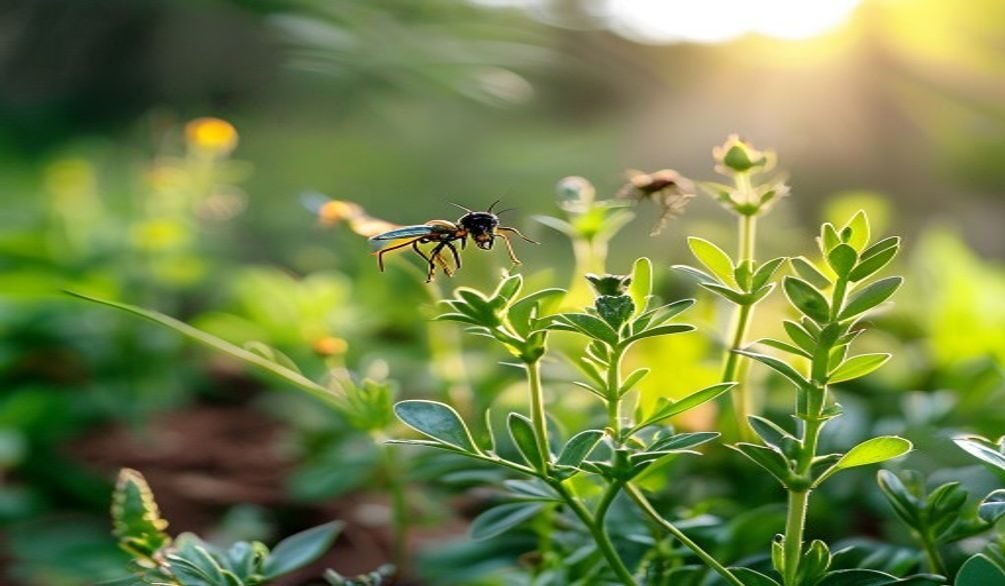
- Parasitic Wasps (*Aphidius colemani*, *Aphidius ervi*, *Aphelinus abdominalis*): These tiny wasps lay their eggs inside aphids, effectively “mummifying” them. You’ll see swollen, brown, or black aphid carcasses, which are a sign of these wasps at work.
- Aphid Midges (*Aphidoletes aphidimyza*): The larvae of these delicate flies are also excellent aphid predators, especially useful in protected environments like greenhouses.
To attract these allies, provide diverse flowering plants that offer nectar and pollen, as these are food sources for adult beneficial insects. Avoid broad-spectrum pesticides that kill both pests and predators. According to the University of Minnesota Extension, “protecting natural enemies by avoiding pesticide applications or using low-risk products” is paramount.
Building an Aphid-Resistant Garden Ecosystem
A truly aphid-resistant garden is one where the plants are healthy, the soil is vibrant, and biodiversity is celebrated. This holistic approach strengthens the entire garden ecosystem health, making it less hospitable to pests. Heather Stoven, a horticulturist with the Oregon State University Extension Service, states, “Because there are so many kinds of aphids with varying life cycles, the best approach is to combine several strategies.”
Soil Health and Plant Nutrition
Healthy plants are naturally more resistant to pests. Focus on building rich, living soil through organic practices like composting and mulching. Strong soil biology leads to robust plants that can better withstand pest attacks. Consider starting an organic no-till garden to significantly improve your soil health.
Critically, avoid over-fertilization, especially with high-nitrogen fertilizers. As Stoven advises, “Excess fertilizer encourages soft, succulent growth that attracts aphids.” Aphids are drawn to this tender, nitrogen-rich tissue, making moderate, balanced feeding crucial for prevention.
Plant Diversity and Habitat Creation
A monoculture is an open invitation for pests. Diversify your plantings with a mix of vegetables, herbs, and flowers. This variety confuses pests and provides continuous food and shelter for beneficial insects. Incorporate plants with different bloom times to ensure a year-round food supply for predators.
Consider leaving small areas of your garden slightly wild, with native plants or perennial flowers. These spots can serve as overwintering habitats for beneficial insects, ensuring they’re present early in the season when aphid populations begin to build. Providing a water source can also attract and keep beneficials in your garden.
What Plants Deter Aphids and Attract Beneficial Insects?
Strategic planting is a cornerstone of organic aphid prevention. By incorporating specific plants, you can either repel aphids directly or create an irresistible haven for their natural enemies. This smart use of companion planting is a powerful tool in your organic arsenal.
Natural Aphid Repellent Plants
Certain plants emit odors or compounds that aphids find unappealing, acting as natural deterrents. Planting these near susceptible crops can significantly reduce aphid pressure. These are your go-to natural aphid repellent plants.
- Alliums (Garlic, Onions, Chives): The strong scent of these plants confuses aphids and can mask the scent of more attractive crops. Consider growing perennial herbs like chives for year-round protection.
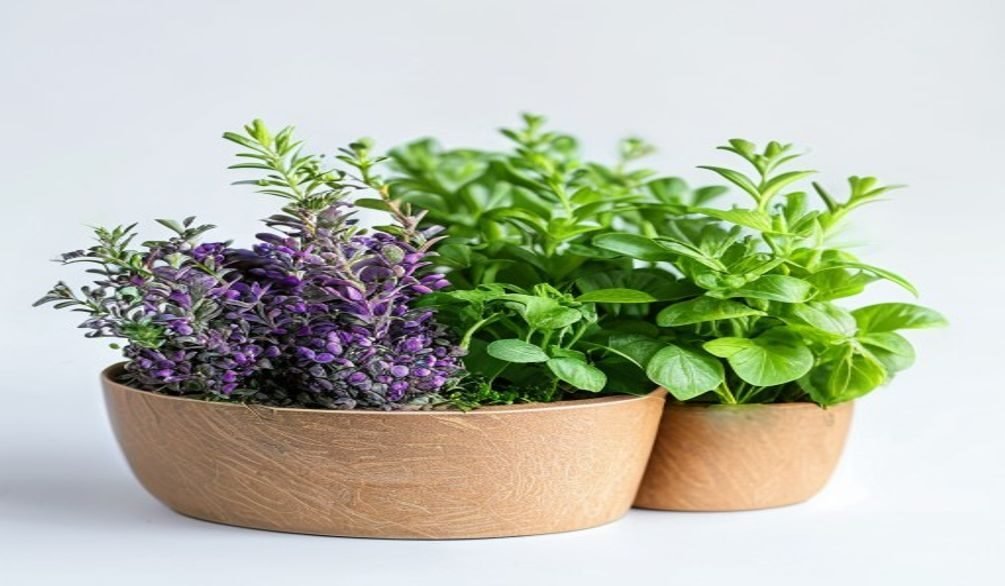
- Herbs (Oregano, Thyme, Mint, Dill, Catnip): Many aromatic herbs are known to deter aphids. Mint, in particular, can be very effective, though it’s best grown in containers to prevent it from taking over. For more on protecting your herbs, see our guide on herb garden pests & diseases.
- Marigolds (*Tagetes spp.*): French marigolds are particularly noted for their pest-repelling properties, including aphids and nematodes.
- Nasturtiums: These vibrant flowers can act as a “trap crop.” Aphids are highly attracted to nasturtiums, drawing them away from your more valuable vegetables. You can then easily hose down or remove the infested nasturtiums.
Plants that Attract Beneficial Insects for Aphid Control
Equally important are plants that provide nectar and pollen for adult beneficial insects for aphid control. These “insectary” plants ensure your aphid predators have a food source even when aphid populations are low, keeping them in your garden ready for action.
Look for plants with small, open flowers that are easy for tiny wasps, lacewings, and ladybugs to access:
- Dill, Fennel, Cilantro: When allowed to flower, these herbs produce umbels of tiny flowers that are magnets for parasitic wasps and hoverflies.
- Yarrow: A hardy perennial with flat-topped flower clusters, attractive to many beneficials.
- Sweet Alyssum: Its dense clusters of tiny white flowers provide nectar and pollen for a wide range of beneficial insects, including hoverflies whose larvae are excellent aphid predators.
- Cosmos: These cheerful flowers attract lacewings and predatory bugs.
- Sunflower: While not directly for aphids, sunflowers attract birds that also feast on garden pests.
By strategically interspersing these plants throughout your garden, you create a living defense system that actively works to keep aphid populations in check. This proactive approach is the hallmark of truly sustainable organic pest control.
Frequently Asked Questions
What is the best natural way to get rid of aphids?
The best natural way to get rid of aphids involves a multi-pronged approach, starting with a strong blast of water to dislodge them. Following this, apply a homemade insecticidal soap solution or neem oil spray directly to affected plants. For long-term control, focus on attracting beneficial insects like ladybugs and lacewings to your garden.
What kills aphids instantly naturally?
A strong spray of water from a garden hose can instantly dislodge and often kill aphids, especially if they hit a hard surface. Additionally, a direct application of homemade insecticidal soap solution will quickly kill aphids on contact by breaking down their protective outer layer, causing rapid dehydration.
What smell do aphids hate?
Aphids are known to dislike the strong scents of various aromatic plants and herbs. They are particularly repelled by the pungent aromas of alliums like garlic, onions, and chives, as well as herbs such as mint, oregano, and thyme. Planting these around susceptible crops can help deter aphids naturally.
How do you get rid of aphids permanently?
Achieving permanent aphid control organically requires building a resilient garden ecosystem rather than relying solely on reactive treatments. This includes fostering beneficial insect populations, disrupting the aphid-ant symbiosis, maintaining optimal soil health, and utilizing companion planting with repellent and trap crops. Consistent monitoring and proactive measures are key to long-term success.
Mastering how to stop aphids organically transforms a frustrating challenge into an opportunity to build a healthier, more resilient garden. By understanding aphid behavior, applying immediate organic treatments, and implementing long-term preventative strategies, you empower your plants to thrive naturally. Start integrating these methods today to cultivate a vibrant, pest-free garden ecosystem that works with nature, not against it.