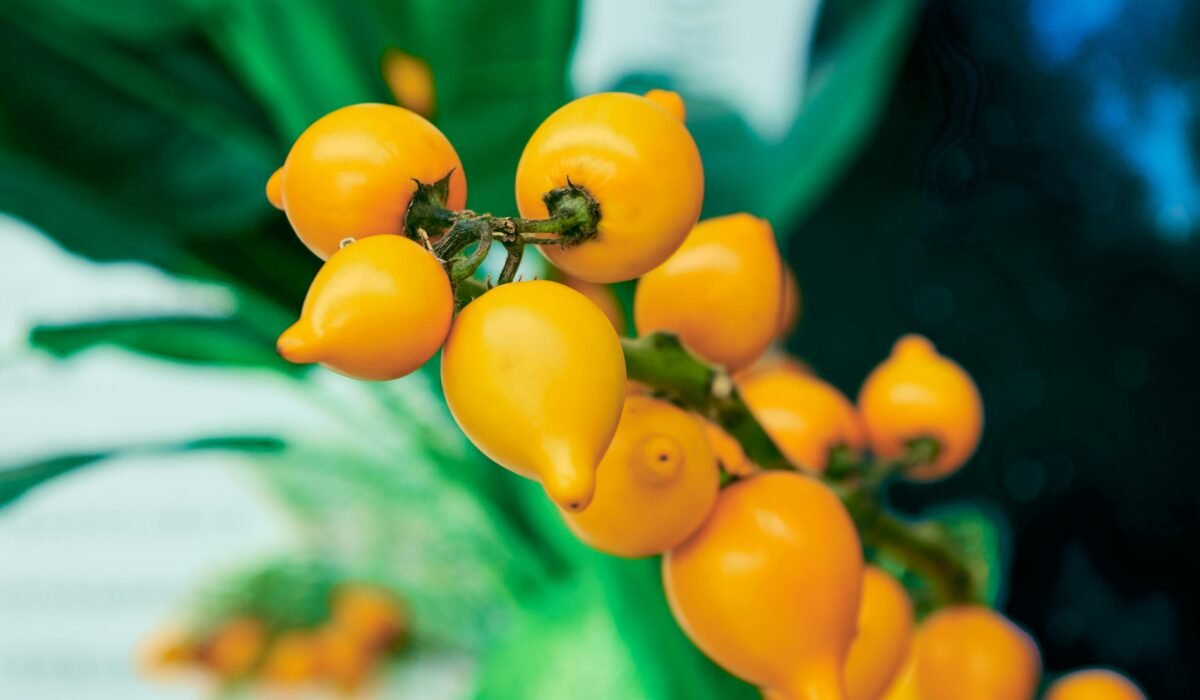
Dreaming of harvesting vibrant, juicy fruits that most people only see in specialty markets? You’re in the right place to begin growing unique exotic fruits right in your own garden, no matter your climate zone. This comprehensive guide will show you how to cultivate unusual edible plants, transforming your backyard or balcony into a personal orchard of rare fruit varieties.
Why Start Growing Unique Exotic Fruits in Your Garden?
Cultivating exotic fruit varieties offers a multitude of rewards, from unique flavors to significant health benefits. Beyond the simple joy of gardening, it’s an opportunity to experiment with unusual edible plants and expand your culinary horizons.
There’s a growing demand for exotic produce, with the global exotic fruit market valued at USD 20.05 billion in 2024 and projected to reach approximately USD 33.70 billion by 2032, according to market data. This growth is driven by rising health consciousness and the popularity of plant-based diets, making home cultivation a smart choice for fresh, organic options.
What most people miss is the sheer satisfaction of picking a perfectly ripe, rare fruit from your own tree. It’s a connection to nature and a source of incredible flavor you simply can’t find in a grocery store. Plus, it adds an undeniable conversation piece to your garden space.
What Are the Easiest Exotic Fruits to Grow for Beginners?
Starting your exotic fruit cultivation journey doesn’t have to be daunting. Several rare fruit varieties are surprisingly forgiving, making them ideal for novices. Focusing on these easy exotic fruits to grow indoors or outdoors can build your confidence and knowledge.
Beginner-Friendly Outdoor Options
- Figs: Varieties like ‘Brown Turkey’ and ‘Black Mission’ are incredibly hardy and adaptable. They produce rich, sweet fruit and can thrive in various climates, even tolerating some cold.
- Hardy Kiwiberries: Unlike their fuzzy cousins, these small, smooth-skinned fruits are packed with flavor and nutrients. ‘Rossana,’ ‘Geneva 3,’ and ‘Hardy Red’ are excellent choices for their delicious taste and “superfood” status. They are also cold hardy exotic fruit trees, making them suitable for cooler zones.
- Loquat: Alex Peña of Tropica Mango Nursery recommends Loquat for its unique flavor and adaptability. These small, evergreen trees produce sweet, tangy fruits in late winter or early spring.
Easy Exotic Fruits to Grow Indoors or in Containers
For those with limited space or challenging climates, container fruit gardening is a fantastic solution. Many tropical fruits you can grow in pots can be moved indoors during colder months, extending your growing season.
- Jaboticaba: Often called “the tree that grows grapes on the trunk,” Jaboticaba is a fascinating choice. ‘Red Dwarf’ is particularly ideal for pots, producing sweet, dark fruit directly on its woody stems.
- Dwarf Citrus Varieties: While not always considered “exotic,” unique citrus varieties like Meyer Lemon or Kumquat offer a delightful challenge and thrive in containers. They bring a vibrant aroma indoors.
- Dragon Fruit Cactus: These striking cacti produce spectacular flowers and delicious, vibrant fruits. They are well-suited for container growing and can be overwintered indoors, as demonstrated by the Hipster Homesteaders in Zone 6b.
The key here is starting with varieties known for their resilience. You’ll gain experience in exotic fruit care tips without getting overwhelmed.
How Can You Grow Exotic Fruits in Any Climate Zone?
Don’t let your local climate deter you from growing unique exotic fruits. With strategic planning and a bit of ingenuity, you can cultivate tropical fruit trees home gardeners in various regions only dream of. The secret lies in understanding climate adaptable fruits and employing smart protection methods.
Leveraging Microclimates and Protection
Even within a single property, microclimates exist. A south-facing wall, for instance, can provide several degrees of warmth, crucial for cold hardy exotic fruit trees. For more challenging environments, consider these methods:
- Container Gardening: As mentioned, growing tropical fruits you can grow in pots allows you to move plants indoors when temperatures drop. This is a game-changer for many heat-loving varieties. You can easily manage their environment.
- Greenhouse or Hoop House: A greenhouse provides a controlled environment, protecting plants from frost and allowing you to regulate temperature and humidity. For a simpler, more affordable option, a hoop house can extend your growing season significantly.
- Overwintering Indoors: For plants grown in containers, bringing them indoors before the first frost is essential. Provide ample light, ideally with robust south/west facing windows or quality grow lights. This mimics their native warm conditions.
- Protective Covers: For in-ground plants in marginal zones, temporary covers, frost blankets, or even string lights can provide enough warmth to prevent damage during unexpected cold snaps.
In practice, adapting to your climate means being proactive. The Hipster Homesteaders successfully grow Key Lime, Dragon Fruit Cactus, and Pink Guava in Zone 6b by diligently overwintering their plants indoors, proving that dedication makes a difference.
Managing Humidity and Temperature Fluctuations
Many exotic fruits, especially tropical ones, thrive in high humidity. In drier climates, you’ll need to create a humid microclimate around your plants. Consider pebble trays, grouping plants together, or using a humidifier, especially for indoor plants. Balcony plant humidity solutions can also be adapted for indoor spaces.
Temperature fluctuations are another challenge. Consistent temperatures are ideal for most tropical fruit trees home cultivation. Using mulch can help regulate soil temperature, while careful placement can shield plants from harsh winds or intense afternoon sun. This meticulous approach to environmental control is key to successful exotic fruit cultivation outside native zones.
What Specific Soil and Nutrient Needs Do Exotic Fruits Have?
Just like any plant, exotic fruits have particular soil requirements exotic fruits that must be met for optimal growth and fruit production. Going beyond “well-draining soil” is crucial; understanding pH, specific nutrient profiles, and organic amendments will make a significant difference.
General Soil Principles for Exotic Fruit Cultivation
Most exotic fruit trees prefer well-draining soil rich in organic matter. This prevents root rot, common in heavy, waterlogged soils, and provides a steady supply of nutrients. A slightly acidic to neutral pH (6.0-7.0) is often ideal, though some fruits have specific preferences.
Enhancing your soil with compost or aged manure before planting is a great start. For container fruit gardening, use a high-quality potting mix specifically formulated for fruit trees or tropical plants, often containing perlite or coir for drainage and aeration.
Nutrient Requirements for Specific Unique Exotic Fruits
While general guidelines exist, individual rare fruit varieties have nuanced needs:
- Dragon Fruit: These cacti prefer slightly sandy, well-draining soil with a pH between 6.0 and 7.0. They benefit from regular, balanced fertilization, especially during their fruiting season.
- Jaboticaba: Known for their slow growth, Jaboticabas thrive in slightly acidic, rich, well-draining soil. They appreciate consistent moisture and a balanced fertilizer with micronutrients.
- Pawpaw: As a native North American fruit, Pawpaws prefer deep, fertile, slightly acidic soil that is consistently moist but not waterlogged. They are less fussy than many tropicals, but benefit from good organic content.
- Sapodilla: Dr. Carlos Balerdi recommends specific sapodilla cultivars for good production. These trees prefer well-drained soils, tolerating a range of pH levels, but perform best with consistent feeding of a balanced fruit tree fertilizer.
For tropical plants, a complete solution like the GrowScripts Tropical Fruit Tree Care Kit, which includes 18-5-10 fertilizer, micronutrient spray, and bloom helper, can promote healthier plants and increased fruit production. Always research the specific needs of each unusual edible plant you choose.
Beyond the Basics: Advanced Care for Growing Unique Exotic Fruits
Once you’ve mastered the fundamentals, advanced care techniques can elevate your exotic fruit cultivation success. This includes specialized pruning, integrated pest management, and strategic watering to ensure abundant yields of your rare fruit varieties.
Pruning for Productivity and Plant Health
Pruning is vital for shaping your trees, promoting air circulation, and encouraging fruit production. For many tropical fruit trees home gardeners grow, light, annual pruning to remove dead or diseased branches and to open up the canopy is sufficient. For instance, figs benefit from pruning to encourage new growth, as fruit often forms on new wood.
What most people miss is that different fruits have different pruning needs. For example, some trees fruit on old wood, while others fruit on new. Understanding this distinction is crucial. Always research the specific pruning requirements for each of your unique exotic fruits.
Pest and Disease Management for Exotic Fruit Cultivation
Exotic fruits can be susceptible to pests and diseases, especially when grown outside their native habitats. Integrated Pest Management (IPM) is the best approach, combining biological, cultural, and chemical controls.
- Monitoring: Regularly inspect your plants for signs of pests (like aphids or spider mites) or diseases. Early detection is key.
- Cultural Practices: Ensure good air circulation, proper watering, and adequate nutrition to keep plants strong and less susceptible. Remove fallen leaves and fruit to eliminate breeding grounds.
- Organic Controls: Introduce beneficial insects, use neem oil, or apply insecticidal soaps for common pests. For more information, you might find how to stop aphids organically helpful.
Always identify the specific pest or disease before applying any treatment. This precise approach minimizes harm to beneficial insects and the environment.
Targeted Watering and Fertilization
Exotic fruit care tips often emphasize consistent moisture, but overwatering is a common pitfall. The short answer is to water deeply and less frequently, allowing the topsoil to dry out slightly between waterings. Use a moisture meter if unsure.
Fertilization should be tailored to the plant’s growth stage. Young plants need more nitrogen for leafy growth, while fruiting plants require more phosphorus and potassium. Follow product instructions carefully, and consider soil testing every few years to identify specific nutrient deficiencies. The National Garden Bureau emphasizes the satisfaction of growing delicious, healthy fruit at home, which is directly tied to proper nutrition.
Harvesting and Enjoying Your Exotic Fruit Bounty
The moment of truth arrives when your unique exotic fruits are ripe for the picking! Knowing exactly when and how to harvest, along with proper post harvest fruit handling, ensures you get the most out of your hard work. Then, the real fun begins: exploring the culinary uses unique fruits offer.
When and How to Harvest Exotic Fruits
Harvesting exotic fruits isn’t always as straightforward as an apple. Ripeness indicators vary greatly:
- Color Change: Many fruits, like dragon fruit or certain mango varieties, will change color dramatically when ripe.
- Softness: A slight give when gently squeezed indicates ripeness for fruits like guava or pawpaw.
- Aroma: A strong, sweet fragrance is a reliable sign for many tropical fruits.
- Ease of Detachment: Ripe fruits often detach easily from the branch with a gentle twist.
For pawpaws, for example, the fruit will turn from green to yellowish-green and soften, falling from the tree when fully ripe. Always handle your harvest gently to prevent bruising, which can shorten shelf life. Check specific growing guides for each of your rare fruit varieties for precise harvesting instructions.
Post Harvest Fruit Handling and Storage
Proper handling after harvest is critical to preserving flavor and extending shelf life. Some exotic fruits, like mangosteen, are delicate and have a shorter window of freshness, while others, like figs, can be enjoyed immediately or preserved.
- Immediate Consumption: Many unique exotic fruits are best eaten fresh off the tree.
- Refrigeration: For fruits that need to be stored, refrigeration can slow down ripening. However, some tropical fruits can suffer chilling injury if stored too cold.
- Processing: Consider making jams, jellies, sauces, or freezing excess fruit. This is where the culinary uses unique fruits truly shine, allowing you to enjoy your bounty year-round.
For instance, the sweet, dark fruit of Jaboticaba can be eaten fresh, but it also makes excellent wine, jams, and juices. This versatility adds another layer of enjoyment to exotic fruit cultivation.
Culinary Uses for Your Unique Exotic Fruits
Beyond eating them fresh, your homegrown exotic fruits can inspire incredible culinary creations. Think outside the box:
- Smoothies and Juices: Dragon fruit, pawpaw, and guava add vibrant flavors and nutrients.
- Desserts: Incorporate figs into tarts, make pawpaw custard, or use kiwiberries in fruit salads.
- Savory Dishes: Some fruits, like unripe mango or certain citrus, can be used in savory salads or marinades.
- Preserves: Jams, jellies, and chutneys are fantastic ways to enjoy your harvest long after the season ends.
Experimentation is key! You’ll discover new favorite flavors and textures that elevate your home cooking and impress your guests. Don’t be afraid to search for recipes specific to your rare fruit varieties.
Where to Source Rare and Exotic Fruit Plants?
Finding reliable sources for rare fruit varieties is the final, crucial step in your journey to growing unique exotic fruits. Reputable nurseries and online specialists offer a wide selection and often provide invaluable growing advice.
Specialized Nurseries and Online Retailers
When looking for exotic fruit plants online or locally, prioritize nurseries with a strong reputation for healthy stock and good customer service. These establishments often have the expertise to guide you on climate adaptable fruits and specific care needs.
- Everglades Farm: This nursery offers a wide range of exotic fruit trees, including red rambutan, dragon fruit, soursop, and jaboticaba, emphasizing container-friendly varieties. They are a great resource for tropical fruit trees home gardeners.
- Just Fruits and Exotics: A family-owned nursery since 1978, they provide a large selection of fruit trees, including exotic and tropical varieties, along with comprehensive growing guides. Their website, Just Fruits and Exotics Growing Guides, is an excellent resource.
- Local Nurseries: Don’t overlook local nurseries, especially if you live in a warmer climate. They often stock varieties proven to thrive in your specific region.
When ordering online, check shipping policies and reviews to ensure plants arrive in good condition. Look for nurseries that specialize in rare fruit trees for home garden cultivation, as they often have the best selection and knowledge.
Seed vs. Plant: Making the Right Choice
While growing from seed can be rewarding, it’s often a long and uncertain process for exotic fruits. Many fruit trees grown from seed may not produce fruit true to the parent plant (they won’t be “true to type”) and can take many years to mature. For reliable results and quicker harvests, purchasing established young plants or grafted trees is highly recommended. Grafted trees combine the desired fruiting variety with a robust rootstock, offering better disease resistance and adaptability. This ensures you’re investing in a plant that will actually bear the unique exotic fruits you desire.
Frequently Asked Questions
What is the easiest exotic fruit to grow?
For beginners, figs (like ‘Brown Turkey’) and hardy kiwiberries are among the easiest exotic fruits to grow due to their adaptability and resilience. They require less specialized care than many tropical varieties and can tolerate a wider range of climates.
What exotic fruit can I grow in my climate?
Many exotic fruits are climate adaptable. In cooler climates, focus on cold hardy exotic fruit trees like pawpaws or hardy kiwiberries, or choose varieties that thrive in containers and can be moved indoors, such as dwarf Jaboticaba or dragon fruit cactus.
What is the most profitable exotic fruit to grow?
The profitability of exotic fruits can vary greatly by region and market demand, but dragon fruit cultivation is rapidly expanding globally. In India, for example, dragon fruit cultivation is projected to reach 50,000 hectares by 2028 under a government scheme, with an average economic yield of 10 tonnes per acre after two years.
What are some unique citrus varieties for a backyard garden?
Beyond common lemons and oranges, unique citrus varieties like Buddha’s Hand, Yuzu, or variegated pink lemon offer distinct flavors and ornamental appeal. Many of these can be grown as tropical fruits you can grow in pots, making them suitable for diverse climates and smaller spaces.
Embarking on the journey of growing unique exotic fruits is an incredibly rewarding endeavor, transforming your garden into a vibrant, flavorful oasis. Start small, choose varieties suited to your environment, and enjoy the delicious bounty of your efforts. Begin planning your exotic fruit garden today and taste the difference of homegrown rarity!