Are you wondering if misting is the ultimate secret weapon for your balcony plant humidity solutions? It’s a common question among urban gardeners, and the truth is, creating the right humidity for your balcony plants involves far more than just a spray bottle. This guide will walk you through effective strategies to ensure your container plants thrive, even in challenging balcony microclimates.
Does Misting Plants Really Increase Humidity on a Balcony?
The short answer is: not in any meaningful, long-term way for your balcony plants. Many gardeners mist their plants hoping to replicate a tropical environment, but the effect is remarkably fleeting. Dr. Stu Farrimond, author of The Science of Gardening, explains that the humidity boost from misting lasts “30 seconds to five minutes, tops.”
This temporary relief quickly dissipates into the open air of your balcony, especially if there’s any breeze. Jonny Balchandani, known as @thebeardedplantaholic, goes further, stating that “Misting does not fix humidity. It’s the plant care equivalent of licking your lips when they’re chapped – temporary relief that actually makes things worse.” For true balcony garden humidity control, you need more robust strategies.
Understanding Your Balcony’s Unique Microclimate and Humidity Challenges
What most people miss is that your balcony isn’t just “outside” – it possesses its own distinct balcony microclimates. These unique conditions heavily influence humidity levels and necessitate specific balcony plant humidity solutions. Factors like wind, direct sun exposure, and even the building materials themselves play a crucial role.
Wind Exposure and Evaporation
A windy balcony can rapidly strip moisture from your plants’ leaves and soil through increased evaporation. Even if you mist, the wind quickly carries away any humidity, rendering the effort ineffective. This is a primary challenge for windy balcony plants and requires more strategic approaches to increase humidity outdoor plants.
Sunlight and Heat Retention
Concrete or brick balconies absorb and radiate heat, especially during peak sun hours. This elevated temperature, combined with direct sunlight, drastically lowers ambient humidity around your plants. Your plants essentially bake in a dry, hot environment, making consistent moisture a battle.
Limited Airflow vs. Open Exposure
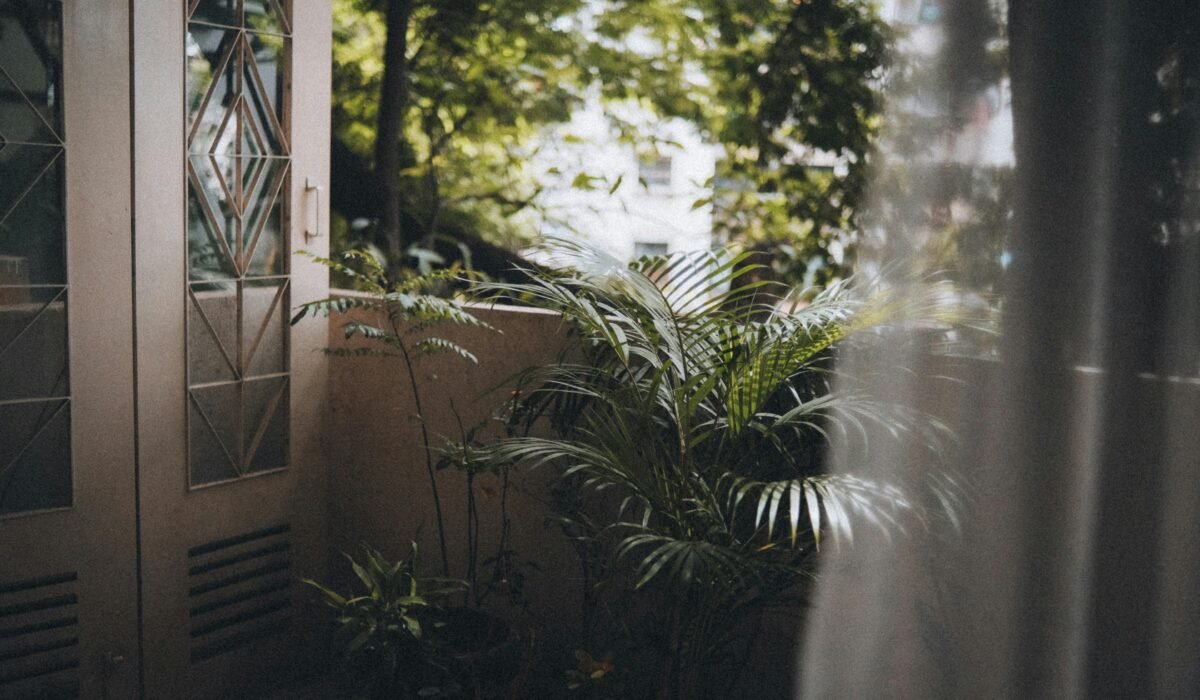
Some balconies, particularly corner setups or enclosed designs, might have limited airflow, which can actually trap humidity if not managed properly. Conversely, fully exposed balconies face the opposite problem, where air circulation is too strong, leading to dry conditions. Understanding your specific setup is key to effective balcony plant care dry climate strategies.
Effective Balcony Plant Humidity Solutions Beyond Misting
Since misting offers only fleeting relief, truly effective balcony plant humidity solutions involve creating a more stable, humid environment. These methods are recommended by university extension services and experienced horticulturalists for sustained results.
Strategic Plant Grouping
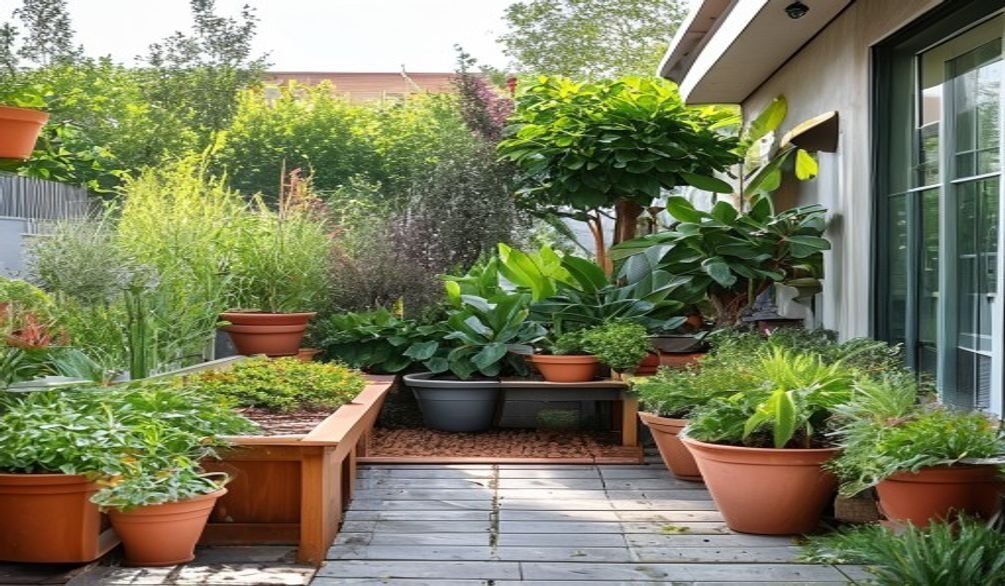
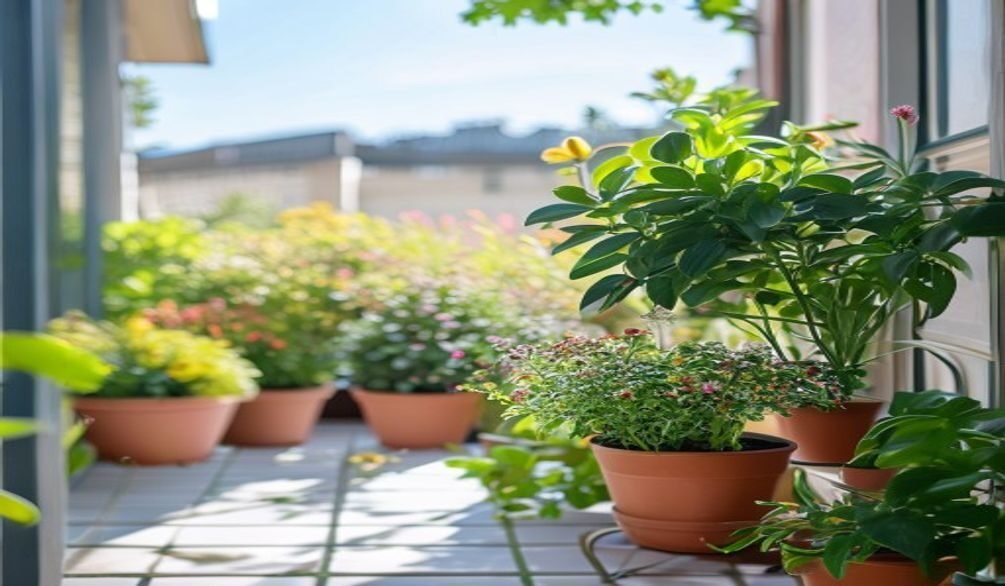
One of the simplest yet most effective ways to boost humidity is through plant grouping. When plants are placed close together, their combined transpiration (the release of water vapor from leaves) creates a localized humid microclimate. This collective moisture helps reduce water loss for each individual plant.
Pebble Trays for Consistent Evaporation
Pebble trays are a classic and reliable method. Simply fill a shallow tray with pebbles and add water until it sits just below the top of the pebbles. Place your potted plants on top, ensuring the pot bottoms don’t sit in the water. As the water evaporates, it gently increases humidity around the plants.
Balcony-Specific Plant Humidifiers
Yes, plant humidifiers aren’t just for indoors! For covered balconies or those with limited wind, compact, weather-resistant humidifiers can be a game-changer. Look for models designed for semi-outdoor use or consider a self-circulating fountain humidifier. Brands like Levoit (e.g., OasisMist 450S Smart Humidifier) or Homvana Cool Mist Humidifiers are popular for their effectiveness, covering a 3-4 ft radius.
Top Strategies for Balcony Garden Humidity Control
Implementing a combination of these strategies will provide comprehensive balcony garden humidity control, ensuring your plants thrive. It’s about creating a holistic environment rather than relying on a single, temporary fix.
Creating a Humid Microclimate with Shelters
Consider physical barriers to mitigate harsh wind and sun. A strategically placed trellis (perhaps a vertical garden trellis) or a temporary shade cloth can reduce wind exposure and excessive heat. This helps stabilize the air around your plants, preserving moisture.
Mulching for Soil Moisture Retention
Mulching the top of your container soil helps retain moisture, reducing the frequency of watering and contributing to ambient humidity as water slowly evaporates. Organic mulches like wood chips or straw are excellent choices for container plant care.
Using Larger Pots and Self-Watering Planters
Larger pots offer more soil volume, which holds moisture longer and provides a more stable root environment. Self-watering planters also ensure a consistent water supply, reducing drought stress and supporting healthy transpiration. This is crucial for maintaining optimal humidity levels.
DIY Misting Systems for Targeted, Temporary Cooling
While not for sustained humidity, a DIY misting system can offer temporary cooling on extremely hot days or help establish new seedlings. Using PVC pipes with brass misting nozzles connected to a garden hose can provide a fine spray that drops the temperature for a short period. This is different from trying to increase overall humidity.
Best Plants for Different Balcony Humidity Conditions
Choosing the right plants for your specific balcony conditions is a fundamental aspect of successful balcony plant humidity solutions. Match your plant’s needs to your balcony’s reality.
Plants for High-Humidity Balconies (Sheltered, Less Wind)
If your balcony is more sheltered or enclosed, you might be able to create a naturally higher humidity environment. Consider tropical plants like:
- Ferns (e.g., Boston Fern, Maidenhair Fern)
- Calatheas
- Orchids (Phalaenopsis)
- Peace Lilies
These plants thrive when relative humidity is typically around 60-80%, and they will appreciate the stable moisture.
Plants for Low-Humidity Balconies (Exposed, Windy, Dry Climate)
For exposed or windy balcony plants, or if you live in a balcony plant care dry climate, focus on species that naturally tolerate lower humidity. These are the best plants for low humidity balcony conditions:
- Succulents & Cacti: Require very little humidity (30-40% RH) and are incredibly drought-tolerant.
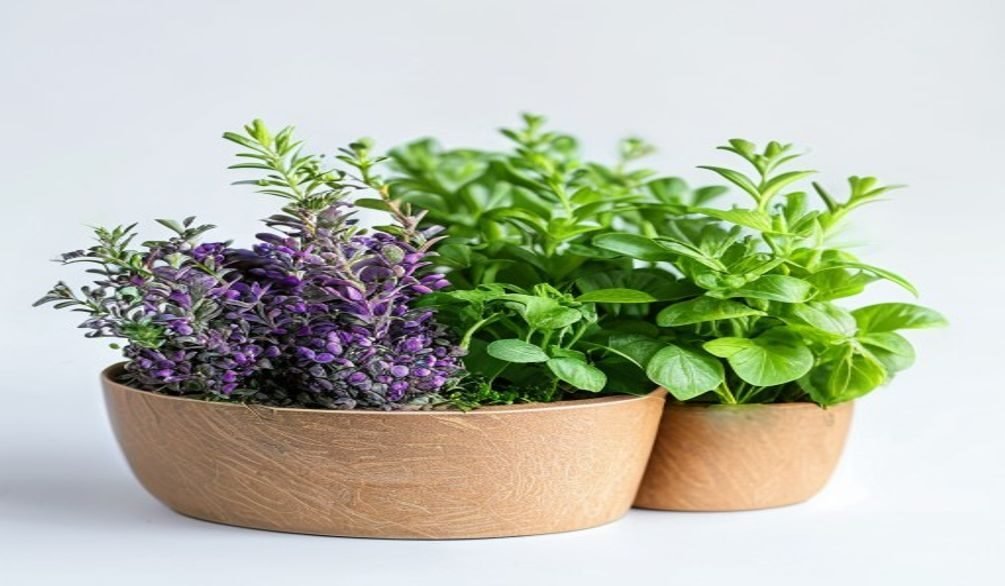
- Herbs: Many herbs like rosemary, lavender, thyme, and oregano are quite resilient.
- Geraniums: Hardy and can withstand drier air.
- Portulaca (Moss Rose): Thrives in hot, dry conditions.
- Bougainvillea: A vibrant, heat-loving vine that tolerates dry air well.
Misting Balcony Plants: When It’s Actually Beneficial (and When to Avoid It)
Despite the myths about misting plants effectiveness for humidity, there are specific scenarios where misting can be beneficial, and equally important, times when it should be avoided.
When Misting is Beneficial
* Leaf Cleaning: A gentle mist can help wash dust and debris off plant leaves, allowing them to photosynthesize more efficiently.
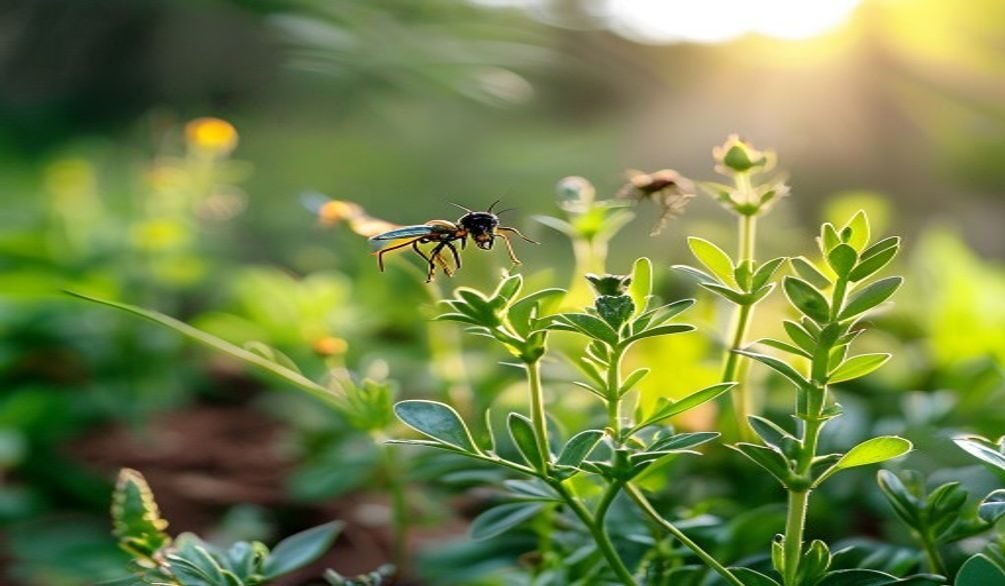
* Pest Deterrence: Regularly misting can temporarily deter common pests like spider mites, which prefer dry conditions. For more persistent issues, learn how to stop aphids organically.
* Temporary Cooling: On extremely hot, still days, a fine mist can provide a brief cooling effect for heat-stressed plants.
* Seed Germination: Misting soil for newly sown seeds keeps the surface moist without disturbing delicate sprouts.
When to Avoid Misting Balcony Plants
* Hairy-Leafed Plants: Plants with fuzzy leaves (e.g., African violets, some begonias) are highly susceptible to fungal diseases on plants like powdery mildew if water sits on their foliage. Sarah Gerrard-Jones notes that misting “may increase the risk of bacterial and fungal infection.”
* In Low Airflow Conditions: If your balcony has poor air circulation, misting can create a stagnant, overly humid environment (above 60% RH) that promotes mold growth and other fungal issues.
* As a Primary Humidity Solution: As established, misting is not a substitute for consistent humidity control methods like pebble trays or humidifiers. Don’t rely on it for long-term moisture.
Monitoring Balcony Humidity: Tools and Tips
You can’t manage what you don’t measure. For effective balcony plant humidity solutions, understanding your actual humidity levels is crucial.
Using Humidity Sensors (Hygrometers)
A simple hygrometer or humidity sensor is an invaluable tool. These devices measure the relative humidity (RH) in the air. For precise monitoring, especially on a balcony, smart sensors are excellent.
- Govee WiFi Thermometer Hygrometer: An affordable option that connects directly to WiFi, allowing you to monitor conditions from your phone without needing a separate hub.
- SensorPush HT.w: Offers high precision (±0.1°F accuracy) for those who need very specific data.
- Aqara Temperature and Humidity Sensor: Known for its accuracy, long battery life, and smart home integration (Zigbee, Matter-ready).
Place your sensor near your plants, ideally within the plant grouping, to get an accurate reading of the immediate microclimate.
Understanding Optimal Humidity Levels
Most indoor plants thrive in a relative humidity (RH) range of 40-60%. Tropical plants prefer higher humidity, typically around 60-80%, with some species even enjoying up to 90%. Conversely, desert plants like cacti and succulents do well in lower humidity, around 30-40%. Use these benchmarks to guide your humidity control efforts.
Common Mistakes and Risks in Balcony Plant Humidity Management
Even with the best intentions, certain pitfalls in managing your balcony plant humidity solutions can harm your plants. Avoiding these common errors is as important as implementing good practices.
Over-Reliance on Misting for Humidity
As Dr. Stu Farrimond and Jonny Balchandani highlight, misting does not provide lasting humidity. Relying solely on it is a primary mistake that leaves plants dehydrated in dry conditions and susceptible to other issues. Understand that misting plants for humidity myths are prevalent, but the science is clear.
Ignoring Balcony-Specific Microclimates
Treating your balcony like a generic indoor space or an open garden leads to problems. Failing to account for wind, sun intensity, and heat retention means your humidity strategies won’t be tailored to the real challenges. Always consider your unique balcony microclimates.
Creating Stagnant, Overly Humid Conditions
While humidity is good, too much of a good thing, especially without adequate airflow, can be detrimental. Humidity levels consistently above 60%, particularly with poor air circulation, create ideal conditions for fungal diseases on plants like powdery mildew and leaf spot, and can also attract pests like fungus gnats. This can even lead to costly mold remediation in your living space. The University of Illinois Urbana-Champaign Extension cautions against misting if signs of disease are present.
Using Tap Water for Misting or Humidifiers
Tap water often contains salts, chlorine, and other minerals that can leave unsightly white deposits on plant leaves and clog humidifier nozzles. Over time, these mineral deposits can also build up in the soil. For best results, use distilled water, rainwater, or filtered water for misting and humidifiers.
Frequently Asked Questions
Does misting plants actually increase humidity?
No, misting plants provides only a remarkably short-lived increase in humidity, typically lasting just 30 seconds to five minutes. The moisture quickly dissipates into the air, especially on an outdoor balcony, making it ineffective for sustained humidity control. Experts agree it offers temporary relief but doesn’t solve long-term humidity needs.
How often should you mist balcony plants?
You should avoid misting balcony plants as a primary method for increasing humidity. If you choose to mist for other benefits like leaf cleaning or temporary cooling, do so sparingly, perhaps once a week, and only on plants not susceptible to fungal diseases. Always ensure good air circulation to prevent moisture from lingering on leaves.
What is the best way to humidify outdoor plants?
The best ways to humidify outdoor plants, especially on a balcony, involve creating a stable microclimate. Effective methods include strategic plant grouping, using pebble trays beneath pots, and employing compact, weather-resistant plant humidifiers. These strategies provide a consistent, localized increase in humidity around your plants.
What plants benefit from misting?
Few plants genuinely benefit from misting as a humidity solution. However, some tropical plants with smooth leaves might appreciate occasional misting for leaf cleaning or temporary cooling. Avoid misting plants with hairy leaves, as this can promote fungal diseases. For true humidity lovers, focus on other, more effective solutions.
By moving beyond the myth of misting as a primary solution, you can implement truly effective balcony plant humidity solutions that cater to your unique outdoor space. Understanding your balcony’s microclimate and choosing the right plants and strategies will lead to a thriving, vibrant garden. Start by assessing your balcony’s conditions and gradually introduce methods like plant grouping and pebble trays to create a healthier environment for your beloved plants.