Feeling cramped by a tiny yard or balcony but dreaming of an explosion of color? You’re not alone in wanting to transform limited space into a vibrant floral haven, and this guide to designing a small flower garden will show you exactly how to maximize blooms, even in the tightest spots. We’ll explore hyper-efficient strategies to achieve year-round beauty with minimal effort and a budget-friendly approach.
Planning Your Small Flower Garden: Smart Start
Before digging in, a little upfront planning goes a long way in creating an impactful small garden. Think of this as your blueprint for success, ensuring every inch serves a purpose and contributes to the overall aesthetic. This crucial first step sets the stage for a hyper-efficient small flower garden.
Assess Your Space and Conditions
Start by truly understanding your microclimate and available area. Observe how much sunlight your garden spot receives throughout the day, noting both direct sun and shaded periods. This directly impacts your plant choices, as most flowering plants have specific light requirements.
Next, consider your soil type and drainage. Is it sandy, clay, or loamy? Good drainage is essential for healthy roots, especially in confined spaces. Understanding these conditions helps you select plants that will thrive, not just survive.
Define Your Vision and Theme
What feeling do you want your small space landscaping to evoke? A cohesive theme prevents a cluttered look and guides your plant and material choices. Whether it’s a tranquil cottage garden, a modern minimalist display, or a vibrant tropical escape, having a clear vision helps you choose plants, colors, and textures that complement each other. As renowned Dutch garden designer Piet Oudolf advises, “A small garden doesn’t mean small impact. Focus on texture and form as much as color.” Repetition of a few key plants can create a sense of cohesion and abundance.
How to Make a Small Flower Garden Look Bigger and Fuller?
Creating the illusion of more space and abundance is key when you’re designing a small flower garden. Strategic design principles can trick the eye, making your compact area feel expansive and lush. This is where smart garden design truly shines.
Clever Design Tricks for Visual Expansion
One effective technique is to use **diagonal lines and curves** in your paths or planting beds instead of straight ones. This creates a journey for the eye, making the space appear longer and wider. Another trick is to place a mirror on a wall or fence, reflecting the garden and doubling its perceived size.
Consider using a consistent color palette, especially cooler colors like blues, purples, and whites, at the far end of your garden. These colors tend to recede visually, enhancing the illusion of depth. Conversely, warm colors like reds and oranges can be used closer to the viewer to draw the eye.
Layering and Focal Points
Layering plants by height, from tall background plants to medium-height fillers and low-growing groundcovers, adds depth and complexity. This creates a lush, multi-dimensional look that distracts from the actual size of the space. Think about creating a sense of natural movement rather than rigid rows.
Introducing a small focal point, such as an ornamental bird bath, a unique sculpture, or a strategically placed container, draws the eye and provides a sense of destination. This diverts attention from the garden’s boundaries, making it feel more intentional and less confined.
Best Flowers for a Small Garden: Compact & Continuous Blooms
Selecting the right plants is paramount for a successful small flower garden. You need workhorses that offer maximum visual impact without overwhelming the space. The Royal Horticultural Society (RHS) emphasizes prioritizing plants that are disease-resistant, have a compact growth habit, and offer extended periods of interest.
Dwarf Perennials and Long-Blooming Annuals
For continuous color, focus on **dwarf perennial plants** and long-blooming annuals. Dwarf varieties of popular perennials like astilbe, coneflowers, hostas, and daylilies offer all the beauty in a manageable size. They return year after year, reducing the need for constant replanting.
Annuals such as impatiens, petunias (‘Wave’ series), calibrachoa, and dwarf zinnias are fantastic for filling in gaps and providing non-stop color from spring until frost. Look for varieties specifically bred for compact growth, which are often labeled as “patio” or “container” types.
Shrubs and Roses for Small Spaces
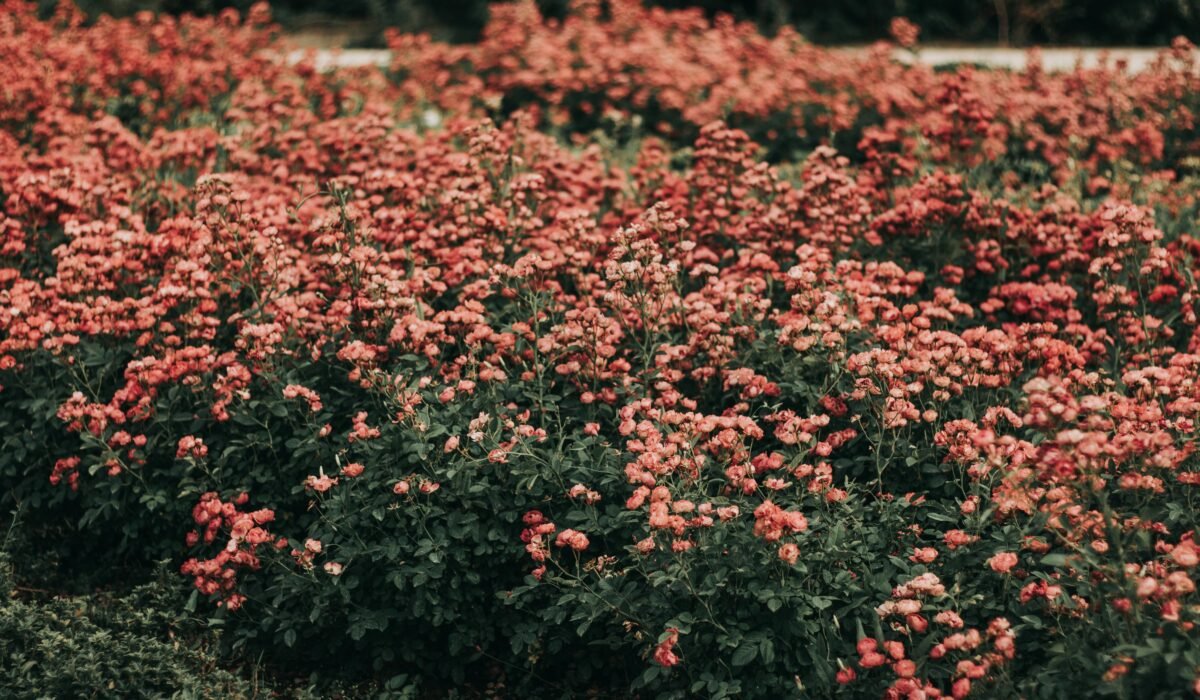
Don’t shy away from shrubs or roses; many compact varieties are perfect for small spaces. For example, the “Flower Carpet” series of groundcover roses offers continuous blooms with minimal pruning, fitting beautifully into small beds or containers. Miniature rose varieties like ‘Sweet Pea’ are also excellent choices, providing traditional rose beauty on a smaller scale. Dwarf hydrangeas, like ‘Little Lime’ or ‘Bobo’, offer stunning flower heads without taking over. These plants provide structure and year-round garden interest.
Maximizing Planting in Limited Space: Vertical & Container Strategies
When horizontal space is a luxury, look up! Vertical gardening solutions and container garden ideas are game-changers for maximizing blooms in tiny gardens. This approach allows you to layer plants in ways traditional ground beds simply can’t.
Embracing Vertical Gardening Solutions
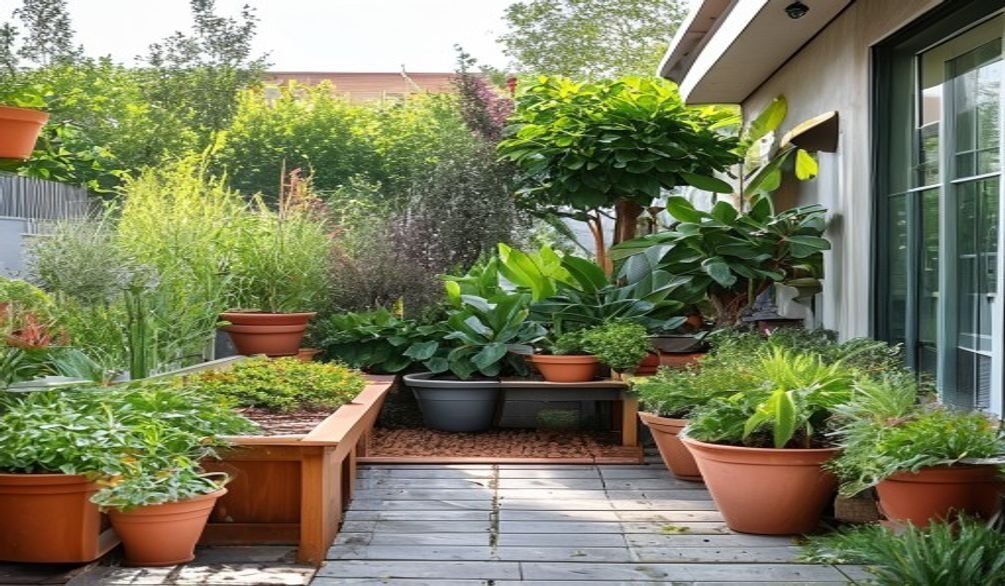
Vertical gardening is an incredibly efficient way to expand your planting area without consuming precious ground space. Think about installing wall-mounted planters, tiered shelving units, or even repurposing old pallets into a living wall. These vertical flower garden ideas allow plants to cascade downwards or grow upwards, creating a lush, green tapestry. Urban gardeners frequently use systems like “GreenStalk Garden Planters” to stack compact flowering annuals such as trailing petunias or calibrachoa, demonstrating maximized bloom space on patios.
Vertical Gardening for Beginners: Essential Guide & Setup offers more in-depth advice.
Creative Container Garden Ideas
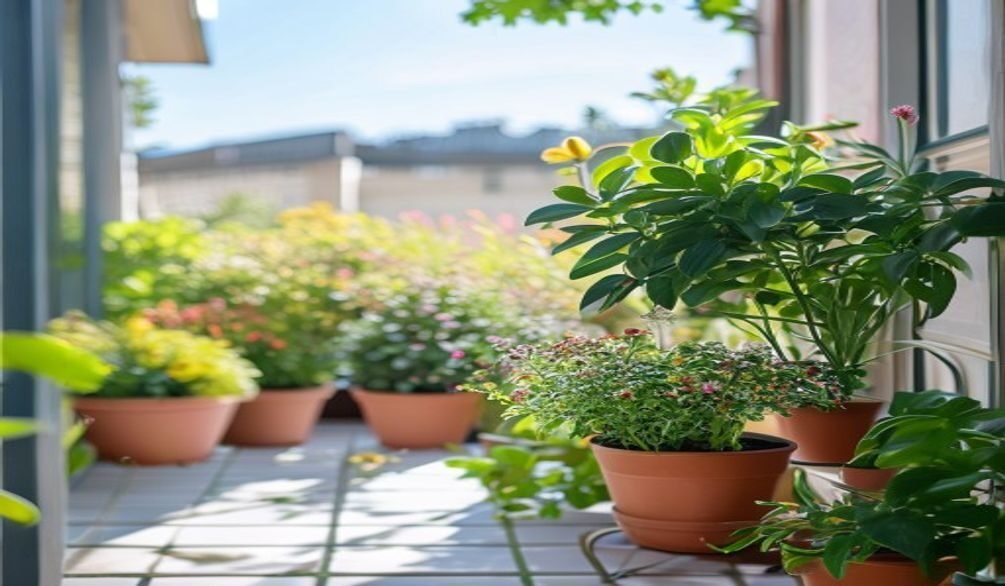
Containers offer unparalleled flexibility, allowing you to move plants according to sunlight needs or simply to refresh your garden’s look. Choose pots of varying sizes and materials to add visual interest, but ensure they have drainage holes. For continuous blooms, the “thriller, filler, spiller” method is a popular strategy, exemplified by brands like Proven Winners.
* **Thriller:** A tall, upright plant for dramatic height (e.g., dwarf dahlia, canna lily).
* **Filler:** Mounding plants that fill the body of the container (e.g., coleus, impatiens).
* **Spiller:** Trailing plants that cascade over the edges (e.g., sweet potato vine, calibrachoa).
This combination creates a full, multi-layered display in a tiny footprint, making container gardening for continuous blooms an art form.
Year-Round Beauty: Succession Planting for Continuous Blooms
The dream of a small flower garden bursting with color from spring through fall, and even into winter, is entirely achievable with succession planting. This technique ensures that as one plant fades, another is ready to take its place, maintaining a vibrant display. Dr. Allan Armitage wisely advises, “For small spaces, think vertically and consider multi-seasonal interest. Every plant must earn its keep.”
Mastering the Succession Planting Guide
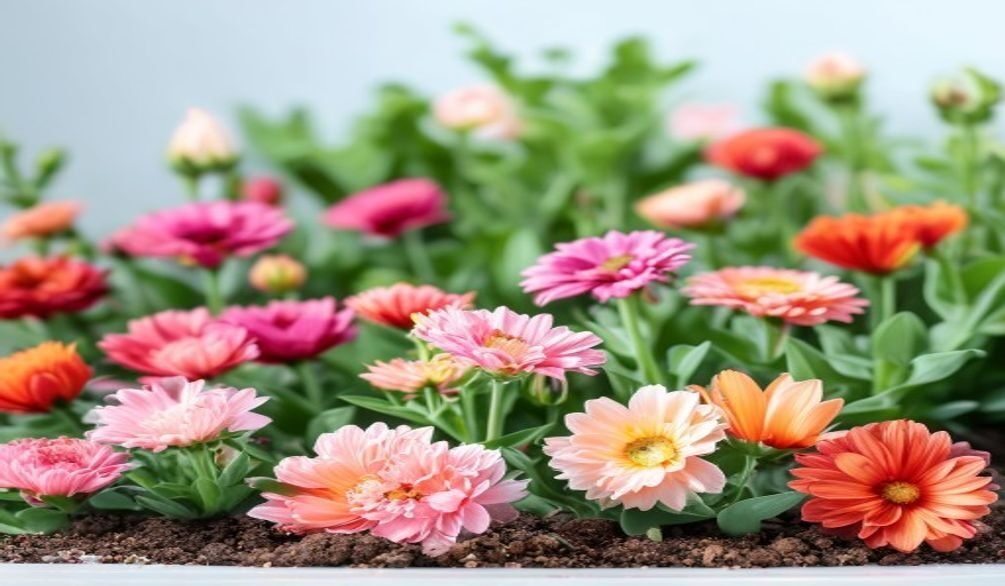
The core idea behind succession planting is staggering your plantings and choosing plants with different bloom times. Start by selecting early spring bloomers like crocus and daffodils, followed by mid-spring tulips and pansies. As these fade, summer annuals and perennials like petunias, zinnias, and coneflowers can take center stage. For fall, incorporate chrysanthemums, asters, and ornamental kales.
For a hyper-efficient approach, consider a detailed succession planting schedule tailored to your USDA hardiness zone. For instance, in Zone 7, you might plant snapdragons and calendula in early spring, follow with dwarf dahlias and salvia in late spring for summer blooms, then transition to pansies and ornamental cabbage in late summer for fall and winter interest.
Choosing Plants for Multi-Seasonal Interest
Beyond just flowers, think about plants that offer attractive foliage, interesting seed pods, or berries. Heuchera (coral bells) provides stunning leaf color year-round, while ornamental grasses add texture and movement, especially in winter. Consider evergreens with compact growth habits for structure. These elements contribute to year-round garden interest, ensuring your small garden never looks bare.
Budget-Friendly Small Garden Design: Tips & Cost Savings
Designing a beautiful small flower garden doesn’t have to break the bank. With smart choices and a little creativity, you can achieve stunning results on a limited budget. This section focuses on small garden ideas on a budget, maximizing impact without overspending.
Smart Choices for Cost-Effective Gardening
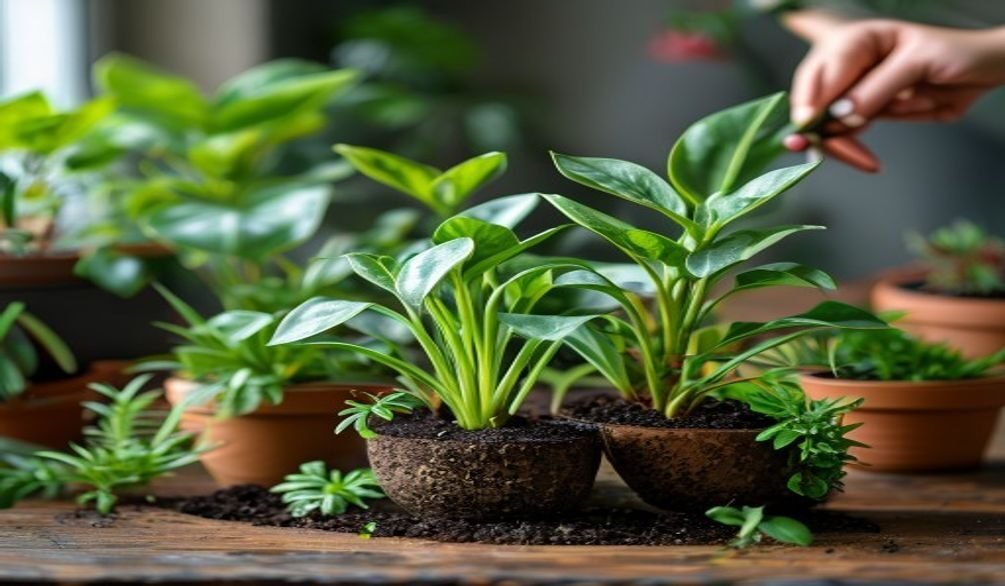
One of the biggest cost savings comes from **starting plants from seed** rather than buying mature plants. While it requires patience, seeds are significantly cheaper and offer a wider variety of choices. You can also participate in plant swaps with local gardening clubs to share divisions of perennials or excess seedlings.
Repurpose household items into unique planters. Old tires, wooden crates, tin cans (with drainage holes added), or even discarded furniture can be transformed into quirky and charming containers. This not only saves money but also adds character to your small space.
Investing Wisely: Where to Spend and Save
While you can save on plants and containers, it’s wise to invest in good quality soil and soil amendments. Healthy soil is the foundation for healthy plants, and poor soil will inevitably lead to struggling blooms and wasted effort. Consider investing in a high-quality potting mix for containers, as it provides essential nutrients and drainage. For larger beds, improving existing soil with compost is a worthwhile investment. Remember, a well-maintained garden can significantly increase a home’s perceived value, according to a 2023 survey by the National Association of Realtors, making smart investments pay off.
Integrated Pest Management for Tiny Spaces
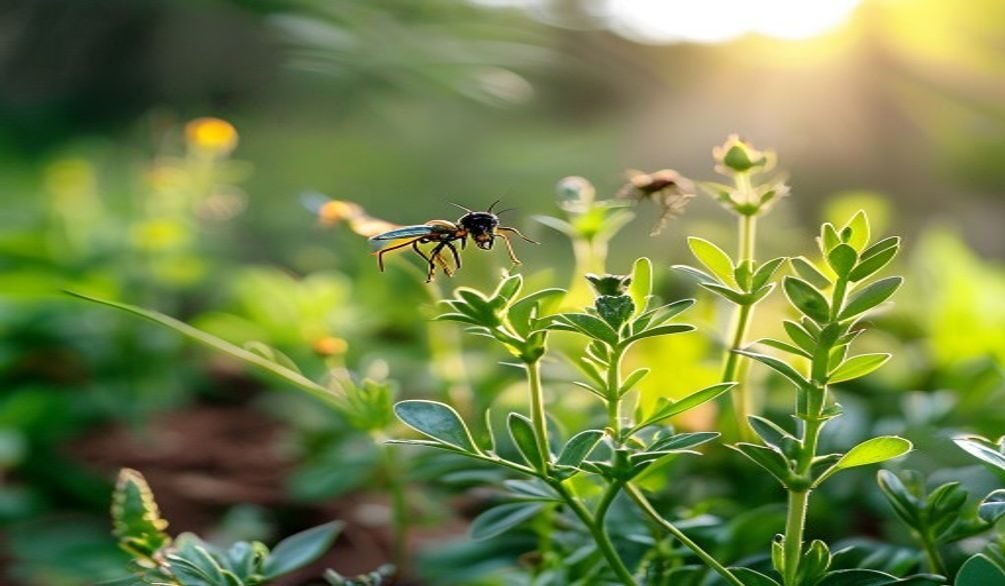
Pests and diseases can quickly decimate a small garden, where every plant is highly visible and vital to the overall design. Integrated Pest Management (IPM) focuses on prevention and eco-friendly solutions, crucial for maintaining healthy blooms without harsh chemicals. This approach is particularly effective for an organic pest control small garden.
Preventative Measures and Organic Solutions
The first line of defense is choosing **disease-resistant plant varieties** and ensuring proper plant spacing for good air circulation. Healthy plants are naturally more resilient to pests. Regularly inspect your plants for early signs of trouble, like chewed leaves or sticky residue.
If pests appear, start with non-toxic solutions. Hand-picking larger pests like slugs or caterpillars is effective in small gardens. A strong spray of water can dislodge aphids, while insecticidal soap or neem oil sprays can treat infestations on a small scale. For more detailed advice, refer to our guide on Organic Flower Garden Pest Control: Healthy Blooms Guide.
Companion Planting for Pest Deterrence
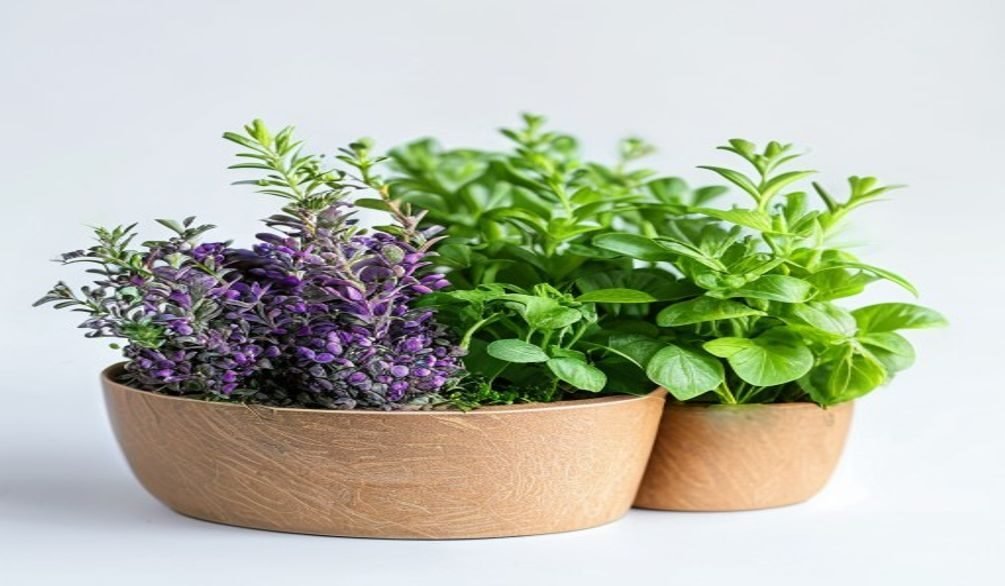
Companion planting is a natural and beautiful way to deter pests in your small garden. Marigolds, for instance, are known to repel nematodes and other harmful insects. Nasturtiums can act as a “trap crop,” luring aphids away from more desirable plants. Planting herbs like basil or mint among your flowers can also help keep certain pests at bay while adding a lovely fragrance. This strategy supports a balanced ecosystem within your tiny garden.
Maintaining Your Small Flower Garden for Lasting Beauty
A small flower garden, while often less labor-intensive than a large one, still requires consistent care to thrive and maintain its beauty. Regular maintenance ensures continuous blooms and keeps your compact space looking its best. Even small-scale gardening activities significantly reduce stress levels, as found by a 2023 study in *Environmental Science & Technology*.
Watering and Fertilizing Best Practices
Watering is critical, especially for container gardens, which dry out faster than in-ground beds. Check soil moisture daily by sticking your finger an inch or two into the soil; water when it feels dry. Consider installing a small drip irrigation system or using self-watering planters for efficiency, particularly if you have a balcony garden design.
For fertilizing, a slow-release granular fertilizer or a diluted liquid feed every 2-4 weeks can provide essential nutrients. Always follow product instructions to avoid over-fertilizing, which can harm plants. Focus on balanced fertilizers that support both foliage and flower development.
Deadheading, Pruning, and Weeding
**Regular deadheading** (removing spent flowers) is crucial for encouraging plants to produce more blooms instead of setting seed. This simple task can significantly extend the flowering period of many annuals and perennials. Light pruning helps maintain shape, removes leggy growth, and promotes bushier plants.
Even in a small space, weeds compete for water and nutrients. Promptly remove any weeds you spot to prevent them from taking over. Mulching your garden beds and containers with a layer of organic material like shredded bark or compost helps suppress weeds, retain moisture, and regulate soil temperature.
Frequently Asked Questions
How do you make a small flower garden look bigger?
To make a small flower garden look bigger, employ visual tricks such as using diagonal lines in pathways or beds, incorporating mirrors to reflect the garden, and placing cool-colored plants at the far end to create depth. Layering plants by height and establishing a single focal point also draws the eye, making the space feel more expansive than it is.
What flowers are best for a small garden?
The best flowers for a small garden are compact varieties of perennials and long-blooming annuals that offer continuous color without overcrowding. Look for dwarf perennial plants like miniature roses or compact hydrangeas, and annuals such as ‘Wave’ petunias, calibrachoa, or dwarf zinnias. These choices maximize blooms in tiny gardens.
How do you maximize planting in a small garden?
Maximizing planting in a small garden involves utilizing vertical space with solutions like wall-mounted planters or tiered shelving, and embracing container garden ideas. The “thriller, filler, spiller” method for containers creates a full, multi-layered display, while succession planting ensures continuous blooms throughout the seasons.
How do you make a small garden look full?
To make a small garden look full, focus on dense planting, layering different plant heights, and choosing varieties with lush foliage or continuous blooms. Utilize vertical gardening solutions and strategic container arrangements to add multiple levels of greenery and flowers. Consistent deadheading also encourages more blooms, maintaining a lush appearance.
Your small garden doesn’t have to be a compromise; it can be a vibrant, efficient, and deeply rewarding space. By embracing smart planning, strategic plant choices, and continuous care, you can create a hyper-efficient small flower garden that delivers year-round beauty and maximizes blooms in limited space. Start designing your dream garden today and transform that tiny patch into your personal floral paradise.