Dreaming of fresh produce or a vibrant green wall, but limited by space? You’re not alone. Many aspiring gardeners wonder if vertical gardening for beginners is truly achievable, and the short answer is yes! This guide will walk you through the essential tools and straightforward setup process to help you transform any small space into a thriving vertical garden.
What is Vertical Gardening and Why Start One?
Vertical gardening is a revolutionary approach to growing plants where crops are stacked vertically, often using a structure like a wall or a freestanding frame, rather than spread out horizontally on the ground. This method leverages vertical space, making it ideal for small space gardening and urban farming. It’s not just a trend; it’s a smart solution for modern living.
The benefits of vertical garden systems are impressive. According to P&S Intelligence, the global vertical farming market is projected to reach USD 24.9 billion by 2032, advancing at a compound annual growth rate of 21.3% from 2025–2032, showing its rapid adoption. This growth is driven by its efficiency: vertical farms can achieve an astounding 98% reduction in water usage and a 99% decrease in land requirements compared to traditional farming methods.
Beyond the environmental advantages, vertical gardens yield up to 10 times more produce per square foot, transforming previously unused spaces into productive green oases. As Oklahoma State University Extension consumer horticulturist David Hillock notes, “Vertical gardening is a great way to take advantage of empty vertical space such as walls or fences, or even free-standing structures,” offering accessibility benefits for seniors or those with limited mobility. The real magic is in reclaiming overlooked areas for lush growth.
What Do You Need for a Vertical Garden?
Setting up a vertical garden doesn’t require a massive investment, but a few essential items will ensure your success. The core components revolve around structure, growing medium, plants, and water. Understanding these will help you gather the right supplies.
Essential Tools and Materials
- Vertical Garden Structure: This is the backbone of your system. Options range from simple tiered planters and garden wall pockets to more complex hydroponic vertical garden towers.
- Growing Medium: For soil-based systems, a high-quality potting mix is crucial. For hydroponic setups, inert media like rockwool, coco coir, or perlite are used.
- Plants: Choose plants suitable for vertical growing and your local climate.
- Watering System: This can be as simple as a watering can for smaller setups or a drip irrigation system for larger installations.
- Nutrients: Plants in containers or hydroponic systems need supplemental feeding.
- Light Source: If indoors, supplemental lighting might be needed. Grow lights are essential for healthy indoor growth.
- Basic Hand Tools: Trowel, pruning shears, and gloves.
The beauty of vertical gardening is how adaptable the basic components are to your specific space and budget. Don’t feel pressured to buy the most expensive gear; start with what you can manage.
Easiest Vertical Garden to Start for Beginners
When diving into vertical gardening for beginners, simplicity often leads to the most consistent success. You don’t need a green thumb to get started with these straightforward options. The easiest vertical garden to start typically involves stackable planters or simple pocket systems.
Stackable Planters
Systems like the Mr. Stacky Smart Farm or the GreenStalk Vertical Planter are incredibly user-friendly. They consist of multiple tiers that stack on top of each other, allowing you to grow numerous plants in a small footprint. They often come with integrated watering systems that distribute water from the top down, simplifying vertical garden plant care. These are fantastic for a variety of container gardening plants, from herbs to strawberries.
Pocket Planters or Fabric Walls
These systems feature multiple pockets made from felt or fabric, which can be hung on a wall or fence. They are lightweight, affordable, and excellent for herbs, leafy greens, or succulents. Epic Gardening often highlights these as a great entry point due to their ease of installation and low cost. Just hang, fill with soil, and plant!
For those looking for an indoor vertical garden for beginners, compact hydroponic units like the AeroGarden Harvest 360 are incredibly popular. They come with everything you need, including LED grow lights and pre-seeded pods, making the learning curve almost non-existent for growing herbs and small vegetables.
DIY vs. Pre-Made Vertical Garden Systems: A Cost-Benefit Analysis
Deciding between building a DIY vertical garden for beginners or investing in a pre-made system is a common dilemma. Your budget, time commitment, and desired aesthetic will largely dictate the best choice. Here’s a quick comparison to help you weigh your options.
DIY Vertical Garden Systems
DIY options leverage repurposed materials, offering significant cost savings. Think pallet planters, repurposed rain gutters, or even plastic bottles. These projects typically require more time and some basic DIY skills, but the satisfaction of creating something yourself is immense. For instance, a DIY vertical garden using old pallets can be constructed for minimal cost, requiring only landscape fabric, staples, and soil. Rain gutter gardens are also inexpensive and easy to set up for leafy greens.
Pre-Made Vertical Garden Systems
Pre-made systems, such as the VIVOSUN 5-Tier Stackable Planter or the GreenStalk, offer convenience and often a more polished look. They come with all necessary components and clear instructions, minimizing setup time and effort. While the initial investment is higher, these systems often include features like efficient watering, durable materials, and modular designs that can be expanded later. Many of the best vertical garden systems for beginners fall into this category because they simplify the entire process.
Here’s a quick overview:
| Feature | DIY Vertical Garden | Pre-Made Vertical Garden System |
|---|---|---|
| Cost | Low (repurposed materials) | Moderate to High (initial investment) |
| Time & Effort | High (design, construction) | Low (assembly, setup) |
| Customization | High (tailored to exact space) | Moderate (modular additions) |
| Durability | Varies (depends on materials/skill) | Generally high (engineered for purpose) |
| Aesthetics | Rustic, unique | Modern, uniform, professional |
What most people miss is that the true cost isn’t just monetary; it’s also the value of your time and the aesthetic you desire. If you enjoy crafting and saving money, DIY is a great path. If convenience and a sleek design are priorities, a pre-made system is worth the investment.
Best Plants for a Beginner Vertical Garden
Choosing the right vertical garden plants is half the battle won for beginners. Focus on plants with shallow root systems, compact growth habits, and similar light and watering needs. This simplifies vertical garden plant care and maximizes your chances of success.
Top Choices for Beginners
- Leafy Greens: Lettuce, spinach, kale, and Swiss chard thrive in vertical setups. They grow quickly and are easy to harvest.
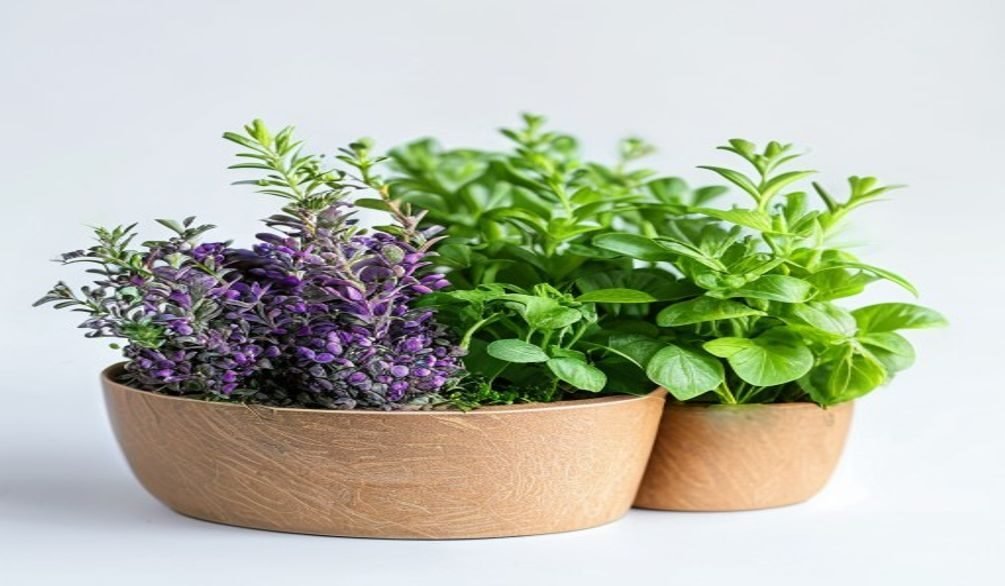
- Herbs: Basil, mint, chives, cilantro, parsley, and thyme are excellent choices for a vertical herb garden. Their aromatic leaves are perfect for culinary use and they generally don’t require deep soil. Growing perennial herbs can offer year-round enjoyment.
- Strawberries: These berries are naturally suited to cascading over the sides of vertical planters, making them a popular and rewarding choice.
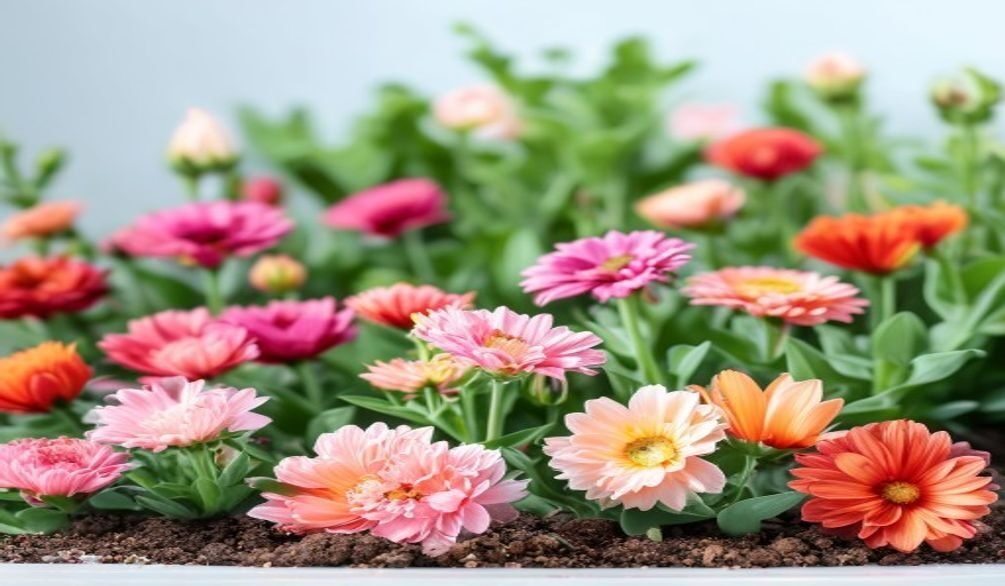
- Small Flowers: Pansies, violas, petunias, and impatiens add beauty and can attract pollinators.
- Bush Beans and Peas: Certain bush varieties can do well, especially if given a small trellis or support structure to climb within their vertical pocket.
For those venturing into a hydroponic vertical garden, lettuce, kale, and various herbs are almost foolproof. They respond very well to consistent nutrient delivery and controlled environments. Derek Fell, author of “Vertical Gardening,” has experimented with thousands of plant varieties and consistently recommends these compact, high-yield options for new vertical gardeners.
Step-by-Step Vertical Garden Setup for Beginners
Once you’ve chosen your vertical garden system and plants, it’s time for the fun part: setting it up! This step-by-step guide will walk you through the process, ensuring a smooth start to your vertical gardening for beginners journey.
- Choose Your Location:
- Sunlight: Most vegetables and herbs need 6+ hours of direct sunlight daily. Observe your chosen spot throughout the day.
- Support: Ensure the wall or structure can support the weight of your fully planted and watered vertical garden.
- Water Access: Position near a water source for easy watering.
- Assemble Your Vertical Garden System:
- Follow the manufacturer’s instructions for pre-made vertical garden systems.
- For DIY setups, ensure all components are securely fastened and stable. If using a pallet, ensure it’s heat-treated (HT stamped) and not chemically treated (MB stamped).
- Prepare Your Growing Medium:
- For soil-based systems, use a good quality potting mix, not garden soil, which can be too heavy and contain pests.
- For hydroponic systems, prepare your inert medium and nutrient solution according to instructions. Hydroponic seed starting is a great way to get a head start.
- Plant Your Seedlings or Seeds:
- Gently transplant seedlings into their designated pockets or containers. Don’t overcrowd.
- If direct sowing seeds, follow packet instructions for depth and spacing.
- Consider staggering planting times for continuous harvests of leafy greens.
- Water Thoroughly:
- Water immediately after planting. Ensure all pockets receive adequate moisture.
- For top-watering systems, water until you see drainage from the bottom.
- Monitor and Adjust:
- Keep an eye on sunlight, moisture levels, and plant health daily.
- Consider rotating your vertical garden if some areas receive less light, especially for indoor setups or those on wheels like the GreenStalk.
In practice, patience and careful planning are your best tools. Don’t rush the setup; a solid foundation makes all the difference for a thriving vertical garden.
Common Vertical Gardening Mistakes and How to Fix Them
Every gardener, especially beginners, makes mistakes. The key is to recognize them early and know how to fix them. Vertical gardens have unique challenges due to their elevated and often exposed nature.
Uneven Watering
Mistake: Some pockets dry out faster than others, leading to inconsistent growth or plant death. This is common in tiered systems where the top receives more water initially.
Fix: Implement a drip irrigation system or manually water each pocket, ensuring even moisture. Consider using moisture-retaining growing media. For stackable systems, ensure water flows freely through all tiers.
Insufficient Light
Mistake: Plants stretching, looking pale, or failing to produce. This often happens with indoor vertical garden for beginners setups or outdoor gardens in shaded areas.
Fix: Relocate the garden to a sunnier spot or supplement with appropriate grow lights. Rotate the garden regularly so all sides get sun exposure. Patrick Blanc, the vertical garden genius, always emphasizes understanding light exposure for plant success.
Nutrient Deficiencies
Mistake: Yellowing leaves, stunted growth, or poor yields, especially in container or hydroponic systems.
Fix: Regularly fertilize with a balanced liquid fertilizer designed for vertical gardens or container gardening. For hydroponics, ensure your nutrient solution is correctly mixed and refreshed. Remember, potting mix nutrients deplete faster than garden soil. Fertilizing your vegetable garden is essential for healthy growth.
Pest Infestations
Mistake: Pests like aphids or spider mites can quickly spread in a dense vertical garden.
Fix: Regularly inspect plants, especially the undersides of leaves. Introduce beneficial insects or use organic pest control methods like neem oil or insecticidal soap. How to stop aphids organically is a crucial skill for any gardener. Early detection is vital.
Every gardener makes mistakes; learning from them is key. Don’t get discouraged; instead, view these challenges as opportunities to refine your vertical gardening skills.
Advanced Tips for Thriving Vertical Gardens
Once you’ve mastered the basics of vertical gardening for beginners, you might be ready to explore techniques that can take your green wall to the next level. The possibilities are truly endless.
Automated Watering Systems
For larger vertical garden systems, especially those with many pockets or containers, an automated drip irrigation system can be a game-changer. These systems deliver water directly to the plant roots, reducing waste and ensuring consistent moisture. Many can be set on timers, freeing you from daily watering duties.
Nutrient Management in Hydroponics
If you’ve ventured into a hydroponic vertical garden, focus on precise nutrient management. Regularly test the pH and EC (electrical conductivity) of your nutrient solution. Brands like Rise Gardens note that AI-powered climate control in vertical gardens can reduce energy use by 30% while increasing yields through constant environment optimization. This level of control optimizes plant growth significantly. Hydroponic system cleaning and sterilization is also critical for long-term success.
Integrated Pest Management (IPM)
Beyond basic pest control, consider an IPM strategy. This involves a holistic approach, including companion planting (e.g., marigolds to deter nematodes), attracting beneficial insects, and regular scouting. A healthy, diverse vertical garden is naturally more resilient to pests.
Pruning and Training
Regular pruning is essential for maintaining plant health and maximizing yields in a vertical setup. It encourages bushier growth, better air circulation, and directs the plant’s energy into fruit or leaf production rather than unruly sprawl. For vining plants, gentle training can guide them along supports, optimizing space and light exposure.
Once you master the basics, the possibilities for a thriving vertical garden are truly endless, allowing you to experiment and expand your gardening horizons.
Frequently Asked Questions
What is the easiest vertical garden to start?
The easiest vertical garden to start for beginners is typically a stackable planter system, like those from Mr. Stacky or GreenStalk, or simple fabric pocket planters. These require minimal assembly, are forgiving with watering, and are perfect for growing herbs and leafy greens.
What do I need for a vertical garden?
For a basic vertical garden, you’ll need a suitable structure (stackable planter, wall pockets, or a DIY frame), a good quality potting mix or hydroponic medium, appropriate plants, a watering system (even a simple watering can), and access to adequate sunlight. Basic hand tools like a trowel and pruning shears are also helpful.
What is the cheapest way to make a vertical garden?
The cheapest way to make a vertical garden is by repurposing materials you might already have. Options like DIY pallet planters, using old rain gutters cut and capped, or even suspended plastic bottles can create effective and budget-friendly vertical garden systems for herbs and small greens.
What are the best plants for a beginner vertical garden?
The best plants for a beginner vertical garden are those with shallow roots and compact growth habits. Excellent choices include leafy greens (lettuce, spinach, kale), most herbs (basil, mint, chives), and small fruits like strawberries. These plants are generally low-maintenance and yield well in vertical setups.
Embracing vertical gardening for beginners opens up a world of possibilities for growing fresh produce and enhancing your living space, no matter how small. By understanding the essential tools, choosing the right system, and learning from common mistakes, you’re well on your way to a thriving vertical oasis. Start small, learn as you grow, and enjoy the incredible satisfaction of harvesting from your very own green wall. Your journey to transforming unused space into a productive garden begins now!