Stepping into the world of gardening can feel overwhelming, especially when it comes to understanding how to feed your plants. If you’re wondering how to nourish your green companions effectively, this essential guide to basic garden fertilizers for beginners is your starting point, cutting through the confusion to give you clear, actionable advice.
What are Basic Garden Fertilizers and Why Are They Essential?
At its core, a basic garden fertilizer isn’t “plant food” in the way we think of our own meals; plants primarily make their own food through photosynthesis. Instead, fertilizers are supplements that provide crucial nutrients plants need to thrive, especially when your soil lacks these elements. Think of them as vitamins for your garden.
These essential nutrients are vital for healthy growth, vibrant blooms, and bountiful harvests. Without adequate fertilization, your plants might display signs of plant nutrient deficiencies, like stunted growth, yellowing leaves, or poor fruit development, which ultimately impact your gardening success. The goal isn’t to overfeed, but to provide what’s missing.
What most people miss is that while soil naturally contains some nutrients, continuous planting depletes them over time. Supplementing with fertilizers helps replenish these reserves, ensuring your garden remains productive season after season. It’s about creating an optimal environment for your plants to flourish.
Understanding NPK Ratios: The Core of Garden Fertilizing
The first step in demystifying basic garden fertilizers for beginners is understanding the NPK ratio. This three-number sequence, prominently displayed on every fertilizer package (e.g., 10-10-10 or 5-10-5), represents the percentage by weight of Nitrogen (N), Phosphorus (P), and Potassium (K) — the three macronutrients plants need most.
Joe Lamp’l of joegardener® offers a simple mnemonic: think “up, down, and all around.” Nitrogen (N) promotes lush, leafy, above-ground growth, making it ideal for greens like lettuce and spinach. Phosphorus (P) supports strong root development, flowering, and fruiting, crucial for tomatoes and peppers. Potassium (K) contributes to overall plant health, disease resistance, and water regulation.
An NPK ratio explained for beginners means that a 10-10-10 fertilizer contains 10% nitrogen, 10% phosphorus, and 10% potassium. This balanced ratio is a common recommendation for general feeding for beginner gardeners who want an all-around boost for most plants. For specific needs, you might choose a fertilizer with a higher first number for leafy growth, or a higher middle number for flowers and fruits.
Choosing Your First Fertilizer: Organic vs. Synthetic, Granular vs. Liquid
When selecting your first basic garden fertilizers, you’ll primarily choose between organic vs synthetic fertilizer and granular vs liquid fertilizer forms. Each type has distinct characteristics that make it suitable for different gardening styles and needs.
Organic vs. Synthetic Fertilizers
- Organic Fertilizers: These are derived from natural sources like compost, manure, bone meal, blood meal, or fish emulsion. They improve soil structure over time, enrich the soil microbiome, and release nutrients slowly as microorganisms break them down. This slow-release fertilizer benefits plants by providing a steady supply of nutrients, reducing the risk of over-fertilization. For beginner gardeners prioritizing soil health and sustainable practices, organic fertilizer for beginner gardeners is an excellent choice.
- Synthetic Fertilizers: Manufactured using chemical processes, synthetic fertilizers offer precise nutrient ratios and are typically fast-acting. They provide immediate nutrient availability to plants, which can be beneficial for quickly correcting deficiencies. However, they don’t improve soil structure and can potentially burn plants if over-applied.
In practice, many successful gardeners use a combination, relying on compost for long-term soil health and targeted synthetic applications for specific plant needs. Texas A&M AgriLife Extension Service recommends using 20 to 30 pounds of barnyard manure per 100 square feet, but advises against fresh manure to prevent plant injury.
Granular vs. Liquid Fertilizers
- Granular Fertilizers: These come in solid pellets or powders and are typically slow-release. You sprinkle them around the base of plants or mix them into the soil. They are generally easier to apply and provide consistent feeding over several weeks or months, making them a good option for garden beds and established plants. Brands like Sustane and Espoma offer excellent slow-release granular organic options.
- Liquid Fertilizers: These are concentrated solutions mixed with water and applied directly to the soil or foliage. They are fast-acting, delivering nutrients quickly to plants. Liquid fertilizers are ideal for container gardening fertilizer needs, annuals, and vegetables that require frequent feeding, though they need more frequent reapplication (every 1-2 weeks for fast-acting types like fish emulsion). For many, liquid fertilizers are the easiest fertilizer to use, as you just mix and water.
The short answer is there’s no single “best” type; the ideal choice depends on your plants, your soil, and your gardening philosophy. For an all-purpose start, a balanced 10-10-10 granular organic fertilizer is often recommended.
How to Fertilize a Garden for Beginners: Simple Application Steps
Learning how to fertilize a garden for beginners doesn’t have to be complicated. The most crucial step before applying any fertilizer is to understand your soil’s current nutrient levels. This is where soil testing for beginners comes in. Gardeners should have their soil tested about every two years, especially if they are new to gardening, as it provides a clear picture of nutrient levels and recommended additions.
Once you know what your soil needs, follow these general fertilizer application tips:
- Read the Label: Always, always read the manufacturer’s instructions carefully. This tells you the recommended dosage and application frequency. Over-fertilizing is a common beginner mistake and can harm your plants.
- Prepare the Area: For granular fertilizers, clear away any mulch or debris from around the plant base. For liquid, ensure the soil is already moist, as applying to dry soil can cause root burn.
- Apply Evenly:
- Granular: Sprinkle granules evenly around the plant’s drip line (the outer edge of its canopy), not directly against the stem. Gently scratch them into the top inch of soil, then water thoroughly to help the nutrients dissolve and reach the roots. For raised beds, consider mixing it into the top few inches of soil before planting.
- Liquid: Mix the concentrate with water according to the label. Apply the diluted solution to the soil around the plant, ensuring it reaches the root zone. For foliar feeding (spraying leaves), ensure the leaves are clean and apply in the early morning or late evening to prevent scorching.
- Water Thoroughly: After applying any fertilizer, particularly granular types, water your plants generously. This helps move the nutrients into the soil where plant roots can absorb them and prevents surface burn. This is a critical step many beginners overlook.
Remember, the goal is to supplement, not saturate. A little goes a long way, especially when you’re just starting out.
For those interested in building healthy soil from the ground up, consider learning how to Build & Fill Organic Raised Garden Beds, as this foundational work can significantly reduce your long-term fertilizer needs.
Avoiding Common Mistakes: Don’t Over-Fertilize Your Plants!
One of the most common fertilizer mistakes beginners make is over-fertilizing. It’s tempting to think “more is better” when you want your plants to thrive, but excessive nutrients can actually damage or even kill your plants, a phenomenon often called “fertilizer burn.” You really don’t want to over-fertilize your plants.
Signs of Over-Fertilization
Recognizing the over-fertilization signs is crucial for quick intervention:
- Yellowing and Browning Leaf Tips/Edges: This is a classic symptom, as excess salts from fertilizer draw water out of the plant, causing the edges to dry out and “burn.”
- Stunted Growth: Paradoxically, too much fertilizer can inhibit growth rather than promote it.
- Wilting, Even with Adequate Water: The plant struggles to absorb water due to the high salt concentration in the soil.
- Root Damage: In severe cases, roots can shrivel and turn black, leading to plant death.
- White Crust on Soil Surface: This indicates an accumulation of fertilizer salts.
How to Remedy Over-Fertilization
If you spot these signs, act quickly:
- Flush the Soil: For potted plants, place them in a sink and run copious amounts of water through the soil for several minutes to leach out excess salts. For garden beds, water deeply and thoroughly for several days.
- Remove Damaged Parts: Prune off severely damaged leaves or stems to allow the plant to focus energy on recovery.
- Withhold Fertilizer: Do not apply any more fertilizer for at least a month, or until the plant shows clear signs of recovery.
- Consider Repotting: For container plants with severe damage, repotting into fresh, unfertilized soil might be the best option.
The UC Master Gardener Program of Contra Costa emphasizes, “You only need to fertilize when you suspect a nutrient deficiency in the soil is affecting your plant, when seasonal growth needs extra support, or if a soil test indicates a specific deficiency.” This expert advice underscores the importance of thoughtful application, not indiscriminate feeding.
When and How Often Should You Fertilize Your Beginner Garden?
Timing your fertilization is almost as important as choosing the right product. For most beginners, a good rule of thumb is to fertilize when your plants are actively growing and producing. This means typically in the spring when new growth emerges and throughout the growing season.
For a general beginner garden, particularly a vegetable patch, the question of when to fertilize vegetable garden for beginners often arises. Many gardeners apply a balanced granular fertilizer at planting time or when seedlings are established. Then, a supplemental feeding might occur mid-season, especially for heavy feeders like tomatoes or corn. Slow-release granular products are fantastic here because they feed over 2-3 months, simplifying your schedule.
Container plants, however, usually need more frequent feeding because nutrients leach out with watering. For container gardening fertilizer, a diluted liquid fertilizer applied every 1-2 weeks during the active growing season is often recommended. This consistent, lighter feeding prevents nutrient depletion in limited soil volumes.
When NOT to Fertilize: Avoid fertilizing dormant plants (e.g., in late fall or winter for most annuals and vegetables). Also, don’t fertilize stressed plants (due to drought, disease, or pest infestation) as it can worsen their condition. Focus on addressing the primary stressor first. Over-fertilization during dormancy can lead to weak, leggy growth that is susceptible to cold damage.
Beyond the Basics: DIY & Plant-Specific Fertilizers for Beginners
Once you’re comfortable with the basics, you might explore more tailored feeding strategies. This includes experimenting with homemade garden fertilizer options and understanding plant-specific needs.
DIY & Homemade Fertilizer Options
Many common household items can serve as simple, natural fertilizers, though they often provide limited nutrient profiles:
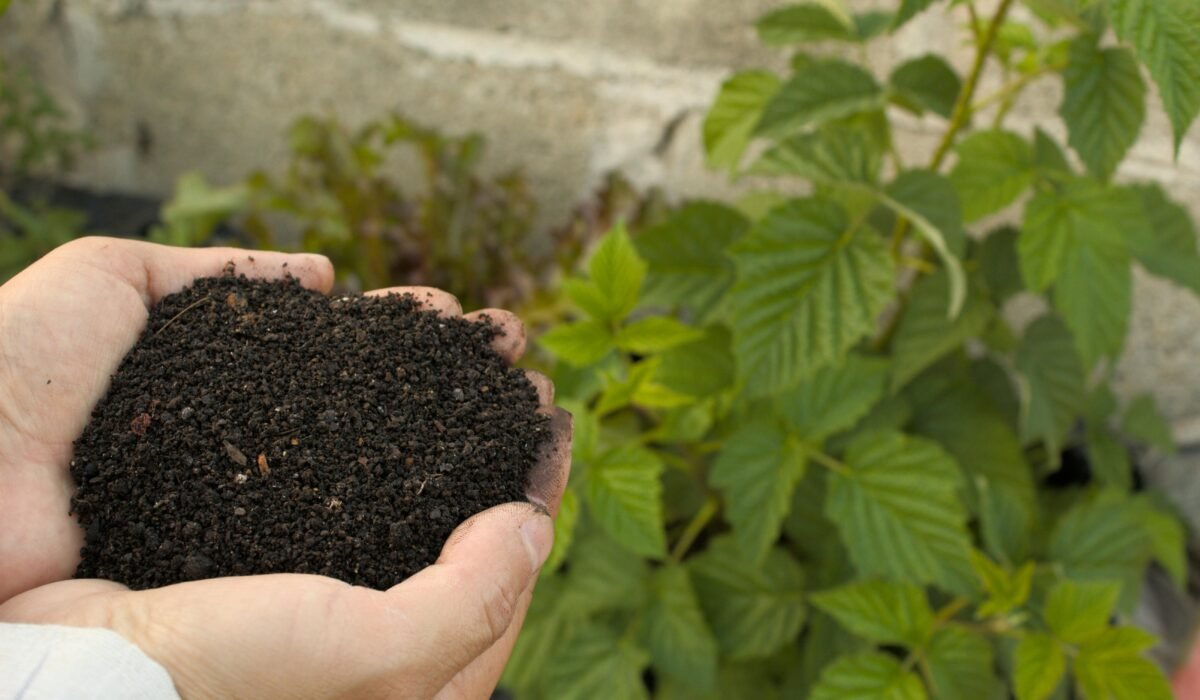
- Compost: The king of organic amendments, compost slowly releases a wide range of nutrients and significantly improves soil structure and water retention. According to research, compost increases the soil’s ability to hold and release essential plant nutrients, especially in sandy soils.
- Coffee Grounds: Slightly acidic, coffee grounds can add a small amount of nitrogen to the soil. Sprinkle them lightly around acid-loving plants like blueberries or roses.
- Banana Peels: Rich in potassium, chopped banana peels can be buried near fruiting plants to provide a slow-release potassium boost.
- Eggshells: Crushed eggshells add calcium to the soil, which can help prevent blossom end rot in tomatoes and peppers.
- Fish Emulsion: A fast-acting liquid organic fertilizer, fish emulsion is great for a quick nitrogen boost, though its effects are typically used up within two weeks.
While these DIY options are great for enriching soil and adding trace nutrients, they are generally not complete fertilizers and may not fully address significant nutrient deficiencies indicated by a soil test. They’re best used as supplements to a broader soil health strategy.
Plant-Specific Fertilizers for Beginners
As you gain experience, you’ll notice different plants have varying appetites. Fertilizers designed for specific plant groups address these unique requirements:
- Tomatoes & Fruiting Vegetables: These plants benefit from fertilizers with a higher phosphorus and potassium content to support flowering and fruit development. Look for ratios like 5-10-10 or specific “tomato food” formulations.
- Leafy Greens (Lettuce, Spinach, Kale): Since you’re harvesting the leaves, these crops thrive with nitrogen-rich fertilizers (high first number), such as Sustane (8-2-4).
- Flowering Annuals: To encourage continuous blooms, fertilizers higher in phosphorus are often recommended.
The key is to match the fertilizer to the plant’s growth stage and desired outcome. For instance, a general-purpose 10-10-10 is fine for overall health, but a boost of phosphorus when tomatoes start to flower can make a noticeable difference in your harvest.
Frequently Asked Questions
What is the best all-purpose fertilizer for a beginner garden?
For most beginner gardens, a balanced granular fertilizer with an NPK ratio like 10-10-10 or 20-20-20 is an excellent all-purpose choice. This provides an even supply of nitrogen, phosphorus, and potassium, supporting overall plant health and growth. Joe Lamp’l specifically recommends a balanced 10-10-10 ratio for general feeding if you’re not opposed to synthetic options.
What are the 3 basic types of fertilizer?
The 3 basic types of fertilizer refer to the three primary macronutrients: Nitrogen (N), Phosphorus (P), and Potassium (K), which are represented in the NPK ratio. However, in terms of product types, fertilizers are broadly categorized as organic (from natural sources) or synthetic (chemically manufactured), and granular (slow-release solids) or liquid (fast-acting solutions).
How do I choose the right fertilizer for my garden?
Choosing the right fertilizer starts with a soil test to understand your soil’s specific deficiencies. After that, consider your plant’s needs (e.g., leafy greens need more nitrogen, fruiting plants need more phosphorus), your gardening philosophy (organic vs. synthetic), and the desired application method (granular for slow-release, liquid for quick boosts). Always read the product label for specific recommendations.
What is the easiest fertilizer to use?
For many beginners, liquid fertilizers are considered the easiest to use because they simply involve mixing a concentrate with water and applying it with a watering can. Granular fertilizers are also very straightforward; you just sprinkle them around the plants and water them in. Both eliminate complex measurements if you follow the label instructions carefully.
Mastering basic garden fertilizers for beginners truly empowers you to cultivate a thriving, productive garden. By understanding NPK ratios, choosing appropriate types, and applying them correctly, you’re setting your plants up for success. Remember, gardening is a journey of learning and observation.
Now that you’re equipped with this foundational knowledge, take the first step towards a healthier garden. Observe your plants, consider a soil test, and confidently apply what you’ve learned to nourish your green space. Happy gardening!