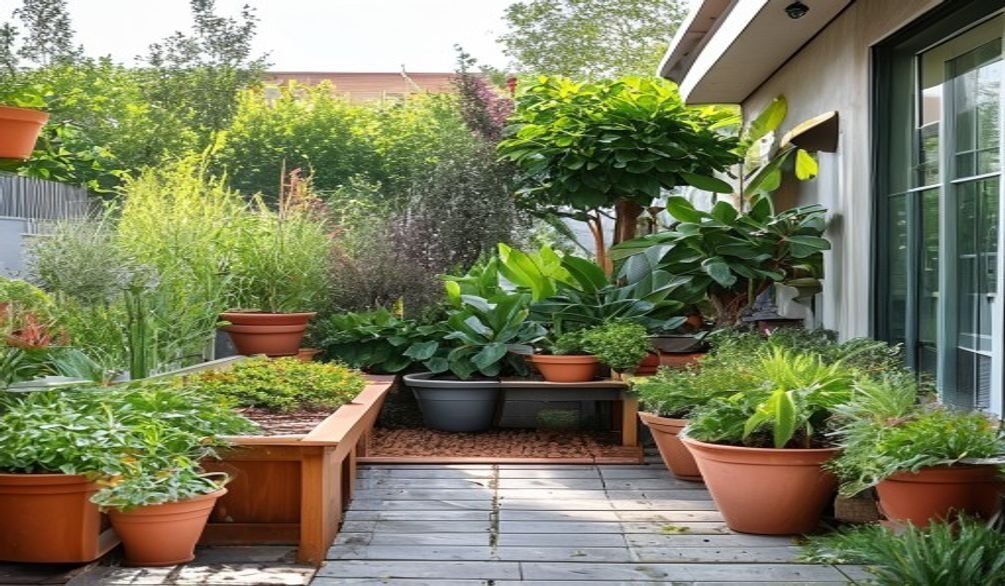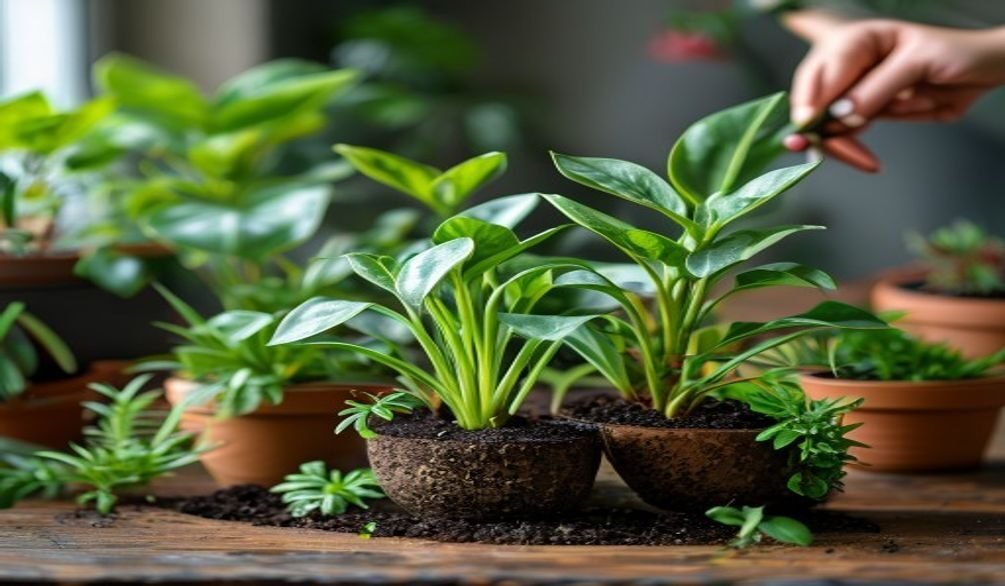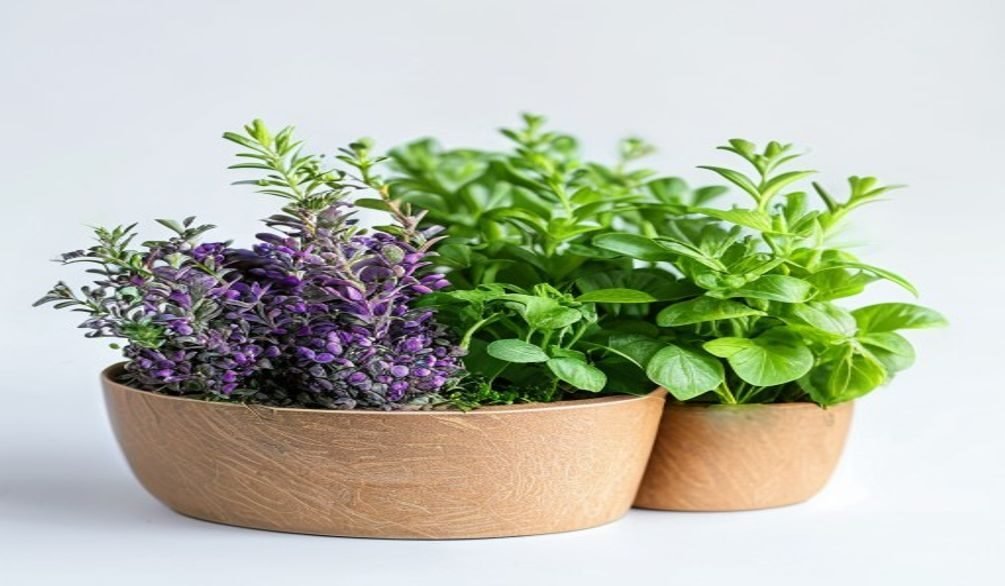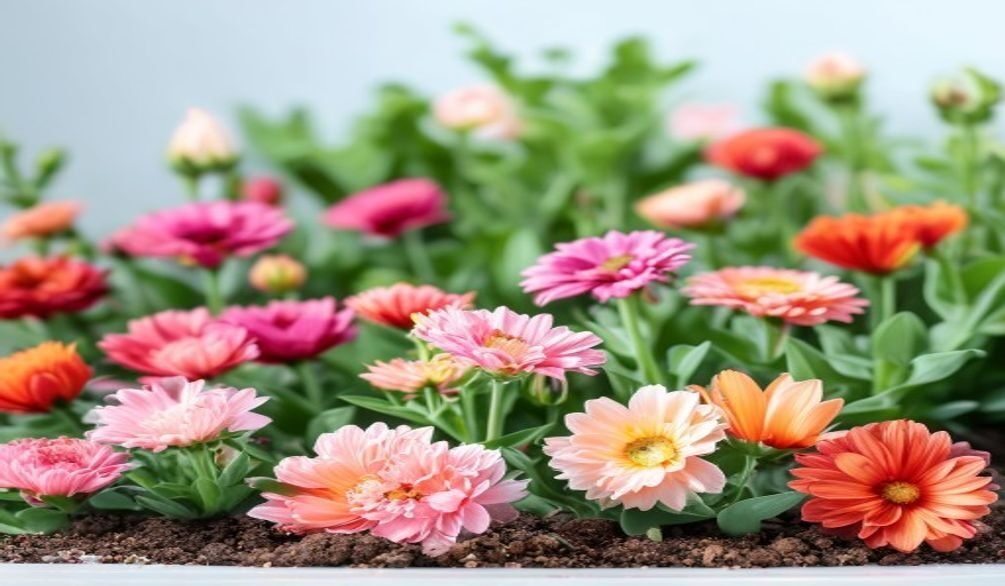
Are you dreaming of a thriving garden that produces abundant, healthy food without synthetic chemicals, but you’re unsure how to **build and fill organic raised garden beds** naturally? Many aspiring gardeners face the challenge of creating a truly organic growing space from scratch, wondering about the best materials, soil mixes, and long-term care. This comprehensive guide will walk you through every step, ensuring your raised beds become a sustainable, productive living ecosystem.
Why Choose Organic Raised Garden Beds?
Opting for organic raised garden beds offers a multitude of benefits, transforming your gardening experience into a more productive and environmentally friendly endeavor. The controlled environment allows for superior soil quality, which is the cornerstone of organic gardening practices.
One of the primary advantages is the ability to engineer your soil precisely, ensuring optimal drainage and aeration, which are crucial for healthy root development. As horticulturist Laura Hooper notes, there’s been a significant shift towards “more sustainable gardening and more organic types of gardening,” emphasizing soil health with compostable organic matter.
Raised beds also extend your growing season by warming up faster in spring and retaining warmth longer into fall. This means you get to enjoy fresh produce for more months out of the year. Plus, the elevated structure reduces bending and kneeling, making gardening more accessible and enjoyable for everyone.
The residential segment currently dominates the garden beds market, largely due to increasing interest in sustainable living and urban gardening trends. A survey indicated that over 70% of consumers express concern about pesticides in their food, driving them to seek control over their food supply, making organic raised beds a popular choice.
How to Build Organic Raised Garden Beds
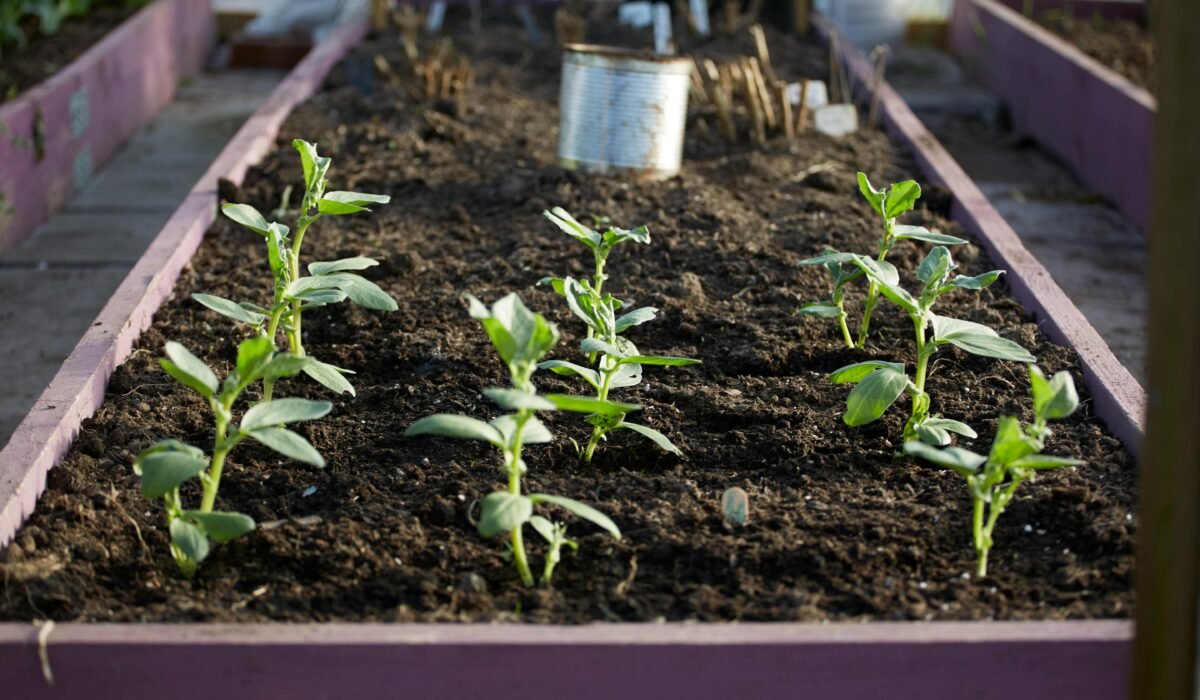
Building your own organic raised garden bed is a rewarding project that gives you full control over your growing environment. When considering materials, durability and non-toxicity are key for a truly organic setup.
Wooden beds accounted for 48% of all installations worldwide in 2024, making them a popular choice. Cedar, redwood, and cypress are excellent options due to their natural rot resistance, eliminating the need for chemical treatments. If using pine or fir, ensure it’s untreated or opt for food-safe preservatives, like those used by VegTrug for their FSC-certified wooden raised beds.
Metal beds, typically galvanized steel or coated steel like those from Vego Garden, offer exceptional longevity and a sleek aesthetic. These are often coated with USDA-approved paints, ensuring they are safe for growing edibles. Polypropylene resin beds are another viable option, known for being lightweight and durable.
For `DIY organic raised garden bed plans`, consider modular kits which saw a 38% increase between 2022 and 2024, especially popular with the 25-40 age demographic. These kits simplify construction and often come with clear instructions, allowing you to customize size and shape to fit your space.
What Do You Put in the Bottom of an Organic Raised Garden Bed?
A common question is what to place at the very bottom of your raised bed before adding your primary soil mix. The goal is to promote good `raised bed drainage`, deter weeds, and provide a slow-release source of organic matter, especially if you’re looking for `cheap organic raised garden bed fill`.
Many gardeners start with a layer of cardboard directly on the ground. Should you put cardboard in the bottom of a raised garden bed? Yes, it’s an excellent weed barrier, suppresses grass, and breaks down over time to add carbon to the soil. Ensure it’s plain, unprinted cardboard without glossy finishes or excessive tape.
Above the cardboard, you can add a “hugelkultur” style layer of coarser organic materials. This might include small logs, branches, wood chips, or straw. This helps fill the bed volume, improves air circulation, and provides a long-term nutrient source as it decomposes. What most people miss is that this bottom layer also acts like a sponge, helping to retain moisture in the long run.
How to Fill a Raised Garden Bed Naturally
Filling your raised bed naturally involves creating a layered approach that mimics nature’s soil-building process. This method, often called “lasagna gardening” or `no-dig raised beds`, builds fertility from the ground up.
After your initial bottom layers of cardboard and coarse organic matter, begin adding progressively finer materials. Think about your `organic raised garden bed filling layers` as a recipe for a healthy `soil food web`.
A good sequence often includes:
- Coarse Organic Material: Small branches, straw, wood chips, or even inverted sod (grass side down).
- “Green” Layer: Fresh grass clippings, kitchen scraps, or fresh manure (if available and aged).
- “Brown” Layer: Shredded leaves, more straw, or dried weeds.
- Compost: A generous layer of finished `compost for raised beds`. This is where the magic happens, introducing beneficial microbes and essential nutrients.
- Topsoil/Organic Raised Bed Mix: Finish with a layer of high-quality organic topsoil or a specialized raised bed mix where your plants will directly grow.
This layered approach minimizes the amount of purchased soil needed and creates a rich, diverse environment for your plants. It’s truly a sustainable raised bed gardening practice.
What is the Best Organic Soil Mix for Raised Garden Beds?
The heart of a productive organic raised garden bed is its soil. You want a mix that is rich in organic matter, well-draining, and teeming with microbial life. Joe Lamp’l of joegardener® advocates for feeding the soil, not just the plants, to create an environment that sustains the `soil food web`.
University extension services offer excellent guidance on this. The University of Illinois Extension, for example, suggests a “1:1 mixture of compost and garden or topsoil.” This provides a balanced foundation that is both nutrient-rich and structurally sound. For the `best organic raised bed soil recipe`, a common recommendation is:
- 50% High-Quality Compost: This is non-negotiable for organic beds. It provides nutrients, improves soil structure, and introduces beneficial microorganisms.
- 30% Organic Topsoil: Provides essential minerals and a stable base.
- 20% Coarse Vermiculite or Perlite: Improves drainage and aeration, preventing compaction and ensuring roots get enough oxygen.
Many excellent commercial options are also available. Products like Espoma Organic Raised Bed Mix include natural ingredients such as earthworm castings, feather meal, alfalfa meal, kelp meal, and mycorrhizae for deeper roots. Back to the Roots Organic Raised Bed Mix is peat-free and features yucca extract for moisture control, while Miracle-Gro offers an OMRI listed, peat-free blend of organic and natural ingredients.
Long-Term Organic Soil Management for Raised Beds
Once your raised bed is built and filled, the work isn’t over; long-term `soil health management` is crucial for sustained organic productivity. Over time, organic matter decomposes, and nutrients are used by plants, causing the bed to settle and fertility to decline. What most people miss is that consistent replenishment is key.
Annual `nutrient replenishment` is best achieved through regular additions of `compost for raised beds`. Top-dress your beds with an inch or two of fresh compost each spring and fall. This provides a slow release of nutrients and rebuilds the `soil food web`.
Incorporating `natural amendments` also plays a vital role. Consider organic fertilizers like bone meal for phosphorus, blood meal for nitrogen, and kelp meal for a broad spectrum of micronutrients. Always check if products are OMRI (Organic Materials Review Institute) listed to ensure they comply with organic standards for home use. For specific needs, you might also consider an internal link to Organic Fruit Tree Care for broader organic nutrient strategies.
Crop rotation within your raised beds, even small ones, can also help prevent specific nutrient depletion and reduce pest buildup. Avoid planting the same crop family in the same spot year after year.
Organic Pest & Disease Prevention in Your Raised Bed
Maintaining a healthy, organic raised bed naturally deters many pests and diseases, but proactive `organic pest control` strategies are essential. Instead of reacting to problems, focus on creating a resilient ecosystem that discourages issues from taking hold.
One of the most effective strategies is `companion planting`. Strategic placement of certain plants can repel pests, attract beneficial insects, or even improve the growth of neighboring plants. For example, marigolds can deter nematodes, while nasturtiums can act as a trap crop for aphids, drawing them away from your prize vegetables.
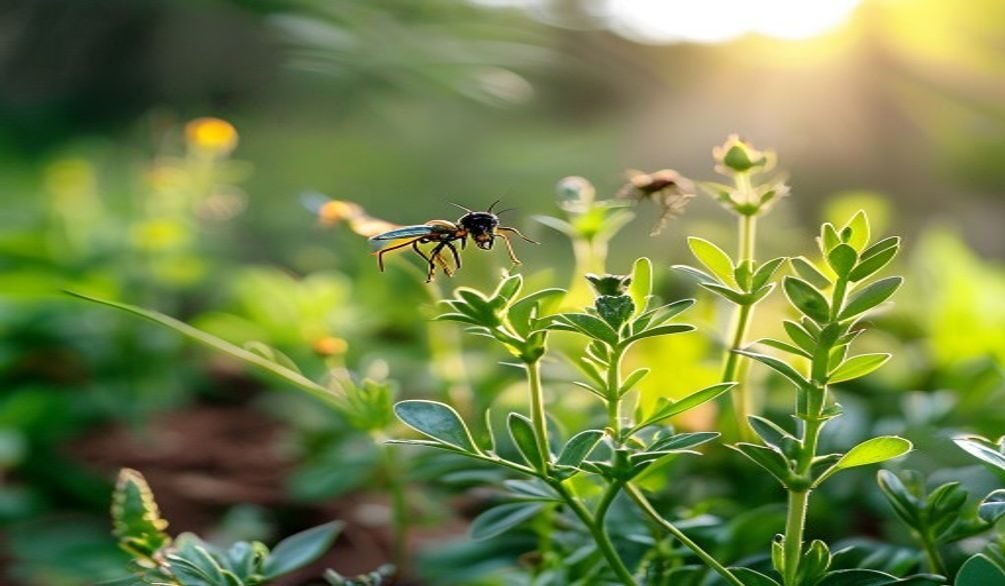
Attracting beneficial insects like ladybugs, lacewings, and parasitic wasps is vital. Plant flowering herbs and flowers such as dill, cilantro, cosmos, and sweet alyssum around your raised beds to provide nectar and pollen for these helpful predators. This creates a natural defense system within the confined space of your raised bed.
Good cultural practices, such as proper spacing, adequate watering (see Basic Garden Irrigation Methods for tips), and promptly removing diseased plant material, are also crucial. If pests like aphids do appear, you can learn How to Stop Aphids Organically through methods like neem oil or insecticidal soap, always applied according to organic guidelines.
Creating a Sustainable Raised Bed Ecosystem
The ultimate goal of organic raised bed gardening is to create a self-sufficient and resilient living ecosystem. This approach emphasizes minimizing external inputs and maximizing natural processes for long-term productivity and health. It’s about working with nature, not against it.
A sustainable raised bed relies on a rich, active `soil food web` that constantly cycles nutrients and suppresses disease. This is achieved through continuous `compost for raised beds` additions, cover cropping during off-seasons, and minimizing soil disturbance.
Consider integrating elements that enhance biodiversity, such as perennial herbs or beneficial insect habitats directly adjacent to your beds. This holistic view extends beyond just the soil and plants to the surrounding environment, creating a truly harmonious gardening space. Building and filling organic raised garden beds is just the beginning of a rewarding journey.
Frequently Asked Questions
What do you put in the bottom of an organic raised garden bed?
In the bottom of an organic raised garden bed, you should start with a layer of plain, unprinted cardboard to suppress weeds and grass. Above this, add coarse organic materials like small logs, branches, wood chips, or straw to improve drainage, build soil volume, and provide long-term organic matter as they decompose naturally.
How do you fill a raised garden bed naturally?
You fill a raised garden bed naturally using a layered approach, often called “lasagna gardening.” Begin with cardboard, then add progressively finer organic materials like branches, straw, grass clippings, shredded leaves, and generous layers of finished compost, topped with a high-quality organic soil mix. This builds fertility and creates a healthy soil food web.
What is the best organic soil mix for raised garden beds?
The best organic soil mix for raised garden beds typically consists of a blend of high-quality finished compost, organic topsoil, and a material like vermiculite or perlite for drainage. A common recipe is 50% compost, 30% organic topsoil, and 20% vermiculite/perlite, ensuring rich nutrients, good structure, and aeration for healthy plant growth.
What can I put in the bottom of a raised bed to fill it up?
To fill up the bottom of a raised bed cheaply and organically, you can use readily available organic materials. This includes old logs, branches, wood chips, straw, leaves, grass clippings, and even inverted sod. These materials decompose slowly, adding nutrients over time while reducing the amount of expensive topsoil needed.
Creating and maintaining organic raised garden beds is an investment in your health, your garden’s vitality, and the environment. By focusing on natural materials, a vibrant `soil food web`, and proactive `organic gardening practices`, you’ll cultivate not just plants, but a thriving, sustainable ecosystem. Start building your organic oasis today and enjoy the bountiful harvests for years to come.