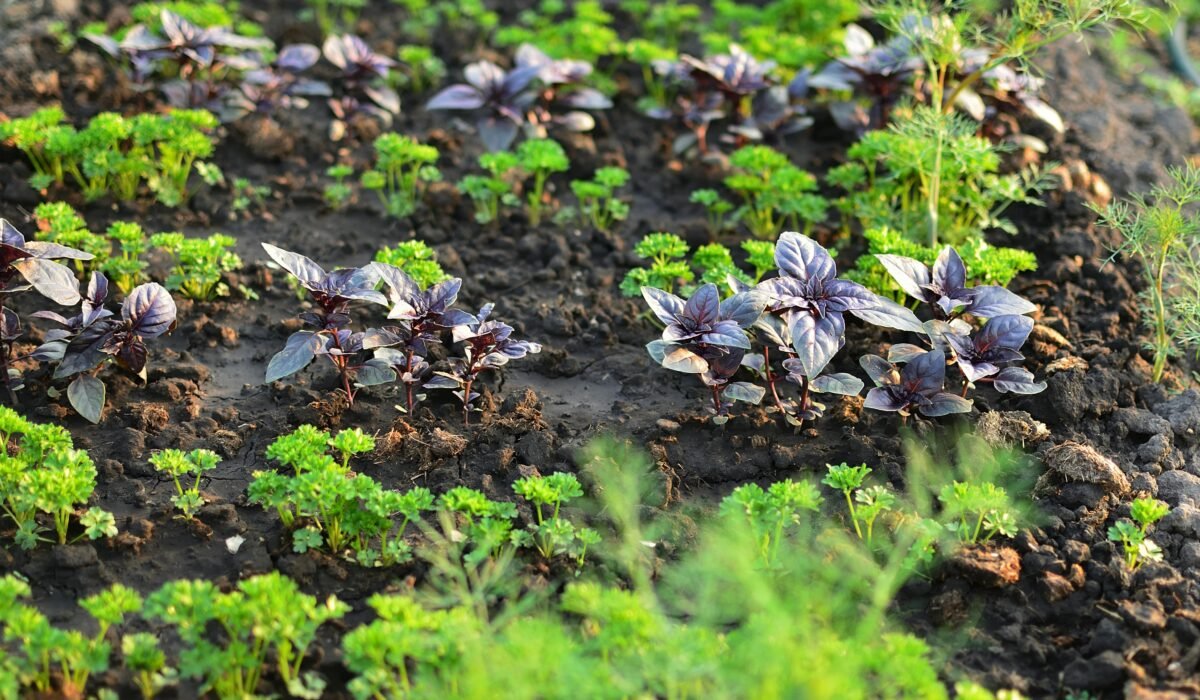
Are you wondering what the **best soil for thriving herb gardens** is, hoping to cultivate vibrant, flavorful herbs right at home? You’re not alone; many gardeners overlook the fundamental role of soil, but getting it right is the secret to unlocking your herbs’ full potential. This guide will walk you through everything you need to know, from basic soil science to crafting custom mixes for peak flavor and potency.
What is the Best Soil for Thriving Herb Gardens?
The short answer to what constitutes the **best soil for thriving herb gardens** is a mix that offers excellent drainage, a balanced pH, and moderate fertility. Herbs, unlike many heavy-feeding vegetables, generally prefer conditions that aren’t overly rich. What most people miss, however, is that “best” isn’t a one-size-fits-all answer; it depends on the specific herbs you’re growing and whether they’re indoors or outdoors.
Ultimately, you’re aiming for a substrate that mimics their natural growing environments. This means understanding the fundamental needs of herbs and then customizing your approach. A well-chosen or custom-blended soil forms the foundation for vigorous growth and abundant, aromatic harvests.
Why the Right Soil is Crucial for Flavorful Herbs
The soil isn’t just a anchor for your herbs; it’s their pantry, their hydration system, and their root’s breathing apparatus. If the soil isn’t right, your herbs won’t just struggle to grow; their flavor and potency will suffer dramatically. According to the OSU Extension Service, highly fertile soil tends to produce excessive amounts of foliage with little flavor, highlighting the importance of balanced nutrients.
When herbs are stressed by poor soil conditions—be it waterlogging, nutrient imbalance, or incorrect pH—they can’t produce the essential oils that give them their distinctive aromas and tastes. Think of it like a chef needing the right ingredients; your herbs need the right soil to create those delicious compounds. This is why tailoring your **organic herb soil** can lead to noticeably superior harvests.
Understanding Key Soil Characteristics: pH, Drainage, & Nutrients
To truly master **herb garden drainage** and other crucial factors, you need a basic understanding of soil science. These three characteristics are the pillars of healthy herb growth. Each plays a vital role in how your herbs access water and nutrients, directly impacting their health and vitality.
Soil pH for Herbs
Soil pH measures its acidity or alkalinity, on a scale from 0 to 14. For most culinary herbs, the ideal **soil pH for herbs** is slightly acidic to neutral, typically ranging from 6.5 to 7.0. The University of Connecticut Extension specifically states, “Most culinary herbs grow poorly in an acidic soil and prefer the pH to be 6.5 to 7.0.” This optimal range ensures that nutrients are readily available for the plant’s roots to absorb.
If your soil is too acidic or too alkaline, essential nutrients can become “locked up,” even if they are present in the soil. You can test your soil’s pH with a simple home kit or by sending a sample to your local extension office. Adjustments can be made using lime to raise pH or sulfur to lower it, though slow and steady changes are always best.
Herb Garden Drainage
Good drainage is arguably the single most important factor for successful herb gardening. Herbs absolutely hate sitting in soggy soil; their roots will quickly rot, leading to plant death. As the OSU Extension Service emphatically states, “Drainage is probably the single most important factor in successful herb gardening. Herbs stall, and may die, in soggy soil.” This is because roots need oxygen to respire, and waterlogged soil deprives them of it.
For container gardens, this means choosing pots with ample drainage holes. For outdoor beds, it might involve amending heavy clay soils with organic matter and grit to improve porosity. You want water to flow through steadily, leaving the soil moist but not saturated.
Nutrient Needs Herbs
Unlike many vegetables that are “heavy feeders,” most herbs thrive on moderate fertility. Over-fertilizing can lead to lush, leafy growth but with significantly diminished flavor and aroma. The goal is to provide a steady, gentle supply of nutrients without overwhelming the plants.
Good quality compost and well-rotted manure are excellent choices for providing a slow release of nutrients. If you’re using a commercial **potting mix for herbs**, many come pre-enriched with enough nutrients to last for a few months. When considering additional feeding, opt for balanced, organic fertilizers at half strength, and always observe your plants for signs of deficiency rather than overdoing it.
Indoor vs. Outdoor Herb Soil: Essential Differences
While the core principles of good drainage and balanced pH remain constant, there are distinct considerations for **indoor herb soil** versus soil for outdoor herb beds. The confined nature of containers and the controlled indoor environment demand different approaches.
For indoor herbs, you’re almost always dealing with pots, which means drainage is paramount. A lightweight, sterile potting mix is essential to prevent soil compaction and fungal issues common in indoor settings. This also makes the pots easier to move. Outdoor herb beds, on the other hand, benefit from the living ecosystem of garden soil, which can be improved and enriched over time. For outdoor gardens, you might amend existing native soil, while for containers, you’re starting from scratch with a pre-blended or DIY **best potting mix for indoor herbs**. If you’re growing organic vegetables in containers, many of the same soil principles for herbs apply. Learn more about growing organic vegetables in containers here.
Tailoring Soil for Specific Herb Needs (Mediterranean, Moisture-Loving, etc.)
This is where you move beyond generic advice and truly customize your herb garden for peak performance. Different herbs have evolved in different climates, and mimicking those conditions in your soil will make a world of difference.
Mediterranean Herb Soil
Herbs native to the Mediterranean region, such as rosemary, thyme, oregano, sage, and lavender, are accustomed to hot, dry, and often rocky conditions. They absolutely demand **Mediterranean herb soil** that is lean and extremely well-draining. Jekka McVicar, an expert from Jekka’s Herbs, emphasizes this, stating, “Good drainage is crucial because the roots of Mediterranean native herbs are likely to rot in moist soil.”
To achieve this, incorporate plenty of grit like perlite, coarse sand, or small gravel into your potting mix. Aim for a mix that feels light and airy and drains almost instantly. These herbs also prefer a slightly alkaline to neutral pH.
Moisture-Loving Herbs
On the other end of the spectrum are herbs like mint, basil, cilantro, and parsley, which prefer consistently moist (but not waterlogged) soil rich in organic matter. While they still need good drainage to prevent root rot, they won’t thrive in the super-gritty conditions preferred by Mediterranean varieties.
For these herbs, a standard high-quality potting mix enriched with compost or worm castings works wonderfully. The goal is a soil that retains moisture effectively but still allows excess water to escape.
General-Purpose Herbs
Many other herbs, like chives, dill, and chamomile, are quite adaptable and will do well in a good all-purpose potting mix that balances drainage and moisture retention. A mix with a balanced pH and moderate organic content will suit them perfectly.
Here’s a quick guide to specific herb preferences:
| Herb Type | Drainage Preference | pH Preference | Nutrient Needs |
|---|---|---|---|
| Rosemary, Thyme, Lavender | Fast-draining, gritty | Slightly alkaline (7.0-7.5) | Low to moderate |
| Basil, Mint, Cilantro, Parsley | Consistently moist, good drainage | Slightly acidic to neutral (6.0-7.0) | Moderate |
| Chives, Dill, Oregano, Sage | Well-drained | Neutral (6.5-7.0) | Low to moderate |
DIY Herb Potting Mixes for Optimal Growth
Creating your own **DIY soil mix herbs** allows you to precisely control the ingredients and tailor them to your herbs’ needs, often at a lower cost than commercial mixes. This is especially useful for gardeners who want to ensure their **organic soil for herbs** is truly customized. Tony O’Neill of Simplify Gardening recommends a simple yet effective blend.
Here’s a basic recipe for a versatile, well-draining **DIY herb garden soil mix**:
- Good Quality Compost (1 part): This provides essential nutrients and beneficial microbes. Compost acts as a slow-release fertilizer, supplying nutrients as it breaks down.
- Coco Coir or Peat Moss (1 part): These help retain moisture while remaining lightweight. Coco coir is a sustainable alternative to peat.
- Perlite or Vermiculite (1 part): These are crucial for improving drainage and aeration, preventing compaction.
For Mediterranean herbs, increase the perlite/vermiculite ratio to 1.5 or 2 parts. For moisture-loving herbs, you might add a bit more compost or a touch of worm castings. You can also incorporate specialized **soil amendments herbs** like biochar, which improves soil structure and performance, or mycorrhizal fungi, which enhance nutrient uptake.
Common Herb Soil Problems and How to Fix Them
Even with the best intentions, soil problems can arise. Recognizing the signs and knowing **how to improve drainage for herb pots** or address other issues quickly can save your plants.
Poor Drainage & Root Rot
This is the most frequent culprit behind struggling herbs. Symptoms include yellowing leaves, wilting despite moist soil, and a general lack of vigor. If you suspect root rot, gently unpot the plant and inspect the roots; healthy roots are white and firm, while rotting roots are brown and mushy.
Fix: Repot with a significantly grittier, faster-draining mix. Ensure your pots have ample drainage holes. You can elevate pots on pot feet to encourage better airflow. For outdoor beds, amend heavy clay with compost, sand, or perlite to improve soil structure.
Nutrient Deficiencies or Excess
While herbs don’t need excessive nutrients, deficiencies can occur, leading to stunted growth or discolored leaves. Yellowing leaves might indicate a nitrogen deficiency, while purplish tints can signal a lack of phosphorus. Conversely, too much fertilizer can burn roots or lead to lush, flavorless growth.
Fix: For deficiencies, apply a balanced, organic liquid fertilizer at half strength. For excess, flush the soil with plain water until it drains freely. Always prioritize slow-release organic amendments like worm castings or compost tea.
Soil Compaction
Over time, especially in containers, soil can become dense and compacted, restricting root growth and reducing aeration. This often happens with heavy, fine-textured soils or if you press the soil down too firmly.
Fix: Gently aerate the soil with a chopstick or thin rod, being careful not to damage roots. Repotting with a lighter, more aerated mix that includes perlite or vermiculite is also effective. Avoid overwatering, which contributes to compaction.
Pests Linked to Poor Soil
Fungal gnats, tiny flying insects, often indicate overly moist soil conditions and the presence of decaying organic matter. While not directly harmful to mature plants, they are annoying and can damage seedlings.
Fix: Allow the top inch of soil to dry out completely between waterings. Use a top dressing of sand or diatomaceous earth to create a barrier. Ensure proper drainage to eliminate their breeding grounds.
Recommended Commercial Soils & Amendments for Herbs
If mixing your own soil isn’t your preference, many excellent commercial options are available that provide the **best soil for thriving herb gardens**. These often come pre-blended with beneficial ingredients.
For general herb growing, look for potting mixes specifically labeled for herbs, vegetables, or containers, as these usually offer good drainage and balanced fertility. Some highly recommended brands include:
* **Burpee Organic Premium Potting Mix:** Praised for its organic ingredients like alfalfa meal, bone meal, earthworm castings, and coconut coir, providing nutrients for up to three months. It’s versatile for both indoor and outdoor herbs.
* **FoxFarm Ocean Forest Potting Soil:** Known for its rich blend of earthworm castings, bat guano, and sea-going fish and crab meal. It’s pH-adjusted to be slightly acidic (6.3-6.8) and has a light, aerated texture.
* **Rosy Soil Herb Soil:** A specialized, peat-free blend specifically formulated for herbs. It includes biochar, mycorrhizal fungi, worm castings, and bark fines, designed for superior aeration, drainage, and nutrient uptake.
Beyond pre-mixed soils, you can also purchase individual **soil amendments herbs** to fine-tune any mix:
* **Biochar:** This horticultural-grade charcoal significantly improves soil structure, water retention, and microbial activity.
* **Worm Castings:** These provide a gentle, slow-release source of nutrients and beneficial microbes, boosting soil biology.
* **Coco Coir:** A sustainable peat alternative that excels at retaining moisture while still allowing for good drainage.
These products can help you achieve the ideal conditions for your specific herb varieties, whether you’re growing in pots or outdoor herb beds.
Frequently Asked Questions
What kind of soil do herbs like best?
Herbs generally prefer loose, well-draining soil with a slightly acidic to neutral pH, typically between 6.5 and 7.0. They thrive in moderate fertility rather than overly rich soil, as too many nutrients can reduce their essential oil production and flavor. The most critical factor is often excellent drainage to prevent root rot.
What is the best potting mix for herbs?
The best potting mix for herbs is one that provides excellent drainage, good aeration, and moderate fertility. A common recommendation is a blend of good quality compost, coco coir (or peat moss), and perlite or vermiculite in roughly equal parts. Commercial mixes labeled for herbs or vegetables are also excellent choices, such as Burpee Organic Premium Potting Mix or Rosy Soil Herb Soil.
Do herbs need special soil?
Yes, herbs benefit greatly from specific soil characteristics, though not necessarily “special” in the sense of being exotic or hard to find. They need soil that drains exceptionally well to prevent root rot, has a balanced pH (6.5-7.0), and offers moderate fertility. Using a generic garden soil in pots, for instance, often leads to poor drainage and compacted conditions, which herbs dislike.
What pH soil is best for herbs?
Most culinary herbs prefer a soil pH that is slightly acidic to neutral, ideally in the range of 6.5 to 7.0. This pH level ensures that essential nutrients are readily available for the herb’s roots to absorb. Some Mediterranean herbs, like rosemary and lavender, can tolerate a slightly more alkaline pH, up to 7.5.
Cultivating a truly thriving herb garden begins with understanding and optimizing your soil. By focusing on excellent drainage, a balanced pH, and moderate fertility, you lay the groundwork for success. Remember to tailor your approach to the specific needs of each herb, whether they crave gritty Mediterranean conditions or consistently moist environments. Invest in quality soil or craft your own custom blend, and your efforts will be rewarded with an abundance of vibrant, flavorful herbs. Ready to elevate your herb garden? Start by assessing your current soil and making the necessary adjustments today!