Dreaming of fresh, chemical-free produce right outside your door? You’re in the right place to learn how to grow organic vegetables in containers, even if you have limited space. This comprehensive guide will walk you through every step, ensuring your potted plants thrive naturally and yield a delicious harvest.
What is the best way to grow organic vegetables in containers?
The best way to grow organic vegetables in containers involves a holistic approach that prioritizes healthy soil, appropriate plant selection, and natural care methods. It’s about creating a mini-ecosystem in a pot, mirroring nature’s resilience.
You need to focus on providing optimal conditions from the start, considering sunlight, container size, and high-quality organic inputs. This foundation helps prevent common issues, making your small space organic vegetable garden a success.
Choosing the Right Containers for Organic Growing
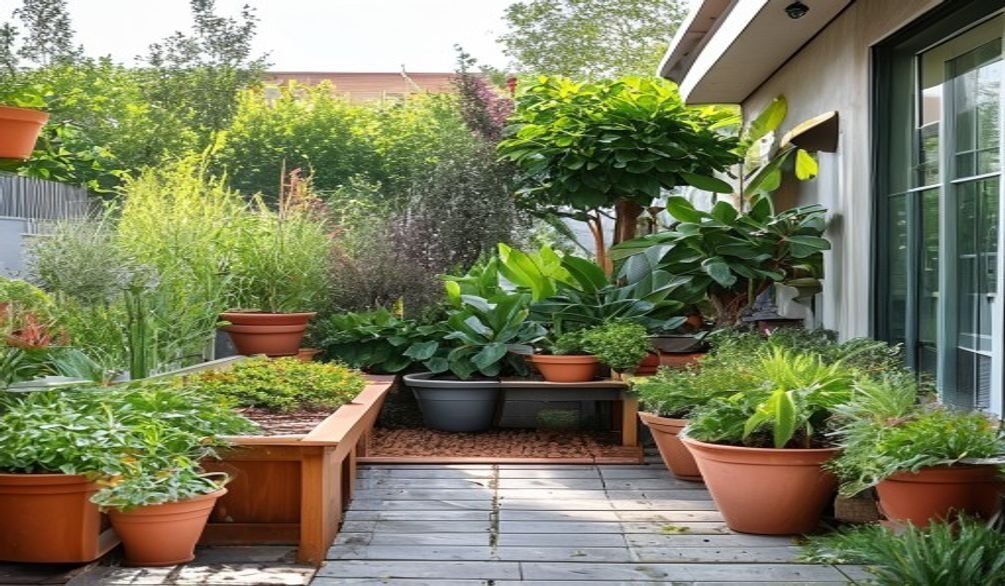
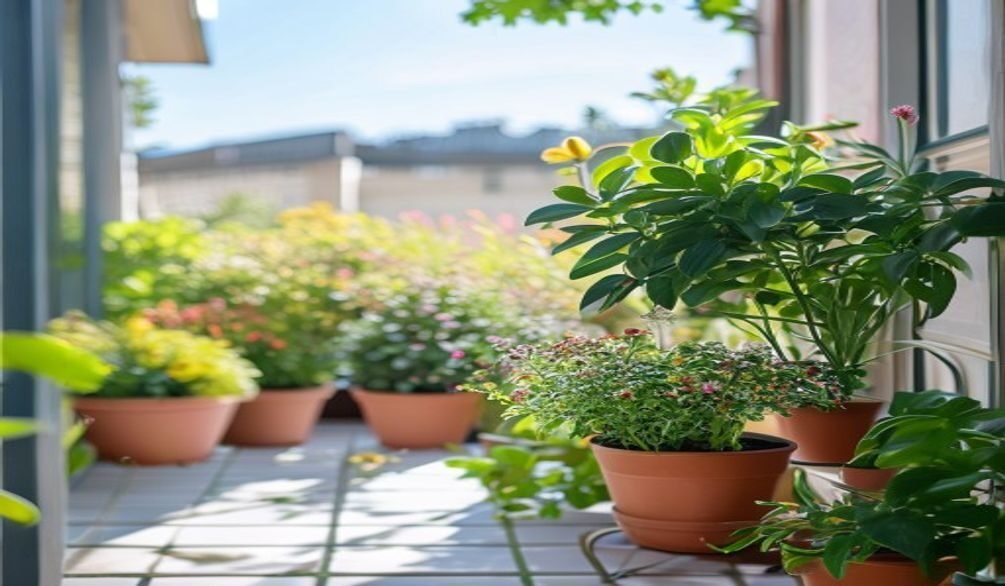
Selecting the right container is crucial for healthy root development and proper drainage. For organic container gardening, materials like unglazed terracotta, fabric grow bags, or even recycled food-grade plastic barrels are excellent choices.
Fabric grow bags are particularly beneficial because they prevent overwatering and promote air circulation around the roots, naturally “air-pruning” them for a stronger plant structure. Whatever you choose, ensure your containers have adequate drainage holes to prevent waterlogged roots, a common pitfall noted by Virginia Tech’s Cooperative Extension.
Sunlight and Placement
Most vegetables require at least 6-8 hours of direct sunlight daily to thrive and produce abundantly. Position your organic container garden in the sunniest spot available, whether it’s a patio, balcony, or deck.
For those with limited sun exposure, consider varieties that tolerate partial shade, like leafy greens. Remember, the beauty of container gardening is its flexibility; you can move your plants to chase the sun throughout the day or as seasons change, a key advantage highlighted by UC Agriculture and Natural Resources.
Which vegetables are best for organic container gardening?
When planning your organic container garden, selecting suitable vegetable varieties is key to success, especially for beginners. Look for “bush” or “determinate” varieties, as they tend to be more compact and well-suited for confined spaces, according to Penn State Extension.
These specific container vegetable varieties organic options are bred to produce well in pots, making your efforts more fruitful. You’ll find that many popular vegetables have dwarf or patio versions perfect for organic container gardening for balconies or small patios.
Top Picks for Organic Vegetables to Grow in Pots for Beginners
Here are some excellent choices that are relatively easy to grow and yield well in pots:
- Leafy Greens: Lettuce, spinach, kale, and Swiss chard are fast-growing and tolerate some shade. Harvest outer leaves for a continuous supply.
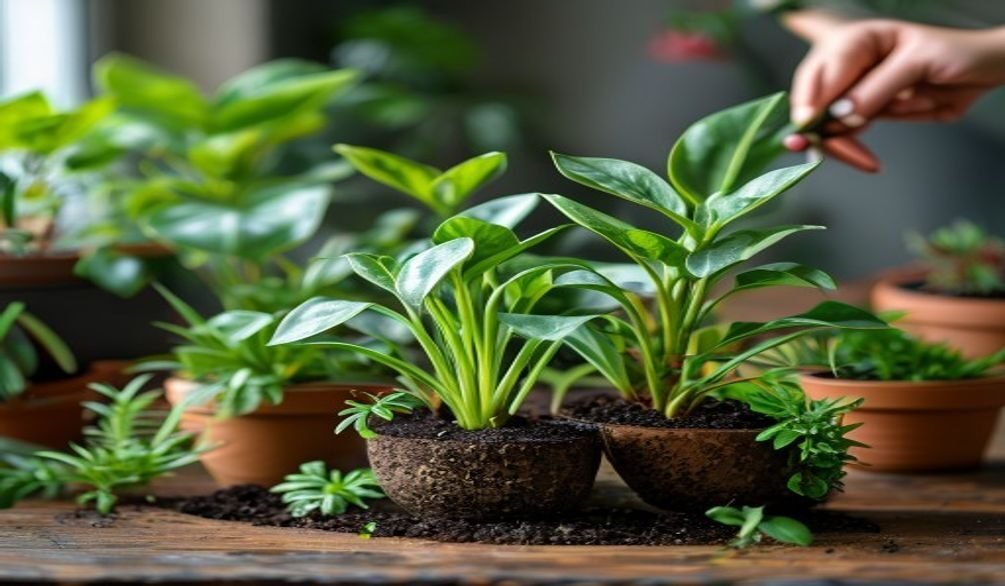
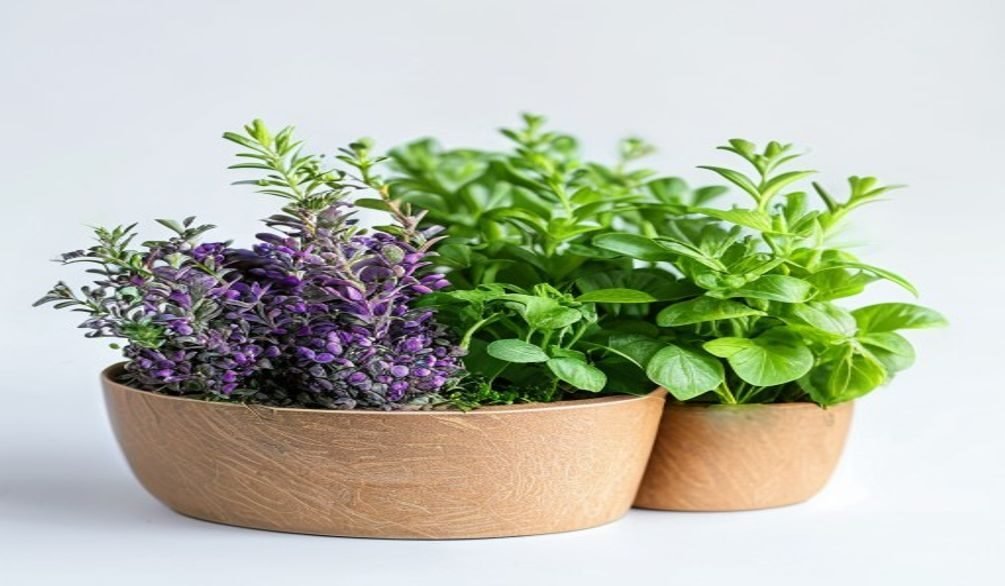
- Herbs: Basil, mint, parsley, and rosemary thrive in containers and are essential for culinary use. Consider starting your herbs from seed for a truly organic experience.
- Bush Beans: Unlike pole beans, bush varieties don’t need extensive support and produce prolifically in medium-sized pots.
- Radishes: These root vegetables mature quickly and are very forgiving, making them great for small space organic gardening.
- Cherry Tomatoes: Look for “patio” or “dwarf” varieties. They produce an abundance of sweet, small fruits with minimal staking.
- Peppers: Bell peppers and chili peppers do wonderfully in larger containers, preferring warm conditions.
Elm Dirt also suggests compact cucumbers, which can be trained to grow vertically, maximizing your harvest in a small footprint.
What is the best soil for organic container gardening?
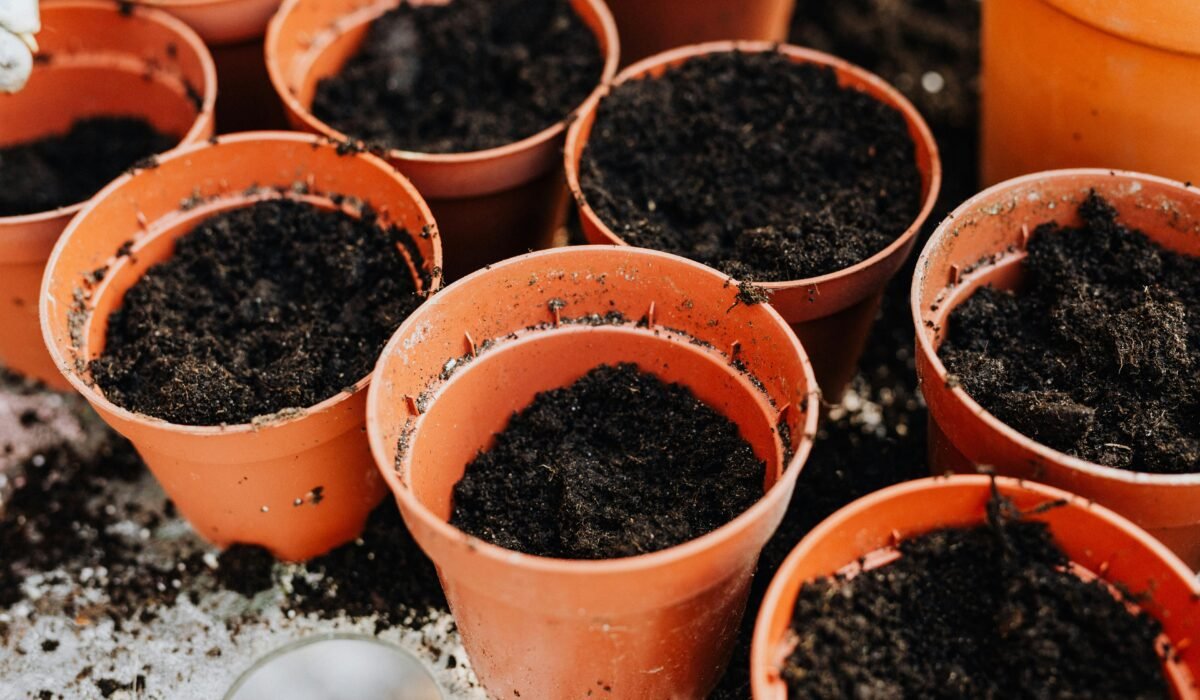
The foundation of any thriving organic container garden is its soil. Unlike garden beds, containers require a specialized organic potting mix that provides excellent drainage, aeration, and sufficient nutrients without compacting over time. This is where your commitment to chemical-free container gardening truly begins.
Crafting Your DIY Organic Soil Mix
While you can purchase commercial organic potting mix, creating your own DIY organic soil mix allows for complete control over ingredients and ensures a truly natural growing medium. Penn State Extension recommends a soilless mix, which can be significantly enhanced with finished compost.
A good starting point for a nutrient-rich, well-draining mix includes:
- Compost (50%): High-quality finished compost is the backbone, providing essential nutrients, beneficial microbes, and excellent water retention.
- Perlite or Vermiculite (25%): These lightweight minerals improve drainage and aeration, preventing soil compaction.
- Coconut Coir or Peat Moss (25%): These materials help retain moisture and provide a stable structure for roots.
You can also add a small amount of organic amendments like worm castings, bone meal, or kelp meal for extra nutrient boosts. This blend ensures your plants get everything they need to flourish naturally in pots.
How do you keep pests out of organic container gardens naturally?
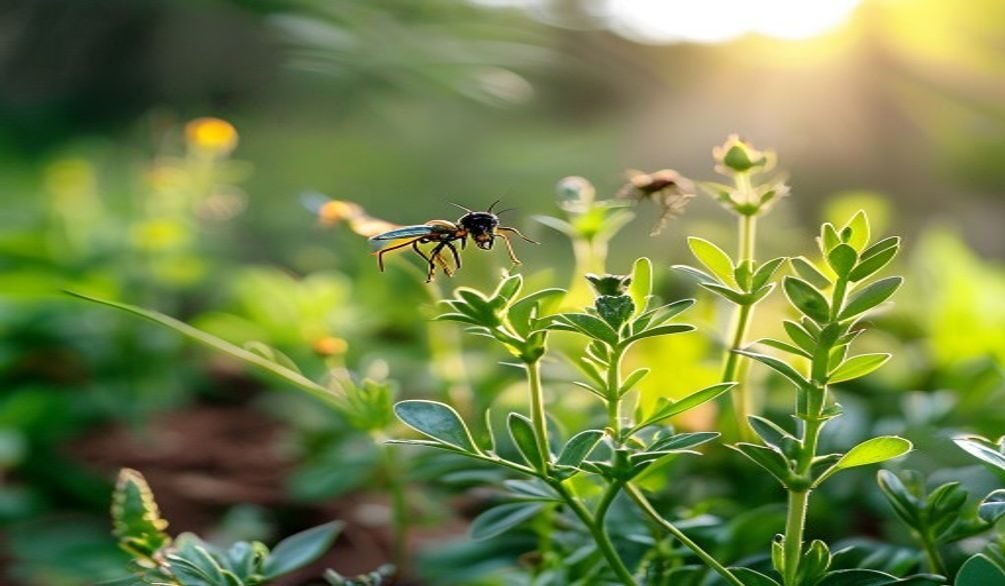
Maintaining a natural pest control container garden is about prevention and fostering a balanced ecosystem, rather than resorting to harsh chemicals. Healthy, well-fed plants are inherently more resistant to pests and diseases.
The short answer is vigilance combined with organic strategies that respect the environment. This approach ensures your harvest remains truly chemical-free container gardening.
Natural Pest Control Strategies for Pots
Here are effective ways to manage pests without synthetic pesticides:
- Companion Planting: Strategically place plants that repel pests or attract beneficial insects. Marigolds deter nematodes, while nasturtiums can act as a trap crop for aphids.
- Regular Inspection: Check your plants daily for any signs of pests. Catching infestations early makes them much easier to manage. Look under leaves and along stems.
- Hand-Picking: For larger pests like tomato hornworms or slugs, simply pick them off and remove them. This is one of the most direct forms of natural pest control container garden management.
- Insecticidal Soap or Neem Oil: These organic sprays are effective against soft-bodied insects like aphids, spider mites, and whiteflies. Always follow label directions and apply during cooler parts of the day to avoid leaf burn.
- Barriers: Use floating row covers for susceptible plants during vulnerable stages to physically block pests. This is especially useful for preventing cabbage worms or squash bugs.
What most people miss is that a diverse container garden, with flowers and herbs interspersed, creates a more resilient environment, attracting beneficial insects like ladybugs and lacewings that prey on common garden pests.
How do you fertilize organic container gardens naturally?
Container plants, by their nature, require more frequent nutrient replenishment than those in the ground because nutrients leach out with watering, and their root systems are confined. This is particularly true for organic container gardens, where you rely on natural processes rather than synthetic feeds.
The best organic fertilizers for pots are those that release nutrients slowly and improve soil health, fostering a vibrant microbial community. For a deeper dive into general fertilization, you can refer to our guide on Basic Garden Fertilizers.
DIY Organic Fertilizers and Feeding Schedule
Instead of relying on chemical solutions, nourish your plants with these natural options:
- Compost Tea: Brew your own nutrient-rich liquid by steeping finished compost in water for a few days. This provides a gentle, all-around feed and boosts beneficial microbes.
- Worm Castings: Mix a handful of worm castings into the top inch or two of soil every few weeks. They are a powerhouse of concentrated nutrients and microbes.
- Alfalfa Meal or Kelp Meal: These organic amendments provide a slow release of nitrogen and essential trace minerals. Sprinkle a small amount around the base of plants and gently scratch it into the soil.
- Fish Emulsion: A readily available liquid organic fertilizer, fish emulsion offers a quick nitrogen boost. Dilute according to package directions and apply every 2-4 weeks during the growing season.
In practice, container plants often need feeding every 2-4 weeks during their active growth and fruiting phases. Observe your plants; pale leaves or slow growth are often signs they need more nutrients. Remember, consistency is key when you how to grow organic vegetables in containers.
Organic Container Gardening: Water Conservation & Season Extension Tips
Water conservation is paramount in organic container gardening, as pots dry out much faster than in-ground beds. Simultaneously, extending your growing season allows you to enjoy fresh produce for longer, maximizing your small space organic vegetable garden.
Water-Wise Container Gardening Techniques
UC Agriculture and Natural Resources and Virginia Tech Cooperative Extension both emphasize that container plants need more frequent watering due to reduced soil volume and faster evaporation. Here’s how to be water-wise:
- Mulching: Apply a 1-2 inch layer of organic mulch (like straw, shredded leaves, or wood chips) to the soil surface of your pots. This significantly reduces water evaporation, keeps soil temperatures stable, and suppresses weeds.
- Self-Watering Planters: Consider self-watering planters with wicking systems, especially for thirsty vegetables like tomatoes and peppers. These systems provide a consistent water supply from a reservoir, reducing the need for daily manual watering.
- Watering Technique: Water deeply until water drains from the bottom of the pot, rather than frequent shallow sips. This encourages deeper root growth. Check soil moisture by sticking your finger an inch or two into the soil; if it feels dry, it’s time to water.
- Grouping Pots: Grouping containers together can create a microclimate, increasing humidity and reducing water loss through evaporation.
Season Extension Container Vegetables
Don’t let cooler weather stop you! You can extend your harvest with these season extension container vegetables strategies:
- Cold-Hardy Varieties: Plant kale, spinach, lettuce, and Swiss chard in late summer for a fall harvest, or early spring for an extended cool-season crop.
- Mini Greenhouses/Cloches: Use clear plastic bottles, cloches, or small pop-up greenhouses to protect individual pots or small groupings from early frosts and cold winds. This traps warmth and extends the growing period.
- Relocation: Move pots indoors or to a sheltered location (like a garage or porch) during unexpected cold snaps or for overwintering certain perennial herbs and vegetables.
By implementing these water-wise container gardening and season extension techniques, you can enjoy a more productive and sustainable organic container garden.
Troubleshooting Common Organic Container Gardening Challenges
Even seasoned gardeners face occasional setbacks. When you’re learning how to grow organic vegetables in containers, you might encounter issues like nutrient deficiencies, disease, or unexpected pest outbreaks. The key is to identify the problem quickly and respond with natural, organic solutions.
Addressing Yellowing Leaves
Yellowing leaves often signal a problem, but the cause can vary:
- Nutrient Deficiency: Uniform yellowing, especially in older leaves, might indicate a nitrogen deficiency. Apply a nitrogen-rich organic fertilizer like fish emulsion or compost tea.
- Overwatering/Underwatering: Yellowing with wilting can be either. Check soil moisture; soggy soil suggests overwatering, while bone-dry soil means underwatering. Adjust your watering schedule.
- Lack of Sunlight: If lower leaves are yellowing and dropping, and the plant looks leggy, it might not be getting enough sun. Relocate the container to a brighter spot.
Managing Fungal Diseases Naturally
Fungal diseases like powdery mildew or leaf spot can appear, especially in humid conditions. Identifying and Treating Leaf Spot Diseases is crucial for plant health.
- Improve Air Circulation: Space your containers adequately and prune dense foliage to allow air to flow through the plant, reducing humidity around leaves.
- Water at the Base: Avoid overhead watering, which wets leaves and creates a hospitable environment for fungi. Water the soil directly.
- Organic Fungicides: A diluted baking soda spray (1 teaspoon baking soda per quart of water with a few drops of mild soap) can help manage powdery mildew. Neem oil also has fungicidal properties.
- Remove Affected Parts: Promptly snip off and discard any leaves showing signs of fungal infection to prevent spread.
The real insight here is that prevention through proper watering, air circulation, and good soil health is always easier than treating an established problem in your chemical-free container gardening efforts.
Frequently Asked Questions
What is the best way to grow organic vegetables in containers?
The best way to grow organic vegetables in containers involves using high-quality organic potting mix, selecting compact vegetable varieties, ensuring adequate sunlight, and employing natural pest and fertilization methods. Prioritizing healthy soil and consistent care helps create a thriving, chemical-free garden in pots.
What is the best soil for organic container gardening?
The best soil for organic container gardening is a well-draining, nutrient-rich organic potting mix, ideally a DIY blend of 50% finished compost, 25% perlite or vermiculite, and 25% coconut coir or peat moss. This combination provides excellent aeration, moisture retention, and a steady supply of nutrients for your plants.
Which vegetables are best for organic container gardening?
Many vegetables are best for organic container gardening, especially compact or “bush” varieties. Top choices include leafy greens (lettuce, spinach, kale), bush beans, radishes, cherry tomatoes, and peppers. Herbs like basil and mint also thrive in pots, making them excellent container vegetable varieties organic options.
How do you keep pests out of organic container gardens?
To keep pests out of organic container gardens, employ natural pest control methods such as companion planting, regular plant inspection for early detection, hand-picking larger pests, and using organic sprays like insecticidal soap or neem oil. Fostering a diverse garden ecosystem also attracts beneficial insects that naturally control pest populations.
Embracing organic container gardening is a rewarding journey that connects you directly with your food source. By following these expert tips on soil, plant selection, natural pest control, and watering, you’re well on your way to a bountiful, chemical-free harvest. Start small, observe your plants, and enjoy the delicious fruits (and vegetables!) of your labor.