Are you seeing unsightly dark, sunken spots on the bottom of your ripening tomatoes and peppers, leaving you wondering how to save your harvest? Understanding effective Blossom End Rot Treatment Tomatoes Peppers is crucial for any gardener facing this common and frustrating issue.
What is Blossom End Rot & How Do You Identify It?
Blossom End Rot (BER) is a frustrating but non-infectious physiological disorder that plagues many gardeners, especially those growing tomatoes and peppers. It’s not caused by a pest or disease organism; rather, it’s a plant health issue.
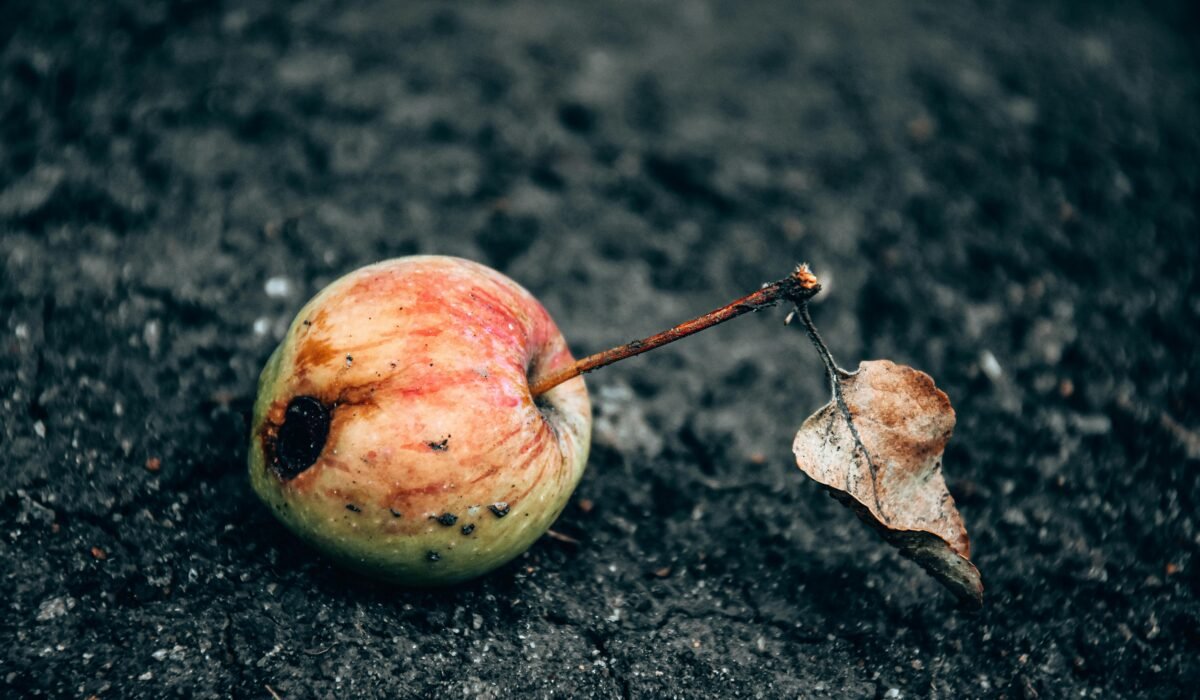
Identifying BER is relatively straightforward once you know what to look for. You’ll typically observe a dark, sunken, leathery spot on the blossom end of the fruit – the part farthest from the stem. This spot usually starts small and watery, then expands and darkens to brown or black as the fruit ripens, often attracting secondary fungal or bacterial infections that cause further decay.
This disorder primarily affects the first fruits of the season, but it can appear at any stage. While it’s most commonly associated with `calcium deficiency tomatoes`, the actual cause is more nuanced than simply a lack of calcium in the soil. As Iain C. MacSwan, Extension plant pathologist emeritus at Oregon State University, aptly describes, blossom-end rot is a “physiological disease resulting from imbalances in water and plant nutrients,” confirming it “does not spread from plant to plant.”
What Causes Blossom End Rot in Tomatoes & Peppers?
The core issue behind blossom end rot is a localized calcium deficiency within the developing fruit, but this isn’t usually because your soil lacks calcium. The real problem often lies in the plant’s inability to efficiently transport calcium to the rapidly growing fruit.
Calcium Mobility, Not Just Deficiency
Here’s the thing: most garden soils contain sufficient calcium. What most people miss is that calcium is a “lazy” nutrient, primarily moved through the plant via water uptake. If the plant experiences `water stress plants` due to inconsistent watering, it can’t move enough calcium to the fruit, even if calcium is abundant in the soil.
Fluctuations in soil moisture, especially periods of drought followed by heavy watering, are major culprits. Richard X. Latin, Extension Plant Pathologist at Purdue University, explains that BER is a “physiological disorder that occurs wherever tomatoes (and peppers) are grown…caused by low levels of calcium in tomato fruit and is not associated with soil contact or with damage to other plant parts.” This underscores that calcium availability at the cellular level in the fruit is key.
Beyond water, anything that impairs `root health plant` can hinder calcium uptake. This includes compacted soil, root damage from cultivation, or even overly cold soil that slows down root activity. The plant’s ability to absorb water and nutrients is fundamentally tied to a healthy, extensive root system.
Environmental Stressors
Environmental factors play a huge role in calcium uptake. Rapid plant growth, often spurred by excessive nitrogen fertilization, can outpace the plant’s ability to supply calcium to new tissues, particularly the fruit. High temperatures and low humidity increase transpiration from leaves, diverting water (and thus calcium) away from the fruit and towards the foliage.
Research in central Pennsylvania in 2022 noted that blossom end rot was more severe due to hotter, drier conditions, with June, July, and August averaging significantly less rain and higher temperatures compared to historical means. Conversely, early findings from the “Blossom-End Rot Toolkit” project in 2023 showed that sheltering crops from wind reduced BER at the OSU Vegetable Research Farm from 1.6% to 1.2%, highlighting the impact of environmental protection.
Nutrient Imbalances & Soil Health
While calcium is the star, other nutrients can influence its uptake. Excessive amounts of nitrogen, potassium, or magnesium in the soil can compete with calcium for absorption by the roots, leading to induced `calcium deficiency tomatoes`. This is why a balanced approach to `basic garden fertilizers` is crucial. Furthermore, the `soil pH for tomatoes` also impacts nutrient availability; calcium is most available in a pH range of 6.0 to 6.8. A soil test can reveal if your pH is off or if you have an actual calcium deficiency, though the latter is less common.
Can You Reverse Blossom End Rot on Affected Fruit?
The short answer is no, you cannot reverse blossom end rot on fruit that is already affected. Once the cells at the blossom end of the fruit have collapsed due to calcium starvation, that damage is permanent. Think of it like a bruise on an apple – it won’t heal itself.
While frustrating, seeing BER on early fruit isn’t a death sentence for your plant or subsequent harvests. The good news is that addressing the underlying causes will prevent new fruits from developing the disorder. You’ll need to remove and discard the affected fruit so the plant can focus its energy on healthy new growth.
My real-world observation is that often, the very first fruits on a plant are the most susceptible, especially if the plant is settling into a new environment. Don’t despair if your first few tomatoes or peppers show symptoms; it’s a signal to adjust your care routine.
How to Prevent Blossom End Rot: Holistic Strategies for Healthy Plants
Prevention is truly the best `Blossom End Rot Treatment Tomatoes Peppers`. By focusing on holistic plant health and consistent care, you can drastically reduce the incidence of BER in your garden.
Consistent Watering is Key
Establishing a `consistent watering schedule` is paramount. Your goal is to keep soil moisture levels steady, avoiding extreme fluctuations. This means deep, regular watering, especially during dry spells and peak fruiting. Aim for 1-1.5 inches of water per week, either from rain or irrigation, and check the soil moisture before watering again.
A good rule of thumb is to feel the soil 2-3 inches down; if it feels dry, it’s time to water. Irregular watering is the number one cause of `water stress plants` that leads to BER.
Optimize Soil Health & Nutrients
Start with a soil test to understand your soil’s composition and nutrient levels, including `soil pH for tomatoes`. If you find a genuine calcium deficiency, you can amend the soil with gypsum or crushed eggshells, though this is less common than uptake issues. Avoid over-fertilizing with high-nitrogen fertilizers, which promote leafy growth at the expense of fruit development and can exacerbate BER.
Instead, use a balanced fertilizer, or one specifically formulated for tomatoes and peppers, that includes calcium. Products like Miracle-Gro® Shake ‘n Feed® Tomato, Fruit & Vegetable Plant Food contain calcium and can be beneficial. For more on soil and nutrient basics, check out our guide on Basic Garden Fertilizers.
Mulching & Environmental Protection
Applying a layer of organic mulch, such as straw, shredded leaves, or wood chips, around your plants is one of the most effective preventive measures. `Mulching garden beds` helps to conserve soil moisture, regulate soil temperature, and suppress weeds that compete for water and nutrients. This consistency in moisture directly aids calcium transport.
A 2-4 inch layer of mulch can make a significant difference in maintaining even soil moisture. This simple step can greatly reduce the risk of `blossom end rot calcium deficiency` by minimizing water stress.
Effective Blossom End Rot Treatment for Tomatoes & Peppers
While prevention is the primary strategy, once BER appears, gardeners often look for immediate solutions. Remember that treating existing affected fruit isn’t possible, but you can take steps to protect future harvests.
Foliar Calcium Sprays (Temporary Measure)
For a temporary measure to address new fruit development, a `foliar calcium spray` can provide a quick boost of calcium directly to the plant’s leaves. Products like Bonide Rot-Stop Tomato Blossom End Rot Concentrate are designed for this purpose. These sprays are absorbed through the foliage and can help new fruits develop without BER.
However, it’s crucial to understand that foliar sprays are a band-aid, not a cure. They don’t solve the underlying issues of inconsistent watering or poor root health. They can offer a temporary fix blossom end rot fast for developing fruit but won’t correct systemic problems.
Nora Doonan, a UConn Soil Science Graduate Student, emphasizes that “Blossom-end rot is a physiological disorder… caused by insufficient calcium as a result of nutrient and water management challenges.” This reinforces that long-term solutions must address these challenges at the root.
Addressing Underlying Causes
The most effective long-term `Blossom End Rot Treatment Tomatoes Peppers` involves diagnosing and correcting the root cause of the calcium uptake issue. This means revisiting your watering habits, checking your soil pH, ensuring proper fertilization, and promoting healthy roots.
If you suspect root damage, minimize cultivation around the plant base. Consider adding compost to improve soil structure and water retention. Sometimes, the issue is simply that the plant is young and hasn’t established a robust root system yet; subsequent fruits often develop without BER once the plant matures.
Managing Blossom End Rot in Container-Grown Plants
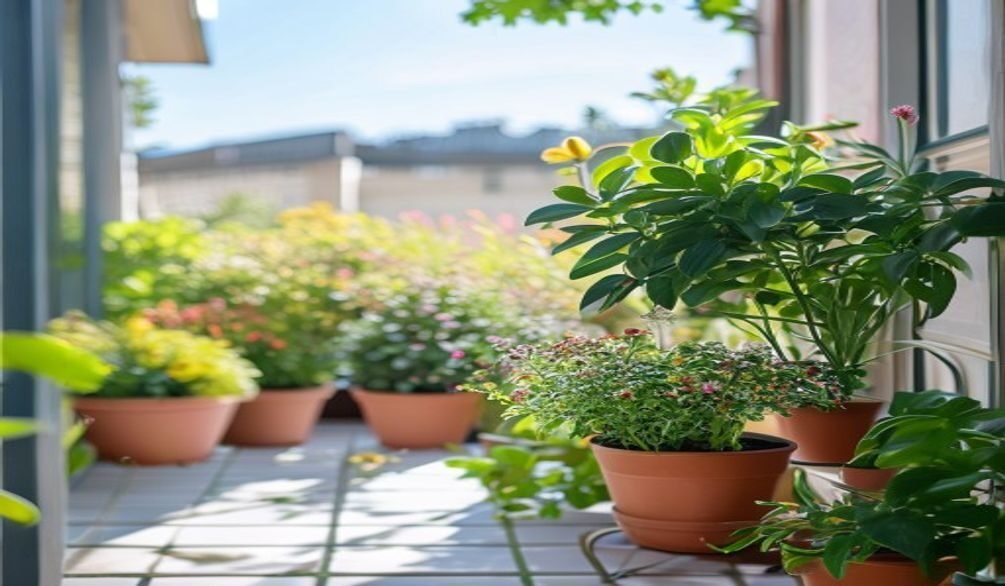
Container gardening presents unique challenges, and `container gardening BER` is often more prevalent than in garden beds. This is primarily due to the limited soil volume and rapid fluctuations in moisture and temperature.
Choosing the Right Container & Potting Mix
For tomatoes and peppers, choose containers that are generously sized. A minimum of 15-20 gallons (or a 5-gallon bucket for a single plant) is recommended for tomatoes to provide ample `root health plant` and soil volume. Peppers can often do well in 5-10 gallon containers. Ensure your containers have excellent drainage holes to prevent waterlogging.
Use a high-quality potting mix specifically designed for containers, which usually contains a mix of peat moss, perlite, and compost. This provides good drainage while retaining moisture and nutrients. Avoid using garden soil in containers, as it compacts easily and doesn’t drain well.
Specialized Watering & Fertilization
Container plants dry out much faster than in-ground plants, so a `consistent watering schedule` is even more critical. You may need to water daily, or even twice daily during hot, sunny weather. Consider self-watering containers or drip irrigation systems to maintain consistent moisture. Mulching the top of your container soil also helps reduce evaporation.
Fertilization for `blossom end rot container tomatoes` also needs careful attention. Container plants deplete nutrients faster. Use a slow-release fertilizer with calcium, or apply a balanced liquid fertilizer regularly, ensuring it’s not too high in nitrogen. For a deeper dive into container gardening, explore our guide on Grow Organic Vegetables in Containers.
Advanced Troubleshooting & Resistant Varieties for Persistent BER
What if you’ve tried everything – consistent watering, mulching, soil tests – and still face persistent BER? This is where a more advanced approach comes in, exploring less common causes and considering plant genetics.
When All Else Fails: Deeper Dives
If BER continues despite optimal care, it might be time to look at subtle factors. Extreme weather patterns, such as prolonged periods of unusually hot and dry weather or even excessive rain leading to waterlogged soil, can severely disrupt calcium uptake. A study in 2022 highlighted how hotter temperatures and less rain exacerbated BER in central Pennsylvania, ranking among the highest since 1893.
Less common issues include specific soil pathogens that damage `root health plant` or subtle nutrient antagonisms. For instance, sometimes an excess of potassium or magnesium (common in some fertilizers or soil amendments) can outcompete calcium for absorption. A comprehensive soil and tissue test from a professional lab might be necessary to pinpoint these imbalances.
In practice, I’ve found that sometimes, simply providing temporary shade during the hottest part of the day or using row covers to shield plants from strong winds can make a surprising difference in reducing stress and improving calcium transport.
Selecting Resistant Varieties
Choosing `tomato varieties resistance` and `pepper varieties BER` can be a proactive strategy, especially if you’ve struggled with BER in the past. While no variety is 100% immune, some are significantly less susceptible.
Tomato Varieties Less Susceptible to BER:
- ‘Celebrity’
- ‘Mountain Pride’
- ‘Early Girl’
- ‘Better Boy’
- ‘Jet Star’
- Cherry tomatoes (generally less susceptible)
- ‘Voskhod’ (a 2024 study found only 7.1% incidence in this genotype)
Tomato Varieties More Susceptible to BER:
- Plum or pear-shaped tomatoes (e.g., Roma, San Marzano)
- Large slicers like ‘Whopper,’ ‘Wonder Boy,’ and ‘Big Boy’
- ‘Majnat’ (a 2024 study identified a high incidence of 57.6% in this genotype)
For peppers, blocky or elongated varieties tend to be more susceptible than smaller, rounder types. Researchers are also making strides in breeding resistance; Carmen Catalá, lead researcher at the Boyce Thompson Institute, expressed hope that their discovery regarding adpressa tomatoes (resistant due to a mutation affecting starch production) “will lead to novel approaches in creating plants resistant to blossom-end rot and other types of stress-induced damage.” This means even more resilient varieties may be available in the future. You can learn more about this cutting-edge research at the Boyce Thompson Institute.
Frequently Asked Questions
How do you fix blossom end rot on tomatoes and peppers?
You cannot fix blossom end rot on fruit that has already developed the symptoms; the damage is irreversible. The most effective approach is to remove affected fruit and implement preventive measures to ensure future fruits develop healthily. These measures include consistent watering, proper mulching, and ensuring balanced soil nutrients.
What is the best treatment for blossom end rot?
The best “treatment” for blossom end rot is prevention, focusing on consistent moisture, optimal soil health, and balanced nutrition. While foliar calcium sprays can offer a temporary, quick fix for developing fruit, they do not resolve the underlying causes. Long-term success comes from addressing water stress and ensuring efficient calcium uptake by the plant roots.
How do you get rid of blossom end rot fast?
To address blossom end rot quickly for *future* fruits, focus immediately on consistent watering and mulching to stabilize soil moisture. Applying a foliar calcium spray can provide a rapid, temporary calcium boost to developing fruits. However, remember that these are short-term solutions; a holistic approach to plant care is essential for lasting results.
Can I eat tomatoes with blossom end rot?
Yes, you can generally eat the unaffected parts of tomatoes and peppers with blossom end rot. Simply cut away the damaged, discolored portion of the fruit. The healthy parts are perfectly safe to consume, as blossom end rot is a physiological disorder, not a disease caused by pathogens harmful to humans.
Mastering Blossom End Rot Treatment Tomatoes Peppers requires patience and a holistic approach to gardening. By understanding the true causes – particularly calcium mobility and water management – you can nurture healthier plants and enjoy a bountiful, blemish-free harvest. Implement these strategies, observe your plants closely, and you’ll be well on your way to success.